Dimethyl Carbonate

Get Pricing for This Product
Need pricing? Request a quote for this product and we'll get back to you shortly.
 Free Samples Available
Speed Up Your Sample Testing Process
We deliver domestic samples within 24 - 48 hours, helping you evaluate product without delays.
Dimethyl Carbonate (DMC) is a versatile chemical used primarily as a solvent and reagent in organic synthesis. It is favored for its low toxicity and biodegradability, making it an eco-friendly…
CAS Number
616-38-6
HS Code
29209000
INCI Name
-
Molecular Formula
C3H6O3
Dimethyl Carbonate
Dimethyl Carbonate (DMC) is a versatile chemical used primarily as a solvent and reagent in organic synthesis. It is favored for its low toxicity and biodegradability, making it an eco-friendly alternative in various industrial applications.
CAS Number
616-38-6
INCI Name
-
HS Code
29209000
Molecular Formula
C3H6O3
Get Pricing for This Product
Need pricing? Request a quote for this product and we'll get back to you shortly.
Free Samples AvailableSpeed Up Your Sample Testing Process
We deliver domestic samples within 24 - 48 hours, helping you evaluate product without delays.
 By
By
Specialty chemicals, delivered right
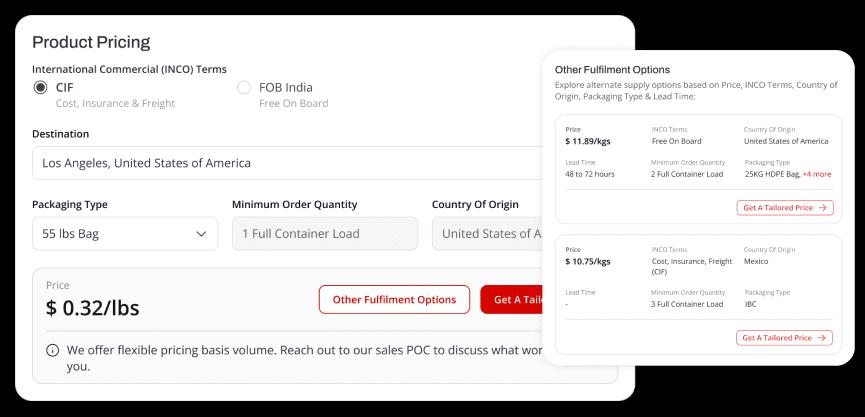
Access live, grade-specific pricing for every chemical, so your teams talks with data, not intuition on Elixir.
Compare fulfilment options across grades, INCO terms, origins, and lead times: all in one platform.

Live, transparent pricing
Real-time quotes across 12,000+ specialty chemicals.
About Dimethyl Carbonate
Dimethyl Carbonate (DMC) is a highly versatile chemical compound known for its role as a solvent and reagent in various industrial applications. Its low toxicity and biodegradability make it an eco-friendly choice, aligning with the growing demand for sustainable chemical solutions. DMC is widely used in the production of polycarbonates, pharmaceuticals, and as an electrolyte in lithium-ion batteries, showcasing its broad utility across industries.
Manufacturing Process of Dimethyl Carbonate
Dimethyl Carbonate is primarily produced through the transesterification of methanol and ethylene carbonate or by the oxidative carbonylation of methanol. These processes are favored by DMC manufacturers for their efficiency and ability to produce high-purity DMC. The choice of feedstocks and catalysts plays a crucial role in determining the purity and yield of the final product, making it essential for DMC suppliers to optimize these parameters.
Dimethyl Carbonate Price: Bulk Pricing for Industrial Buyers
The price of Dimethyl Carbonate is influenced by factors such as raw material costs, production methods, and market demand. Industrial buyers can obtain competitive pricing by purchasing in bulk from Elchemy, a trusted DMC distributor. To get a quote, contact our sales team, who will provide detailed pricing information tailored to your specific needs. Key pricing terms include bulk discounts and long-term supply agreements.
Packaging & Logistics
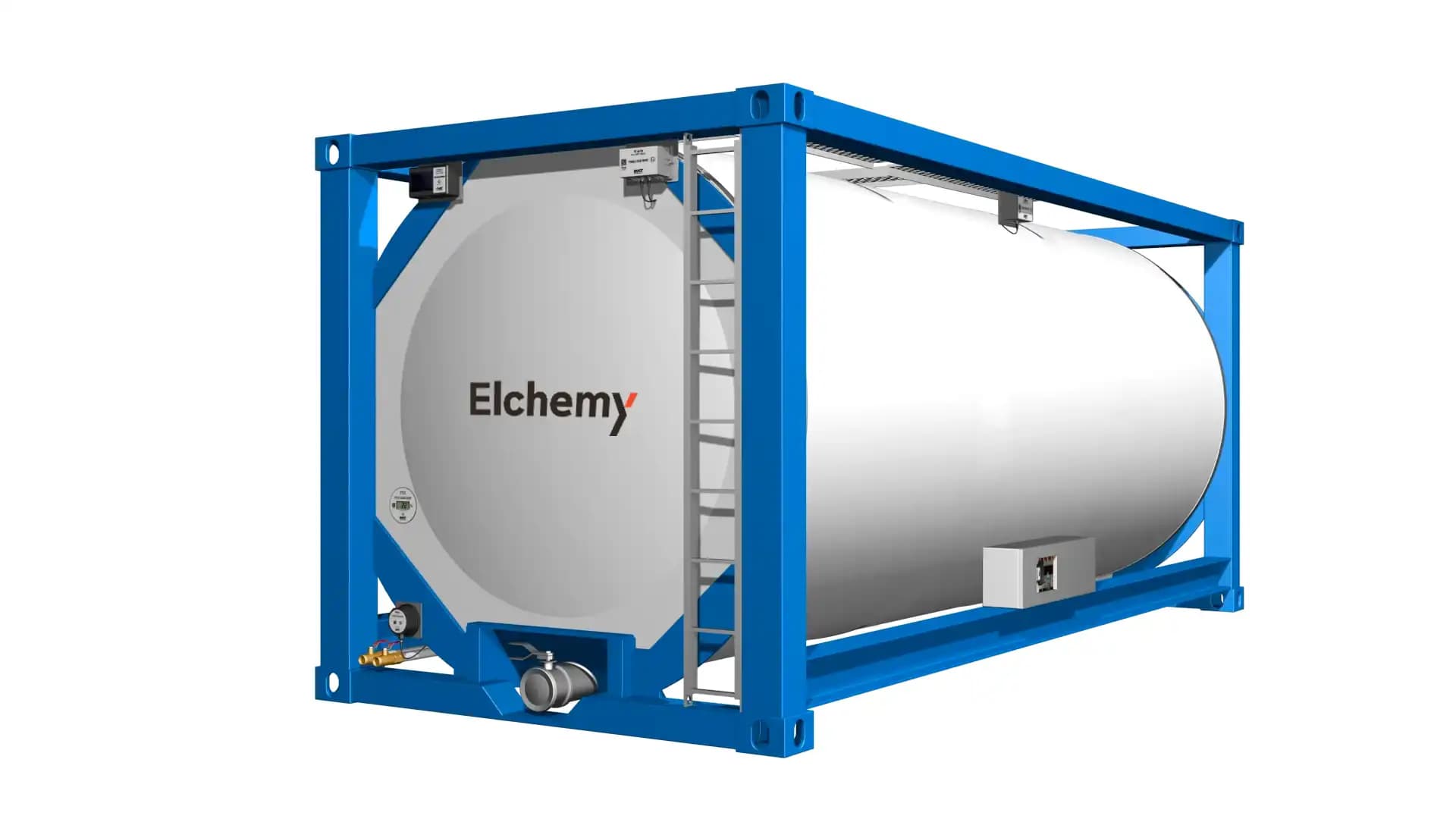
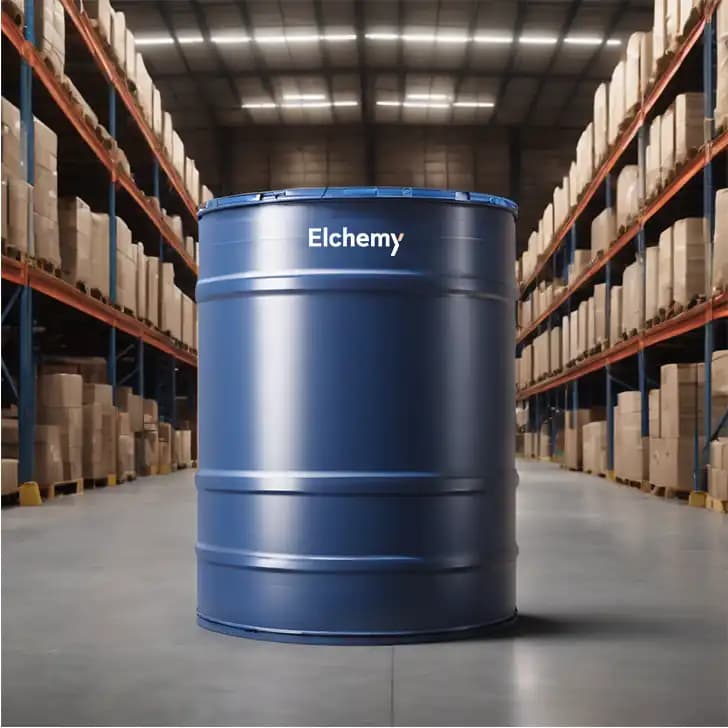
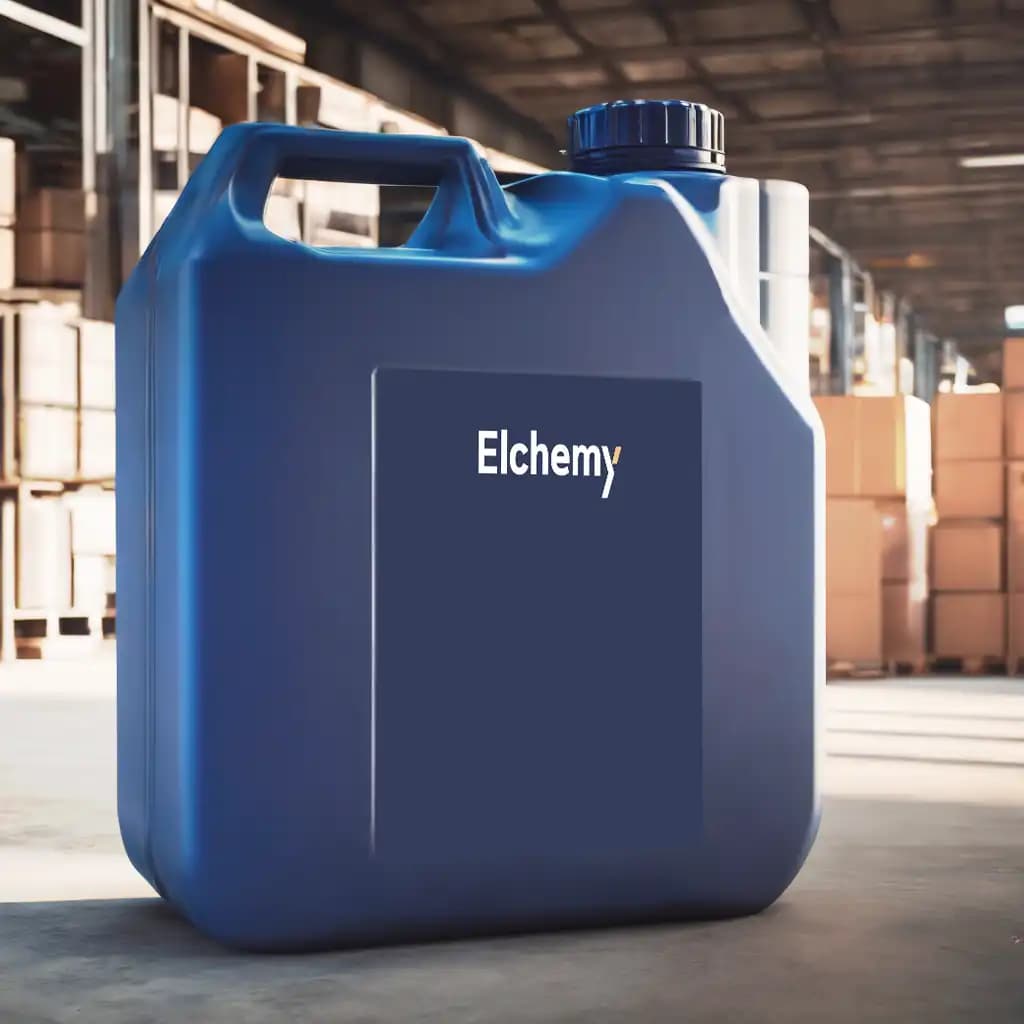
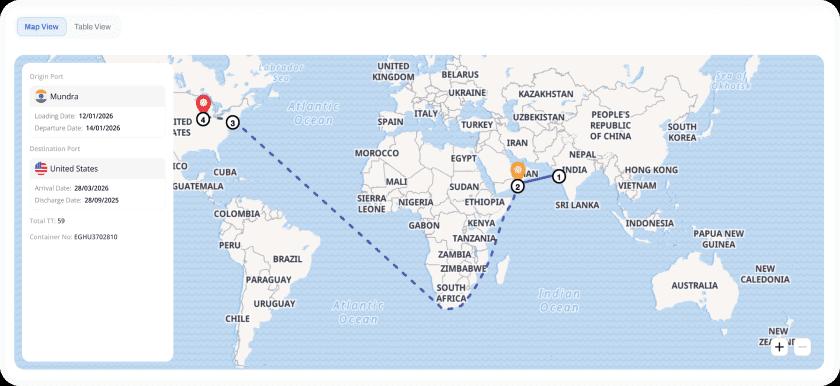
Dimethyl Carbonate is available in various packaging formats, including iso-tanks, hdpe-drums, and jerry-cans, to accommodate different logistical needs. Proper storage and transport conditions are essential to maintain the chemical's integrity, with recommendations to store it in a cool, dry place away from direct sunlight. Elchemy ensures efficient logistics for both North American and global buyers, providing reliable delivery and supply chain solutions.
Why Choose Elchemy as a Trusted Dimethyl Carbonate Supplier?
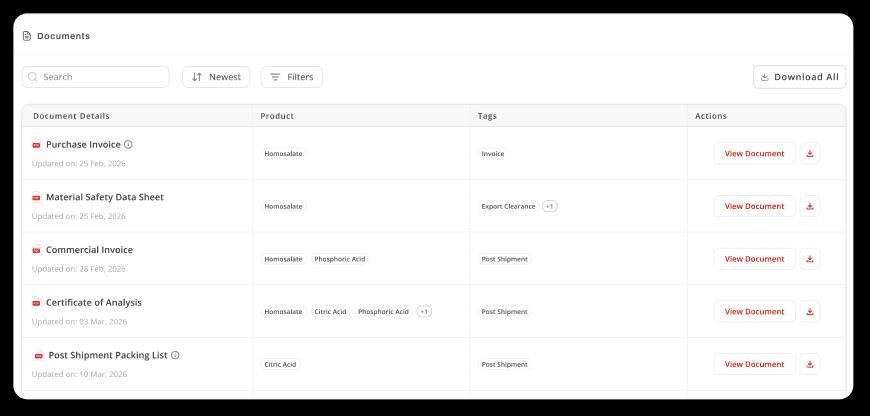
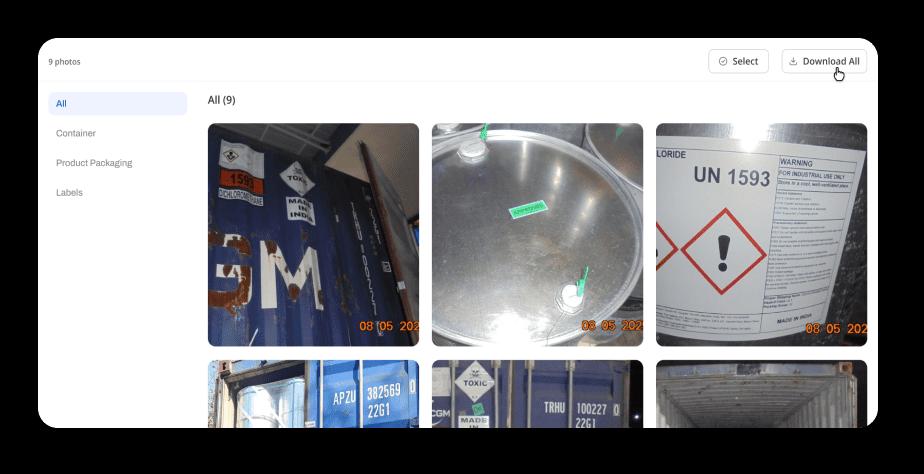
Elchemy stands out as a reliable Dimethyl Carbonate supplier due to our commitment to quality assurance and global reach. We offer consistent product quality, backed by rigorous testing and compliance with international standards. Our North American fulfillment capabilities ensure timely delivery, while our global distribution network supports customers worldwide. Choose Elchemy for dependable sourcing and exceptional customer service.
Safety & Handling
When handling Dimethyl Carbonate, it is important to use appropriate personal protective equipment (PPE) such as gloves and goggles. The chemical should be stored in a well-ventilated area, away from incompatible substances. Dimethyl Carbonate is listed on the TSCA Inventory, confirming its regulatory compliance. It is classified as a non-hazardous material, but standard safety precautions should still be observed during handling and storage.
- Eco-Friendly Solvent: Dimethyl Carbonate is a low-toxicity, biodegradable solvent, making it an environmentally responsible choice for industrial applications.
- High Purity: Produced through optimized manufacturing processes, DMC offers high purity levels, essential for sensitive applications like pharmaceuticals and electronics.
- Versatile Reagent: Its role as a methylating and carbonylating agent in organic synthesis highlights its versatility and effectiveness in chemical reactions.
- Safe Handling: With a favorable safety profile, DMC is easier to handle and store compared to more hazardous alternatives.
- Cost-Effective: Competitive pricing and bulk availability make DMC a cost-effective option for large-scale industrial use.
About Dimethyl Carbonate
Dimethyl Carbonate (DMC) is a highly versatile chemical compound known for its role as a solvent and reagent in various industrial applications. Its low toxicity and biodegradability make it an eco-friendly choice, aligning with the growing demand for sustainable chemical solutions. DMC is widely used in the production of polycarbonates, pharmaceuticals, and as an electrolyte in lithium-ion batteries, showcasing its broad utility across industries.
Manufacturing Process of Dimethyl Carbonate
Dimethyl Carbonate is primarily produced through the transesterification of methanol and ethylene carbonate or by the oxidative carbonylation of methanol. These processes are favored by DMC manufacturers for their efficiency and ability to produce high-purity DMC. The choice of feedstocks and catalysts plays a crucial role in determining the purity and yield of the final product, making it essential for DMC suppliers to optimize these parameters.
Dimethyl Carbonate Price: Bulk Pricing for Industrial Buyers
The price of Dimethyl Carbonate is influenced by factors such as raw material costs, production methods, and market demand. Industrial buyers can obtain competitive pricing by purchasing in bulk from Elchemy, a trusted DMC distributor. To get a quote, contact our sales team, who will provide detailed pricing information tailored to your specific needs. Key pricing terms include bulk discounts and long-term supply agreements.
Packaging & Logistics
Dimethyl Carbonate is available in various packaging formats, including iso-tanks, hdpe-drums, and jerry-cans, to accommodate different logistical needs. Proper storage and transport conditions are essential to maintain the chemical's integrity, with recommendations to store it in a cool, dry place away from direct sunlight. Elchemy ensures efficient logistics for both North American and global buyers, providing reliable delivery and supply chain solutions.
Why Choose Elchemy as a Trusted Dimethyl Carbonate Supplier?
Elchemy stands out as a reliable Dimethyl Carbonate supplier due to our commitment to quality assurance and global reach. We offer consistent product quality, backed by rigorous testing and compliance with international standards. Our North American fulfillment capabilities ensure timely delivery, while our global distribution network supports customers worldwide. Choose Elchemy for dependable sourcing and exceptional customer service.
Safety & Handling
When handling Dimethyl Carbonate, it is important to use appropriate personal protective equipment (PPE) such as gloves and goggles. The chemical should be stored in a well-ventilated area, away from incompatible substances. Dimethyl Carbonate is listed on the TSCA Inventory, confirming its regulatory compliance. It is classified as a non-hazardous material, but standard safety precautions should still be observed during handling and storage.
- Eco-Friendly Solvent: Dimethyl Carbonate is a low-toxicity, biodegradable solvent, making it an environmentally responsible choice for industrial applications.
- High Purity: Produced through optimized manufacturing processes, DMC offers high purity levels, essential for sensitive applications like pharmaceuticals and electronics.
- Versatile Reagent: Its role as a methylating and carbonylating agent in organic synthesis highlights its versatility and effectiveness in chemical reactions.
- Safe Handling: With a favorable safety profile, DMC is easier to handle and store compared to more hazardous alternatives.
- Cost-Effective: Competitive pricing and bulk availability make DMC a cost-effective option for large-scale industrial use.
FAQs - Dimethyl Carbonate
Related Products

Related Products

Streamline
Your Chemical
Procurement
Get fast responses from real experts