Dimer Acid
ELFATTM – EMA

Get Pricing for This Product
Need pricing? Request a quote for this product and we'll get back to you shortly.
 Free Samples Available
Speed Up Your Sample Testing Process
We deliver domestic samples within 24 - 48 hours, helping you evaluate product without delays.
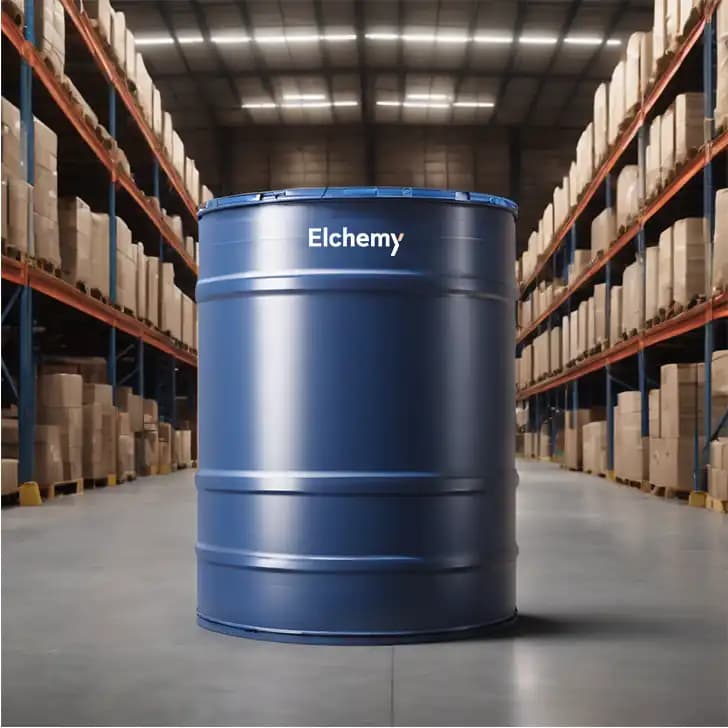
Dimer Acid is a viscous, yellowish liquid primarily used in the production of polyamide resins, adhesives, and coatings. It is derived from the dimerization of unsaturated fatty acids, typically tall…
CAS Number
61788-89-4
HS Code
29.17.39.90 / 38.24.99.00
INCI Name
Dimer Acid
Molecular Formula
C₃₆H₆₆O₄ (typical dimer of linoleic acid)
Dimer Acid
ELFATTM – EMA
Dimer Acid is a viscous, yellowish liquid primarily used in the production of polyamide resins, adhesives, and coatings. It is derived from the dimerization of unsaturated fatty acids, typically tall oil fatty acids. Known for its excellent flexibility, hydrophobicity, and…
CAS Number
61788-89-4
INCI Name
Dimer Acid
HS Code
29.17.39.90 / 38.24.99.00
Molecular Formula
C₃₆H₆₆O₄ (typical dimer of linoleic acid)
Get Pricing for This Product
Need pricing? Request a quote for this product and we'll get back to you shortly.
Free Samples AvailableSpeed Up Your Sample Testing Process
We deliver domestic samples within 24 - 48 hours, helping you evaluate product without delays.
 By
By
Specialty chemicals, delivered right
Access live, grade-specific pricing for every chemical, so your teams talks with data, not intuition on Elixir.
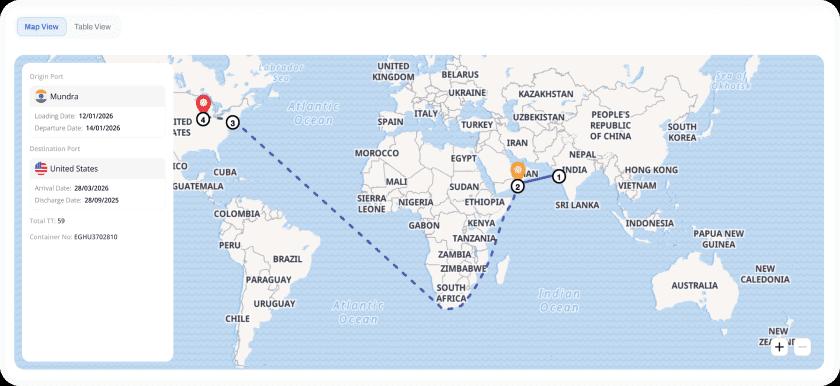
Compare fulfilment options across grades, INCO terms, origins, and lead times: all in one platform.

Live, transparent pricing
Real-time quotes across 12,000+ specialty chemicals.

Product Specification
Physical Properties
| Property | Specification |
|---|---|
| Appearance | Yellow viscous liquid |
| Odor | Mild fatty |
| Molecular Weight (G/Mol) | 564.9 |
| Density Or Specific Gravity | 0.950 g/cm3 |
Chemical Properties
| Property | Specification |
|---|---|
| Incompatibilities | Strong oxidizing agents. |
Thermal Properties
| Property | Specification |
|---|---|
| Melting Point | -18°C (pour point) |
| Boiling Point | > 260° C |
| Flash Point | > 257 °C |
Processing Methods & Reference Formulations
A. Cosmetic cream
Add 0.5–3% Dimer Acid to impart long-lasting emolliency, improve skin conditioning, and enhance barrier function by forming a breathable film on the skin. Dimer Acid is oil-soluble and should be added during the oil phase heating to ensure full integration and prevent separation in the emulsion.
| Key Ingredients | Indicative Dosage (% w/w) |
|---|---|
| Glycerin | 5.0% |
| Sodium Chloride | 0.5% |
| Deionized Water (Aqua) | ~80.5% |
| Disteardimonium Hectorite | 1.7% |
| Polyoxyethylene/Methylpolysiloxane Copolymer | 0.5% |
| Decamethyl-tetrasiloxane | 10.0% |
| Squalane | 2.0% |
| Cetyl Ethylhexanoate | 2.0% |
| Petrolatum | 0.5% |
| Bis(behenyl/isostearyl/phytosteryl) Dimer Dilinoleate | 2.5% |
B. Cosmetic makeup foundation
Add 0.5–10% Dimer Acid to improve spreadability, provide long-wear properties, and form a soft, flexible film that helps anchor pigments and enhance coverage. Being oil-soluble, Dimer Acid should be blended into the oil phase and heated to ensure full dissolution and uniformity in the emulsion.
| Key Ingredients | Indicative Dosage (% w/w) |
|---|---|
| Water | 60.0 % |
| Isododecane (light oil base) | 10.0 % |
| Dimethicone | 5.0 % |
| Cetyl PEG/PPG-10/1 Dimethicone | 3.0 % |
| Titanium Dioxide | 7.0 % |
| Iron Oxides | 5.0 % |
| Mica / Synthetic Fluorphlogopite | 3.0 % |
| Dimer Dilinoleyl Bis(behenyl/isostearyl/phytosteryl) (dimer acid ester) | 10.0 % |
| Caprylic/Capric Triglyceride (emollient) | 3.0 % |
| Glycerin | 2.0 % |
| Phenoxyethanol & Ethylhexylglycerin (preservatives) | 1.0 % |
| Xanthan Gum | 0.2 % |
| Disodium EDTA | 0.1 % |
| Fragrance | 0.7 % |
C. Hair conditioner
Add 0.5–2% Dimer Acid to create a lightweight, flexible film on the hair shaft that improves smoothness, softness, and manageability without weighing the hair down. Dimer Acid is oil-soluble and should be added to the heated oil phase to ensure proper melting and dispersion throughout the emulsion.
| Key Ingredients | Indicative Dosage (% w/w) |
|---|---|
| Cetrimonium Chloride | 1.20% (as received) |
| Steartrimonium Chloride | 1.80% (as received) |
| Glyceryl Stearate | ~1.20% |
| Cetyl Alcohol | ~4.80% |
| Olive Oil | ~1.80% |
| Lauryldimethylamine Dimer Dilinoleate (dimer acid salt) | ~1.00% |
| Cetyl Ethylhexanoate | ~1.20% |
| Dimethicone | ~3.00% |
| Dimethicone | ~1.00% |
| Preservatives (e.g., methylparaben, propylparaben) | ~0.10–0.20% |
| Water (Aqua) | Balance (~84–90%) |
Dosing Guidelines
A. Dosing by Application
| Products | Authorized dosage |
|---|---|
| Moisturizing creams/lotions | 2-10% |
| Concealer/makeup foundations | 2-10% |
About Dimer Acid
Dimer Acid, also known as dimerized fatty acid, is a versatile chemical compound widely used in industrial applications. As a key ingredient in the production of polyamide resins, adhesives, and coatings, Dimer Acid offers exceptional flexibility, hydrophobicity, and chemical resistance. Its unique properties make it an ideal choice for manufacturers seeking to enhance the performance and durability of their products. Dimer Acid manufacturers focus on producing high-purity grades to meet the stringent demands of industries such as automotive, construction, and electronics. The production process is carefully controlled to ensure consistency and stability, which are crucial for the compound's effectiveness in various applications. Sustainability is a growing focus for Dimer Acid manufacturers, with many adopting greener practices to minimize their environmental impact. These efforts include optimizing energy use during production and reducing waste emissions. The trend toward eco-friendly manufacturing aligns with the increasing demand for sustainable raw materials in the chemical industry. Beyond its role in resins and coatings, Dimer Acid is also used in the production of adhesives and sealants, where it enhances bonding strength and flexibility. Its widespread use across multiple sectors underscores the importance of Dimer Acid as a fundamental compound in modern industry.
- High Flexibility: Provides excellent flexibility in adhesives and coatings, enhancing product performance.
- Superior Chemical Resistance: Offers resistance to chemicals and environmental factors, ensuring durability.
- Hydrophobic Properties: Contributes to water-resistant surfaces in coatings and sealants.
- Sustainable Production: Derived from natural fatty acids, supporting eco-friendly manufacturing practices.
- Versatile Applications: Used in a wide range of industries, including automotive, construction, and electronics.
About Dimer Acid
Dimer Acid, also known as dimerized fatty acid, is a versatile chemical compound widely used in industrial applications. As a key ingredient in the production of polyamide resins, adhesives, and coatings, Dimer Acid offers exceptional flexibility, hydrophobicity, and chemical resistance. Its unique properties make it an ideal choice for manufacturers seeking to enhance the performance and durability of their products. Dimer Acid manufacturers focus on producing high-purity grades to meet the stringent demands of industries such as automotive, construction, and electronics. The production process is carefully controlled to ensure consistency and stability, which are crucial for the compound's effectiveness in various applications. Sustainability is a growing focus for Dimer Acid manufacturers, with many adopting greener practices to minimize their environmental impact. These efforts include optimizing energy use during production and reducing waste emissions. The trend toward eco-friendly manufacturing aligns with the increasing demand for sustainable raw materials in the chemical industry. Beyond its role in resins and coatings, Dimer Acid is also used in the production of adhesives and sealants, where it enhances bonding strength and flexibility. Its widespread use across multiple sectors underscores the importance of Dimer Acid as a fundamental compound in modern industry.
- High Flexibility: Provides excellent flexibility in adhesives and coatings, enhancing product performance.
- Superior Chemical Resistance: Offers resistance to chemicals and environmental factors, ensuring durability.
- Hydrophobic Properties: Contributes to water-resistant surfaces in coatings and sealants.
- Sustainable Production: Derived from natural fatty acids, supporting eco-friendly manufacturing practices.
- Versatile Applications: Used in a wide range of industries, including automotive, construction, and electronics.
Regulatory Compliance
| Region | Max Allowed Level | Notes | Certification Body |
|---|---|---|---|
| Australia | - | No regulatory maximum. | - |
| China | - | Not specifically restricted. Usage up to international levels. | - |
| Japan | - | No specific numeric limit. Follows international safety and practice | - |
| Republic of Korea | - | No explicit maximum. Alignment with safety review and global practices. | - |
| United States | - | No explicit regulatory maximum; industry uses up to 29% for dimer acid esters (e.g., Diisopropyl Dimer Dilinoleate) in lipsticks, up to 16% for Diisostearyl Dimer Dilinoleate in lipsticks. These levels are deemed safe by the Cosmetic Ingredient Review (CIR) | - |
| ASEAN | - | No specific restriction; practical maximums follow CIR/industry. | - |
| European Union | - | No specific numerical limit. | - |
FAQs - Dimer Acid

Streamline
Your Chemical
Procurement
Get fast responses from real experts