
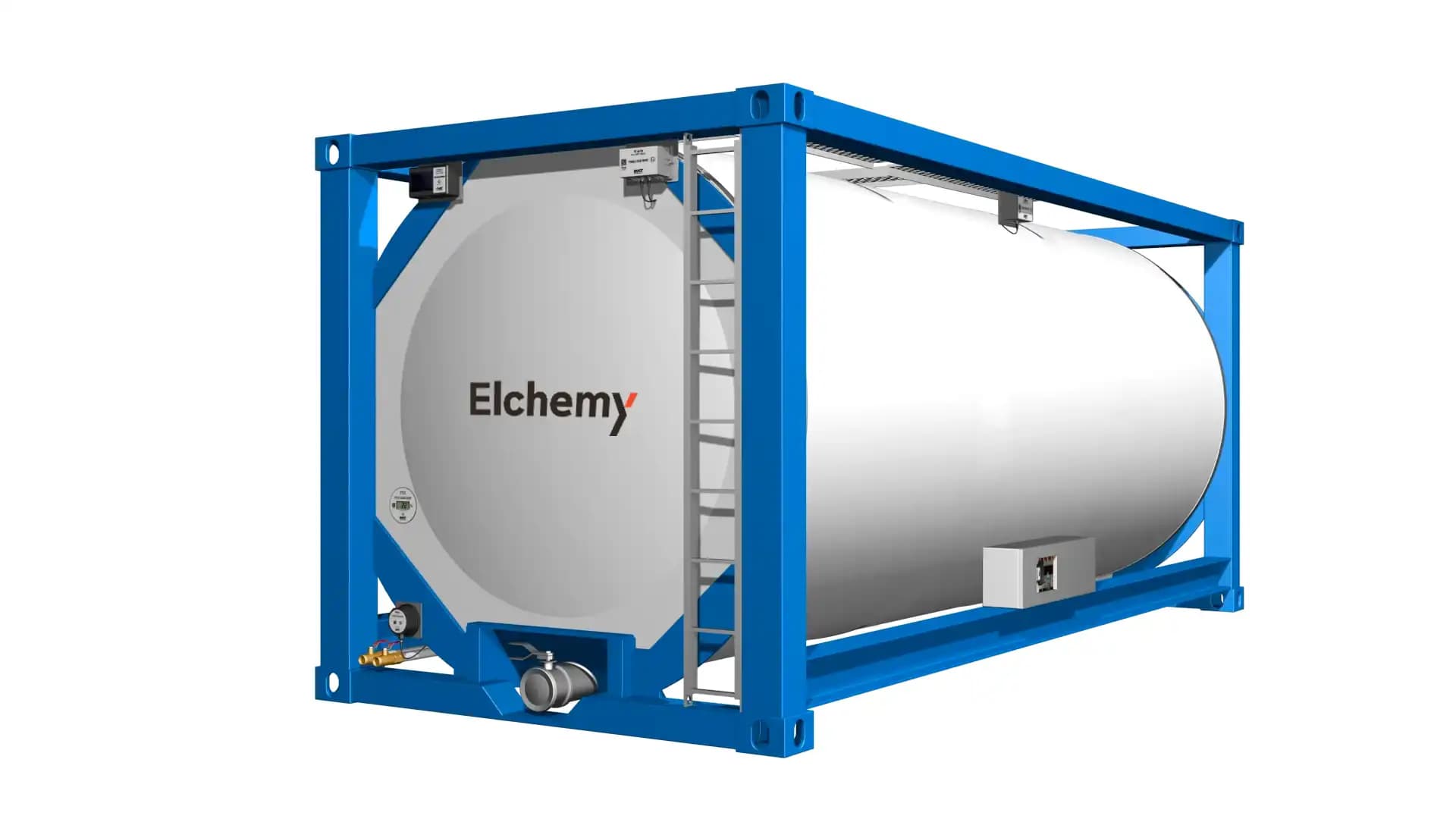
Crude Oil
ELFATTM – CruOil

Get Pricing for This Product
Need pricing? Request a quote for this product and we'll get back to you shortly.
 Free Samples Available
Speed Up Your Sample Testing Process
We deliver domestic samples within 24 - 48 hours, helping you evaluate product without delays.
Crude Oil is a naturally occurring, unrefined petroleum product composed of hydrocarbon deposits and other organic materials. It is a crucial raw material in the energy sector, serving as the primary…
CAS Number
8002-05-09
HS Code
27090010
INCI Name
-
Molecular Formula
Varies
Crude Oil
ELFATTM – CruOil
Crude Oil is a naturally occurring, unrefined petroleum product composed of hydrocarbon deposits and other organic materials. It is a crucial raw material in the energy sector, serving as the primary feedstock for the production of fuels, lubricants, and petrochemicals. Crude Oil…
CAS Number
8002-05-09
INCI Name
-
HS Code
27090010
Molecular Formula
Varies
Get Pricing for This Product
Need pricing? Request a quote for this product and we'll get back to you shortly.
Free Samples AvailableSpeed Up Your Sample Testing Process
We deliver domestic samples within 24 - 48 hours, helping you evaluate product without delays.
 By
By
Specialty chemicals, delivered right
Access live, grade-specific pricing for every chemical, so your teams talks with data, not intuition on Elixir.
Compare fulfilment options across grades, INCO terms, origins, and lead times: all in one platform.

Live, transparent pricing
Real-time quotes across 12,000+ specialty chemicals.



About Crude Oil
Crude Oil, also known as petroleum, is a vital natural resource that serves as the backbone of the global energy sector. As a complex mixture of hydrocarbons, Crude Oil is extracted from underground reservoirs and processed in refineries to produce a wide array of products, including fuels, lubricants, and petrochemicals. Its versatility and energy density make it indispensable for transportation, manufacturing, and energy generation. Crude Oil manufacturers and suppliers play a crucial role in ensuring a steady supply to meet the demands of various industries. The production and distribution of Crude Oil involve sophisticated technologies and logistics to optimize efficiency and minimize environmental impact. As the world transitions towards sustainable energy solutions, the role of Crude Oil is evolving, with a focus on cleaner extraction and refining processes. Despite the challenges, Crude Oil remains a cornerstone of modern industry, driving economic growth and technological advancement.
- High Energy Density: Crude Oil provides a significant amount of energy per unit, making it an efficient fuel source for transportation and power generation.
- Versatile Feedstock: It serves as a primary raw material for producing a wide range of petrochemicals, supporting industries from plastics to pharmaceuticals.
- Global Availability: Crude Oil reserves are found worldwide, ensuring a steady supply to meet global energy demands.
- Advanced Refining Techniques: Modern refining processes enhance the efficiency and yield of valuable products from Crude Oil, reducing waste and environmental impact.
- Economic Driver: The Crude Oil industry is a major contributor to global economies, providing jobs and supporting infrastructure development.
About Crude Oil
Crude Oil, also known as petroleum, is a vital natural resource that serves as the backbone of the global energy sector. As a complex mixture of hydrocarbons, Crude Oil is extracted from underground reservoirs and processed in refineries to produce a wide array of products, including fuels, lubricants, and petrochemicals. Its versatility and energy density make it indispensable for transportation, manufacturing, and energy generation. Crude Oil manufacturers and suppliers play a crucial role in ensuring a steady supply to meet the demands of various industries. The production and distribution of Crude Oil involve sophisticated technologies and logistics to optimize efficiency and minimize environmental impact. As the world transitions towards sustainable energy solutions, the role of Crude Oil is evolving, with a focus on cleaner extraction and refining processes. Despite the challenges, Crude Oil remains a cornerstone of modern industry, driving economic growth and technological advancement.
- High Energy Density: Crude Oil provides a significant amount of energy per unit, making it an efficient fuel source for transportation and power generation.
- Versatile Feedstock: It serves as a primary raw material for producing a wide range of petrochemicals, supporting industries from plastics to pharmaceuticals.
- Global Availability: Crude Oil reserves are found worldwide, ensuring a steady supply to meet global energy demands.
- Advanced Refining Techniques: Modern refining processes enhance the efficiency and yield of valuable products from Crude Oil, reducing waste and environmental impact.
- Economic Driver: The Crude Oil industry is a major contributor to global economies, providing jobs and supporting infrastructure development.
FAQs - Crude Oil
Related Products
Related Products

Streamline
Your Chemical
Procurement
Get fast responses from real experts