
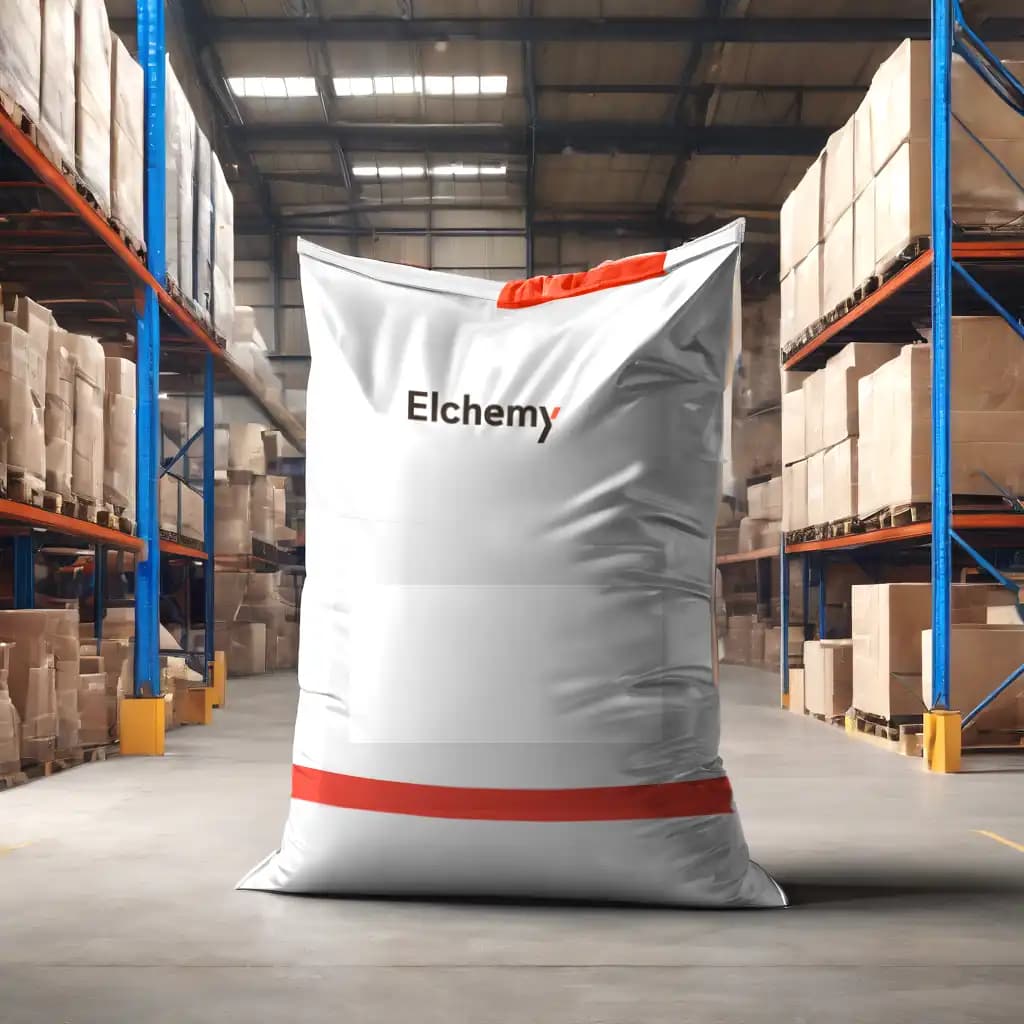
Citrus Pectin
ELVISCTM – CP

Get Pricing for This Product
Need pricing? Request a quote for this product and we'll get back to you shortly.
 Free Samples Available
Speed Up Your Sample Testing Process
We deliver domestic samples within 24 - 48 hours, helping you evaluate product without delays.
Citrus Pectin is a natural polysaccharide extracted from citrus fruits, widely used as a gelling agent, thickener, and stabilizer in the food industry. It is also utilized in pharmaceuticals and…
CAS Number
9000-69-5
HS Code
13022000
INCI Name
-
Molecular Formula
C6H10O7 (repeating unit)
Citrus Pectin
ELVISCTM – CP
Citrus Pectin is a natural polysaccharide extracted from citrus fruits, widely used as a gelling agent, thickener, and stabilizer in the food industry. It is also utilized in pharmaceuticals and cosmetics for its binding and emulsifying properties. Known for its ability to form…
CAS Number
9000-69-5
INCI Name
-
HS Code
13022000
Molecular Formula
C6H10O7 (repeating unit)
Get Pricing for This Product
Need pricing? Request a quote for this product and we'll get back to you shortly.
Free Samples AvailableSpeed Up Your Sample Testing Process
We deliver domestic samples within 24 - 48 hours, helping you evaluate product without delays.
 By
By
Specialty chemicals, delivered right
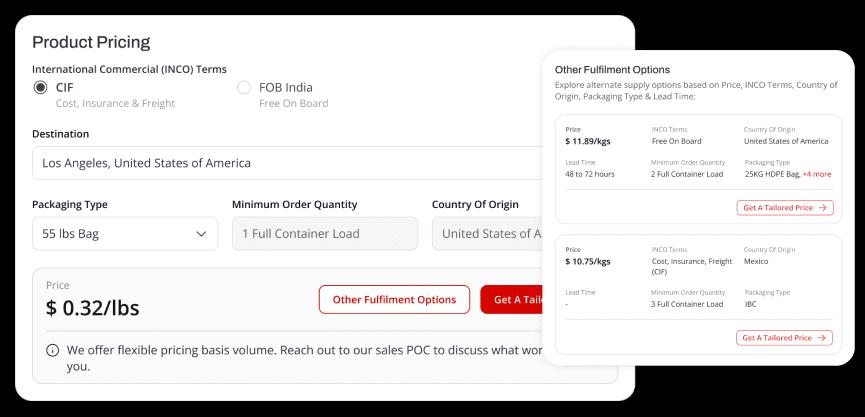
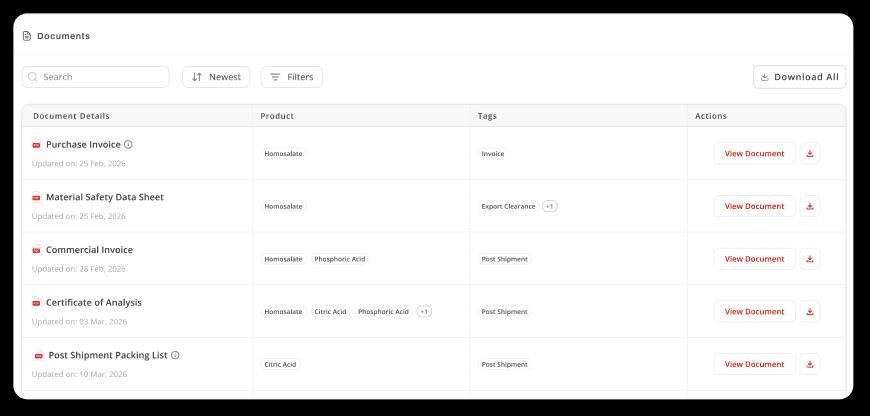
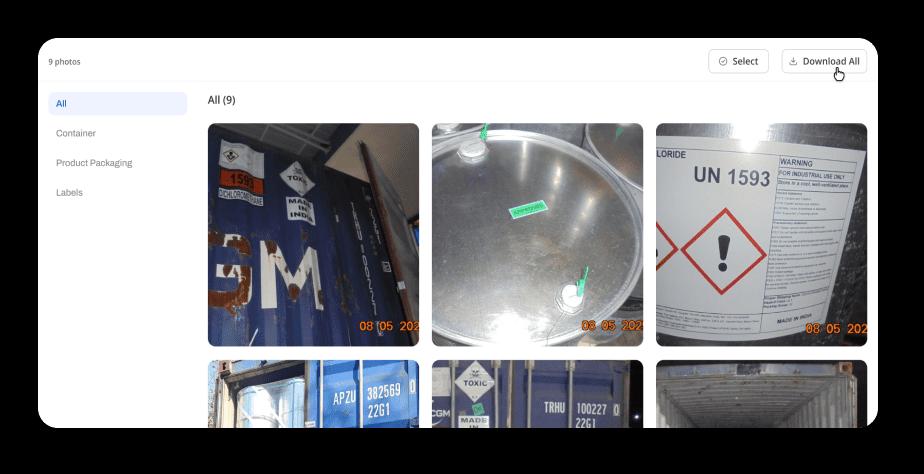
Access live, grade-specific pricing for every chemical, so your teams talks with data, not intuition on Elixir.
Compare fulfilment options across grades, INCO terms, origins, and lead times: all in one platform.

Live, transparent pricing
Real-time quotes across 12,000+ specialty chemicals.

About Citrus Pectin
Citrus Pectin, a natural polysaccharide, is a versatile ingredient used across various industries. As a key component in the food industry, it acts as a gelling agent, thickener, and stabilizer, particularly in jams, jellies, and dairy products. Its ability to form gels in acidic environments makes it indispensable in fruit-based products. In pharmaceuticals, Citrus Pectin is valued for its binding properties, enhancing the cohesion and mechanical strength of tablets. The cosmetic industry benefits from its emulsifying capabilities, which help blend oil and water-based ingredients, improving product stability and texture. Citrus Pectin manufacturers focus on producing high-quality, consistent products to meet the diverse needs of these industries. The production process is carefully controlled to ensure purity and performance, aligning with the growing demand for natural and sustainable ingredients. As a biodegradable and renewable resource, Citrus Pectin is an eco-friendly choice, supporting the trend towards greener manufacturing practices. Its widespread use underscores its importance as a fundamental ingredient in modern industry.
- Natural Gelling Agent: Essential for jams and jellies, providing the desired texture and consistency.
- Versatile Thickener: Enhances mouthfeel and stability in dairy products and beverages.
- Effective Stabilizer: Maintains emulsion stability in dressings and sauces.
- Pharmaceutical Binder: Improves tablet cohesion and mechanical strength.
- Eco-Friendly Ingredient: Biodegradable and renewable, supporting sustainable manufacturing practices.
About Citrus Pectin
Citrus Pectin, a natural polysaccharide, is a versatile ingredient used across various industries. As a key component in the food industry, it acts as a gelling agent, thickener, and stabilizer, particularly in jams, jellies, and dairy products. Its ability to form gels in acidic environments makes it indispensable in fruit-based products. In pharmaceuticals, Citrus Pectin is valued for its binding properties, enhancing the cohesion and mechanical strength of tablets. The cosmetic industry benefits from its emulsifying capabilities, which help blend oil and water-based ingredients, improving product stability and texture. Citrus Pectin manufacturers focus on producing high-quality, consistent products to meet the diverse needs of these industries. The production process is carefully controlled to ensure purity and performance, aligning with the growing demand for natural and sustainable ingredients. As a biodegradable and renewable resource, Citrus Pectin is an eco-friendly choice, supporting the trend towards greener manufacturing practices. Its widespread use underscores its importance as a fundamental ingredient in modern industry.
- Natural Gelling Agent: Essential for jams and jellies, providing the desired texture and consistency.
- Versatile Thickener: Enhances mouthfeel and stability in dairy products and beverages.
- Effective Stabilizer: Maintains emulsion stability in dressings and sauces.
- Pharmaceutical Binder: Improves tablet cohesion and mechanical strength.
- Eco-Friendly Ingredient: Biodegradable and renewable, supporting sustainable manufacturing practices.
FAQs - Citrus Pectin

Streamline
Your Chemical
Procurement
Get fast responses from real experts