Cinnamic Alcohol
ELAROMATM – CAO

Get Pricing for This Product
Need pricing? Request a quote for this product and we'll get back to you shortly.
 Free Samples Available
Speed Up Your Sample Testing Process
We deliver domestic samples within 24 - 48 hours, helping you evaluate product without delays.
Cinnamic Alcohol is a fragrant organic compound commonly used in the flavors and fragrance industry. It is known for its sweet, balsamic, and floral aroma, making it a popular ingredient in perfumes…
CAS Number
104-54-1
HS Code
29062900
INCI Name
Cinnamic Alcohol
Molecular Formula
C₉H₁₀O
Cinnamic Alcohol
ELAROMATM – CAO
Cinnamic Alcohol is a fragrant organic compound commonly used in the flavors and fragrance industry. It is known for its sweet, balsamic, and floral aroma, making it a popular ingredient in perfumes and cosmetics. Additionally, it serves as a flavoring agent in food products,…
CAS Number
104-54-1
INCI Name
Cinnamic Alcohol
HS Code
29062900
Molecular Formula
C₉H₁₀O
Get Pricing for This Product
Need pricing? Request a quote for this product and we'll get back to you shortly.
Free Samples AvailableSpeed Up Your Sample Testing Process
We deliver domestic samples within 24 - 48 hours, helping you evaluate product without delays.
 By
By
Specialty chemicals, delivered right
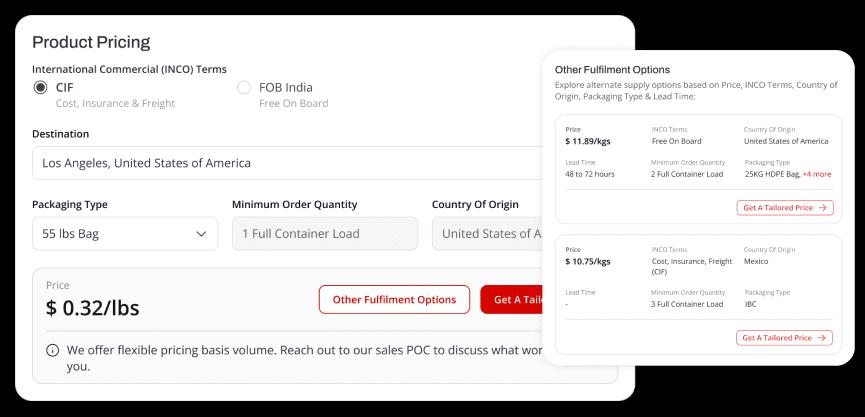
Access live, grade-specific pricing for every chemical, so your teams talks with data, not intuition on Elixir.
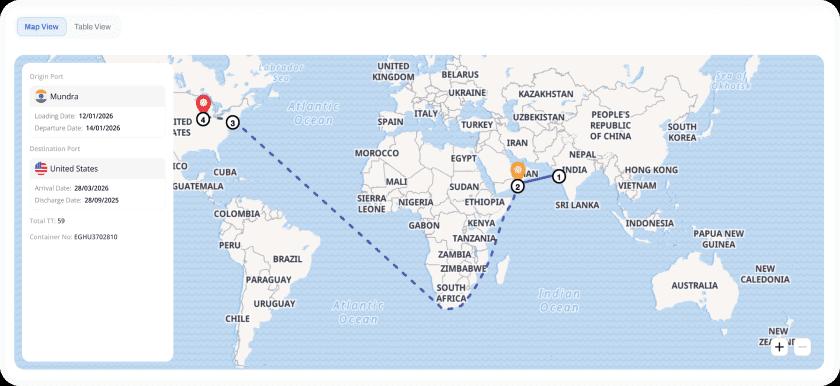
Compare fulfilment options across grades, INCO terms, origins, and lead times: all in one platform.

Live, transparent pricing
Real-time quotes across 12,000+ specialty chemicals.
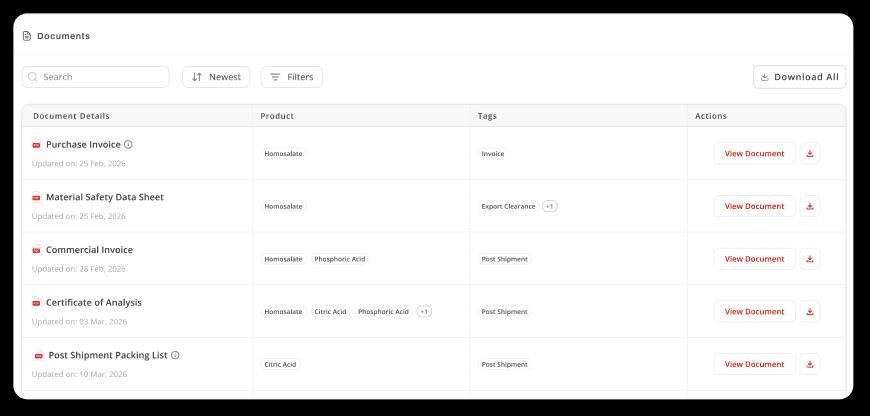
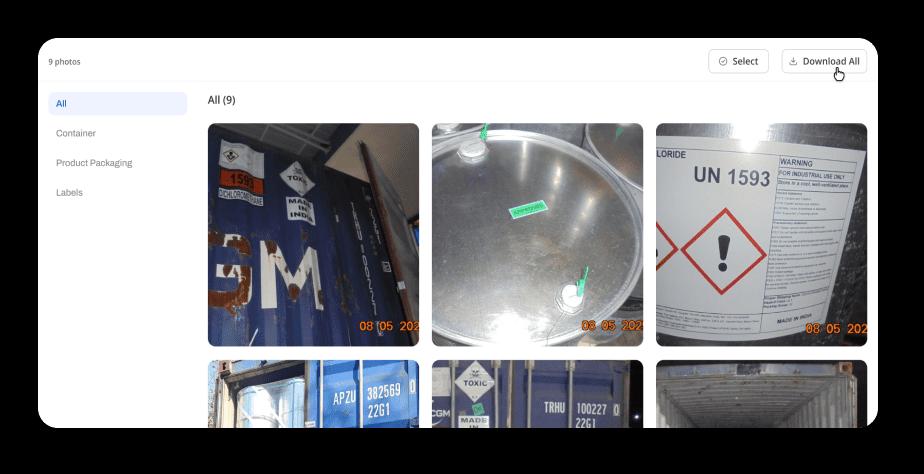
Product Specification
Physical Properties
| Property | Specification |
|---|---|
| Appearance | White to yellowish crystalline solid |
| Odor | Pleasant, floral |
| Molecular Weight (G/Mol) | 134.2 |
| Density Or Specific Gravity | 1.0397 @ 35 °C/35 °C |
| Refractive Index | 1.5819 |
Chemical Properties
| Property | Specification |
|---|---|
| Pka | 0.852[at 20 ℃] |
Thermal Properties
| Property | Specification |
|---|---|
| Melting Point | 33 °C |
| Boiling Point | 250.0 °C @ 760 MM HG |
| Flash Point | 126 °C |
Processing Methods & Reference Formulations
A. Perfume
Blend with floral, oriental, or woody accords like jasmine, rose, or sandalwood to enhance depth and softness. Dissolve in the perfume concentrate before adding alcohol to ensure even distribution and stability.
| Key Ingredients | Indicative Dosage (% w/w) |
|---|---|
| Cinnamic Alcohol | 0.06% |
| Benzyl Acetate | 8% |
| Phenylethyl Alcohol | 20% |
| Linalool | 10% |
| Geraniol | 10% |
| Iso E Super | 15% |
| Hedione | 15% |
| Musk (Galaxolide 50%) | 10% |
| Vanillin | 5% |
| Fixative base (e.g., DPG) | ~7% |
B. Shampoo
Add during the cool-down phase, to preserve its aromatic properties and prevent evaporation. Pre-mix with a solubilizer to ensure proper dispersion in the water-based shampoo.
| Key Ingredients | Indicative Dosage (% w/w) |
|---|---|
| Sodium Laureth Sulfate | 20.0% |
| Cocamidopropyl Betaine | 5.0% |
| Cocoamphodiacetate | 3.0% |
| Glycerin | 3.0% |
| Citric Acid | 1.5% |
| Fragrance Blend | 0.5% |
| Cinnamyl Alcohol | 0.76% |
| Sodium Chloride | 0.5% |
| Polyquaternium or Conditioning Polymer | 0.3% |
| Preservative (e.g. Phenoxyethanol) | 0.5% |
| Disodium EDTA | 0.1% |
| Water | ~65% |
C. Soap
Add during the fragrance phase, when the soap mixture cools below 45°C, to avoid evaporation and preserve scent. Pre-blend with fragrance oils or a solubilizer for better distribution in both cold and hot process soaps.
| Key Ingredients | Indicative Dosage (% w/w) |
|---|---|
| Sodium palmitate / stearate | 70% |
| Glycerin | 5% |
| Water | 15% |
| Fragrance blend | ~10.0% |
| Cinnamyl (Cinnamic) Alcohol | 0.5% |
D. Cream
Use at low levels, as it has a sweet, floral-balsamic scent and potential for sensitization at higher concentrations. Add during the cool-down phase, to preserve fragrance integrity and prevent evaporation. Pre-mix with the oil phase or a solubilizer to ensure proper dispersion in the emulsion.
| Key Ingredients | Indicative Dosage (% w/w) |
|---|---|
| Water | 75% |
| Glycerin | 5% |
| Cetearyl Alcohol | 5% |
| Caprylic/Capric Triglyceride | 5% |
| Glyceryl Stearate | 4% |
| Dimethicone | 2% |
| Phenoxyethanol | 0.8% |
| Cinnamic Alcohol | 0.2% |
| Fragrance | 2% |
Dosing Guidelines
A. Products
| Products | Authorized dosage |
|---|---|
| Perfume/Fragrance | 0.01% – 0.06% |
| Leave-on Cosmetics | Up to 0.4% |
About Cinnamic Alcohol
Cinnamic Alcohol, also known as cinnamyl alcohol, is a versatile compound with a sweet, balsamic aroma. It is widely used in the fragrance industry to create perfumes and scented products. As a flavoring agent, it enhances the sensory profile of food products, adding a unique sweet and spicy note. Cinnamic Alcohol manufacturers focus on producing high-purity compounds to meet the stringent demands of the fragrance and flavor industries. The production process is carefully controlled to ensure consistency and stability, which are crucial for the compound's effectiveness in various applications. Sustainability is an increasing focus for Cinnamic Alcohol manufacturers, with many adopting greener practices to minimize their environmental impact. These efforts include optimizing energy use during production and reducing waste emissions. The trend toward eco-friendly manufacturing aligns with the growing demand for sustainable raw materials in the chemical industry. Beyond its role in fragrances and flavors, Cinnamic Alcohol is also used in cosmetics and personal care products for its pleasant aroma and potential skin-conditioning properties. Its widespread use across multiple sectors underscores the importance of Cinnamic Alcohol as a fundamental compound in modern industry.
- Sweet, Floral Aroma: Ideal for use in perfumes and scented products.
- High Purity Standards: Ensures performance in fragrance and flavor applications.
- Eco-Friendly Production: Focus on minimizing energy use and waste.
- Versatile Flavoring Agent: Enhances the sensory profile of food products.
- Cosmetic Additive: Provides a pleasant aroma and potential skin-conditioning properties.
About Cinnamic Alcohol
Cinnamic Alcohol, also known as cinnamyl alcohol, is a versatile compound with a sweet, balsamic aroma. It is widely used in the fragrance industry to create perfumes and scented products. As a flavoring agent, it enhances the sensory profile of food products, adding a unique sweet and spicy note. Cinnamic Alcohol manufacturers focus on producing high-purity compounds to meet the stringent demands of the fragrance and flavor industries. The production process is carefully controlled to ensure consistency and stability, which are crucial for the compound's effectiveness in various applications. Sustainability is an increasing focus for Cinnamic Alcohol manufacturers, with many adopting greener practices to minimize their environmental impact. These efforts include optimizing energy use during production and reducing waste emissions. The trend toward eco-friendly manufacturing aligns with the growing demand for sustainable raw materials in the chemical industry. Beyond its role in fragrances and flavors, Cinnamic Alcohol is also used in cosmetics and personal care products for its pleasant aroma and potential skin-conditioning properties. Its widespread use across multiple sectors underscores the importance of Cinnamic Alcohol as a fundamental compound in modern industry.
- Sweet, Floral Aroma: Ideal for use in perfumes and scented products.
- High Purity Standards: Ensures performance in fragrance and flavor applications.
- Eco-Friendly Production: Focus on minimizing energy use and waste.
- Versatile Flavoring Agent: Enhances the sensory profile of food products.
- Cosmetic Additive: Provides a pleasant aroma and potential skin-conditioning properties.
Regulatory Compliance
| Region | Max Allowed Level | Notes | Certification Body |
|---|---|---|---|
| Australia | 1.2% | No explicit national limit; aligns with IFRA and international safety assessments | - |
| China | 1.2% | No explicit national restriction; generally aligns with IFRA and international safety standards | NMPA - National Medical Products Administration |
| Japan | 1.2% | No explicit national restriction; follows IFRA guidelines for fragrance ingredients. | MHLW – Ministry of Health, Labour and Welfare |
| Republic of Korea | 1.2% | No explicit national restriction | MFDS - Ministry of Food and Drug Safety |
| United States | 1.2% | Not specifically restricted by FDA; industry follows IFRA Standard | FDA |
| ASEAN | 1.2% | ASEAN Cosmetic Directive references IFRA for fragrance allergens | - |
| European Union | 1.2% | Not listed as restricted. Must comply with general safety requirements. | - |
FAQs - Cinnamic Alcohol

Streamline
Your Chemical
Procurement
Get fast responses from real experts