Products
Our Technology
Sustainability & Compliance

Home/Products/CAA (Cocamidopropyl Amine)

CAA (Cocamidopropyl Amine)
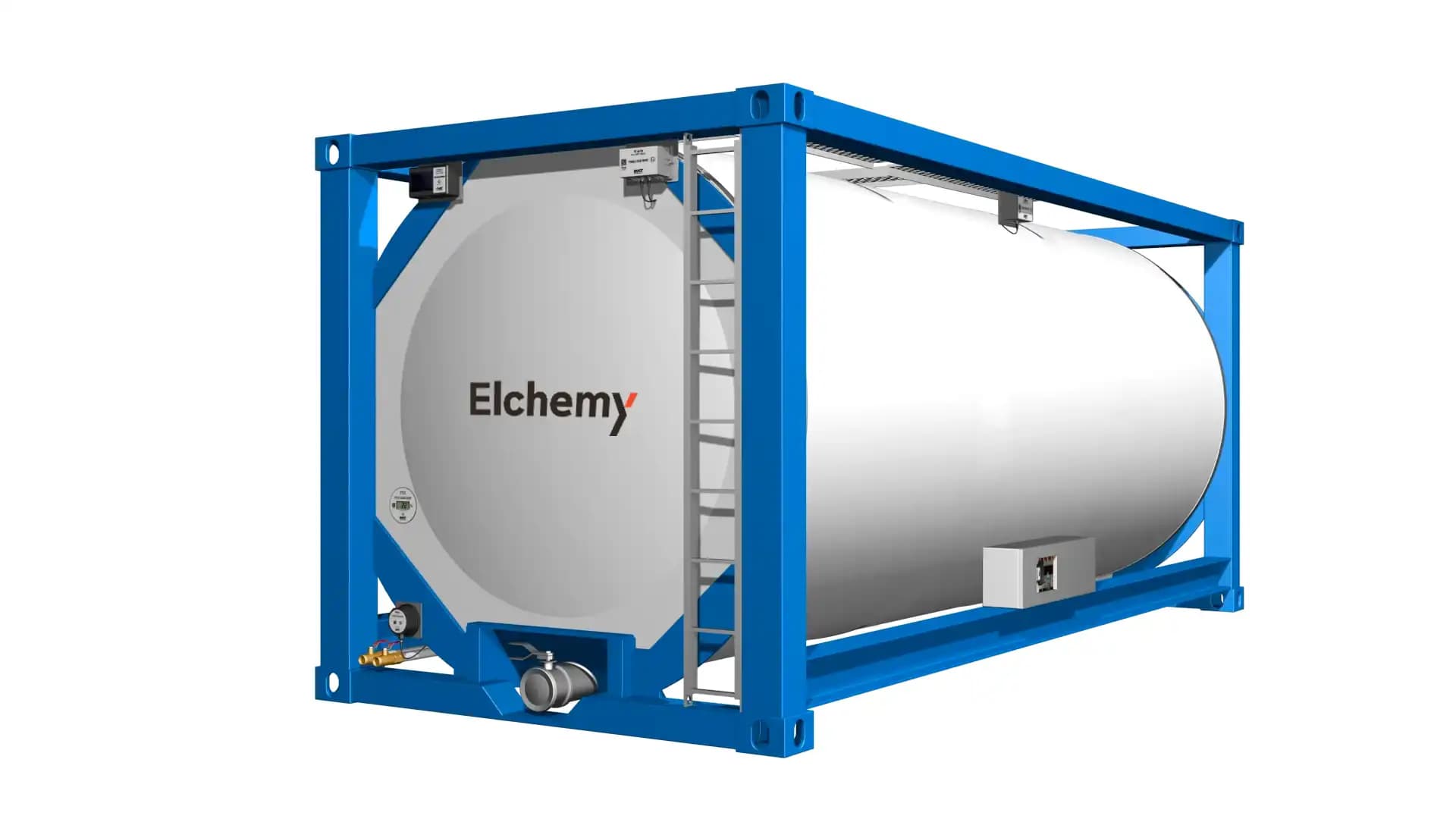
ISO Tanks

CAA (Cocamidopropyl Amine)

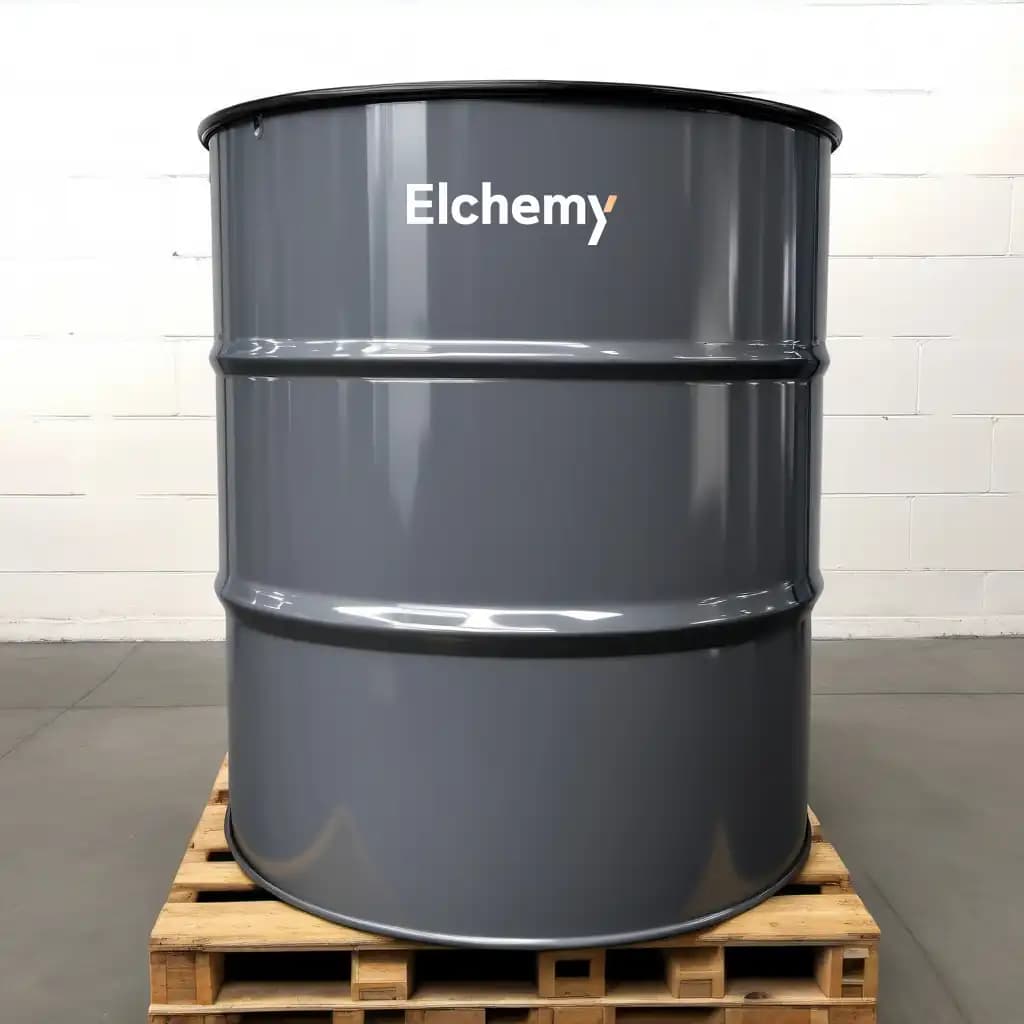
GI Drums

CAA (Cocamidopropyl Amine)

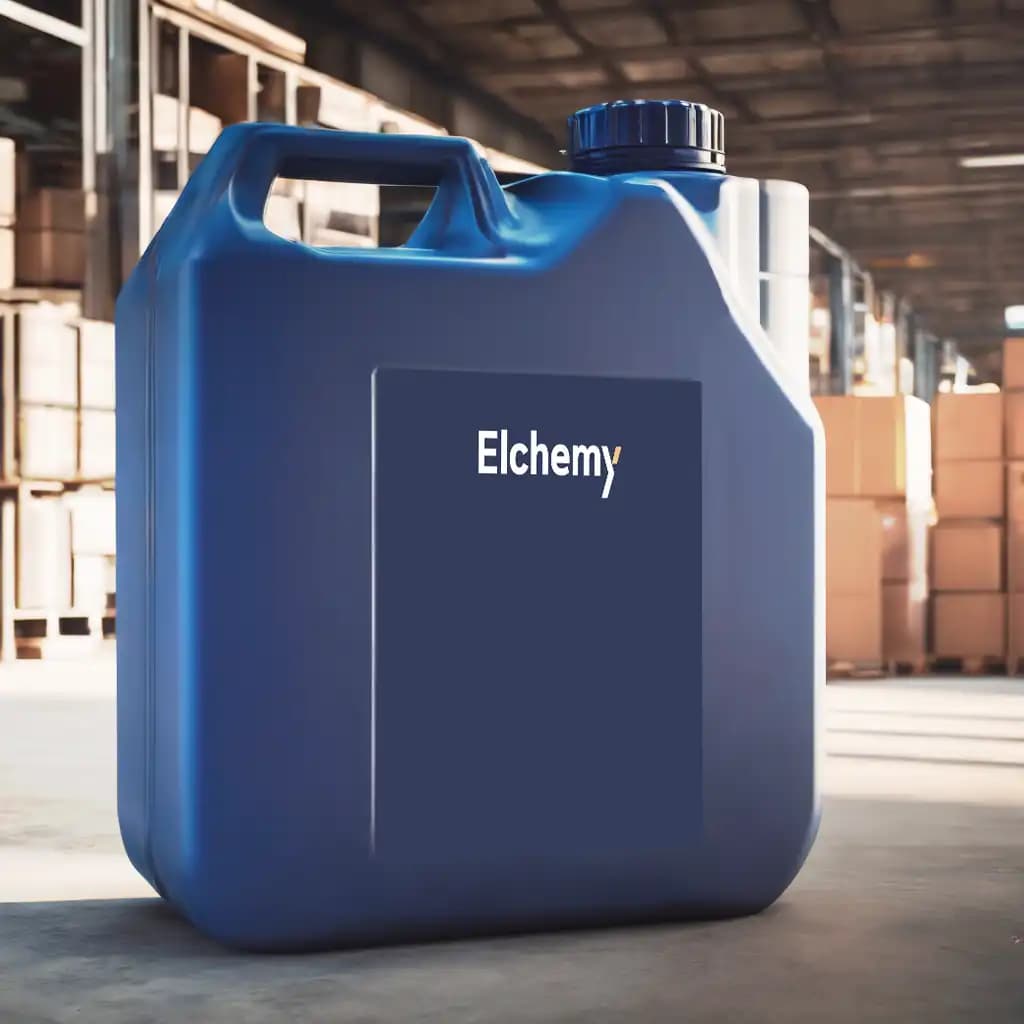
Jerry Can

CAA (Cocamidopropyl Amine)

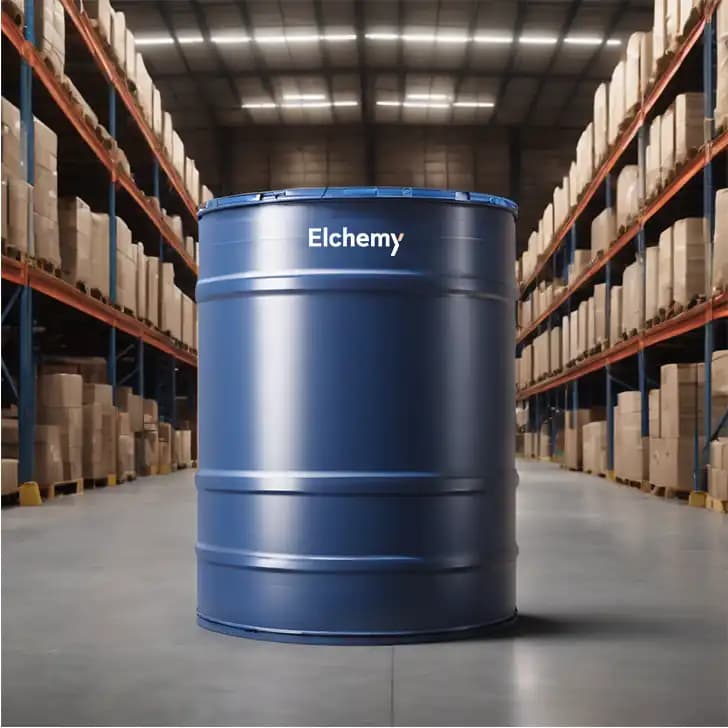
HDPE Drums

CAA (Cocamidopropyl Amine)

CAA (Cocamidopropyl Amine)

Cocamidopropyl Amine is a versatile surfactant derived from coconut oil, valued for its excellent foaming, cleansing, and conditioning properties, widely utilized in personal care formulations due to its mildness, biodegradability, and compatibility with diverse formulation types.

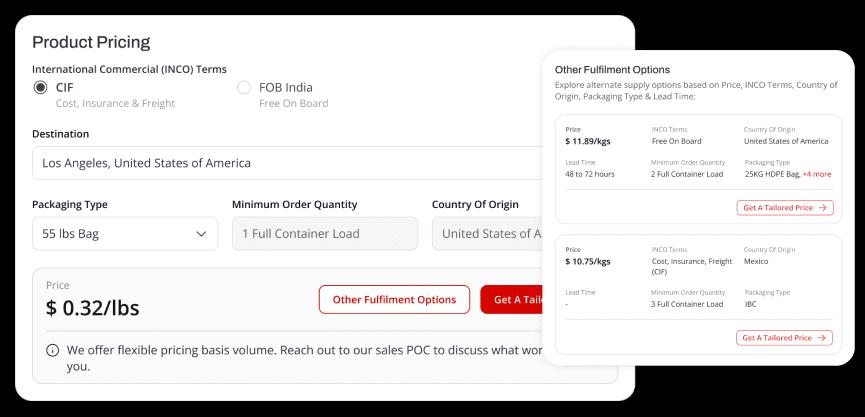
Get Pricing for This Product

Need pricing? Request a quote for this product and we'll get back to you shortly.

Speed Up Your Sample Testing Process

Express Delivery in 24–48 Hours

CAS Number

68650-39-5

HS Code

3402.13.00

Molecular Formula

C(n)H(2n+1)CONHC3H6N(CH3)2

INCI Name

-

Home/Products/CAA (Cocamidopropyl Amine)

CAA (Cocamidopropyl Amine)

Cocamidopropyl Amine is a versatile surfactant derived from coconut oil, valued for its excellent foaming, cleansing, and conditioning properties, widely utilized in personal care formulations due to its mildness, biodegradability, and compatibility with diverse formulation

CAS Number

68650-39-5

INCI Name

-

HS Code

3402.13.00

Molecular Formula

C(n)H(2n+1)CONHC3H6N(CH3)2

Get Pricing for This Product

Need pricing? Request a quote for this product and we'll get back to you shortly.

Speed Up Your Sample Testing Process

We deliver domestic samples within 24 - 48 hours, helping you evaluate products and move to procurement without delays.

CAA (Cocamidopropyl Amine)
ISO Tanks

CAA (Cocamidopropyl Amine)

GI Drums

CAA (Cocamidopropyl Amine)

Jerry Can

CAA (Cocamidopropyl Amine)

HDPE Drums

CAA (Cocamidopropyl Amine)

About CAA (Cocamidopropyl Amine)

About CAA (Cocamidopropyl Amine)

FAQs - CAA (Cocamidopropyl Amine)

How does CAA differ from other surfactants derived from coconut oil?
CAA offers a unique balance of cleansing efficacy and mildness, providing conditioning benefits not typically found in standard coconut-derived surfactants. This makes it especially suitable for 2-in-1 formulations.
Is CAA compatible with sensitive skin formulations?
While generally mild, CAA should be used at appropriate concentrations in sensitive skin formulations, and patch testing is recommended due to potential sensitization in a small percentage of users.
How does CAA perform in cold processing conditions?
CAA can be incorporated in cold-process formulations, though pre-warming to 30–35°C improves handling and incorporation efficiency.
Can CAA be used in sulfate-free formulations?
Yes, CAA is an excellent choice for sulfate-free systems, providing good foaming and cleansing without the use of sulfate-based surfactants.
What is the recommended usage concentration of CAA in personal care products?
Typical use levels range from 1–5% in rinse-off products and 0.5–2% in leave-on formulations, depending on the desired properties and formulation type.

Related Products

Ammonium Lauryl Sulfate (ALS)

Ammonium Lauryl Sulfate (ALS)

Ammonium Lauryl Sulfate belongs to the class of anionic surfactants. The ammonium group in ALS makes it water-soluble. The ability of ALS to create a rich lather contributes to its effectiveness in removing dirt, oil, and other impurities from the skin and hair, making it a popular ingredient in products such as shampoos, body washes, and facial cleansers.

View Details
Oleic Acid

Oleic Acid

Oleic acid is a monounsaturated fatty acid found in various plant oils (like olive and canola) and animal fats, commonly used in cooking, cosmetics, and industrial applications. It offers cardiovascular and anti-inflammatory benefits, making it valuable for both health and product formulations. It is classified as an omega-9 fatty acid.

View Details
Lauric Acid

Lauric Acid

Lauric acid, a saturated fatty acid found in coconut oil and palm kernel oil, is widely used in the home and personal care industry due to its antimicrobial properties and emulsifying abilities.Lauric acid’s versatility, gentle nature, and effectiveness make it a staple ingredient in home and personal care formulations.

View Details

Related Products

Ammonium Lauryl Sulfate (ALS)

Ammonium Lauryl Sulfate (ALS)

Ammonium Lauryl Sulfate belongs to the class of anionic surfactants. The ammonium group in ALS makes it water-soluble. The ability of ALS to create a rich lather contributes to its effectiveness in removing dirt, oil, and other impurities from the skin and hair, making it a popular ingredient in products such as shampoos, body washes, and facial cleansers.

View Details
Oleic Acid

Oleic Acid

Oleic acid is a monounsaturated fatty acid found in various plant oils (like olive and canola) and animal fats, commonly used in cooking, cosmetics, and industrial applications. It offers cardiovascular and anti-inflammatory benefits, making it valuable for both health and product formulations. It is classified as an omega-9 fatty acid.

View Details
Lauric Acid

Lauric Acid

Lauric acid, a saturated fatty acid found in coconut oil and palm kernel oil, is widely used in the home and personal care industry due to its antimicrobial properties and emulsifying abilities.Lauric acid’s versatility, gentle nature, and effectiveness make it a staple ingredient in home and personal care formulations.

View Details

Streamline
your chemical
procurement

Get fast responses from real experts

Phone