
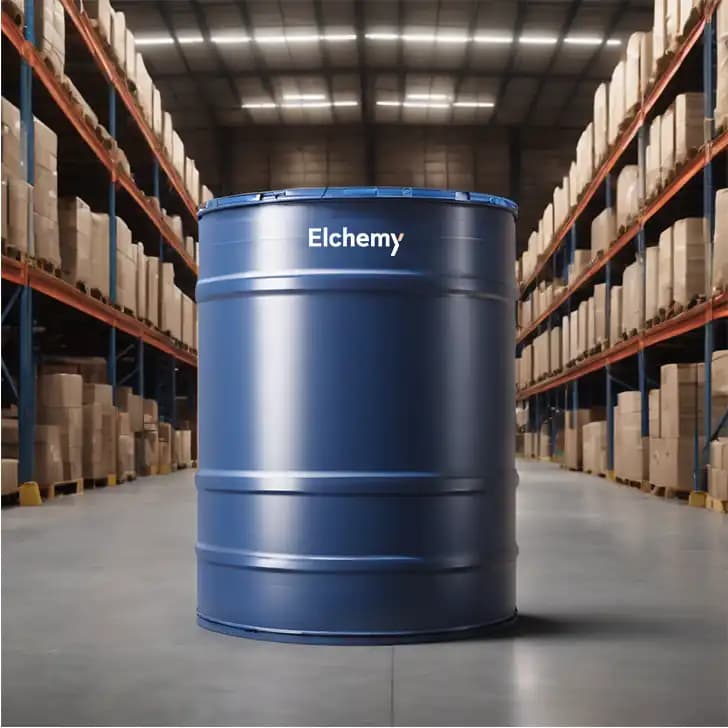
C6-10 Alcohol
ELHUMETM – OC610

Get Pricing for This Product
Need pricing? Request a quote for this product and we'll get back to you shortly.
 Free Samples Available
Speed Up Your Sample Testing Process
We deliver domestic samples within 24 - 48 hours, helping you evaluate product without delays.
C6-10 Alcohol is a mixture of linear and branched alcohols with carbon chain lengths ranging from six to ten. It is commonly used in the production of surfactants, lubricants, and plasticizers. This…
CAS Number
64365-05-05
HS Code
29051900
INCI Name
-
Molecular Formula
C6H14O - C10H22O
C6-10 Alcohol
ELHUMETM – OC610
C6-10 Alcohol is a mixture of linear and branched alcohols with carbon chain lengths ranging from six to ten. It is commonly used in the production of surfactants, lubricants, and plasticizers. This versatile chemical is valued for its ability to enhance the performance of…
CAS Number
64365-05-05
INCI Name
-
HS Code
29051900
Molecular Formula
C6H14O - C10H22O
Get Pricing for This Product
Need pricing? Request a quote for this product and we'll get back to you shortly.
Free Samples AvailableSpeed Up Your Sample Testing Process
We deliver domestic samples within 24 - 48 hours, helping you evaluate product without delays.
 By
By
Specialty chemicals, delivered right
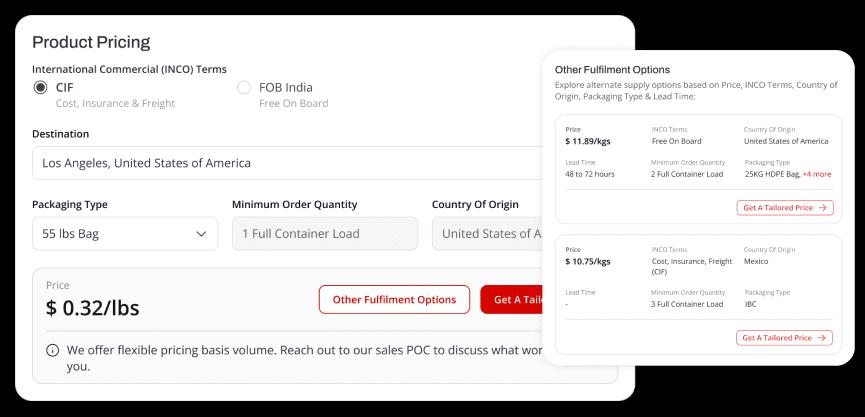
Access live, grade-specific pricing for every chemical, so your teams talks with data, not intuition on Elixir.
Compare fulfilment options across grades, INCO terms, origins, and lead times: all in one platform.

Live, transparent pricing
Real-time quotes across 12,000+ specialty chemicals.

About C6-10 Alcohol
C6-10 Alcohol, also known as a mixture of linear and branched alcohols, is a versatile chemical compound widely used in various industries. As a key ingredient in the production of surfactants, it plays a crucial role in enhancing the cleaning efficiency of detergents and cleaning products. In the plastic industry, C6-10 Alcohol serves as an intermediate in the manufacture of plasticizers, which improve the flexibility and durability of plastics. Additionally, it is utilized in lubricant formulations to enhance viscosity and reduce friction, thereby extending the lifespan of mechanical systems. In personal care products, C6-10 Alcohol acts as an emollient and solvent, improving the texture and absorption of creams and lotions. Its solvent properties also make it valuable in industrial applications, where it facilitates chemical reactions and processes. C6-10 Alcohol manufacturers and suppliers focus on producing high-quality products to meet the diverse needs of global markets, particularly in North America. The production process is carefully controlled to ensure consistency and stability, as these qualities are crucial for the compound's effectiveness in various applications. Sustainability is an increasing focus for C6-10 Alcohol manufacturers, with many adopting greener practices to minimize their environmental impact. These efforts include optimizing energy use during production and reducing waste emissions. The trend toward eco-friendly manufacturing aligns with the growing demand for sustainable raw materials in the chemical industry.
- Versatile Chemical Compound: Used in surfactants, lubricants, and plasticizers, enhancing performance across industries.
- High Purity Standards: Ensures effectiveness in diverse applications, including personal care and industrial processes.
- Eco-Friendly Production: Focus on minimizing energy use and waste, aligning with sustainable practices.
- Effective Solvent: Facilitates chemical reactions and processes in industrial applications.
- Enhances Product Performance: Improves texture and absorption in personal care products, and reduces friction in lubricants.
About C6-10 Alcohol
C6-10 Alcohol, also known as a mixture of linear and branched alcohols, is a versatile chemical compound widely used in various industries. As a key ingredient in the production of surfactants, it plays a crucial role in enhancing the cleaning efficiency of detergents and cleaning products. In the plastic industry, C6-10 Alcohol serves as an intermediate in the manufacture of plasticizers, which improve the flexibility and durability of plastics. Additionally, it is utilized in lubricant formulations to enhance viscosity and reduce friction, thereby extending the lifespan of mechanical systems. In personal care products, C6-10 Alcohol acts as an emollient and solvent, improving the texture and absorption of creams and lotions. Its solvent properties also make it valuable in industrial applications, where it facilitates chemical reactions and processes. C6-10 Alcohol manufacturers and suppliers focus on producing high-quality products to meet the diverse needs of global markets, particularly in North America. The production process is carefully controlled to ensure consistency and stability, as these qualities are crucial for the compound's effectiveness in various applications. Sustainability is an increasing focus for C6-10 Alcohol manufacturers, with many adopting greener practices to minimize their environmental impact. These efforts include optimizing energy use during production and reducing waste emissions. The trend toward eco-friendly manufacturing aligns with the growing demand for sustainable raw materials in the chemical industry.
- Versatile Chemical Compound: Used in surfactants, lubricants, and plasticizers, enhancing performance across industries.
- High Purity Standards: Ensures effectiveness in diverse applications, including personal care and industrial processes.
- Eco-Friendly Production: Focus on minimizing energy use and waste, aligning with sustainable practices.
- Effective Solvent: Facilitates chemical reactions and processes in industrial applications.
- Enhances Product Performance: Improves texture and absorption in personal care products, and reduces friction in lubricants.
FAQs - C6-10 Alcohol

Streamline
Your Chemical
Procurement
Get fast responses from real experts