
Products
Our Technology
Sustainability & Compliance

Home/Products/C12-C14 Alkyl Glycidyl Ether

C12-C14 Alkyl Glycidyl Ether
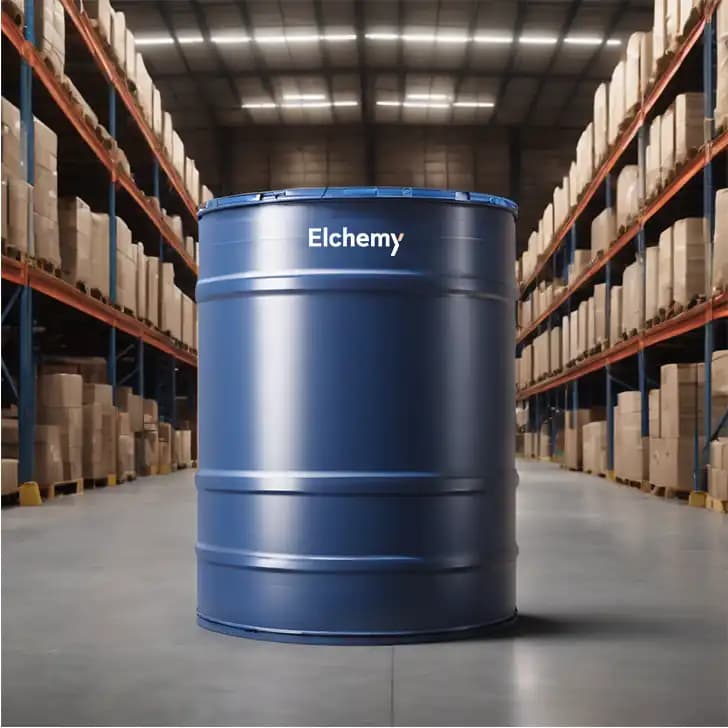
HDPE Drums

C12-C14 Alkyl Glycidyl Ether

ELRASATM – AGE C1214

C12-C14 Alkyl Glycidyl Ether is a versatile chemical used primarily as a reactive diluent in epoxy resin systems. It enhances the flexibility and workability of epoxy formulations, making it suitable for coatings, adhesives, and sealants. Its low viscosity and excellent chemical resistance make it a preferred choice in industrial applications.

Get Pricing for This Product

Need pricing? Request a quote for this product and we'll get back to you shortly.

Speed Up Your Sample Testing Process

Express Delivery in 24–48 Hours

CAS Number

68609-97-2

HS Code

39073000

Molecular Formula

C15H28O2

INCI Name

-

Home/Products/C12-C14 Alkyl Glycidyl Ether

C12-C14 Alkyl Glycidyl Ether

ELRASATM – AGE C1214

C12-C14 Alkyl Glycidyl Ether is a versatile chemical used primarily as a reactive diluent in epoxy resin systems. It enhances the flexibility and workability of epoxy formulations, making it suitable for coatings, adhesives, and sealants. Its low viscosity and excellent chemical

CAS Number

68609-97-2

INCI Name

-

HS Code

39073000

Molecular Formula

C15H28O2

Get Pricing for This Product

Need pricing? Request a quote for this product and we'll get back to you shortly.

Speed Up Your Sample Testing Process

We deliver domestic samples within 24 - 48 hours, helping you evaluate products and move to procurement without delays.

C12-C14 Alkyl Glycidyl Ether
HDPE Drums

About C12-C14 Alkyl Glycidyl Ether

C12-C14 Alkyl Glycidyl Ether, known for its role as a reactive diluent, is a crucial component in epoxy resin formulations. It is widely used in the coatings, adhesives, and sealants industries due to its ability to enhance flexibility and reduce viscosity. As a preferred choice among manufacturers and suppliers, it offers excellent chemical resistance and low viscosity, making it ideal for industrial applications. The product's versatility and performance make it a staple in the production of high-quality epoxy systems. Manufacturers focus on producing a consistent and high-purity product to meet the stringent demands of various industries. The production process is optimized to ensure stability and performance, aligning with the growing demand for reliable raw materials in the chemical industry. Sustainability is also a key focus, with efforts to minimize environmental impact through efficient production practices. C12-C14 Alkyl Glycidyl Ether is a valuable asset in the formulation of durable and effective epoxy products, underscoring its importance in modern industrial applications.

  • Versatile Reactive Diluent: Enhances flexibility and reduces viscosity in epoxy systems, improving workability.
  • Excellent Chemical Resistance: Provides durability and protection in harsh environments, ideal for industrial coatings.
  • Low Viscosity: Facilitates easy mixing and application, ensuring smooth processing in various formulations.
  • Improves Adhesion: Enhances bonding strength in adhesives and sealants, ensuring reliable performance.
  • Consistent Quality: Manufactured to high purity standards, ensuring consistent performance across applications.

About C12-C14 Alkyl Glycidyl Ether

C12-C14 Alkyl Glycidyl Ether, known for its role as a reactive diluent, is a crucial component in epoxy resin formulations. It is widely used in the coatings, adhesives, and sealants industries due to its ability to enhance flexibility and reduce viscosity. As a preferred choice among manufacturers and suppliers, it offers excellent chemical resistance and low viscosity, making it ideal for industrial applications. The product's versatility and performance make it a staple in the production of high-quality epoxy systems. Manufacturers focus on producing a consistent and high-purity product to meet the stringent demands of various industries. The production process is optimized to ensure stability and performance, aligning with the growing demand for reliable raw materials in the chemical industry. Sustainability is also a key focus, with efforts to minimize environmental impact through efficient production practices. C12-C14 Alkyl Glycidyl Ether is a valuable asset in the formulation of durable and effective epoxy products, underscoring its importance in modern industrial applications.

  • Versatile Reactive Diluent: Enhances flexibility and reduces viscosity in epoxy systems, improving workability.
  • Excellent Chemical Resistance: Provides durability and protection in harsh environments, ideal for industrial coatings.
  • Low Viscosity: Facilitates easy mixing and application, ensuring smooth processing in various formulations.
  • Improves Adhesion: Enhances bonding strength in adhesives and sealants, ensuring reliable performance.
  • Consistent Quality: Manufactured to high purity standards, ensuring consistent performance across applications.

FAQs - C12-C14 Alkyl Glycidyl Ether

What is C12-C14 Alkyl Glycidyl Ether used for?
It is primarily used as a reactive diluent in epoxy resin systems to enhance flexibility and reduce viscosity.
Is C12-C14 Alkyl Glycidyl Ether safe to use?
Yes, when handled according to safety guidelines, it is safe for use in industrial applications.
What are the storage conditions for C12-C14 Alkyl Glycidyl Ether?
Store in a cool, dry place away from direct sunlight and sources of ignition.

Related Products

Benzyl Chloride

Benzyl Chloride

Benzyl chloride, a colorless and reactive organochlorine compound, is a building block widely used in the manufacture of amphetamine-like compounds. U.S. It is regulated by the Drug Enforcement Administration as a Schedule II drug prodrug. It reacts with metallic magnesium to form a Grignard reagent.

View Details
Phenol

Phenol

Phenol is a white crystalline solid with a characteristic sweet, medicinal odor. It is an aromatic organic compound. Phenol finds applications as a key precursor in the production of resins, adhesives, and plastics. It is also utilized in pharmaceuticals and serves as a disinfectant.

View Details
Formaldehyde

Formaldehyde

Formaldehyde is a colorless gas with a strong odor, widely used in manufacturing building materials, resins, and household products like adhesives and disinfectants. It’s also used as a preservative in laboratories and mortuaries. Though versatile in industrial applications, formaldehyde is classified as a carcinogen, meaning long-term exposure can increase cancer risks. It’s important to handle formaldehyde carefully, especially in environments where ventilation is limited, to reduce health risks from inhalation or contact.

View Details
Salicylic Acid

Salicylic Acid

Salicylic acid is a beta-hydroxy acid derived from willow bark, distinguished by its oil-solubility, exfoliating, and anti-inflammatory properties, extensively utilized in acne treatments, exfoliants, and dermatological formulations due to its ability to penetrate sebum, clear pores, and regulate skin cell turnover.

View Details
Multi Enzyme

Multi Enzyme

Multi Enzyme is a blend of enzymes designed to enhance biochemical reactions in various industries, including food processing, textiles, and detergents. It is used to catalyze specific reactions, improving efficiency and product quality. Multi Enzyme formulations are tailored to meet the needs of specific applications, providing targeted action and optimal performance.

View Details

Related Products

Benzyl Chloride

Benzyl Chloride

Benzyl chloride, a colorless and reactive organochlorine compound, is a building block widely used in the manufacture of amphetamine-like compounds. U.S. It is regulated by the Drug Enforcement Administration as a Schedule II drug prodrug. It reacts with metallic magnesium to form a Grignard reagent.

View Details
Phenol

Phenol

Phenol is a white crystalline solid with a characteristic sweet, medicinal odor. It is an aromatic organic compound. Phenol finds applications as a key precursor in the production of resins, adhesives, and plastics. It is also utilized in pharmaceuticals and serves as a disinfectant.

View Details
Formaldehyde

Formaldehyde

Formaldehyde is a colorless gas with a strong odor, widely used in manufacturing building materials, resins, and household products like adhesives and disinfectants. It’s also used as a preservative in laboratories and mortuaries. Though versatile in industrial applications, formaldehyde is classified as a carcinogen, meaning long-term exposure can increase cancer risks. It’s important to handle formaldehyde carefully, especially in environments where ventilation is limited, to reduce health risks from inhalation or contact.

View Details
Salicylic Acid

Salicylic Acid

Salicylic acid is a beta-hydroxy acid derived from willow bark, distinguished by its oil-solubility, exfoliating, and anti-inflammatory properties, extensively utilized in acne treatments, exfoliants, and dermatological formulations due to its ability to penetrate sebum, clear pores, and regulate skin cell turnover.

View Details

Streamline
your chemical
procurement

Get fast responses from real experts

Phone