
Butylated Hydroxytoluene (BHT)
ELRASATM – BHT
Live Prices for Butylated Hydroxytoluene (BHT)
View live pricing & request bulk enquiry for this product on Elixir.
 Free Samples Available
Speed Up Your Sample Testing Process
We deliver domestic samples within 24 - 48 hours, helping you evaluate product without delays.
Butylated hydroxytoluene, commonly known as BHT, is a synthetic antioxidant that is widely used as a food additive. It is also employed in various industries, including cosmetics, pharmaceuticals, and…
CAS Number
128-37-0
HS Code
2907.19.90
INCI Name
Butylated Hydroxy Toluene (BHT)
Molecular Formula
C₁₅H₂₄O
Butylated Hydroxytoluene (BHT)
ELRASATM – BHT
Butylated hydroxytoluene, commonly known as BHT, is a synthetic antioxidant that is widely used as a food additive. It is also employed in various industries, including cosmetics, pharmaceuticals, and the rubber and petroleum industries. BHT is added to products to prevent or…
CAS Number
128-37-0
INCI Name
Butylated Hydroxy Toluene (BHT)
HS Code
2907.19.90
Molecular Formula
C₁₅H₂₄O
Live Prices for Butylated Hydroxytoluene (BHT)
View live pricing & request bulk enquiry for this product on Elixir.
Free Samples AvailableSpeed Up Your Sample Testing Process
We deliver domestic samples within 24 - 48 hours, helping you evaluate product without delays.
 By
By
Specialty chemicals, delivered right
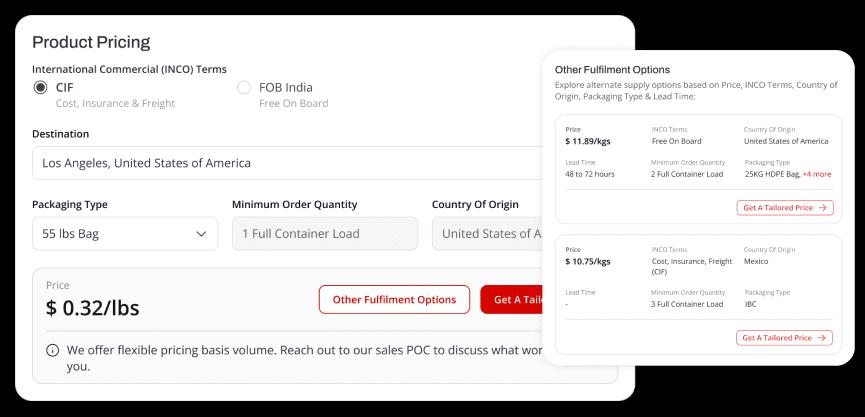
Access live, grade-specific pricing for every chemical, so your teams talks with data, not intuition on Elixir.
Compare fulfilment options across grades, INCO terms, origins, and lead times: all in one platform.

Live, transparent pricing
Real-time quotes across 12,000+ specialty chemicals.
Product Specification
Physical Properties
| Property | Specification |
|---|---|
| Appearance | White crystalline solid |
| Odor | Very faint, musty, occasional cresylic-type odor |
| Molecular Weight (G/Mol) | 220.35 |
| Density Or Specific Gravity | 1.048 g/cm³ at 68 °F |
| Viscosity | 3.47 centistokes at 0 °C |
| Refractive Index | 1.4859 at 75 °C/D |
Chemical Properties
| Property | Specification |
|---|---|
| Water Solubility | less than 1 mg/mL at 68 °F |
Thermal Properties
| Property | Specification |
|---|---|
| Melting Point | 156 to 160 °F |
| Boiling Point | 509 °F at 760 mmHg |
| Flash Point | 260 °F |
Processing Methods & Reference Formulations
A. Cosmetic cream
Add Butylated Hydroxy Toluene (BHT) during the oil phase of cream production, as it is oil-soluble. Incorporate it at low concentrations (typically 0.01–0.1%), and ensure even dispersion by mixing thoroughly before emulsification to enhance antioxidant protection and product stability.
| Key Ingredients | Indicative Dosage (% w/w) |
|---|---|
| Sunflower Oil | 25% |
| Beeswax | 15% |
| Candelilla Wax | 5% |
| Shea Butter | 10% |
| Coconut Oil | 15% |
| Jojoba Oil | 5% |
| Zinc Oxide | 20% |
| Butylated Hydroxy Toluene (BHT) | 0.05% |
| Vitamin E Acetate | 1% |
| Tocopherol | 0.5% |
| Deionized Water | 2.95% |
| Fragrance (optional) | 0.5% |
B. Hair Shampoo
Add Butylated Hydroxy Toluene (BHT) to the oil or surfactant phase of the shampoo formulation, as it is lipid-soluble. Use at low levels (0.01–0.1%), ensuring uniform distribution to prevent oxidation of oils, fragrances, and other sensitive ingredients.
| Key Ingredients | Indicative Dosage (% w/w) |
|---|---|
| Primary Surfactants | 8-12% |
| Secondary Surfactants | 2-5% |
| Foaming Agents | 2-8% |
| Butylated Hydroxy Toluene | 0.01-0.1% |
| Water | 70-80% |
| Emollients, Humectants, Preservatives, Thickeners, pH Adjusters, etc. |
C. Makeup foundation
In makeup foundation formulation, add Butylated Hydroxy Toluene (BHT) to the oil phase during heating to ensure it fully dissolves and effectively protects oils from oxidation.
| Key Ingredients | Indicative Dosage (% w/w) |
|---|---|
| Water (Aqua) | 50% |
| Cyclopentasiloxane | 10% |
| Dimethicone | 5% |
| Glycerin | 3% |
| Butylated Hydroxy Toluene (BHT) | 0.1% |
| Butylene Glycol | 2% |
| Sodium Chloride | 0.5% |
| Titanium Dioxide | 5% |
| Iron Oxides | 5% |
| Phenoxyethanol | 0.8% |
| Ethylhexylglycerin | 0.2% |
| Fragrance |
D. Lip balm
In lip balm production, add Butylated Hydroxy Toluene (BHT) to the melted oil and wax phase to ensure complete dissolution and antioxidant protection.
| Key Ingredients | Indicative Dosage (% w/w) |
|---|---|
| Petrolatum | 40-50% |
| Paraffin Wax | 20% |
| Cera Alba (Beeswax) | 10% |
| Castor Oil | 10% |
| Butylated HydroxyToluene (BHT) | 0.1% |
| Tocopheryl Acetate (Vitamin E) | 0.5% |
| Aloe Vera Extract | 1% |
| Fragrance | 0.5% |
Dosing Guidelines
A. Dosing by Application
| Products | Authorized dosage % |
|---|---|
| Sunscreen Lotions, Creams | Upto 0.8% |
| Cosmetics Skin Care Creams, Lotions | Upto 0.8% |
| Hair Shampoo | 0.01-0.1% |
About Butylated Hydroxytoluene (BHT)
Butylated hydroxytoluene (BHT) - full chemical name 2,6-di-tert-butyl-4-methylphenol - is a synthetic phenolic antioxidant that protects fats, oils and other oxidation-sensitive ingredients from going rancid. Known in food labelling as E321 and by the INCI name Butylated Hydroxytoluene, it works by scavenging free radicals, interrupting the chain reaction that causes oils to oxidise, extending the shelf life, colour and odour stability of finished products.
BHT is oil-soluble and effective at very low concentrations - typically 0.01–0.1% in cosmetics and 100–200 ppm in edible oils. It is used across four broad sectors: food & nutrition (edible oils, fats, cereals, snacks, chewing gum), personal care (creams, lip balms, foundations, shampoos), pharmaceuticals (stabilising actives and excipients), and industrial uses across oil & gas and polymers (fuels, lubricants, rubber and plastics).
Elchemy is a trusted BHT supplier, manufacturer partner and distributor, supplying food-grade (E321/FCC), pharmaceutical-grade and technical or industrial-grade BHT in powder, granular and crystalline or flake forms to buyers across 40+ countries. Every batch ships with a Certificate of Analysis, and formulators planning bulk procurement can benchmark the BHT price against grade, form and volume before committing - with samples available within 24–48 hours.
Manufacturing Process of BHT
BHT is produced by the acid-catalysed alkylation of p-cresol (4-methylphenol) with isobutylene, which attaches two tert-butyl groups at the 2- and 6- positions to form 2,6-di-tert-butyl-4-methylphenol. The crude product is purified by distillation and crystallisation to food or pharmaceutical purity (≥99%).
Key raw materials are p-cresol and isobutylene. Every batch Elchemy supplies is tested for assay, melting point, free cresol and residuals, with a Certificate of Analysis travelling alongside each order.
BHT Price: Bulk Pricing for Buyers
If you're looking for current BHT pricing for bulk procurement, Elchemy provides quotes based on your requirements. Share your grade, form, volume and destination, and request a sample or quote - our team will assist with your requirement.
Pricing is quote-based because the BHT price moves with p-cresol and isobutylene feedstock costs, grade (food E321/FCC, pharmaceutical, technical), form (powder, granular or flake), order volume, packaging, Incoterm and destination.
Buyers often benchmark the BHT price per kg for small lots and the price per metric ton for contracts - but for an exact rate, a direct quote is definitive.
Packaging & Logistics
BHT ships in 25 kg fibre drums, cartons or kraft-paper bags, and 500–600 kg jumbo bags, palletised for container loads and supplied to buyer requirements.
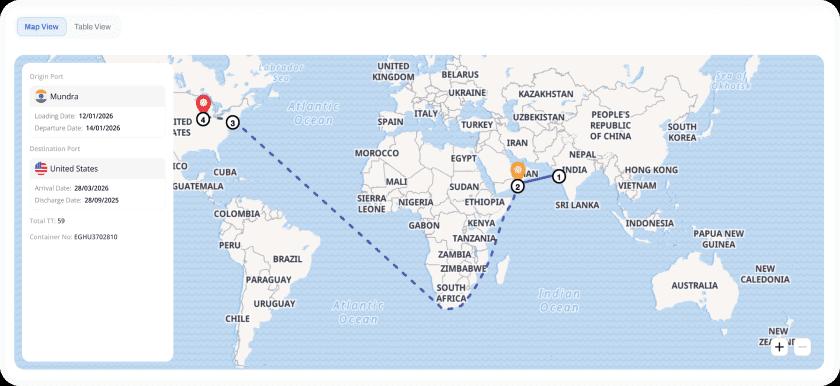
For US-bound orders, domestic stock supports faster fulfilment. Where material is sourced from India or other origin countries, transit typically runs 24–28 days to the US East Coast and 18–22 days to the West Coast. Elchemy offers FOB, CIF and DDP terms.
Store BHT in a cool, dry, well-ventilated area away from heat, oxidisers and ignition sources. As a fine organic powder it can form combustible dust, so avoid dust clouds during handling.
Why Choose Elchemy as a Trusted BHT Supplier?
Elchemy makes BHT procurement straightforward - food (E321/FCC), pharmaceutical and technical grades from audited manufacturers, in the form your process needs, with tailored options via custom manufacturing.
- Multiple grades and forms - food, pharma and technical BHT as powder, granular or crystalline/flake
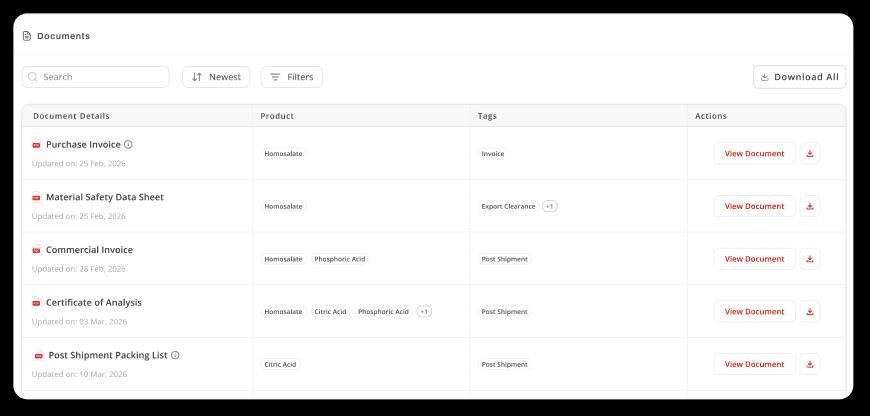
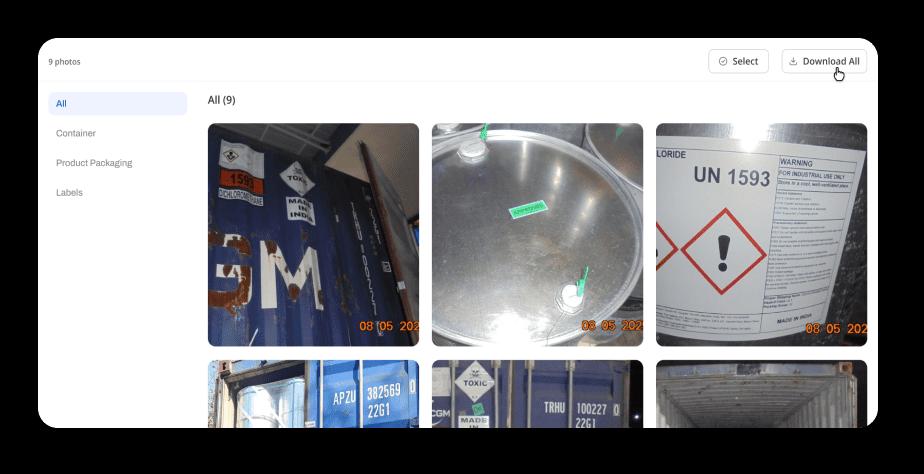
- Full documentation as standard - COA, TDS and GHS-compliant SDS with every order; FCC/E321, Halal, Kosher and origin declarations on request
- Low-impurity food grade - tight heavy-metal and assay control for food and pharma applications
- Samples in 24–48 hours - qualify material before any bulk commitment
- 40+ countries served - competitive global sourcing with US domestic stock for faster fulfilment
Safety & Handling
BHT is Generally Recognised As Safe (GRAS) by the FDA for food use at permitted levels and is well tolerated in cosmetics and pharmaceuticals at typical concentrations. As a concentrated raw material, direct contact with the powder may cause mild skin, eye or respiratory irritation, and it is classified as harmful to aquatic life, so spillage to drains should be avoided.
Handlers should wear chemical-resistant gloves, safety goggles and a dust mask, and work in a ventilated area away from ignition sources. Flush affected areas with water on contact. A full 16-section GHS-aligned SDS is available alongside material orders.
About Butylated Hydroxytoluene (BHT)
Butylated hydroxytoluene (BHT) - full chemical name 2,6-di-tert-butyl-4-methylphenol - is a synthetic phenolic antioxidant that protects fats, oils and other oxidation-sensitive ingredients from going rancid. Known in food labelling as E321 and by the INCI name Butylated Hydroxytoluene, it works by scavenging free radicals, interrupting the chain reaction that causes oils to oxidise, extending the shelf life, colour and odour stability of finished products.
BHT is oil-soluble and effective at very low concentrations - typically 0.01–0.1% in cosmetics and 100–200 ppm in edible oils. It is used across four broad sectors: food & nutrition (edible oils, fats, cereals, snacks, chewing gum), personal care (creams, lip balms, foundations, shampoos), pharmaceuticals (stabilising actives and excipients), and industrial uses across oil & gas and polymers (fuels, lubricants, rubber and plastics).
Elchemy is a trusted BHT supplier, manufacturer partner and distributor, supplying food-grade (E321/FCC), pharmaceutical-grade and technical or industrial-grade BHT in powder, granular and crystalline or flake forms to buyers across 40+ countries. Every batch ships with a Certificate of Analysis, and formulators planning bulk procurement can benchmark the BHT price against grade, form and volume before committing - with samples available within 24–48 hours.
Manufacturing Process of BHT
BHT is produced by the acid-catalysed alkylation of p-cresol (4-methylphenol) with isobutylene, which attaches two tert-butyl groups at the 2- and 6- positions to form 2,6-di-tert-butyl-4-methylphenol. The crude product is purified by distillation and crystallisation to food or pharmaceutical purity (≥99%).
Key raw materials are p-cresol and isobutylene. Every batch Elchemy supplies is tested for assay, melting point, free cresol and residuals, with a Certificate of Analysis travelling alongside each order.
BHT Price: Bulk Pricing for Buyers
If you're looking for current BHT pricing for bulk procurement, Elchemy provides quotes based on your requirements. Share your grade, form, volume and destination, and request a sample or quote - our team will assist with your requirement.
Pricing is quote-based because the BHT price moves with p-cresol and isobutylene feedstock costs, grade (food E321/FCC, pharmaceutical, technical), form (powder, granular or flake), order volume, packaging, Incoterm and destination.
Buyers often benchmark the BHT price per kg for small lots and the price per metric ton for contracts - but for an exact rate, a direct quote is definitive.
Packaging & Logistics
BHT ships in 25 kg fibre drums, cartons or kraft-paper bags, and 500–600 kg jumbo bags, palletised for container loads and supplied to buyer requirements.
For US-bound orders, domestic stock supports faster fulfilment. Where material is sourced from India or other origin countries, transit typically runs 24–28 days to the US East Coast and 18–22 days to the West Coast. Elchemy offers FOB, CIF and DDP terms.
Store BHT in a cool, dry, well-ventilated area away from heat, oxidisers and ignition sources. As a fine organic powder it can form combustible dust, so avoid dust clouds during handling.
Why Choose Elchemy as a Trusted BHT Supplier?
Elchemy makes BHT procurement straightforward - food (E321/FCC), pharmaceutical and technical grades from audited manufacturers, in the form your process needs, with tailored options via custom manufacturing.
- Multiple grades and forms - food, pharma and technical BHT as powder, granular or crystalline/flake
- Full documentation as standard - COA, TDS and GHS-compliant SDS with every order; FCC/E321, Halal, Kosher and origin declarations on request
- Low-impurity food grade - tight heavy-metal and assay control for food and pharma applications
- Samples in 24–48 hours - qualify material before any bulk commitment
- 40+ countries served - competitive global sourcing with US domestic stock for faster fulfilment
Safety & Handling
BHT is Generally Recognised As Safe (GRAS) by the FDA for food use at permitted levels and is well tolerated in cosmetics and pharmaceuticals at typical concentrations. As a concentrated raw material, direct contact with the powder may cause mild skin, eye or respiratory irritation, and it is classified as harmful to aquatic life, so spillage to drains should be avoided.
Handlers should wear chemical-resistant gloves, safety goggles and a dust mask, and work in a ventilated area away from ignition sources. Flush affected areas with water on contact. A full 16-section GHS-aligned SDS is available alongside material orders.
Regulatory Compliance
| Region | Max Allowed Level | Notes | Certification Body |
|---|---|---|---|
| China | - | Not listed as prohibited/restricted | NMPA - National Medical Products Administration |
| United Kingdom | - | BHT is now considered a restricted substance in the UK. | - |
| India | - | No explicit national regulation for BHT in cosmetics | - |
| Japan | - | BHT is permitted as an antioxidant in cosmetics, but no official maximum concentration is set. | MHLW – Ministry of Health, Labour and Welfare |
| Republic of Korea | - | No explicit maximum | MFDS - Ministry of Food and Drug Safety |
| United States | - | The FDA allows BHT as an antioxidant in cosmetics and personal care products but does not specify maximum concentrations. | FDA |
| ASEAN | - | No explicit maximum | - |
| European Union | - | Considered safe when used at a maximum concentration in Toothpaste: 0.1%, Mouthwash: 0.001%, Other leave-on and rinse-off products: 0.8% | - |
FAQs - Butylated Hydroxytoluene (BHT)
Related Products

Related Products

Streamline
Your Chemical
Procurement
Get fast responses from real experts