Bis-(2-Chloroethyl) Ether
ELRASATM – CEE

Get Pricing for This Product
Need pricing? Request a quote for this product and we'll get back to you shortly.
 Free Samples Available
Speed Up Your Sample Testing Process
We deliver domestic samples within 24 - 48 hours, helping you evaluate product without delays.
Bis-(2-Chloroethyl) Ether is a chemical compound primarily used as an intermediate in organic synthesis. It is a colorless liquid with a distinct odor, utilized in the production of various industrial…
CAS Number
111-44-4
HS Code
29091100
INCI Name
Bis-(2-Chloroethyl) Ether
Molecular Formula
C₄H₈Cl₂O
Bis-(2-Chloroethyl) Ether
ELRASATM – CEE
Bis-(2-Chloroethyl) Ether is a chemical compound primarily used as an intermediate in organic synthesis. It is a colorless liquid with a distinct odor, utilized in the production of various industrial chemicals. Due to its reactivity, it is often employed in the synthesis of…
CAS Number
111-44-4
INCI Name
Bis-(2-Chloroethyl) Ether
HS Code
29091100
Molecular Formula
C₄H₈Cl₂O
Get Pricing for This Product
Need pricing? Request a quote for this product and we'll get back to you shortly.
Free Samples AvailableSpeed Up Your Sample Testing Process
We deliver domestic samples within 24 - 48 hours, helping you evaluate product without delays.
 By
By
Specialty chemicals, delivered right
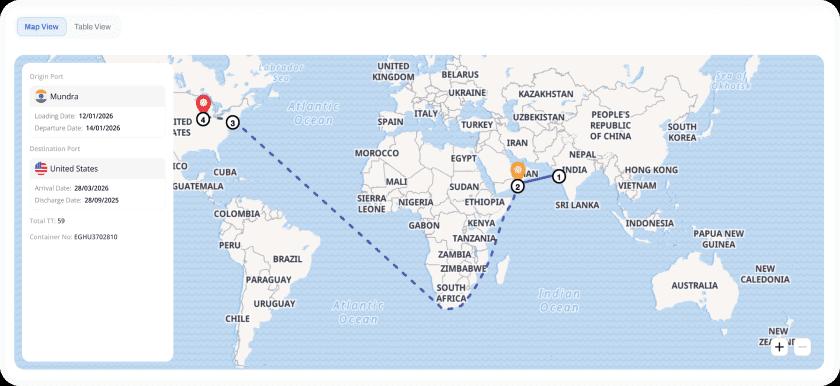
Access live, grade-specific pricing for every chemical, so your teams talks with data, not intuition on Elixir.
Compare fulfilment options across grades, INCO terms, origins, and lead times: all in one platform.

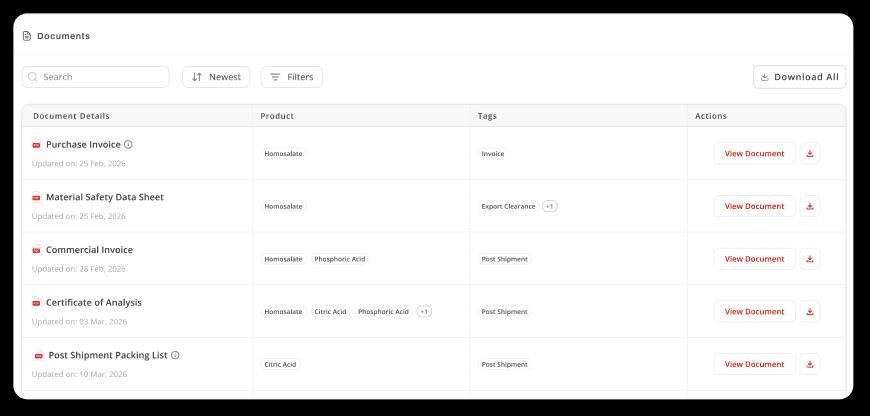
Live, transparent pricing
Real-time quotes across 12,000+ specialty chemicals.

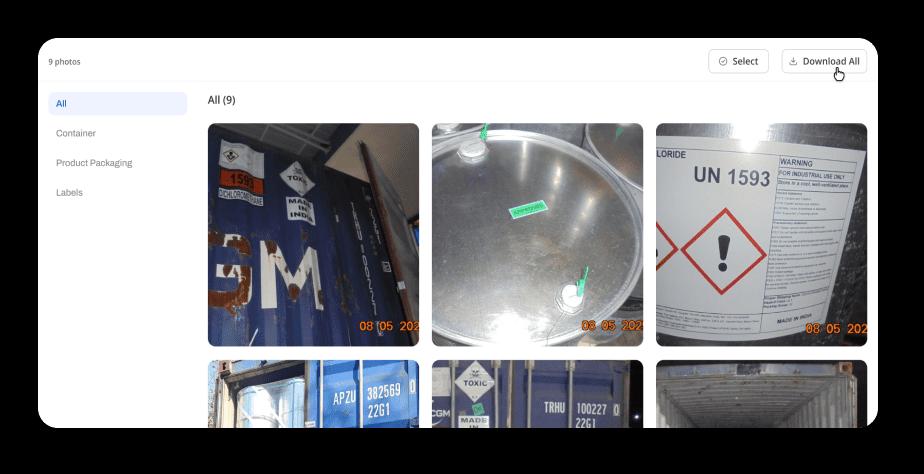
Product Specification
Physical Properties
| Property | Specification |
|---|---|
| Appearance | Colorless liquid |
| Odor | Sweet, like chloroform |
| Molecular Weight (G/Mol) | 143.01 |
| Density Or Specific Gravity | 1.22 g/mL at 25 °C(lit.) |
| Refractive Index | n20/D 1.456(lit.) |
Chemical Properties
| Property | Specification |
|---|---|
| Water Solubility | Slightly soluble. 1.72 g/100 mL |
Thermal Properties
| Property | Specification |
|---|---|
| Melting Point | -47 °C(lit.) |
| Boiling Point | 65-67 °C15 mm Hg(lit.) |
| Flash Point | 131 °F |
Processing Methods & Reference Formulations
A. Epoxy Adhesive Modifier
Mix thoroughly under mechanical stirring at room temperature or slightly elevated temperature. Incorporate curing agents (e.g., amines or anhydrides) after homogenization of the ether into the epoxy system.
| Key Ingredients | Indicative Dosage (% w/w) |
|---|---|
| DCEE | 10% |
| Epoxy resin (bisphenol-A type) | 50% |
| Amine hardener | 30% |
| Phenoxy reactive diluent | 5% |
| Thixotropic filler | 3% |
| Antioxidant stabilizer | 2% |
B. Rubber Vulcanization Aid
Incorporate it along with other vulcanization aids like accelerators, activators (e.g., ZnO, stearic acid), and sulfur. Proceed with standard vulcanization curing at specified time and temperature for the rubber type (e.g., NR, SBR, NBR).
| Key Ingredients | Indicative Dosage (% w/w) |
|---|---|
| DCEE | 5% |
| Rubber matrix (NR or SBR) | 85% |
| Sulfur (vulcanizing agent) | 3% |
| MBT accelerator | 1% |
| CBS accelerator | 0.5% |
| Antioxidant (e.g. PPD type) | 0.5% |
| Processing oil/filler | 5% |
C. Textile Finishing Solvent
Blend it with other solvents first (e.g., toluene, ethanol, or butyl acetate) before adding any emulsifiers or finishing agents to prevent incompatibility. Do not mix with strongly alkaline or acid-crosslinking systems unless stability is tested.
| Key Ingredients | Indicative Dosage (% w/w) |
|---|---|
| DCEE | 12% |
| Fiber‐finish wax | 45% |
| Non-ionic emulsifier | 8% |
| Water (balance of emulsion) | 35% |
Dosing Guidelines
A. Dosing by Application
| Products | Authorized dosage % |
|---|---|
| Epoxy Adhesive Modifier | 8-12% |
| Rubber Vulcanization Aid | 3-6% |
| Textile Finishing Solvent | 10–15% |
About Bis-(2-Chloroethyl) Ether
Bis-(2-Chloroethyl) Ether, known for its role as a chemical intermediate, is a vital component in the synthesis of various industrial chemicals. As a colorless liquid with a distinct odor, it is primarily used in the production of pharmaceuticals, pesticides, and specialty chemicals. Manufacturers of Bis-(2-Chloroethyl) Ether focus on maintaining high purity standards to ensure its effectiveness in chemical reactions. The compound's reactivity makes it a preferred choice in organic synthesis, facilitating the creation of complex molecules. Safety and environmental considerations are paramount in its production and handling, with manufacturers adhering to stringent regulations to minimize risks. The versatility of Bis-(2-Chloroethyl) Ether underscores its importance in the chemical industry, where it contributes to the development of innovative solutions across multiple sectors.
- Versatile Chemical Intermediate: Essential in the synthesis of pharmaceuticals and specialty chemicals.
- High Reactivity: Facilitates complex chemical reactions, making it valuable in organic synthesis.
- Industrial Applications: Used in the production of pesticides and other industrial chemicals.
- Strict Safety Standards: Manufactured under stringent safety and environmental regulations.
- High Purity: Ensures effectiveness in chemical processes.
About Bis-(2-Chloroethyl) Ether
Bis-(2-Chloroethyl) Ether, known for its role as a chemical intermediate, is a vital component in the synthesis of various industrial chemicals. As a colorless liquid with a distinct odor, it is primarily used in the production of pharmaceuticals, pesticides, and specialty chemicals. Manufacturers of Bis-(2-Chloroethyl) Ether focus on maintaining high purity standards to ensure its effectiveness in chemical reactions. The compound's reactivity makes it a preferred choice in organic synthesis, facilitating the creation of complex molecules. Safety and environmental considerations are paramount in its production and handling, with manufacturers adhering to stringent regulations to minimize risks. The versatility of Bis-(2-Chloroethyl) Ether underscores its importance in the chemical industry, where it contributes to the development of innovative solutions across multiple sectors.
- Versatile Chemical Intermediate: Essential in the synthesis of pharmaceuticals and specialty chemicals.
- High Reactivity: Facilitates complex chemical reactions, making it valuable in organic synthesis.
- Industrial Applications: Used in the production of pesticides and other industrial chemicals.
- Strict Safety Standards: Manufactured under stringent safety and environmental regulations.
- High Purity: Ensures effectiveness in chemical processes.
Regulatory Compliance
| Region | Max Allowed Level | Notes | Certification Body |
|---|---|---|---|
| Australia | - | Not permitted for use in cosmetics | - |
| China | - | Not listed as an approved cosmetic ingredient | - |
| Republic of Korea | - | Not permitted in cosmetics | - |
| United States | - | NIOSH Recommended Exposure Limit (REL) for workplace air; skin notation | - |
| United States | - | OSHA Permissible Exposure Limit (PEL) for workplace air. Not permitted in cosmetics. | - |
| ASEAN | - | Not permitted in cosmetics | - |
| European Union | - | Explicitly banned in cosmetics under the EU Cosmetics Regulation | SCCS (Scientific Committee on Consumer Safety) |
FAQs - Bis-(2-Chloroethyl) Ether
Related Products

Related Products

Streamline
Your Chemical
Procurement
Get fast responses from real experts