
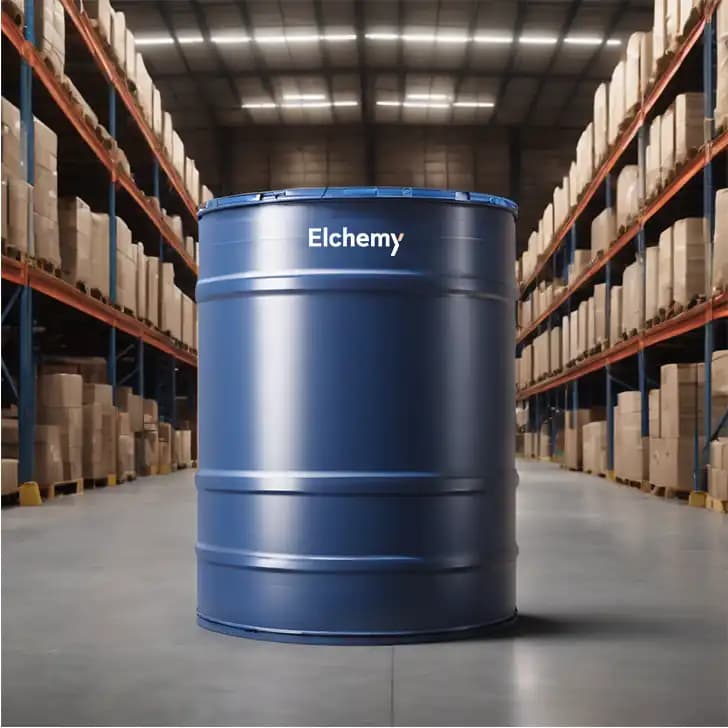
Behentrimonium Chloride
ELSURFACTM – BAC80

Get Pricing for This Product
Need pricing? Request a quote for this product and we'll get back to you shortly.
 Free Samples Available
Speed Up Your Sample Testing Process
We deliver domestic samples within 24 - 48 hours, helping you evaluate product without delays.
Behentrimonium Chloride is a quaternary ammonium compound widely used as a conditioning agent in hair care products. It provides excellent detangling, softening, and anti-static properties, making it…
CAS Number
17301-53-0
HS Code
3402.90.99
INCI Name
Behentrimonium Chloride (BTAC)
Molecular Formula
C6H5CH2N(CH3)2RCl
Behentrimonium Chloride
ELSURFACTM – BAC80
Behentrimonium Chloride is a quaternary ammonium compound widely used as a conditioning agent in hair care products. It provides excellent detangling, softening, and anti-static properties, making it a preferred ingredient in conditioners and hair masks. Its cationic nature helps…
CAS Number
17301-53-0
INCI Name
Behentrimonium Chloride (BTAC)
HS Code
3402.90.99
Molecular Formula
C6H5CH2N(CH3)2RCl
Get Pricing for This Product
Need pricing? Request a quote for this product and we'll get back to you shortly.
Free Samples AvailableSpeed Up Your Sample Testing Process
We deliver domestic samples within 24 - 48 hours, helping you evaluate product without delays.
 By
By
Specialty chemicals, delivered right
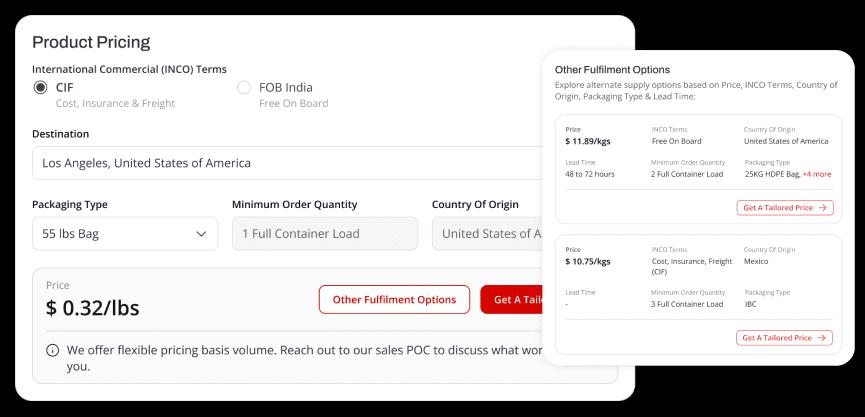
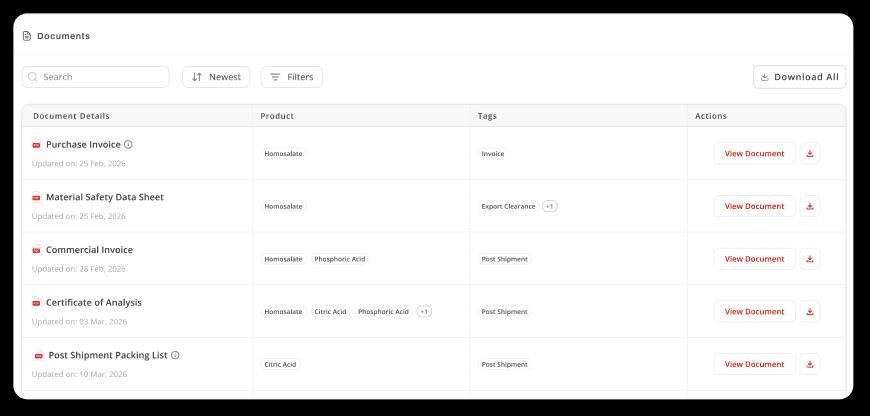
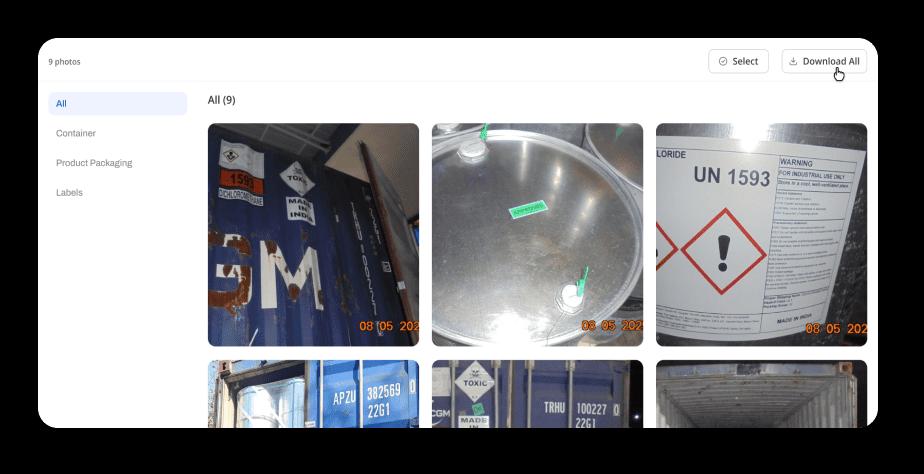
Access live, grade-specific pricing for every chemical, so your teams talks with data, not intuition on Elixir.
Compare fulfilment options across grades, INCO terms, origins, and lead times: all in one platform.

Live, transparent pricing
Real-time quotes across 12,000+ specialty chemicals.

Product Specification
Physical Properties
| Property | Specification |
|---|---|
| Appearance | White to pale yellow pellets, flakes, or pastilles. |
| Odor | Characteristic alcohol-like or fishy odor. |
| Molecular Weight | 404.16 g/mol |
| Density / Specific Gravity | 0.8 to 1.0 g/cm³ @ 20°C |
| Viscosity | Not applicable (solid). |
| Ph (Aqueous Solution) | 5.0 - 8.0 (in 2% or 10% solution). |
| Assay / Purity | 79-85% Behentrimonium Chloride. The remainder is typically a solvent like Isopropyl Alcohol or Ethyl Alcohol. |
| Hlb Comparison | Behentrimonium chloride (C22) has a longer alkyl chain than cetrimonium chloride (C16), which provides more lubricity and conditioning. |
Chemical Properties
| Property | Specification |
|---|---|
| Ionic Nature | Cationic (positively charged). |
| Incompatibilities | Incompatible with strong oxidizing agents, strong acids, and strong bases. As a cationic surfactant, it is incompatible with anionic surfactants. |
| Hazardous Reactions / Decomposition Products | Under fire conditions, may produce toxic fumes, carbon oxides (CO, CO2), and nitrogen oxides (NOx). |
Thermal Properties
| Property | Specification |
|---|---|
| Melting Point | 60 - 90 °C (194 °F). The range is due to differences in purity and solvent. |
| Boiling Point | > 82 °C. Decomposes before boiling. |
| Flash Point | > 70 °C |
| Autoignition Temperature | Not applicable. |
| Thermal Stability | Stable under normal conditions. Avoid heat and direct sunlight. |
Processing Methods & Reference Formulations
A. Lightweight Leave-In Hair Conditioner
A simple, lightweight leave-in conditioner to add moisture and shine without weighing hair down. To prepare, the heated phase ingredients are combined and heated. Just-boiled water is added and the mixture is blended thoroughly until the Behentrimonium Chloride is fully incorporated. The cool-down phase ingredients are then added and mixed.
| Key Ingredients | Indicative Dosage (% w/w) |
|---|---|
| Behentrimonium Chloride | 1.0% |
| Cetearyl Alcohol | 1.0% |
| Panthenol | 1.0% |
| Distilled Water | 94.0% |
| Hydrolyzed Rice Protein | 2.0% |
| Fragrance | 0.5% |
| Preservative (e.g., Liquid Germall Plus) | 0.5% |
B. Basic Rinse-Out Hair Conditioner
A foundational recipe for a creamy, rinse-out hair conditioner.
| Key Ingredients | Indicative Dosage (% w/w) |
|---|---|
| Distilled Water | to 100% |
| Behentrimonium Chloride | 3 - 6% |
| Fatty Thickener (e.g., Cetyl Alcohol) | 2 - 5% |
| Emollients (e.g., plant oils, butters) | 5 - 25% |
| Hair Care Actives (e.g., proteins, vitamins) | 0 - 10% |
| Preservative | 0.5 - 1.5% |
Dosing Guidelines
A. Dosing by Application
| Application | Recommended / Max Dosage |
|---|---|
| Rinse-Off Hair Conditioners | 1.0 - 5.0% |
| Leave-In Hair Conditioners | 0.5 - 3.0% |
| Hair Masks / Deep Treatments | 3.0 - 5.0% |
| Shampoos / Hair Rinses | 0.5 - 3.0% |
| Leave-On Facial Creams | Max 3.0% |
About Behentrimonium Chloride
Behentrimonium Chloride, also known as docosyltrimethylammonium chloride, is a highly effective conditioning agent used in the personal care industry. As a cationic surfactant, it binds to the negatively charged surfaces of hair strands, providing exceptional detangling and softening effects. This makes it a staple ingredient in hair conditioners, masks, and leave-in treatments. Behentrimonium Chloride manufacturers focus on producing high-purity grades to meet the stringent demands of the cosmetic industry. Its ability to reduce static and improve hair manageability makes it a preferred choice for formulators. Additionally, its emulsifying properties help stabilize formulations, ensuring product consistency and performance. The compound's versatility extends beyond hair care, as it is also used in fabric softeners to impart a soft feel to textiles. As the demand for effective conditioning agents grows, Behentrimonium Chloride suppliers continue to innovate, offering sustainable and eco-friendly solutions to meet consumer preferences.
- Superior Conditioning: Provides excellent detangling and softening properties, enhancing hair manageability.
- Function: Cationic surfactant, conditioning agent, antistatic agent, emulsifier, and preservative.
- Anti-Static Properties: Reduces static electricity and flyaways, improving hair appearance and feel.
- Features: Positively charged (cationic) structure binds to negatively charged hair shafts. Insoluble in water, allowing it to remain on hair after rinsing. Effective at low concentrations.
- Emulsifying Agent: Stabilizes formulations by blending oil and water phases, ensuring product consistency.
- Benefits: Provides superior conditioning and detangling, reduces static and frizz, and softens coarse hair. It helps restore and rebuild damaged hair by penetrating the hair shaft rather than just coating it. Improves wet and dry combing, enhances shine, and provides a smooth, silky feel.
- Versatile Applications: Used in both hair care and fabric softening products for its conditioning effects.
- High Purity Standards: Ensures performance and safety in cosmetic formulations.
About Behentrimonium Chloride
Behentrimonium Chloride, also known as docosyltrimethylammonium chloride, is a highly effective conditioning agent used in the personal care industry. As a cationic surfactant, it binds to the negatively charged surfaces of hair strands, providing exceptional detangling and softening effects. This makes it a staple ingredient in hair conditioners, masks, and leave-in treatments. Behentrimonium Chloride manufacturers focus on producing high-purity grades to meet the stringent demands of the cosmetic industry. Its ability to reduce static and improve hair manageability makes it a preferred choice for formulators. Additionally, its emulsifying properties help stabilize formulations, ensuring product consistency and performance. The compound's versatility extends beyond hair care, as it is also used in fabric softeners to impart a soft feel to textiles. As the demand for effective conditioning agents grows, Behentrimonium Chloride suppliers continue to innovate, offering sustainable and eco-friendly solutions to meet consumer preferences.
- Superior Conditioning: Provides excellent detangling and softening properties, enhancing hair manageability.
- Function: Cationic surfactant, conditioning agent, antistatic agent, emulsifier, and preservative.
- Anti-Static Properties: Reduces static electricity and flyaways, improving hair appearance and feel.
- Features: Positively charged (cationic) structure binds to negatively charged hair shafts. Insoluble in water, allowing it to remain on hair after rinsing. Effective at low concentrations.
- Emulsifying Agent: Stabilizes formulations by blending oil and water phases, ensuring product consistency.
- Benefits: Provides superior conditioning and detangling, reduces static and frizz, and softens coarse hair. It helps restore and rebuild damaged hair by penetrating the hair shaft rather than just coating it. Improves wet and dry combing, enhances shine, and provides a smooth, silky feel.
- Versatile Applications: Used in both hair care and fabric softening products for its conditioning effects.
- High Purity Standards: Ensures performance and safety in cosmetic formulations.
Regulatory Compliance
| Region | Max Allowed Level | Notes | Certification Body |
|---|---|---|---|
| United States | 5% | The Cosmetic Ingredient Review (CIR) panel has assessed Behentrimonium Chloride and concluded it is safe in the present practices of use and concentration when formulated to be non-irritating. | Listed on the TSCA Inventory. For specific products, FDA Good Manufacturing Practices (GMP) would apply. |
| European Union | 5% | Regulated under CosIng Annex III. The Scientific Committee on Consumer Safety (SCCS) found it safe for use in cosmetics within the specified concentration limits for non-preservative functions. The SCCS noted that quaternary ammonium compounds can have irritant potential, especially in combination. | Must comply with Regulation (EC) No 1223/2009. REACH registration is required for import/manufacture over 1 tonne/year. |
| Canada | - | Not found on Health Canada's Cosmetic Ingredient Hotlist (List of Ingredients that are Prohibited or Restricted for Use in Cosmetics). | Must comply with the Food and Drugs Act and the Cosmetic Regulations. |
| India | - | India | Must comply with the Bureau of Indian Standards (BIS) for cosmetics. |
| Japan | - | Japan | Must comply with the Standards for Cosmetics established by the Ministry of Health, Labour and Welfare (MHLW). |
| Australia | - | Listed on the Australian Inventory of Chemical Substances (AICS). | Must comply with the Industrial Chemical Act 2019. |
| China | - | Listed in the Inventory of Existing Cosmetic Ingredients in China (IECIC). | Must comply with NMPA (National Medical Products Administration) regulations for cosmetic ingredients. |
| Republic of Korea | - | South Korea | Must comply with regulations from the Ministry of Food and Drug Safety (MFDS). |
| ASEAN | - | ASEAN | Must comply with the ASEAN Cosmetic Directive. |
FAQs - Behentrimonium Chloride

Streamline
Your Chemical
Procurement
Get fast responses from real experts