
Arabic Gum
ELVISCTM – ARG G1

Get Pricing for This Product
Need pricing? Request a quote for this product and we'll get back to you shortly.
 Free Samples Available
Speed Up Your Sample Testing Process
We deliver domestic samples within 24 - 48 hours, helping you evaluate product without delays.
Arabic Gum, also known as Acacia Gum, is a natural gum made of the hardened sap of various species of the acacia tree. It is widely used in the food industry as a stabilizer, emulsifier, and…
CAS Number
9000-01-5
HS Code
13012000
INCI Name
-
Molecular Formula
C15H20NNaO4 (representative structure)
Arabic Gum
ELVISCTM – ARG G1
Arabic Gum, also known as Acacia Gum, is a natural gum made of the hardened sap of various species of the acacia tree. It is widely used in the food industry as a stabilizer, emulsifier, and thickening agent. Its applications extend to pharmaceuticals and cosmetics, where it…
CAS Number
9000-01-5
INCI Name
-
HS Code
13012000
Molecular Formula
C15H20NNaO4 (representative structure)
Get Pricing for This Product
Need pricing? Request a quote for this product and we'll get back to you shortly.
Free Samples AvailableSpeed Up Your Sample Testing Process
We deliver domestic samples within 24 - 48 hours, helping you evaluate product without delays.
 By
By
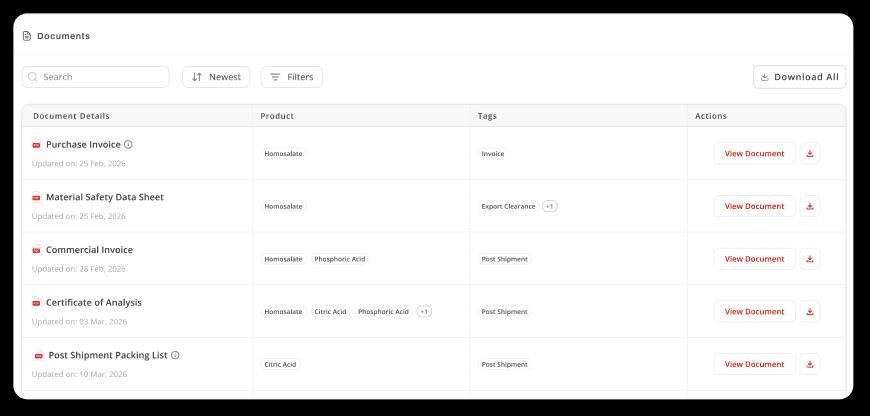
Specialty chemicals, delivered right
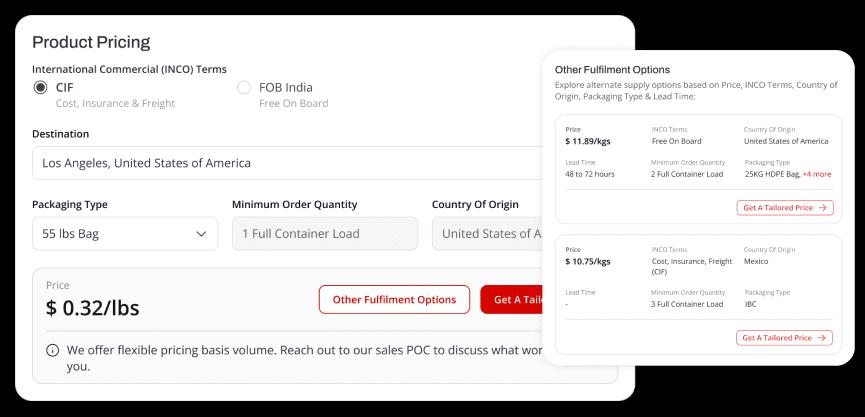
Access live, grade-specific pricing for every chemical, so your teams talks with data, not intuition on Elixir.
Compare fulfilment options across grades, INCO terms, origins, and lead times: all in one platform.

Live, transparent pricing
Real-time quotes across 12,000+ specialty chemicals.

About Arabic Gum
Arabic Gum, also known as Acacia Gum, is a versatile natural polymer derived from the sap of acacia trees. It is widely used in the food industry as a stabilizer and emulsifier, helping to maintain the consistency and texture of products such as beverages, confectionery, and dairy items. As a thickening agent, it enhances the mouthfeel of liquid formulations, making it a valuable ingredient in both food and pharmaceutical applications. Arabic Gum manufacturers focus on producing high-quality, food-grade products that meet stringent industry standards. The production process involves careful harvesting and processing to ensure purity and functionality. Sustainability is a key consideration, with many suppliers adopting eco-friendly practices to minimize environmental impact. Arabic Gum is also used in cosmetics, where it acts as a film-forming agent, providing a smooth texture and aiding in moisture retention. Its hypoallergenic nature makes it suitable for sensitive skin formulations. As a natural, plant-based ingredient, Arabic Gum is ideal for vegan and clean-label products, aligning with consumer demand for sustainable and ethical ingredients. Its versatility and safety profile make it a preferred choice for manufacturers seeking reliable and effective solutions across various industries.
- Natural Stabilizer: Ensures product consistency and prevents separation in food and beverages.
- High Solubility: Easily dissolves in water, forming stable solutions for diverse applications.
- Eco-Friendly Production: Sourced sustainably with minimal environmental impact.
- Versatile Thickener: Enhances texture and mouthfeel in food and pharmaceutical formulations.
- Hypoallergenic: Safe for sensitive skin and suitable for vegan products.
About Arabic Gum
Arabic Gum, also known as Acacia Gum, is a versatile natural polymer derived from the sap of acacia trees. It is widely used in the food industry as a stabilizer and emulsifier, helping to maintain the consistency and texture of products such as beverages, confectionery, and dairy items. As a thickening agent, it enhances the mouthfeel of liquid formulations, making it a valuable ingredient in both food and pharmaceutical applications. Arabic Gum manufacturers focus on producing high-quality, food-grade products that meet stringent industry standards. The production process involves careful harvesting and processing to ensure purity and functionality. Sustainability is a key consideration, with many suppliers adopting eco-friendly practices to minimize environmental impact. Arabic Gum is also used in cosmetics, where it acts as a film-forming agent, providing a smooth texture and aiding in moisture retention. Its hypoallergenic nature makes it suitable for sensitive skin formulations. As a natural, plant-based ingredient, Arabic Gum is ideal for vegan and clean-label products, aligning with consumer demand for sustainable and ethical ingredients. Its versatility and safety profile make it a preferred choice for manufacturers seeking reliable and effective solutions across various industries.
- Natural Stabilizer: Ensures product consistency and prevents separation in food and beverages.
- High Solubility: Easily dissolves in water, forming stable solutions for diverse applications.
- Eco-Friendly Production: Sourced sustainably with minimal environmental impact.
- Versatile Thickener: Enhances texture and mouthfeel in food and pharmaceutical formulations.
- Hypoallergenic: Safe for sensitive skin and suitable for vegan products.
FAQs - Arabic Gum

Streamline
Your Chemical
Procurement
Get fast responses from real experts