
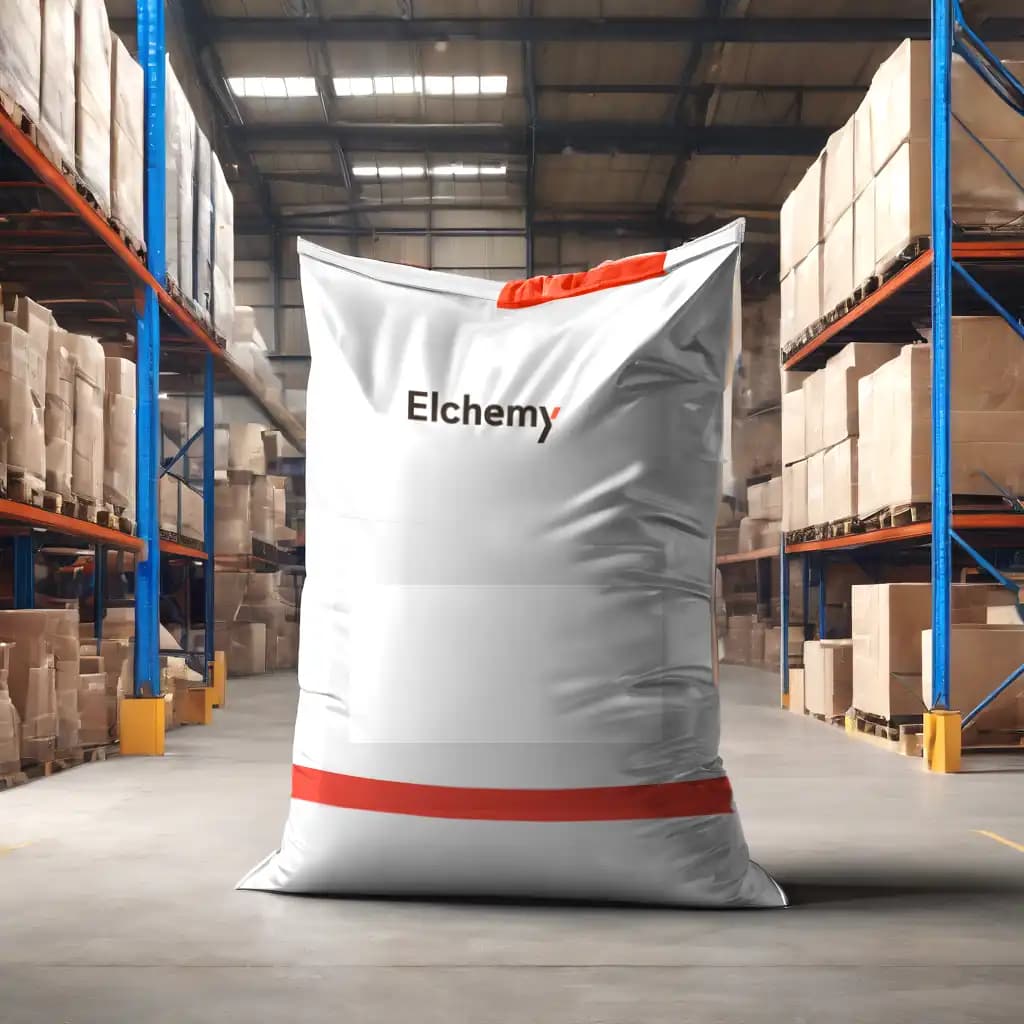
Antimony Potassium Tartrate
ELRASATM – ATMKT

Get Pricing for This Product
Need pricing? Request a quote for this product and we'll get back to you shortly.
 Free Samples Available
Speed Up Your Sample Testing Process
We deliver domestic samples within 24 - 48 hours, helping you evaluate product without delays.
Antimony Potassium Tartrate, also known as Tartar Emetic, is a chemical compound used primarily in the textile and leather industries as a mordant and in the production of flame retardants. It is also…
CAS Number
28300-74-5
HS Code
2918.19.80
INCI Name
-
Molecular Formula
K2Sb2(C4H2O6)2·3H2O
Antimony Potassium Tartrate
ELRASATM – ATMKT
Antimony Potassium Tartrate, also known as Tartar Emetic, is a chemical compound used primarily in the textile and leather industries as a mordant and in the production of flame retardants. It is also utilized in the medical field for its historical use as an emetic and in…
CAS Number
28300-74-5
INCI Name
-
HS Code
2918.19.80
Molecular Formula
K2Sb2(C4H2O6)2·3H2O
Get Pricing for This Product
Need pricing? Request a quote for this product and we'll get back to you shortly.
Free Samples AvailableSpeed Up Your Sample Testing Process
We deliver domestic samples within 24 - 48 hours, helping you evaluate product without delays.
 By
By
Specialty chemicals, delivered right
Access live, grade-specific pricing for every chemical, so your teams talks with data, not intuition on Elixir.
Compare fulfilment options across grades, INCO terms, origins, and lead times: all in one platform.

Live, transparent pricing
Real-time quotes across 12,000+ specialty chemicals.


About Antimony Potassium Tartrate
Antimony Potassium Tartrate, commonly known as Tartar Emetic, is a versatile compound with applications across various industries. As a mordant in the textile industry, it enhances the durability and vibrancy of dyes on fabrics. In the production of flame retardants, it plays a crucial role in reducing material flammability, making it indispensable in safety applications. Historically, it has been used in medicine as an emetic, though its use is now limited to veterinary applications. Its role in ceramics and glass manufacturing as a fining agent ensures high-quality, impurity-free products. Antimony Potassium Tartrate manufacturers focus on producing high-purity compounds to meet industry standards, ensuring its effectiveness and safety in various applications. The compound's versatility and efficacy make it a valuable asset in modern industry, with a focus on sustainable and safe production practices.
- Effective Mordant: Enhances dye adherence and color fastness in textiles.
- Flame Retardant Component: Reduces flammability, enhancing safety in materials.
- Veterinary Use: Occasionally used as an emetic in animal care.
- Ceramics and Glass Quality: Improves clarity and durability by removing impurities.
- Analytical Reagent: Provides reliable results in ion detection and quantification.
About Antimony Potassium Tartrate
Antimony Potassium Tartrate, commonly known as Tartar Emetic, is a versatile compound with applications across various industries. As a mordant in the textile industry, it enhances the durability and vibrancy of dyes on fabrics. In the production of flame retardants, it plays a crucial role in reducing material flammability, making it indispensable in safety applications. Historically, it has been used in medicine as an emetic, though its use is now limited to veterinary applications. Its role in ceramics and glass manufacturing as a fining agent ensures high-quality, impurity-free products. Antimony Potassium Tartrate manufacturers focus on producing high-purity compounds to meet industry standards, ensuring its effectiveness and safety in various applications. The compound's versatility and efficacy make it a valuable asset in modern industry, with a focus on sustainable and safe production practices.
- Effective Mordant: Enhances dye adherence and color fastness in textiles.
- Flame Retardant Component: Reduces flammability, enhancing safety in materials.
- Veterinary Use: Occasionally used as an emetic in animal care.
- Ceramics and Glass Quality: Improves clarity and durability by removing impurities.
- Analytical Reagent: Provides reliable results in ion detection and quantification.
FAQs - Antimony Potassium Tartrate
Related Products

Related Products

Streamline
Your Chemical
Procurement
Get fast responses from real experts