

At a Glance
- Microcrystalline wax provides structure, texture, and stability to cosmetic products
- Functions as a binder, thickener, and emulsion stabilizer across multiple product categories
- Widely used in lipsticks, mascaras, creams, and hair styling products
- Generally safe with minimal side effects for most skin types
- Offers superior flexibility and moisture retention compared to traditional waxes
The cosmetic industry relies on specialized ingredients to create products consumers love. Performance, texture, and stability determine product success. Behind many bestselling formulations sits an unsung hero delivering all three qualities.
Microcrystalline wax in cosmetics serves as the backbone of countless products on store shelves. From lipsticks that glide smoothly to mascaras that resist water, this versatile ingredient makes daily beauty routines possible. We examine why formulators consider it indispensable.
What Makes Microcrystalline Wax in Cosmetics a Formulation Staple
Microcrystalline wax is a refined petroleum-derived wax with small interlocking crystal structures. Manufacturers produce it through vacuum distillation of crude oil residuum. The refining process removes color, odor, and impurities, creating a dense, pliable material.
Listed as Cera Microcristallina on ingredient labels, this wax differs significantly from paraffin. Its smaller crystal size gives it superior flexibility and adhesion properties. These characteristics make microcrystalline wax in cosmetics ideal for products requiring both structure and smooth application.
| Property | Specification |
| Chemical Nature | Saturated hydrocarbons with branched chains |
| Crystal Structure | Fine, interlocking microcrystals |
| Melting Point Range | 65°C to 95°C (varies by grade) |
| Physical Form | Dense, sticky wax with high viscosity |
| Solubility | Insoluble in water; soluble in oils and organic solvents |
| Key Advantage | More flexible and adhesive than paraffin wax |
Core Functions in Cosmetic Formulations
Modern cosmetics demand ingredients that perform multiple roles simultaneously. Microcrystalline wax delivers versatility that simplifies formulation development. Its multifunctional nature reduces the need for additional specialty ingredients.
Primary Functions:
- Viscosity Controller: Thickens and stiffens formulas to achieve desired consistency. Allows precise control over spreadability and product payoff.
- Binding Agent: Holds powdered pigments and solid particles together in pressed products. Prevents crumbling in lipsticks, foundations, and eyeshadows.
- Emulsion Stabilizer: Strengthens oil-water emulsion structures. Prevents phase separation during storage and temperature fluctuations.
- Film Former: Creates a protective barrier on skin and hair. Reduces moisture loss while providing water resistance in mascaras.
- Texture Modifier: Adds body and cushioned feel without greasiness. Improves sensory experience during application.
- Opacity Enhancer: Reduces product transparency for better coverage. Particularly valuable in foundations and concealers.
Product-Specific Applications
Different cosmetic categories leverage microcrystalline wax properties in unique ways. Understanding these applications helps explain why formulators specify particular wax grades for specific products.
Color Cosmetics
Lipsticks and Lip Products
Microcrystalline wax provides the structural backbone for lip formulations. It prevents “sweating” caused by temperature fluctuations. This phenomenon creates unsightly droplets on lipstick surfaces when oils migrate.
The wax’s flexibility ensures products don’t break under pressure during application. It allows manufacturers to create comfortable formulas that maintain shape. Lip liners and lip balms benefit from similar structural support.
| Lip Product Type | Wax Function | Result |
| Lipsticks | Structure and temperature stability | Prevents melting and sweating |
| Lip Balms | Moisture retention and texture | Smooth glide with occlusive properties |
| Lip Liners | Hardness and precision | Clean application without crumbling |
Eye Makeup
Mascaras rely on microcrystalline wax for water-repelling properties. The wax coats lash fibers while resisting humidity and tears. Formulators choose specific grades to balance water resistance with removability.
Eyeliner pencils and gel liners use the wax for controlled hardness. It prevents excessive softness that causes smudging. The ingredient also helps pigments adhere to the lash line throughout the day.
Pressed eyeshadows incorporate microcrystalline wax as a binder. It ensures pigment particles stick together without affecting color payoff. The wax contributes to smooth application and even color distribution.
Skincare Products
Creams and Lotions
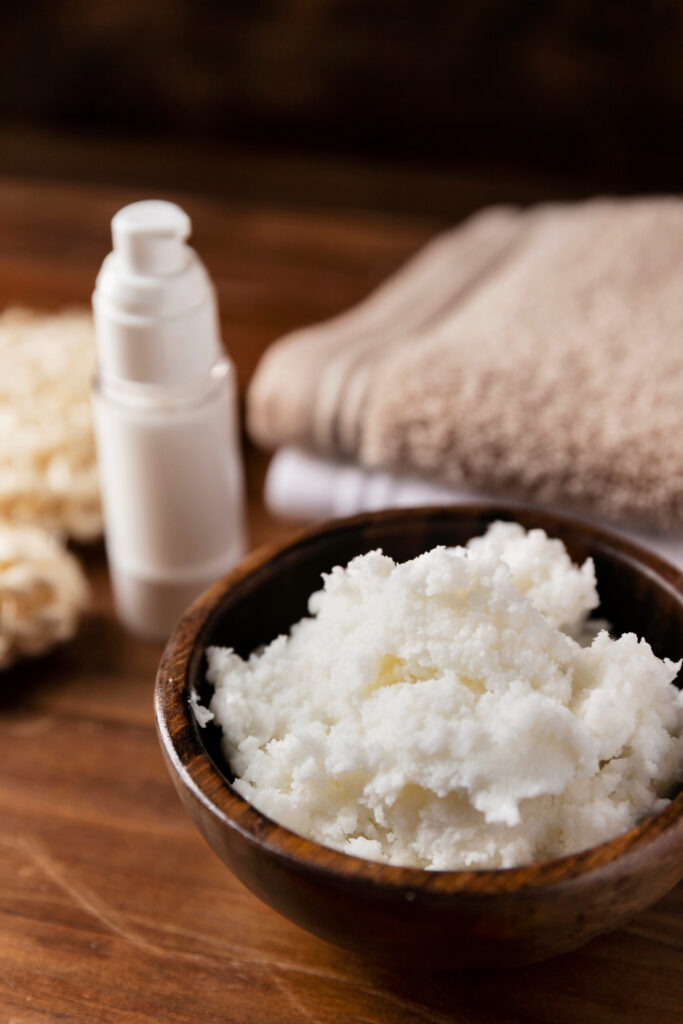
Moisturizing formulations use microcrystalline wax for multiple benefits. It acts as a viscosity builder, creating luxurious textures consumers associate with premium products. The wax also stabilizes emulsions to extend shelf life.
The film-forming property creates an occlusive barrier on skin. This reduces transepidermal water loss, improving hydration levels. Anti-aging creams particularly benefit from these moisture-retention capabilities.
Face masks with creamy textures incorporate the wax for body and structure. It prevents formulas from becoming too fluid or separating during storage. The ingredient helps maintain consistent performance from first use to last.
Balms and Ointments
Healing balms and protective ointments depend on microcrystalline wax for their semi-solid consistency. The wax provides enough structure to stay in place on skin. It simultaneously offers pliability for easy spreading.
These products benefit from the wax’s inert nature. It doesn’t interfere with active ingredients or cause reactions. The occlusive barrier protects damaged skin while supporting the healing process.
Hair Care Formulations
Styling Products
Hair pomades and waxes use microcrystalline wax as their primary structuring agent. It provides hold without excessive stiffness or flaking. The wax allows hair to be restyled throughout the day.
The ingredient’s tackiness helps products grip hair fibers. This creates definition and texture in styling applications. Water resistance keeps styles intact despite humidity or light moisture exposure.
Styling creams incorporate lower concentrations for flexible hold. The wax adds body to fine hair without weighing it down. It also contributes shine and smoothness to finished styles.
Why Formulators Choose Microcrystalline Wax
Product developers select ingredients based on performance, cost, and regulatory status. Microcrystalline wax scores highly across all these criteria. Its long history in cosmetics provides extensive safety data and consumer acceptance.
Key Advantages:
- Temperature Stability: Maintains product integrity across wide temperature ranges. Prevents melting in heat or hardening in cold.
- Cost-Effectiveness: Provides multiple functions at competitive pricing. Reduces formulation costs compared to using several specialty ingredients.
- Regulatory Acceptance: Approved for cosmetic use globally. Appears on positive lists for major markets including US, EU, and Asia.
- Compatibility: Works well with diverse ingredients including oils, emulsifiers, and active compounds. Rarely causes formulation incompatibilities.
- Processing Ease: Melts easily during manufacturing. Requires no special handling equipment or complex processing conditions.
- Consistent Supply: Petroleum refining ensures stable, reliable sourcing. Quality remains consistent batch to batch.
- Long Shelf Life: Does not degrade or become rancid like natural waxes. Products maintain stability for extended periods.
Understanding Microcrystalline Wax Side Effects
Safety concerns naturally arise when discussing petroleum-derived ingredients. However, microcrystalline wax undergoes extensive refining to remove potential irritants. Cosmetic-grade material meets strict purity standards set by regulatory bodies.
The ingredient has a comedogenic rating of 1 out of 5, indicating very low pore-clogging potential. Its molecular size prevents deep penetration into skin. Most users experience no adverse reactions when products contain properly refined wax.
| Concern | Reality | Affected Users |
| Pore Clogging | Rare; highly refined molecules too large for pore penetration | Very acne-prone individuals using heavy formulas |
| Contact Irritation | Extremely rare; usually caused by other formula ingredients | Individuals with specific sensitivities |
| Greasy Feel | Occurs only with improper formulation or over-application | Users applying excessive product amounts |
| Allergic Reactions | Not documented as allergen; inert material | None in typical use |
| Skin Sensitivity | Does not increase sun sensitivity or cause photoreactions | No restrictions needed |
When Side Effects May Occur:
People with extremely oily or acne-prone skin should consider product texture. Heavy wax-rich balms may feel too occlusive for their needs. Lighter formulations with lower wax concentrations work better for these skin types.
Anyone experiencing redness, itching, or breakouts should discontinue product use. These reactions typically stem from other ingredients rather than the wax itself. Patch testing new products helps identify sensitivities before full-face application.
Microcrystalline wax side effects remain minimal for the vast majority of users. Decades of widespread use support its safety profile. Regulatory bodies worldwide classify it as safe for cosmetic applications.
Comparing Microcrystalline Wax to Alternative Waxes
Formulators choose from several wax types when developing cosmetics. Each offers distinct properties that suit different applications. Understanding these differences explains why microcrystalline wax dominates certain product categories.
| Wax Type | Source | Melting Point | Best Applications | Key Limitations |
| Microcrystalline | Petroleum | 65-95°C | Lipsticks, mascaras, creams | Petroleum-derived concerns for natural brands |
| Paraffin | Petroleum | 46-68°C | Candles, some cosmetics | Less flexible; lower adhesion properties |
| Beeswax | Natural (bees) | 62-65°C | Natural formulations, balms | Higher cost; variable quality; potential allergen |
| Carnauba | Natural (palm tree) | 78-85°C | High-shine products, hard coatings | Expensive; very hard; difficult processing |
| Candelilla | Natural (shrub) | 68-73°C | Vegan formulations | Limited availability; higher cost |
Why Microcrystalline Wins:
Microcrystalline wax offers superior flexibility compared to paraffin. Its smaller crystal structure creates better adhesion to skin and hair. These properties prove essential for products requiring both structure and comfortable wear.
Natural waxes like beeswax serve specific market segments valuing botanical ingredients. However, they cost significantly more and show quality variations between batches. Microcrystalline wax provides consistency that large-scale manufacturing requires.
The ingredient’s temperature stability surpasses most alternatives. Products maintain performance across shipping and storage conditions. This reliability reduces product failures and customer complaints.
Conclusion
Microcrystalline wax in cosmetics enables the products modern consumers demand. Its unique combination of structure, flexibility, and stability cannot be easily replicated. From preventing lipstick sweating to creating water-resistant mascaras, this ingredient solves multiple formulation challenges.
Understanding microcrystalline wax side effects reveals an ingredient with exceptional safety. Decades of use across millions of products demonstrate its reliability. Most users experience only benefits without adverse reactions.
The ingredient’s versatility explains its presence in products spanning color cosmetics to skincare. Formulators continue choosing it for new product development. Its performance-to-cost ratio remains unmatched in the specialty wax category.
When you source specialty chemicals for cosmetic formulations, ingredient quality determines final product success. Elchemy connects manufacturers with reliable suppliers offering consistent, high-purity materials for your production needs.