

At a Glance
- Global sustainable personal care market valued at $54.36 billion in 2024, projected to reach $90.40 billion by 2032
- Plant-based ingredients growing as consumers avoid synthetic chemicals like parabens and sulfates
- Upcycled ingredients from food waste (fruit seed oils, coffee grounds) gaining traction in formulations
- Biodegradable packaging and refillable systems replacing single-use plastics across major brands
- Organic skincare segment leads with 41.89% market share in 2024
- Asia-Pacific fastest growing region driven by rising disposable incomes and clean beauty awareness
Walk into any beauty store today and you’ll see “clean,” “natural,” and “sustainable” stamped across products from drugstore brands to luxury labels. This isn’t just marketing hype—it represents a fundamental shift in how personal care products get formulated, packaged, and sold. Consumers increasingly demand products that work well while minimizing environmental impact and avoiding potentially harmful synthetic chemicals.
The numbers tell the story. The global sustainable personal care products market was valued at $54.36 billion in 2024 and is projected to reach $90.40 billion by 2032, exhibiting a 6.96% CAGR. This growth reflects changing consumer values where transparency, ingredient safety, and environmental responsibility influence purchasing decisions as much as product performance.
Understanding Sustainable Personal Care Products
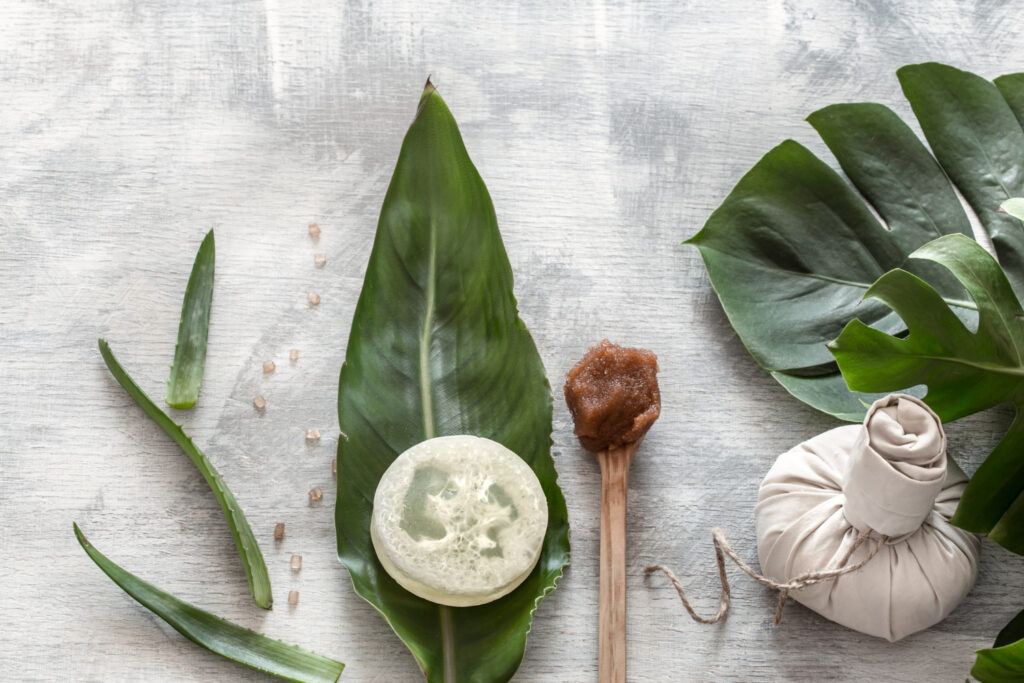
Sustainable personal care products are made from eco-friendly materials and designed with ethical manufacturing and sustainable practices. These products minimize skin issues associated with synthetic chemicals while reducing environmental impact through renewable ingredients, responsible sourcing, and minimal waste packaging. The category spans skincare, haircare, oral care, and hygiene products all produced with sustainability principles.
What makes a product truly sustainable? It’s more than just natural ingredients. Brands must consider ingredient sourcing impact, manufacturing energy use, packaging materials, carbon footprint, water consumption, biodegradability, and end-of-life disposal. The best sustainable products address multiple aspects simultaneously—using renewable plant-based ingredients, minimizing processing energy, packaging in recyclable or compostable materials, and maintaining effectiveness consumers expect.
Key sustainability pillars:
- Natural and organic ingredients sourced responsibly without ecosystem degradation
- Manufacturing processes using renewable energy and closed-loop water systems
- Biodegradable formulations that don’t accumulate in waterways or ecosystems
- Minimal or zero-waste packaging using recycled, recyclable, or compostable materials
- Cruelty-free testing without animal involvement at any development stage
- Fair trade and ethical labor practices throughout supply chains
Key Ingredients Driving Sustainable Personal Care
Consumers prefer healthier lifestyles and are environmentally aware, creating opportunities for growth of natural ingredients like natural surfactants, natural emollient esters, natural oils, and preservative boosters. The shift from synthetic to plant-based ingredients represents more than replacing petroleum-derived chemicals with botanical alternatives—it involves rethinking entire formulation strategies.
| Ingredient Category | Sustainable Options | Replaces | Benefits |
| Surfactants | Coconut-derived cleansers, soapnut extracts | Sodium lauryl sulfate | Gentler, biodegradable |
| Preservatives | Radish root ferment, rosemary extract | Parabens, formaldehyde | Natural antimicrobial activity |
| Emollients | Plant butters, seed oils | Mineral oil, silicones | Renewable, skin nourishing |
| Actives | Bakuchiol, niacinamide | Synthetic retinoids | Plant-derived efficacy |
| Thickeners | Xanthan gum, guar gum | Synthetic polymers | Bio-fermented, biodegradable |
Plant-Based and Upcycled Ingredients
By-products from food and agriculture, such as fruit seed oils, coffee grounds, and nut shells are making a statement in sustainable beauty. This upcycling trend transforms agricultural waste into valuable cosmetic ingredients, reducing waste while creating high-performance formulations. Coffee grounds become exfoliants, fruit seeds yield antioxidant-rich oils, and nut shells provide biodegradable alternatives to plastic microbeads.
Ingredients such as rosehip, bakuchiol, and squalane are now paired with simple natural ingredients for simplified yet effective formulations. Bakuchiol, a plant-derived retinol alternative, delivers anti-aging benefits without synthetic retinoid side effects like irritation and sun sensitivity. Squalane from olives or sugarcane provides moisturization matching synthetic versions while being completely renewable.
Lesser-known botanicals are replacing mainstream ingredients. Prickly pear offers hydration and antioxidants. Marula oil from African trees provides omega fatty acids for skin barrier repair. Blue tansy contains anti-inflammatory compounds soothing irritated skin. These ingredients appeal to consumers seeking novel, effective alternatives to synthetic actives they’ve become wary of.
Bio-Based Preservatives and Natural Actives

Preservation remains one of personal care formulation’s biggest challenges. Water-based products need protection from bacteria, yeast, and mold, but consumers increasingly reject synthetic preservatives like parabens and formaldehyde-releasing compounds. Natural preservative systems combining multiple ingredients solve this challenge. Radish root ferment filtrate provides antimicrobial activity. Rosemary extract offers antioxidant protection. Caprylyl glycol boosts other preservatives naturally.
Prebiotics, probiotics, and postbiotics are redefining skincare, with brands prioritizing formulas that support the skin’s natural barrier. This microbiome-focused approach recognizes skin health depends on balanced bacterial populations. Prebiotic ingredients feed beneficial bacteria, probiotics add live cultures, and postbiotics provide bacterial metabolites that strengthen skin’s protective functions.
Natural actives deliver targeted benefits without synthetic chemicals. Natural ingredients such as vitamin C, hyaluronic acid, and green tea extract provide hydration, collagen support, and skin renewal without synthetic fillers. Fermented ingredients undergo bacterial transformation enhancing bioavailability and creating smaller molecules that penetrate skin better than unfermented versions.
Innovation Transforming the Industry
Sustainability in personal care extends beyond swapping synthetic for natural ingredients. True transformation requires rethinking packaging, manufacturing, and business models entirely. Innovations addressing these broader sustainability aspects increasingly separate leaders from followers in the competitive beauty market.
Breakthrough innovations include:
- Waterless formulations eliminating water waste and reducing shipping weight
- Solid bars replacing liquid products in plastic bottles
- Refill stations allowing customers to reuse containers indefinitely
- Compostable packaging breaking down in home or industrial composting
- Carbon-neutral manufacturing through renewable energy and carbon offsetting
- Blockchain traceability proving sustainable sourcing claims
Biodegradable Packaging Solutions
Compostable packaging and products are gaining popularity as consumers seek alternatives to traditional single-use plastics. These materials break down into natural elements when composted, reducing waste and environmental impact. Successful implementation requires local composting infrastructure, but brands are investing in education and infrastructure development to enable consumer participation.
Bamboo and hemp are replacing conventional plastics in packaging and product components. They’re sought for their renewability, biodegradability, and low environmental impact compared to conventional materials. Bamboo grows rapidly without pesticides or extensive irrigation. Hemp produces more fiber per acre than trees while improving soil health. Both materials biodegrade completely unlike petroleum plastics persisting for centuries.
Refillable systems are transforming retail. Brands offer concentrate refills reducing packaging by 80% compared to buying new containers. In-store refill stations let customers bring containers back repeatedly. This circular approach dramatically reduces single-use packaging while building customer loyalty through repeated interactions.
Biotechnology and Fermentation
Escalating health consciousness is pushing consumers away from synthetic chemicals like parabens and phthalates toward plant-based, cruelty-free, and non-toxic alternatives. Biotechnology meets this demand through precision fermentation—using microorganisms to produce specific compounds matching plant-derived or synthetic ingredients without extensive agriculture or chemical synthesis.
Lab-grown ingredients represent biotechnology’s cutting edge. Collagen produced through fermentation eliminates animal sourcing while maintaining identical molecular structure and function. Hyaluronic acid from bacterial fermentation matches synthetically produced versions but with cleaner manufacturing. Squalane from genetically modified yeast eliminates shark liver oil harvesting that decimated shark populations.
Fermented botanicals deliver enhanced benefits. Traditional plant extracts undergo bacterial fermentation breaking complex molecules into smaller, more bioavailable forms. Fermented rice water provides amino acids, vitamins, and antioxidants in readily absorbed forms. This ancient technique—used in Korean skincare for centuries—is being rediscovered and optimized using modern biotechnology.
Market Trends and Consumer Behavior
Understanding consumer motivations driving sustainable personal care adoption helps explain market growth patterns. Price remains a barrier—sustainable products typically cost 20-40% more than conventional alternatives. Yet consumers increasingly pay premiums for products aligning with their values, particularly younger demographics who will drive future growth.
Clean Beauty and Transparency
Consumers value transparency and environmental responsibility. They want to know what’s in products, where ingredients come from, and how products impact health and environment. Brands respond with detailed ingredient sourcing information, third-party certifications, and transparent sustainability reports.
Claims like ‘natural’ or ‘organic’ without certifications or transparency are losing credibility fast. Consumers are getting savvier, recognizing greenwashing when brands make vague environmental claims without substantiation. Third-party certifications like COSMOS, Ecocert, USDA Organic, and Leaping Bunny provide verification that products meet defined standards.
The “free-from” movement continues evolving. According to the Environmental Working Group, the average person applies nine personal care products daily, containing an average of 126 unique ingredients, prompting consumers to seek safer alternatives. Products marketed as paraben-free, sulfate-free, phthalate-free, and fragrance-free address specific ingredient concerns while positioning brands as health-conscious alternatives.
Regional Growth Patterns
Asia Pacific dominated the sustainable personal care products market with 31.44% share in 2024. Rising middle-class populations with increasing disposable incomes fuel growth. Traditional use of natural ingredients in Asian beauty creates cultural receptiveness to plant-based formulations. K-beauty and J-beauty trends emphasizing gentle, effective natural ingredients influence global markets.
North America shows strong growth driven by wellness trends and regulatory pressures. California’s Proposition 65 requires warnings on products containing chemicals causing cancer or reproductive harm. This pushes brands toward cleaner formulations even beyond California because national brands prefer single formulations over regional variations.
Europe leads in regulatory frameworks supporting sustainability. EU restrictions on microplastics take effect through 2027-2035, phasing out plastic microbeads and glitter. Upcoming regulations requiring traceability of natural raw materials push ingredient transparency further. European consumers’ environmental consciousness creates markets for premium sustainable products.
Conclusion
Sustainable personal care products represent more than a trend—they’re reshaping the entire beauty industry. Growth from $54 billion to $90 billion by 2032 signals lasting transformation driven by consumer demand, regulatory pressure, and genuine innovation in ingredients, formulations, and packaging. Brands embracing sustainability holistically—from ingredient sourcing through manufacturing to end-of-life disposal—are positioning themselves for long-term success.
The challenges remain significant. Sustainable ingredients cost more. Natural preservation requires complex systems. Biodegradable packaging lacks economies of scale. Yet innovation is accelerating, costs are declining, and infrastructure is developing to support circular beauty models. The future belongs to brands making sustainability core to their identity rather than a marketing add-on.
For manufacturers requiring sustainable cosmetic ingredients, natural preservatives, or eco-friendly formulation components with complete quality documentation, Elchemy’s technology-driven platform connects buyers with verified suppliers across global markets. Founded by IIT Bombay engineer Hardik Seth and IIT Delhi engineer Shobhit Jain, Elchemy provides transparent access to certified natural ingredients, technical specifications, and reliable supply chains supporting sustainable formulation development from concept through commercial production.