

At a Glance
- Triethanolamine is widely used in U.S. cosmetics and personal care formulations
- Consumers often ask is triethanolamine safe for skin, especially in daily-use products
- The ingredient functions mainly as a pH adjuster, emulsifier, and surfactant stabilizer
- Safety depends on concentration, formulation context, and regulatory limits
- Triethanolamine lauryl sulfate for skin is used in rinse-off products to improve cleansing and foam
- Regulatory bodies allow its use under controlled conditions
Ingredient awareness has changed how consumers evaluate skincare and personal care products. Names that once went unnoticed now spark online searches, debates, and caution. One such ingredient is triethanolamine.
Often abbreviated as TEA, triethanolamine appears in moisturizers, cleansers, sunscreens, shampoos, and makeup. Its presence raises a common question among consumers and formulators alike: is triethanolamine safe for skin?
This article explains what triethanolamine is, why it is used in cosmetics, how it functions in formulations, and what safety insights guide its continued use in the U.S. personal care industry.
What is triethanolamine
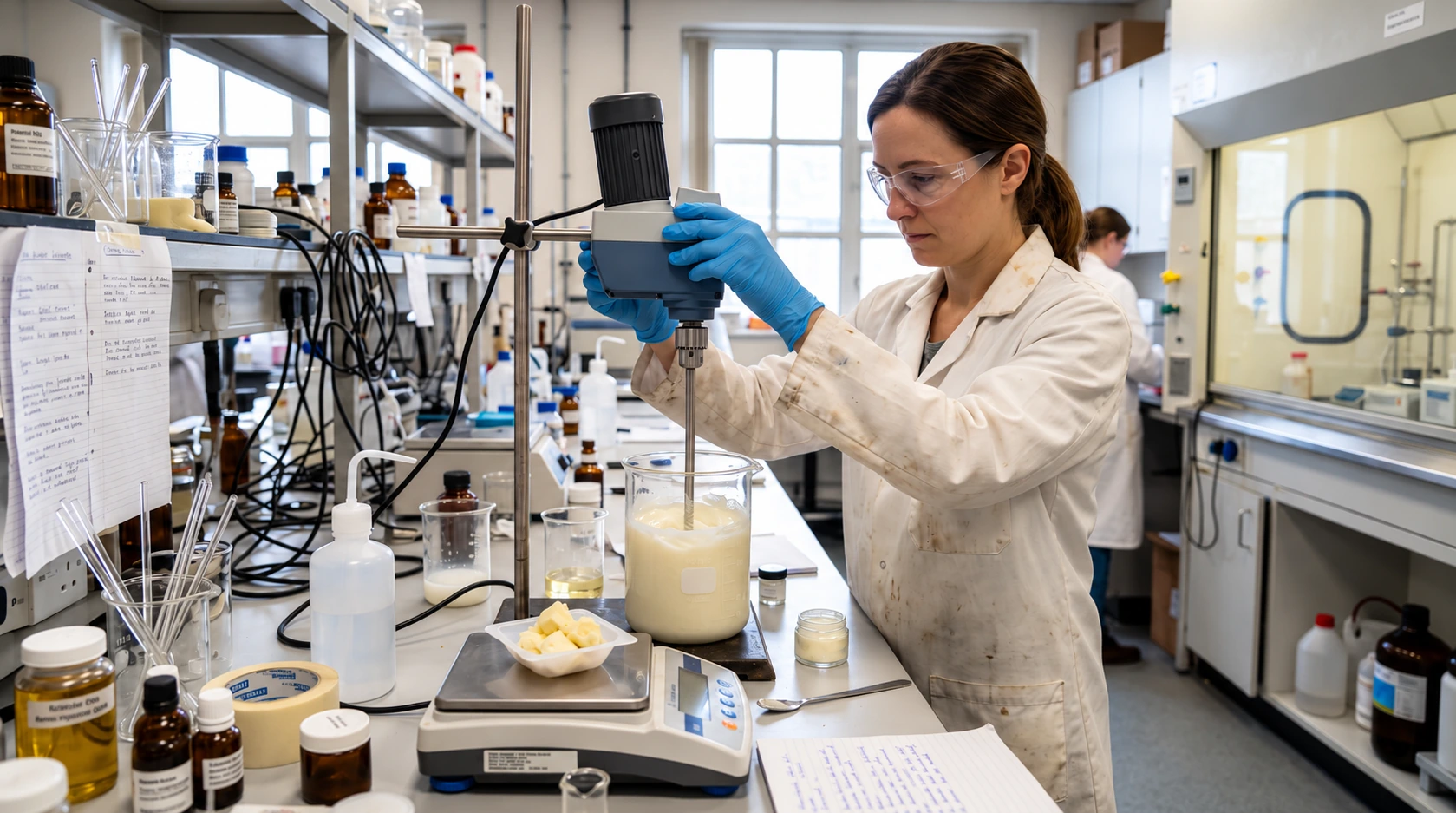
Triethanolamine is an organic compound formed from ethanolamine and ethylene oxide. In cosmetic formulations, it is not used as an active skin treatment ingredient. Instead, it plays a functional role that supports product stability and usability.
Triethanolamine is water soluble and alkaline in nature. This makes it effective for neutralizing acidic components and stabilizing emulsions.
In ingredient lists, it often appears toward the middle or end, reflecting its supportive rather than dominant role.
Why triethanolamine is used in skincare and personal care
Triethanolamine is valued for versatility. It can perform multiple functions without adding significant sensory impact to a formula.
Its primary uses include:
- Adjusting and maintaining pH
- Stabilizing oil-in-water emulsions
- Enhancing texture and consistency
- Supporting surfactant systems
Because many cosmetic ingredients work best within a narrow pH range, triethanolamine helps ensure product stability and skin compatibility.
Understanding the pH role of triethanolamine
Skin naturally maintains a slightly acidic pH. Products that are too acidic or too alkaline can disrupt the skin barrier and cause irritation.
Triethanolamine helps formulators fine-tune pH during production. This ensures that creams, lotions, and cleansers remain within skin-friendly ranges throughout shelf life.
Without pH adjusters like triethanolamine, many formulations would separate, degrade, or feel uncomfortable on application.
Is triethanolamine safe for skin
The question is triethanolamine safe for skin has been reviewed extensively by regulatory and safety bodies.
In the U.S., triethanolamine is permitted for use in cosmetics when formulated within established concentration limits. Safety assessments focus on irritation potential, systemic exposure, and formulation interactions.
When used correctly:
- It does not penetrate deeply into the skin
- It does not accumulate in the body
- It shows low irritation potential in leave-on products at regulated levels
Most concerns arise from misuse, excessive concentration, or inappropriate formulation combinations rather than normal cosmetic use.
Concentration matters
Safety is closely tied to how much triethanolamine is used.
In most skincare products, triethanolamine appears at low concentrations, often below 5 percent. At these levels, it functions effectively without disrupting skin balance.
Higher concentrations are avoided in leave-on products. Rinse-off products allow slightly more flexibility due to reduced skin contact time.
This controlled usage is why triethanolamine continues to appear in regulated cosmetic formulations.
Triethanolamine and nitrosamine concerns
One area that often surfaces in safety discussions involves nitrosamines.
Triethanolamine itself is not a nitrosamine. However, under certain conditions, it can react with nitrosating agents to form nitrosamines, which are undesirable.
To address this risk, formulators:
- Avoid combining triethanolamine with nitrosating preservatives
- Use purified raw materials
- Follow strict formulation guidelines
Modern cosmetic standards explicitly manage this risk, making nitrosamine formation unlikely in compliant products.
Triethanolamine lauryl sulfate for skin
Triethanolamine is sometimes used to neutralize fatty acids, forming surfactant salts. One example is triethanolamine lauryl sulfate.
The use of triethanolamine lauryl sulfate for skin appears mainly in cleansing products such as shampoos, body washes, and facial cleansers.
In these formulations, it serves as:
- A foaming agent
- A cleansing surfactant
- A component that improves product spreadability
Because these products are rinse-off, skin exposure time is limited, which reduces irritation risk when used as directed.
How it compares to other pH adjusters
Triethanolamine is not the only pH adjuster available to formulators. Alternatives include sodium hydroxide, potassium hydroxide, and amino acid buffers.
Compared to stronger alkalis, triethanolamine offers:
- Gentler pH adjustment
- Better emulsification support
- Improved formulation flexibility
This balance makes it attractive in creams and lotions where harsh pH swings are undesirable.
Benefits of triethanolamine in formulations
While not a skin treatment ingredient, triethanolamine contributes indirectly to product performance.
Key formulation benefits include:
- Stable emulsions that do not separate
- Consistent texture over shelf life
- Improved product appearance
- Reliable performance across temperature changes
These benefits help ensure that products remain effective and pleasant to use.
Skin type considerations
Most skin types tolerate triethanolamine well when it is used within recommended limits.
However, individuals with extremely sensitive or compromised skin may react to any alkaline component. In such cases, irritation is more likely due to overall formulation balance rather than triethanolamine alone.
Brands targeting sensitive-skin consumers often reduce or replace triethanolamine with alternative buffering systems to minimize risk perception.
Role in clean and modern formulations
Triethanolamine faces mixed acceptance in clean beauty circles.
Some brands avoid it due to:
- Synthetic origin
- Association with older formulations
Others continue using it due to its safety record and functional reliability.
This divide reflects differing definitions of clean beauty rather than safety conclusions.
Regulatory perspective in the U.S.
In the United States, cosmetic ingredients are regulated to ensure consumer safety.
Triethanolamine is:
- Allowed in cosmetic formulations
- Subject to concentration limits
- Evaluated for irritation and toxicity
Manufacturers must ensure compliance with labeling requirements and safety substantiation.
This regulatory framework supports continued use under controlled conditions.
Common products containing triethanolamine
Triethanolamine is found across a wide range of personal care products.
These include:
- Facial moisturizers
- Sunscreens
- Shampoos and conditioners
- Cleansers and body washes
- Makeup products
Its widespread use reflects industry confidence in its functionality and safety profile.
Consumer perception and ingredient literacy
Consumers today actively research ingredients. Terms like “amine” or “chemical-sounding” often raise concern even when safety data is strong.
Brands address this by:
- Educating consumers on ingredient function
- Disclosing concentration levels
- Offering alternatives in sensitive-skin lines
Transparency plays a key role in managing perception.
Performance versus perception
From a formulation standpoint, triethanolamine performs reliably. From a marketing standpoint, perception can vary.
Some brands choose to reformulate for perception reasons, not because of safety issues. Others maintain triethanolamine due to cost efficiency and proven performance.
This balance shapes how frequently the ingredient appears across different market segments.
Alternatives to triethanolamine
In response to consumer demand, some brands explore alternatives such as:
- Amino acid-based buffers
- Sodium citrate systems
- Potassium hydroxide in controlled systems
These options may reduce concern for certain consumers but often require formulation trade-offs.
When caution is warranted
Caution becomes relevant when:
- Products are poorly formulated
- Concentrations exceed recommended limits
- Ingredients are combined improperly
Reputable U.S. manufacturers follow strict guidelines that minimize these risks.
Conclusion
So, is triethanolamine safe for skin? When used responsibly within regulated limits, the answer supported by industry practice and safety assessments is yes.
Triethanolamine plays a functional role that supports product stability, texture, and pH balance. Its use in applications like triethanolamine lauryl sulfate for skin remains common in rinse-off products where exposure is limited.
As with any cosmetic ingredient, safety depends on formulation quality, concentration, and compliance. Brands that use triethanolamine thoughtfully continue to deliver safe, effective products across the U.S. personal care market.