

At a Glance
- Xylene is a clear, sweet-smelling solvent derived from petroleum used in paint thinners and removers
- Exists as three forms (isomers) – ortho-xylene, meta-xylene, and para-xylene – mixed together commercially
- Evaporates slower than alternatives like toluene, giving paint more time to level smoothly
- Can cause headaches, dizziness, and nausea when inhaled, with serious effects from prolonged exposure
- OSHA workplace limit is 100 ppm averaged over 8 hours to protect workers
- Used at 10-15% dilution for thinning spray paints and 100% strength for paint removal
- Safer alternatives include citrus-based solvents, acetone, and bio-based options with lower VOCs
- Flammable at room temperature requiring proper ventilation and no ignition sources
Walk into any hardware store’s paint section and you’ll see bottles labeled “xylene” or “xylol” sitting next to other solvents. Professional painters and DIY enthusiasts reach for it regularly, knowing it does things that ordinary paint thinner can’t quite match. But what makes xylene special, and why do painters keep using it despite warnings on the label about health hazards?
Xylene in paint applications has been industry standard for decades. This petroleum-derived solvent thins oil-based paints, cleans brushes better than most alternatives, and strips old finishes from wood and metal. However, its effectiveness comes with trade-offs—the same properties that make it useful for painting also make it potentially harmful if you don’t handle it correctly. Understanding both sides helps you make smart decisions about when to use it and how to protect yourself.
Understanding Xylene in Paint Applications

Xylene is an aromatic hydrocarbon—a fancy way of saying it’s a petroleum-based chemical with a benzene ring in its structure. That sweet smell it gives off comes from this aromatic nature. Commercial xylene contains a mixture of three different molecular arrangements (isomers) that all have the same chemical formula but slightly different structures. The good news? All three isomers work similarly for painting purposes, so you don’t need to worry about which specific type you’re getting.
The compound comes from crude oil refining, making it relatively inexpensive compared to specialty solvents. It mixes easily with other organic solvents and oil-based paint components, but it won’t dissolve in water at all—water and xylene separate completely like oil and vinegar. This property makes it perfect for oil-based paint applications where you specifically need to thin or dissolve oil-based products.
Why manufacturers put xylene in paint products:
- Reduces paint viscosity for easier application and smoother coats
- Dissolves resins, pigments, and adhesives effectively
- Maintains workability longer than fast-evaporating solvents
- Penetrates and loosens old, dried paint layers
- Costs less than many synthetic solvent alternatives
- Creates professional-quality spray finishes
Xylene appears in multiple paint-related products beyond just paint thinner. Manufacturers add it to varnishes, lacquers, enamels, rust preventatives, and epoxy coatings. The automotive paint industry relies heavily on xylene because it helps create that glossy, smooth finish on cars. Industrial paints containing xylene cure properly while maintaining the right flow characteristics during application.
What Is Xylene Used For in Painting – Main Applications
Paint professionals use xylene across several different situations, each taking advantage of specific properties. The solvent’s behavior—how fast it evaporates, how well it dissolves things, how it flows—makes it suited for particular jobs where other solvents wouldn’t work as well.
| Application | Xylene Concentration | Why Xylene Works Better | Typical Products | |—|—|—| | Spray painting | 10-15% in paint mix | Slow evaporation prevents orange peel texture | Automotive paints, industrial coatings | | Paint removal | 100% xylene | Penetrates multiple paint layers deeply | Paint strippers, refinishing products | | Brush cleaning | 100% xylene | Dissolves dried paint without leaving residue | Solvent cleaners, tool maintenance | | Thinning lacquer | 5-20% addition | Controls drying speed for smooth leveling | Furniture finishes, wood coatings | | Epoxy work | 10-15% in product | Improves flow while maintaining cure properties | Industrial epoxies, adhesives |
Paint Thinning and Spray Applications
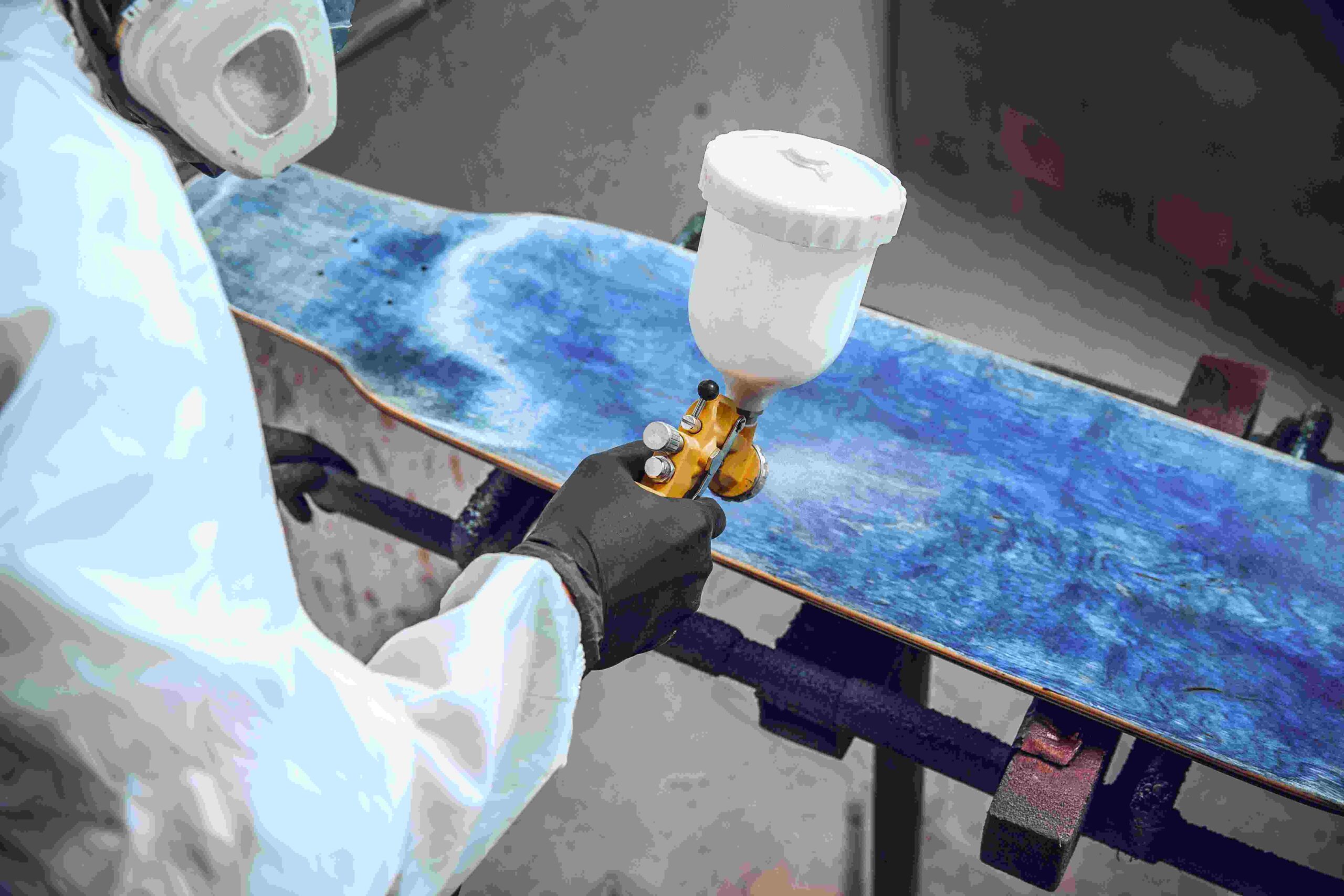
When you need to spray paint through a gun, the paint must be thin enough to atomize properly—break into tiny droplets that create a mist. Thick paint clogs spray guns and comes out in splatters instead of smooth coats. Adding xylene solves this problem by reducing the paint’s thickness without changing its color, coverage, or protective properties.
The key advantage xylene offers over alternatives like toluene is its slower evaporation rate. Toluene evaporates so quickly that lacquer can dry before it has time to flow smooth. This creates what painters call “orange peel” texture—a bumpy surface that looks like citrus fruit skin instead of smooth glass. Xylene gives the paint extra seconds to self-level, letting brush marks and spray patterns disappear into a uniform coat.
For spray applications, painters typically thin their paint with 10% xylene, meaning one part xylene to ten parts paint. Metal primers might need 15% thinning for proper atomization. The exact ratio depends on the specific paint, temperature, humidity, and spray equipment. Experienced painters adjust on the fly, adding small amounts until the paint flows correctly through their particular setup.
Artists working with oil paints appreciate xylene for similar reasons. The extended working time lets them blend colors on the canvas before the paint starts setting. While art supply stores sell fancier mediums, budget-conscious artists often use xylene because it costs far less while delivering similar performance for everyday painting.
Paint and Stain Removal
Nothing beats xylene for stripping old paint from wood furniture or removing stubborn deck stains before refinishing. The solvent penetrates through multiple layers, softening paint from the bottom up. Pour xylene on dried paint and you’ll see it start dissolving within minutes, turning hard paint back into soft, scrapeable material.
Garage floor painting projects often start with xylene to remove oil stains, grease, and old coatings. Concrete absorbs oils deep into its pores, and ordinary cleaners can’t reach them. Xylene’s petroleum base makes it chemically similar to the oils it needs to remove—and substances dissolve best in solvents they’re similar to. This “like dissolves like” principle explains why xylene works so well on oil-based messes.
Wood refinishers love xylene because it doesn’t damage wood fibers the way some harsher strippers do. You can remove old varnish or polyurethane without raising the grain or changing the wood’s color. The process involves applying xylene, letting it work for 10-15 minutes, then scraping away the softened finish. Multiple applications handle stubborn coatings built up over decades.
Cleaning Tools and Equipment
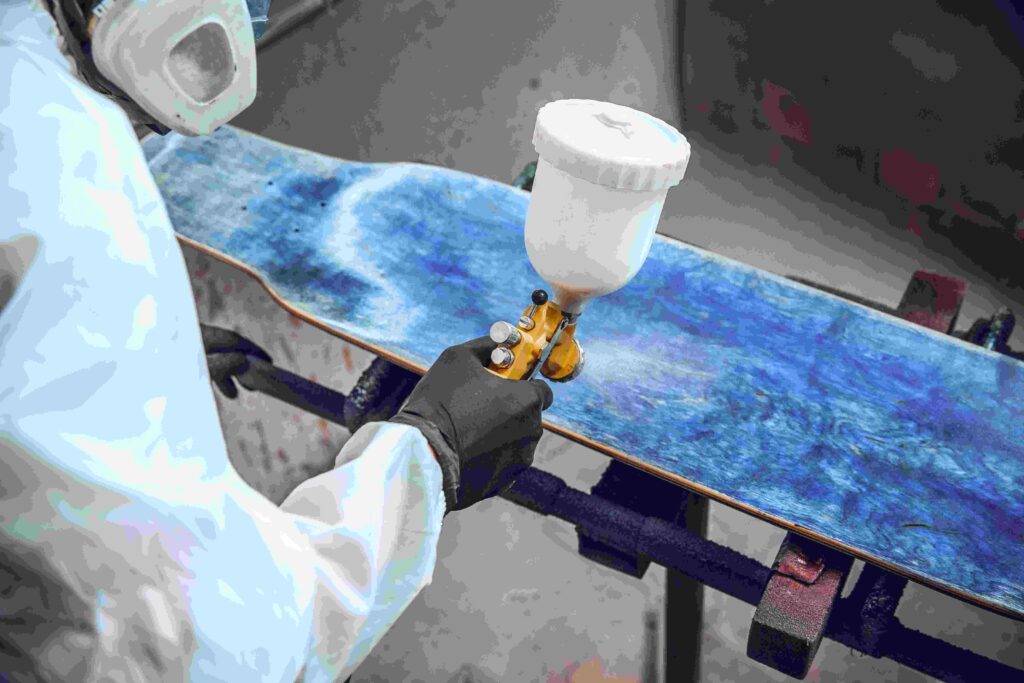
Professional painters understand that proper tool cleaning extends equipment life and prevents contamination between paint jobs. Xylene excels at this job because it completely dissolves dried paint residue that water-based cleaners leave behind. A brush left in xylene stays clean indefinitely—no waxy buildup, no hardened bristles.
The solvent cleans spray guns thoroughly, dissolving paint from internal passages where mechanical cleaning can’t reach. After a painting session, running xylene through the gun prevents clogs that would ruin the next job. Industrial operations use xylene to clean manufacturing equipment, removing paint and resin buildup from rollers, conveyor parts, and mixing vessels.
One interesting property—xylene doesn’t leave residue when it evaporates. Some cheaper solvents contain impurities that leave oily films behind. Pure xylene evaporates completely clean, which matters when you’re preparing surfaces for the next coat. Tools cleaned with xylene are ready for immediate reuse without additional rinsing.
Advantages of Using Xylene
Despite safety concerns and newer alternatives appearing on the market, painters keep choosing xylene for specific situations. The advantages aren’t just marketing hype—they’re real performance differences you can see and feel when working with paint.
Key performance benefits:
- Controlled evaporation rate prevents premature drying and texture problems
- Excellent solvency power handles the toughest paint removal jobs
- Low cost compared to specialty solvents and bio-based alternatives
- Doesn’t leave residue or impurities affecting subsequent coats
- Works effectively across wide temperature ranges
- Compatible with all oil-based paint systems and coatings
- Readily available from hardware stores and paint suppliers
Better Flow and Leveling
The biggest advantage xylene brings is giving paint time to flow smooth before it starts setting. Think about brushing on varnish—you want those brush strokes to disappear as the varnish self-levels into glass-smooth finish. Xylene’s slower evaporation extends this leveling window from seconds to minutes.
This becomes crucial for spray applications. Car painters achieving showroom-quality finishes need every second of flow time they can get. The paint must atomize into fine mist, land on the surface, then flow together before tacking up. Rushing this process creates texture defects that require sanding and recoating. Xylene-thinned paints give painters the time they need to work methodically without racing against drying.
Deck and floor coatings benefit similarly. Large horizontal surfaces show every imperfection in the finish. Coatings thinned with fast-evaporating solvents can’t self-level properly across a big deck, leaving visible lap marks where wet paint met partially dried paint. Xylene maintains workability longer, letting the coating flow uniformly across the entire surface.
Controlled Drying Time
Sometimes you actually want paint to dry slower rather than faster. Furniture finishers applying multiple thin coats appreciate extra working time between coats. Artists blending colors need paint that stays wet on the canvas. Xylene’s evaporation rate hits a sweet spot—not so fast that you’re racing against time, but not so slow that you’re waiting hours between coats.
The controlled drying helps prevent defects. When lacquer dries too fast, solvents get trapped under the surface film. As these trapped solvents escape later, they create tiny pinholes or bubbling. Xylene’s gradual release lets solvents escape properly while the film forms, producing defect-free finishes that cure correctly.
Health Risks and Safety Concerns
Here’s where xylene’s story gets serious. The same volatility that makes it useful for paint also means you’re inhaling vapors whenever you work with it. Those vapors affect your body in ways that range from annoying headaches to potentially serious health problems with repeated exposure.
Primary health hazards from xylene exposure:
- Central nervous system depression causing dizziness and confusion
- Eye and respiratory tract irritation from vapors
- Skin irritation and dermatitis from direct contact
- Headaches and nausea during and after exposure
- Potential liver and kidney damage from chronic exposure
- Flammable nature creating fire and explosion risks
Short-Term Exposure Effects
Breathe xylene vapors for even a short time and you’ll likely feel effects. It starts with a headache—that tight, pressure feeling that comes from solvent exposure. Next comes dizziness, like you’ve spun around too quickly. Some people get nauseous, and a few actually vomit from the smell and vapor irritation. Your eyes might water, your throat might feel irritated, and you’ll probably feel drowsy or confused if exposure continues.
These effects happen because xylene depresses your central nervous system—slows down your brain function temporarily. The impact resembles drinking alcohol in some ways. Low levels cause mild symptoms, but higher concentrations can make you seriously impaired. Workers have passed out from high vapor concentrations in poorly ventilated spaces, and a few deaths have occurred from massive exposures.
The irritation to your eyes, nose, and throat starts around 100 ppm in air—the same level where OSHA draws its 8-hour workplace limit. That’s not coincidence. Regulators set limits where health effects begin appearing. Below 100 ppm, most people experience minimal problems. Above that concentration, symptoms become common and increasingly severe.
Long-Term Health Impacts
Repeated exposure to xylene over months or years raises bigger concerns than single-use incidents. The nervous system effects can become permanent with chronic exposure. Studies of workers in industries using xylene have found persistent headaches, memory problems, irritability, and sleep disturbances even after exposure stops.
Your skin suffers from regular xylene contact. The solvent strips natural oils from your skin, causing dryness, cracking, and dermatitis. Damaged skin absorbs chemicals more easily, creating a vicious cycle where compromised skin lets more xylene enter your body. Workers who regularly handle xylene without proper gloves develop chronic skin conditions requiring treatment.
Research on reproductive effects remains unclear. Animal studies using very high xylene doses showed harm to developing fetuses, but whether normal occupational exposures affect human reproduction isn’t certain. Out of caution, safety experts recommend pregnant women minimize xylene exposure along with other solvents, alcohol, and tobacco.
The cancer question gets asked frequently. The International Agency for Research on Cancer reviewed xylene data and concluded there’s insufficient evidence to classify it as carcinogenic. This doesn’t mean it’s definitely safe—it means we lack enough human data to make that determination either way.
Safe Handling and Alternatives
If you’re going to use xylene despite these health concerns, proper precautions make a huge difference in your exposure level. The right safety gear and work practices reduce risk dramatically without eliminating it completely.
Essential safety practices:
- Work outdoors or in spaces with excellent ventilation
- Wear chemical-resistant gloves (Viton or nitrile, not regular work gloves)
- Use organic vapor respirator masks for extended exposure
- Keep xylene away from sparks, flames, and hot surfaces
- Store in tightly sealed metal containers away from heat
- Never pour into drains—dispose through hazardous waste programs
- Wash hands thoroughly even after wearing gloves
Ventilation matters more than anything else. Opening windows isn’t enough—you need active airflow moving vapors away from your breathing zone. Professional painters set up exhaust fans pulling air out of work areas. If you can smell xylene while working, you’re being overexposed. The sweet odor becomes detectable well below harmful concentrations, giving you an early warning that ventilation is inadequate.
| Alternative | Advantages | Disadvantages | Best Uses | |—|—|—| | Citrus-based solvents | Bio-based, pleasant smell, lower toxicity | More expensive, slower action | Paint removal, tool cleaning | | Acetone | Fast evaporation, low toxicity, economical | Too fast for spray finishes | General cleaning, quick jobs | | Mineral spirits | Lower vapor pressure, less toxic | Leaves residue, less effective | Brush cleaning, oil paint thinning | | Bio-solvents | Renewable, biodegradable, low VOCs | Higher cost, limited availability | Green building projects | | Water-based systems | Zero VOCs, no health hazards | Different properties, not for all paints | Interior painting, DIY projects |
The paint industry is gradually moving toward lower-VOC and solvent-free alternatives. Water-based paints now perform well enough for most residential applications. Bio-based solvents derived from oranges, corn, or soybeans work for many industrial uses where xylene was once required. These alternatives cost more, but prices drop as production scales up and demand increases.
Conclusion
Xylene in paint applications represents a classic trade-off between performance and safety. The solvent delivers real advantages—better flow, controlled drying, excellent cleaning power—that explain its continued popularity despite health concerns. Professional painters working with spray equipment, automotive refinishing, and large-scale industrial coatings still find xylene irreplaceable for certain jobs.
However, the health risks are real, not theoretical. Short-term effects like headaches and dizziness warn you that you’re being exposed. Long-term effects from repeated exposure can cause lasting problems with your nervous system, skin, and potentially other organs. Using proper safety equipment and maximizing ventilation reduce risk significantly, though they don’t eliminate it entirely.
For DIY projects and residential painting, alternatives usually make more sense. Water-based paints, citrus solvents, and other safer options handle most home improvement needs without exposing your family to solvent vapors. Save xylene for situations where you genuinely need its specific properties and can’t get acceptable results any other way. When you do use it, treat it with the respect this powerful solvent deserves.
For manufacturers requiring xylene, paint solvents, or other specialty chemicals with complete safety documentation, Elchemy’s technology-driven platform connects buyers with verified suppliers across global markets. Founded by IIT Bombay engineer Hardik Seth and IIT Delhi engineer Shobhit Jain, Elchemy provides transparent access to MSDS sheets, quality certificates, and reliable supply chains supporting everything from paint manufacturing to industrial solvent applications while prioritizing safety and regulatory compliance.