

At a Glance
- Both soda ash light and dense share identical chemical formula Na₂CO₃ but differ in physical properties
- Soda ash light has bulk density of 44-54 lb/ft³ while dense ranges from 60-70 lb/ft³
- Light grade dissolves faster due to smaller particle size (150 μm) compared to dense (250-500 μm)
- Glass manufacturing consumes 50% of global soda ash production, primarily using dense grade
- Light grade preferred for detergents and water treatment requiring rapid dissolution
- Dense grade offers 30-40% transportation cost savings due to higher packing efficiency
- Global soda ash market projected to reach $24.7 billion by 2025 with 4.9% CAGR
- Both grades demonstrate identical chemical reactivity and alkalinity when dissolved
Sodium carbonate, commercially known as soda ash, represents one of the chemical industry’s most versatile alkali compounds, supporting applications from glass manufacturing to detergent production. While chemically identical, soda ash exists in two distinct physical forms that manufacturers must differentiate when selecting raw materials. The choice between soda ash light vs dense significantly impacts production efficiency, handling logistics, and cost structures across diverse industrial sectors.
Understanding the soda ash light and dense difference enables procurement managers and production engineers to optimize material specifications for their specific processes. These physical variations, created through different production methods, determine dissolution rates, storage requirements, and transportation economics. This comprehensive comparison examines how particle size, bulk density, and physical characteristics translate into practical advantages for different industrial applications.
Soda Ash Light vs Dense: Key Differences
While both soda ash variants derive from the same chemical compound with formula Na₂CO₃, their distinct physical properties create performance differences that guide application selection. The primary distinction lies in bulk density and particle structure, which manufacturers control through production processes and post-treatment methods. Dense soda ash undergoes additional processing steps including recrystallization and compaction that transform the lighter base material into denser granules.
These physical modifications alter how the material behaves during handling, storage, dissolution, and application. Understanding these differences enables manufacturers to match material specifications to process requirements, optimizing both performance and economics.
| Property | Soda Ash Light | Soda Ash Dense |
| Bulk Density | 44-54 lb/ft³ (0.7-0.86 g/cm³) | 60-70 lb/ft³ (0.96-1.12 g/cm³) |
| Particle Size | 150 μm or less | 250-500 μm |
| Appearance | Fine white powder, fluffy | Granular crystals, compact |
| Dissolution Rate | Fast, within minutes | Moderate, slightly slower |
| Purity Level | 99%+ (often higher) | 99%+ standard commercial |
| Storage Volume | Requires more space per ton | 30-40% less space per ton |
| Primary Production | Direct Solvay process | Dense from light via processing |
| Cost per Ton | Generally lower | 5-10% premium over light |
Physical Properties and Characteristics
The physical nature of soda ash light and dense fundamentally affects how manufacturers handle, store, and apply these materials. Particle size distribution and bulk density create cascading effects on flowability, dust generation, packing efficiency, and processing behavior.
Soda Ash Light
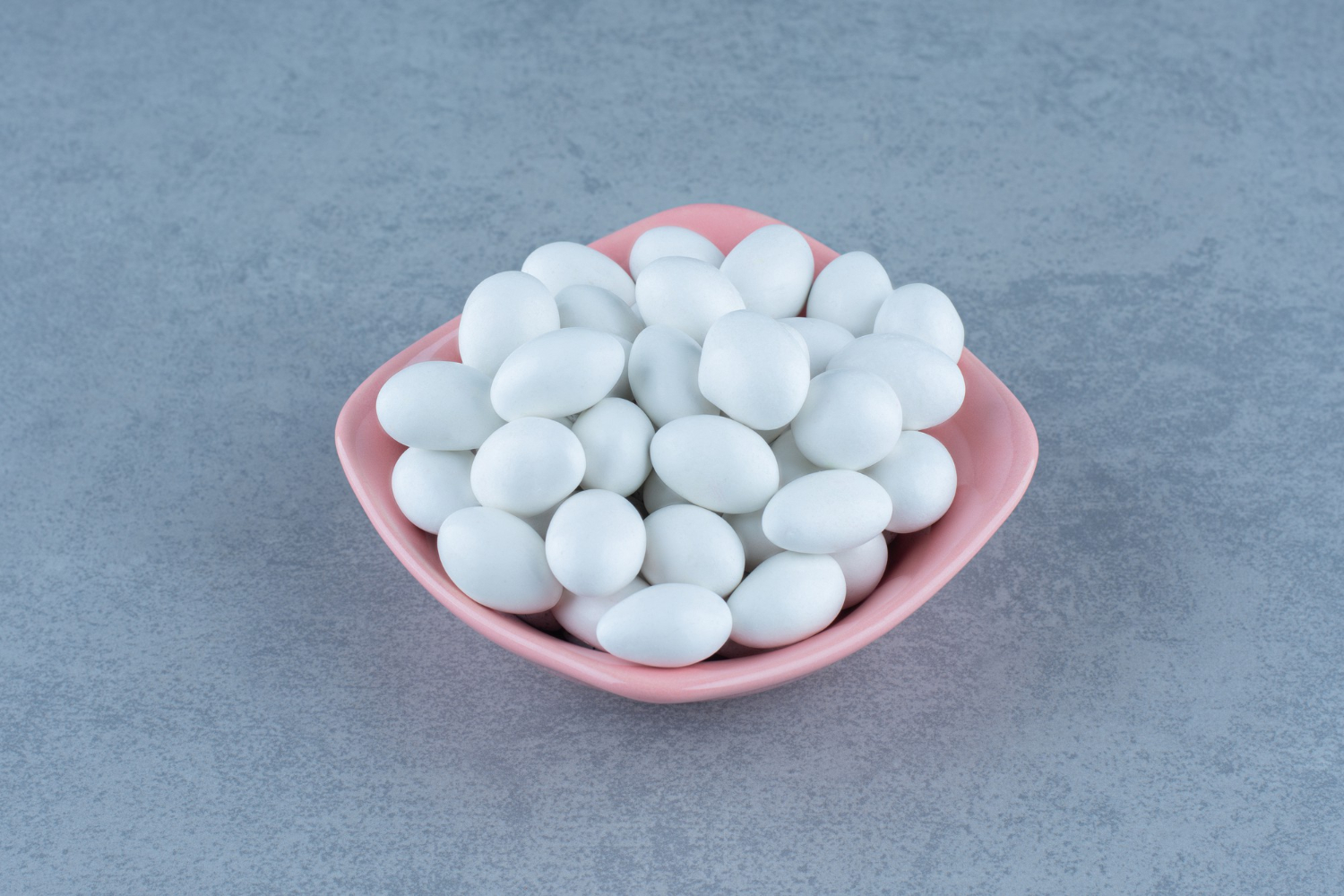
Soda ash light presents as a fine, fluffy white powder with crystalline structure visible under magnification. The powder consists of small particles typically measuring 150 micrometers or less in diameter, creating substantial surface area relative to mass. This fine particle distribution results from direct production via the Solvay ammonia-soda process, where sodium chloride reacts with ammonia and carbon dioxide to precipitate sodium bicarbonate, which then converts to sodium carbonate through heating.
Key physical characteristics:
- Particle morphology: Small irregular crystals with rough surfaces
- Flow properties: Free-flowing when dry, prone to bridging in humid conditions
- Dust generation: Significant airborne particles during transfer and handling
- Compaction tendency: Minimal clumping under normal storage conditions
- Visual appearance: Bright white color indicates high purity
The lightweight, powder consistency makes soda ash light easy to disperse in liquids but creates handling challenges in industrial environments. The material readily becomes airborne during transfer operations, requiring dust collection systems and personal protective equipment. However, this same characteristic enables excellent mixing and rapid incorporation into formulations where even distribution matters.
Soda Ash Dense
Soda ash dense appears as larger granular crystals ranging from white to light grey, with particle sizes between 250-500 micrometers. These denser granules form through additional processing of light soda ash or direct production from natural trona deposits. The recrystallization process involves dissolving light soda ash in hot water, then carefully controlling cooling and evaporation to grow larger, denser crystals. Some manufacturers achieve similar results through mechanical compaction or prilling technologies.
Distinguishing physical features:
- Granule structure: Larger, more uniform particles with smoother surfaces
- Bulk handling: Superior flow characteristics through hoppers and conveyors
- Dust suppression: Minimal airborne particles during normal operations
- Compaction resistance: Maintains free-flowing nature during extended storage
- Moisture absorption: Lower surface area reduces hygroscopic tendency
The granular nature significantly improves handling efficiency in automated systems. Material flows predictably through feeders, augers, and pneumatic conveying equipment without bridging or ratholing that plagues fine powders. Reduced dust generation improves workplace air quality and minimizes product loss during transfer operations. These handling advantages often justify the modest price premium for high-volume operations.
Dissolution and Solubility Behavior
Water solubility represents a critical functional parameter determining which soda ash grade suits specific applications. While both forms achieve complete dissolution and identical final alkalinity, dissolution kinetics differ substantially based on particle size and available surface area.
Soda Ash Light
The fine particle structure of soda ash light creates extensive surface area exposed to water molecules during dissolution. This geometry enables rapid dissolution rates that prove essential in applications requiring fast pH adjustment or quick incorporation into liquid formulations. When added to water, light soda ash particles hydrate and dissolve within minutes, sometimes achieving complete dissolution in under 3-5 minutes with adequate agitation.
Temperature significantly affects dissolution speed. Cold water below 15°C slows dissolution compared to ambient temperatures, though light grade still outperforms dense grade at equivalent temperatures. The rapid dissolution characteristic makes light grade particularly valuable in continuous processes where materials must fully dissolve within short residence times.
Dissolution advantages:
- Quick pH response in water treatment systems
- Rapid incorporation into liquid detergent blending
- Efficient use in batch chemical reactions with short cycle times
- Effective in dyeing processes requiring immediate alkalinity
- Minimal undissolved particles in finished formulations
However, the fine particles can create temporary clouding or slight foaming during vigorous dissolution, requiring formulators to optimize addition rates and agitation methods. The same large surface area that accelerates dissolution also increases reactivity with atmospheric moisture during storage if packaging integrity fails.
Soda Ash Dense
Dense grade soda ash dissolves somewhat more slowly due to its larger particle size and reduced surface area per unit mass. The granules require additional time for water penetration and crystal breakdown, typically achieving complete dissolution in 5-10 minutes under standard agitation conditions. This moderate dissolution rate suits applications where material remains in contact with water for extended periods or where ultra-rapid dissolution provides no additional benefit.
The slower dissolution proves advantageous in certain scenarios. Gradual pH adjustment prevents overshooting target alkalinity in sensitive water treatment applications. Controlled release of carbonate ions during glass melting allows better integration into the molten matrix. Some chemical processes benefit from staged alkalinity increases rather than immediate full strength.
Practical dissolution characteristics:
- Controlled pH adjustment prevents treatment overshoot
- Reduced foaming during addition to liquid systems
- Lower dusting during handling near aqueous environments
- Predictable dissolution kinetics for automated dosing systems
- Suitable for processes with extended contact time
Dense grade demonstrates more predictable behavior across temperature variations. While cold water still slows dissolution, the difference between hot and cold water dissolution rates is less pronounced than with light grade. This consistency simplifies process control in facilities experiencing seasonal temperature fluctuations.
Industrial Applications
Application requirements determine which physical form delivers optimal performance and value. While both grades can technically serve most applications, process-specific factors make one grade clearly preferable for particular uses.
Soda Ash Light
Light grade finds its primary applications in sectors where rapid dissolution, precise dosing, and intimate mixing with other components prove critical. The detergent industry represents a major consumer, incorporating light soda ash into powder and liquid formulations where it provides alkalinity, water softening, and pH buffering.
Water treatment facilities extensively use light grade for pH adjustment in municipal and industrial systems. The fast dissolution enables quick response to pH fluctuations, maintaining water chemistry within tight specifications. Dosing accuracy improves because the fine powder disperses evenly through treatment vessels without settling or creating concentration gradients.
Primary application sectors:
- Powder detergent manufacturing requiring even distribution
- Liquid detergent and soap formulations
- Municipal water treatment for pH control
- Textile dyeing as fixing agent for reactive dyes
- Pharmaceutical production requiring high purity grades
- Food industry applications (E500) for pH adjustment
- Laboratory reagent use
The chemical industry uses light grade in synthesis reactions where rapid carbonate ion availability affects reaction kinetics or product quality. Smaller manufacturers and laboratories prefer light grade for its ease of weighing and measuring precise quantities needed for formulation development or quality control work.
Soda Ash Dense
Dense grade dominates applications where dissolution speed matters less than handling efficiency, storage economy, or process-specific requirements. Glass manufacturing, consuming approximately 50% of global soda ash production, overwhelmingly specifies dense grade. The granules flow smoothly through automated batching systems, generate minimal dust in furnace areas, and provide consistent behavior during high-temperature melting.
Metallurgical operations use dense grade as flux in smelting processes. The granular form withstands the physical handling and mixing with ores and other materials without breaking down into dust that could be lost through exhaust systems. The controlled dissolution in molten metal baths aids proper slag formation and impurity removal.
Major dense grade applications:
- Glass manufacturing (flat glass, containers, specialty glass)
- Metallurgical flux in aluminum, copper, and steel production
- Pulp and paper chemical recovery cycles
- Flue gas desulfurization in power plants
- Industrial wastewater pH adjustment with large volumes
- Soap manufacturing where batch times accommodate slower dissolution
- Oil refining processes
The oil and gas industry employs dense grade in drilling fluids and production operations where physical stability during handling and consistent performance under harsh conditions outweigh dissolution speed considerations. Construction materials, particularly certain cement formulations, incorporate dense grade for its predictable behavior during mixing and setting processes.
Storage, Handling and Transportation

Practical considerations around material storage, workplace safety, and logistics costs often prove as important as application performance when selecting between soda ash grades. The physical property differences create distinct advantages depending on facility infrastructure and operational priorities.
Soda Ash Light
Light soda ash’s lower bulk density means storage facilities must accommodate larger volumes to house equivalent tonnage compared to dense grade. A facility storing 100 tonnes of light grade requires approximately 130-140 cubic meters of storage volume versus 90-100 cubic meters for the same weight of dense material. This 30-40% volume difference affects warehouse sizing, silo capacity, and inventory management strategies.
The fine powder nature creates handling challenges requiring specialized equipment and procedures. Dust collection systems become mandatory at transfer points to maintain workplace air quality and prevent product loss. Personal protective equipment including respirators protects workers from inhalation exposure during bag handling or bulk loading operations.
Storage and handling considerations:
- Larger storage volume requirements per ton of product
- Dust control systems essential at all transfer points
- Moisture protection critical due to high surface area
- Bag handling generates airborne particles without proper controls
- Packaging typically in 25kg or 50kg bags for manageable units
- Specialized pneumatic conveying for bulk installations
Transportation economics favor dense grade when moving material over long distances. Light grade occupies more truck or container space per ton, resulting in higher freight costs per unit weight. However, regional availability and proximity to production facilities may offset these disadvantages if light grade sources exist nearby while dense grade requires long-distance shipping.
Soda Ash Dense
Dense grade offers substantial advantages in storage efficiency and handling safety. The higher bulk density translates directly to reduced storage volume requirements, enabling facilities to maintain larger inventories in existing structures or build smaller silos for equivalent capacity. A warehouse optimized for dense grade can hold significantly more product, improving inventory management and reducing reorder frequency.
Handling characteristics of dense grade minimize workplace exposure concerns and product losses. The minimal dust generation during transfer operations improves visibility and air quality in production areas. Workers experience less respiratory irritation, and facilities spend less on dust collection equipment maintenance and filter replacement.
Handling and logistics benefits:
- 30-40% less storage space required per ton
- Minimal dust generation during handling operations
- Excellent flow properties in automated systems
- Lower moisture pickup during storage
- Bulk packaging in supersacks or direct tanker delivery common
- Reduced freight costs per ton due to higher packing density
Transportation cost analysis consistently favors dense grade for long-distance shipping. The improved packing efficiency means more product per truckload or container, reducing the per-ton freight expense by 20-30% compared to light grade. For manufacturers operating far from soda ash production centers, these savings can offset any price premium dense grade commands over light grade.
Conclusion
The choice between soda ash light vs dense ultimately depends on specific application requirements, facility infrastructure, and economic considerations rather than chemical performance differences. Both grades deliver identical alkalinity and chemical reactivity once dissolved, making physical properties and process compatibility the primary selection criteria. Light grade excels in applications demanding rapid dissolution, precise dosing, and intimate mixing, particularly in detergent formulations, water treatment, and fine chemical production. Dense grade dominates where handling efficiency, storage economy, and process robustness matter most, especially in glass manufacturing, metallurgy, and bulk industrial applications.
Understanding the soda ash light and dense difference enables informed procurement decisions that optimize both operational performance and total cost of ownership. Manufacturers should evaluate dissolution requirements, storage capacity, handling equipment capabilities, and transportation distances when specifying grade requirements. The modest price difference between grades often proves insignificant compared to the operational advantages gained through proper grade selection.
For manufacturers requiring soda ash light, dense, or other industrial chemicals with reliable quality specifications, Elchemy’s technology-driven platform connects buyers with verified suppliers across global markets. Founded by IIT Bombay engineer Hardik Seth and IIT Delhi engineer Shobhit Jain, Elchemy streamlines chemical sourcing with transparent pricing, complete documentation including certificates of analysis, and dependable supply chains supporting production from glass manufacturing through specialty chemical formulations.