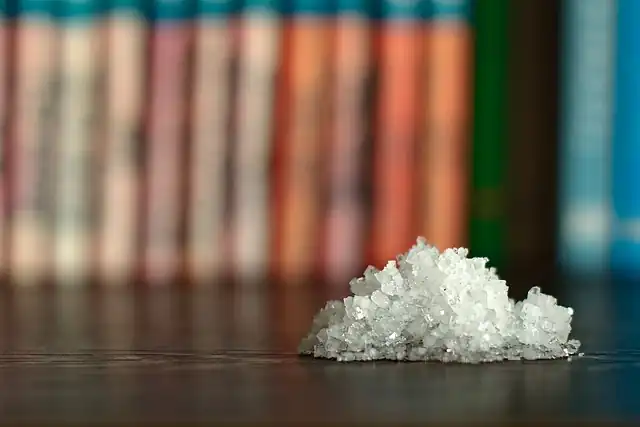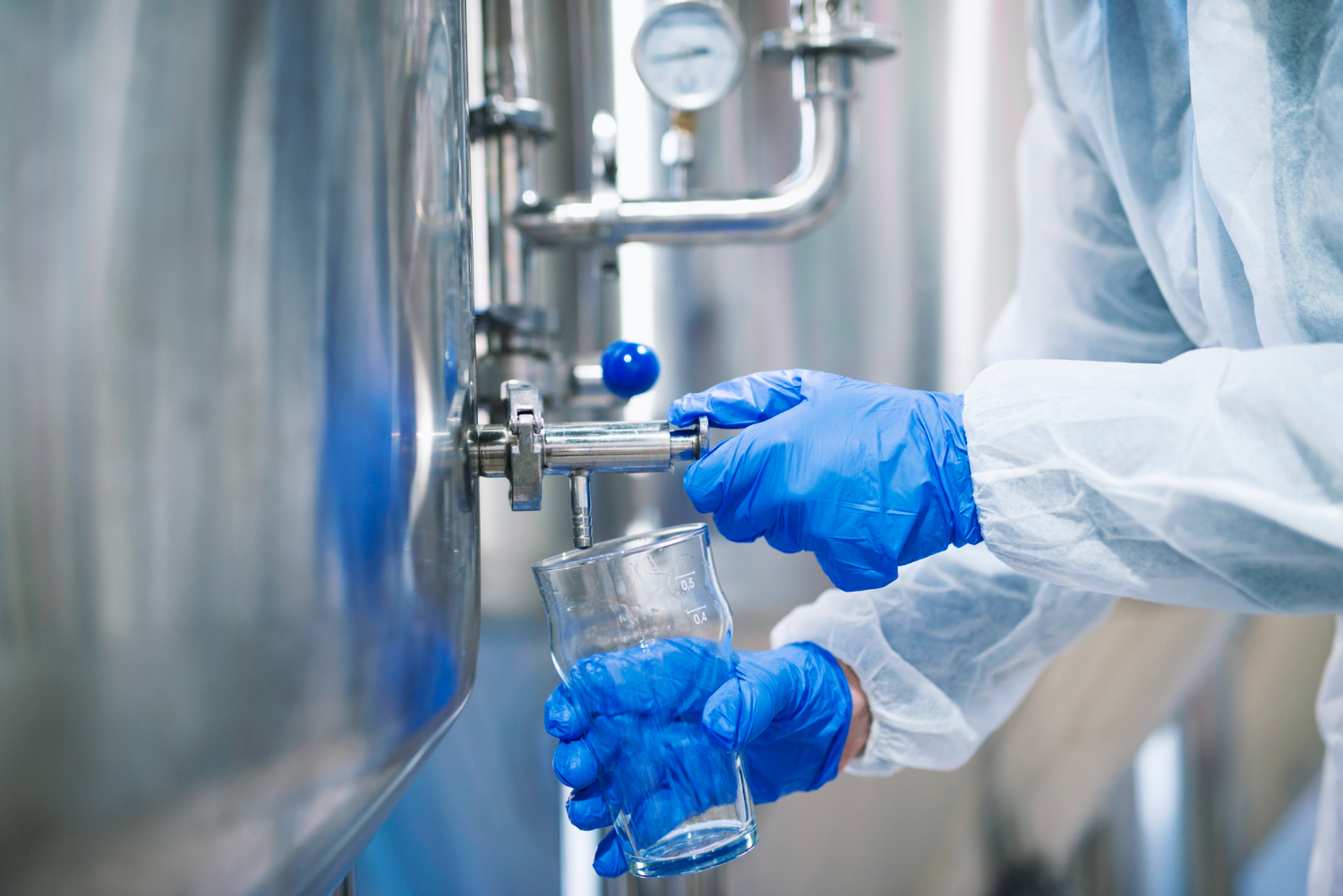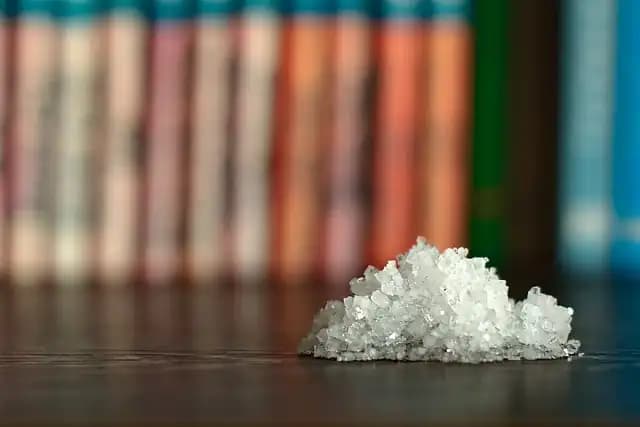


Phenol holds a unique place in medical history. Joseph Lister introduced phenol cleaning to surgery in 1867, dramatically reducing post-operative infections and revolutionizing antiseptic practices. This colorless to white crystalline compound, also known as carbolic acid, became medicine’s first widely adopted disinfectant despite its corrosive properties and toxic potential.
Today, phenol cleaning remains relevant in specific applications but has largely been replaced by safer alternatives in general use. Understanding where phenol still appears, how it works, and what risks it poses helps both industrial users and consumers make informed decisions about cleaning and disinfection.
What Is Phenol Cleaning?
Phenol cleaning refers to using phenol or phenolic compounds as disinfectants to kill bacteria, fungi, and viruses on surfaces or in wounds. The compound works through multiple mechanisms: disrupting cell walls, denaturing proteins, and acting as a protoplasmic poison that causes cell death and necrosis.
Pure phenol demonstrates bacteriostatic activity at 0.1-1% concentrations and becomes bactericidal and fungicidal at 1-2%. A 5% solution can kill anthrax spores within 48 hours. The antimicrobial effectiveness increases with warm temperatures and EDTA presence but decreases in alkaline environments, when mixed with lipids or soaps, or at cold temperatures.
Key properties making phenol effective:
- Penetrates organic matter well
- Dual hydrophilic and lipophilic nature allows it to break through cell membranes
- Works against wide range of microorganisms
- Maintains activity in presence of some organic materials
However, concentrations above 0.5% exert local anesthetic effects, while 5% solutions become strongly irritating and corrosive to tissues. This narrow therapeutic window between effectiveness and toxicity explains phenol’s declining use.
Cleaning Products With Phenol: Where They Appear Today
Hospital and Healthcare Settings
Healthcare facilities historically relied heavily on phenolic disinfectants, though usage has decreased significantly. Current applications include:
Environmental surface disinfection:
- Bedside tables and bedrails
- Laboratory surfaces and equipment
- Non-critical medical device decontamination
- Floor cleaning in patient care areas
Pre-sterilization cleaning:
- Surgical forceps and instruments before high-level disinfection
- Endoscopes prior to sterilization
- Reusable medical equipment preparation
Phenolic germicides used in hospitals typically contain substituted phenols like o-phenylphenol rather than pure phenol, reducing toxicity while maintaining antimicrobial action.
Household Disinfectants
Cleaning products with phenol appear in some household items, though manufacturers have progressively removed phenolic compounds from consumer formulations due to toxicity concerns.
Products that may contain phenolics:
- Some traditional household disinfectants (Lysol historically contained phenol)
- Toilet bowl cleaners
- Stable and barn disinfectants
- Heavy-duty floor cleaners
Modern formulations often use substituted phenols like:
- Parachlorometaxylenol (PCMX)
- Dichlorometaxylenol (DCMX)
- O-phenylphenol
- Triclosan (now largely banned)
These derivatives offer antimicrobial activity with somewhat reduced toxicity compared to pure phenol, though safety concerns persist with prolonged exposure.
Specialized Applications
Certain industries continue using phenolic cleaning agents where their specific properties justify the handling challenges:
Veterinary medicine: Disinfecting animal facilities, equipment, and treating infected wounds
Industrial cleaning: Equipment sterilization in food processing and pharmaceutical manufacturing
Laboratory use: Decontaminating biological materials scheduled for disposal
Safety Concerns and Toxicity

The very properties making phenol an effective disinfectant also make it dangerous to humans. Understanding these risks is critical for anyone handling phenolic products.
Skin Contact Hazards
Phenol absorption through intact skin occurs readily and rapidly. Dermal exposure creates painless white discoloration initially, which can progress to:
- Erythema and blistering
- Full-thickness chemical burns
- Necrosis in severe cases
- Brown staining or hyperpigmentation
- Chemically induced vitiligo with repeated exposure
The painless nature of phenol burns creates particular danger. The local anesthetic effect means victims may not realize they’ve been burned until serious damage occurs.
Systemic Toxicity
Once absorbed, phenol distributes widely throughout the body within minutes, potentially affecting multiple organ systems:
Central nervous system effects:
- Seizures
- Depressed mental status
- Respiratory depression
- Coma in severe cases
Cardiovascular impacts:
- Irregular heart rhythms
- Cardiovascular collapse
- Hypotension
Other organ damage:
- Liver toxicity
- Kidney dysfunction
- Pulmonary damage
- Hematologic effects
The toxicity applies to all exposure routes—dermal, inhalation, and ingestion. Extensive skin application or oral ingestion of concentrated phenol can prove fatal.
Special Population Risks
Certain groups face heightened risks from phenol exposure:
Infants: Case reports documented jaundice and skin discoloration in infants placed in bassinets cleaned with phenolic disinfectants. Manufacturers must thoroughly rinse equipment used on infants or avoid phenolic products entirely.
Pregnant women: Phenol should not be used on pregnant women due to systemic absorption risks.
Workers: Occupational exposure through repeated handling requires protective equipment and exposure monitoring.
Proper Handling and Safety Precautions
Organizations using phenolic cleaning products must implement strict safety protocols.
Required personal protective equipment:
- Impermeable gloves (phenol penetrates latex)
- Safety goggles or face shields
- Protective clothing covering all skin
- Respiratory protection in poorly ventilated areas
OSHA exposure limits:
- Permissible exposure limit: 5 ppm over 8-hour shift
- Employers must monitor workplace air levels
- Medical surveillance required for exposed workers
Handling instructions:
- Always dilute according to manufacturer specifications
- Never use higher concentrations thinking “more is better”
- Rinse cleaning equipment thoroughly with fresh water after use
- Store properly diluted solutions in labeled containers
- Dispose of concentrated phenol as hazardous waste
Decontamination Procedures
Immediate action following phenol exposure can prevent severe injury:
Skin contact:
- Remove contaminated clothing immediately
- Flush affected area with large amounts of water for at least 15-20 minutes
- Some protocols recommend polyethylene glycol for decontamination
- Seek medical attention even for small exposures
Eye contact:
- Flush with water for minimum 15 minutes
- Hold eyelids open to ensure thorough rinsing
- Seek emergency medical care immediately
Inhalation:
- Move to fresh air
- Administer oxygen if available
- Monitor for respiratory distress
Why Phenol Use Has Declined
Modern cleaning and disinfection has largely moved away from phenolic compounds for several compelling reasons:
Safety concerns: The narrow margin between effective concentration and toxic dose makes phenol inherently dangerous.
Better alternatives: Quaternary ammonium compounds, hydrogen peroxide, and other disinfectants offer comparable antimicrobial action with improved safety profiles.
Regulatory pressure: OSHA, EPA, and FDA restrictions limit phenol use in various applications.
Liability issues: The burn and toxicity risks create legal exposure for manufacturers and users.
Environmental impact: Phenol contamination of waterways poses ecological risks.
Alternative disinfectants now dominate healthcare, institutional, and household cleaning markets. These products often match phenol’s antimicrobial effectiveness while significantly reducing health and safety risks.
Conclusion
Phenol cleaning revolutionized antiseptic surgery and disinfection practices when introduced over 150 years ago. Its powerful antimicrobial properties made it indispensable despite recognized toxicity. Today, phenol’s role has contracted to specialized applications where its unique properties justify careful handling requirements. For most cleaning and disinfection needs, modern alternatives provide effective microbial control without phenol’s corrosive nature and systemic toxicity risks. When cleaning products with phenol must be used, strict adherence to safety protocols, proper dilution, thorough equipment rinsing, and appropriate protective equipment become non-negotiable requirements for protecting workers and end users from this historic but hazardous chemical’s toxic effects.