

At a Glance
- Citral is a mixture of two monoterpene aldehydes, geranial and neral, widely used as both a fragrance and flavour ingredient in food, beverages, and various cosmetic and household products due to its distinct lemon-like pleasant odour
- The FDA includes citral in its list of substances considered Generally Recognized as Safe (GRAS) as a synthetic flavoring substance
- In Europe, citral is included in the list of allergenic substances; its presence must be declared when concentration exceeds 0.001% in leave-on products and 0.01% in rinse-off products
- Citral, geranial, and neral are facing new EU restrictions in 2025, requiring brands to review formulations
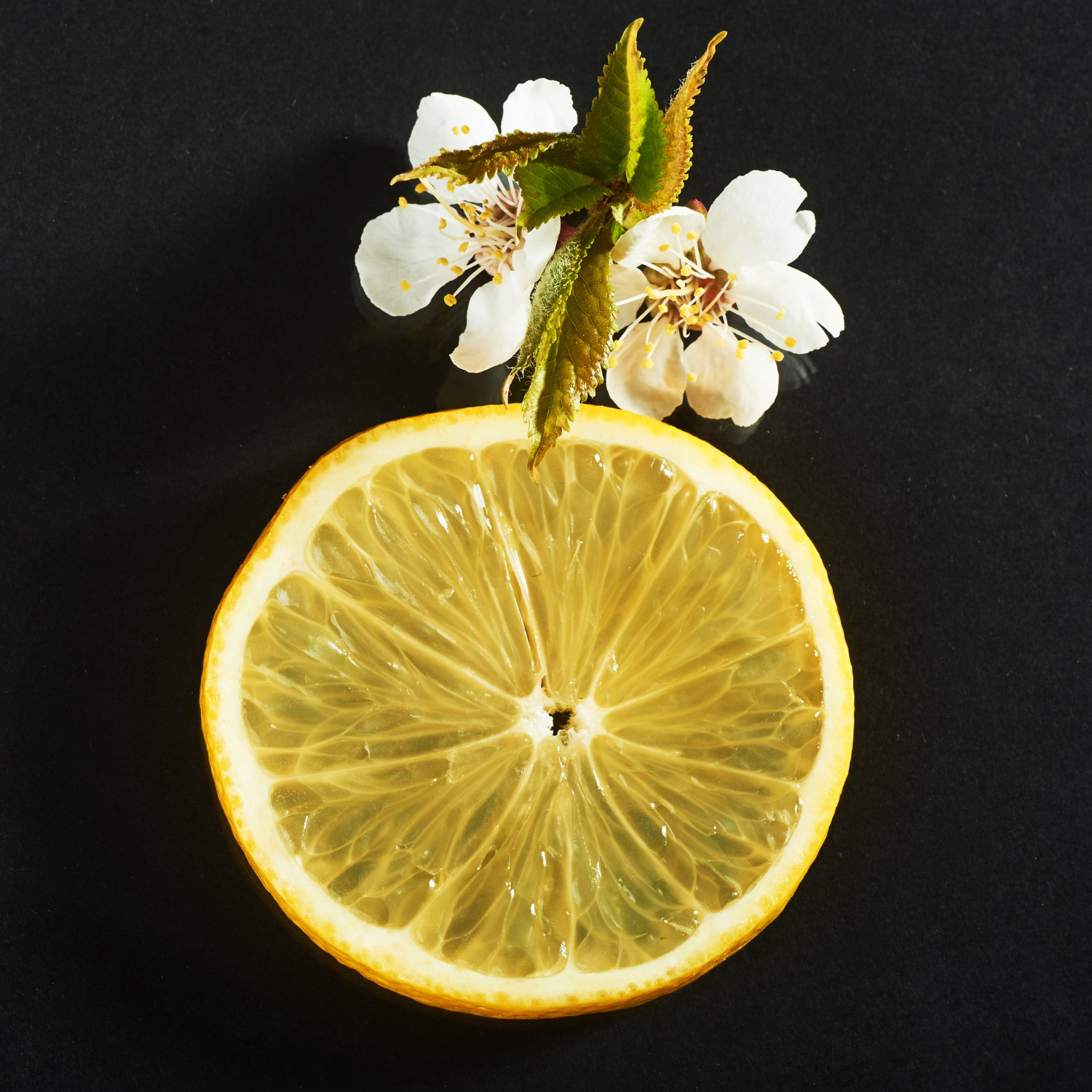
- Natural sources: lemongrass, lemon myrtle, litsea cubeba, verbena, and orange and lemon trees
- Also produced synthetically at commercial scale for fragrance and flavour industries
- Data show that citral is not genotoxic; it has been evaluated across genotoxicity, repeated dose toxicity, reproductive toxicity, skin sensitization, and environmental safety endpoints
Turn over almost any scented skincare product, perfume, or household cleaner and somewhere in that ingredient list you will likely find citral. It is one of the most widely used fragrance ingredients in the world, responsible for that sharp, bright, freshly-squeezed citrus note that makes a product smell clean and uplifting. For US consumers reading labels more carefully than ever, and for formulators navigating an increasingly complex regulatory environment, the question of what is citral goes well beyond just knowing it smells like lemons.
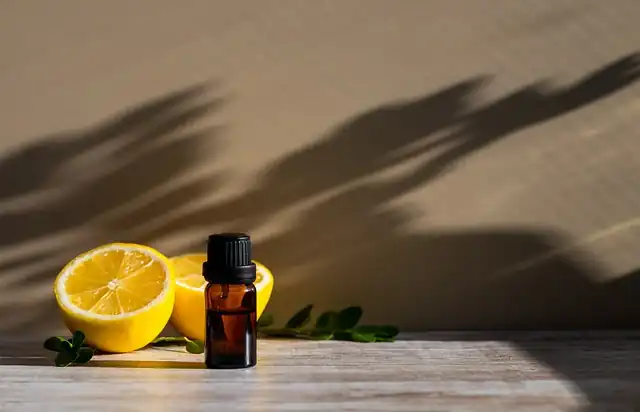
Citral is a naturally occurring component of the oil of several plants, including lemongrass, lemon myrtle, lemon, and orange trees. It can also be produced synthetically and is used in the formulation of many types of products, including aftershave lotions, bath products, moisturizers, perfumes and colognes, skincare products, and suntan products. Understanding where it comes from, what it does in formulations, and what the current regulatory landscape looks like is increasingly relevant for anyone working in personal care or sourcing fragrance ingredients.
What Is Citral: Chemistry and Sources

Citral, also known as lemonal, is a fragrance agent present in significant quantities in lemongrass oil, but also in essential oils of orange, lemon, or verbena. Upon exposure to air and due to the effect of skin cell metabolism, geraniol oxidizes to produce aldehydes, which are geranial or citral A, and neral or citral B. These two trans and cis isomers combine to form citral.
In practical terms, geranial is the more potent of the two isomers with a strong, sharp lemon odor, while neral is softer and slightly sweeter. Most commercial citral is a blend of both, with the ratio between them varying depending on the natural source or the synthetic production method.
How citral reaches commercial formulations:
- Steam distillation of botanical sources – Lemongrass oil from India and Sri Lanka contains high concentrations of citral. Litsea cubeba from China is another major commercial source. Lemon myrtle plantations in Australia also yield citral-rich oils
- Synthetic production – Citral is manufactured synthetically on a large scale from petrochemical feedstocks including isobutylene and formaldehyde. Synthetic citral is chemically identical to the natural compound and dominates commercial fragrance supply because of price and consistency
- Fractional purification – Perfumers can further refine essential oils, isolating citral to tighten aroma profiles or remove harsher notes
The essential oil derived from verbena leaves is composed of 22% citral and 27% geraniol, while the essential oil from lemongrass contains 16% citral and 19% geraniol.
What Is Citral in Skincare: Its Role in Formulations
In cosmetology, citral is classified among aromas and fragrance agents. Besides providing a lemony note in perfumes or treatments such as creams, masks, and others, citral is also used to enrich lemon oil. Moreover, this ingredient is adopted in the synthesis process of vitamin A, ionone, and methylionone.
That last point is significant and often overlooked. Citral is not just a fragrance ingredient. It is also an important industrial chemical intermediate used in the synthesis of:
- Vitamin A (retinol) and beta-carotene, making it critical to pharmaceutical and nutritional ingredient supply chains
- Ionones and methylionones – violet and woody fragrance compounds used across fine fragrance
- Geraniol and other terpenoids via chemical conversion
In personal care formulations specifically, citral in skincare shows up in multiple product categories:
| Product Type | Role of Citral | Typical Use Level |
| Fine fragrance and perfume | Primary citrus top note | 0.1 to 2% |
| Moisturizers and face creams | Fragrance, masking | Below 0.001% in many clean formulas |
| Shampoo and conditioner | Fragrance, fresh scent profile | 0.01 to 0.1% |
| Body wash and shower gel | Fragrance, rinse-off | 0.01 to 0.5% |
| Aftershave and toners | Fragrance | 0.05 to 0.3% |
| Suntan and after-sun products | Fragrance | Low levels |
| Household cleaning products | Fragrance, masking | Higher levels than cosmetics |
Safety Profile: What the Research Actually Says
The safety of citral has been evaluated by the Research Institute for Fragrance Materials Expert Panel (REXPAN). Based on this evaluation, an International Fragrance Association (IFRA) Standard has been established. The IFRA Standard restricts the use of citral in fragrances because of potential sensitization.
The core concern with citral is contact sensitization, meaning repeated exposure can trigger allergic reactions in a subset of people even at low concentrations. Citral is associated with allergies and contact dermatitis.
What the safety data actually shows:
- Citral is not genotoxic. Data on citral provide a calculated margin of exposure greater than 100 for repeated dose toxicity and developmental and reproductive toxicity endpoints
- The SCCS concluded that, based on the QRA2 methodology, citral is considered safe at the proposed concentrations in cosmetic products, though they noted the methodology still requires further clarification and refinement
- Sensitization potential is real but concentration-dependent. At the IFRA-recommended limits for each product category, the risk is managed rather than eliminated
Cross-reactivity is a relevant concern: sensitivity to citral often overlaps with issues around geraniol, hydroxycitronellal, and citrus peel extracts. If a natural cleaner causes a reaction, checking the skincare routine for citral-containing products is a useful troubleshooting step.
Regulatory Status: US vs EU in 2026
The regulatory picture for citral is notably different on each side of the Atlantic, which matters for any brand selling or formulating for both markets.
In the United States
The FDA includes citral in its list of substances considered Generally Recognized as Safe as a synthetic flavoring substance. The Flavor and Extract Manufacturers Association Expert Panel has reviewed the safety of citral and determined that it is GRAS for use as a flavoring substance.
In cosmetics specifically, the FDA does not impose concentration limits on citral. The Cosmetic Ingredient Review defers fragrance ingredient assessment to the IFRA program, meaning IFRA standards are the practical regulatory benchmark for US formulators.
In the European Union
The situation is more prescriptive and tightening further. EU manufacturers of cosmetics and personal care products are required to indicate the presence of citral in the list of ingredients if it is present above 0.001% in leave-on products and 0.01% in products that are rinsed off the skin. Citral is included in the EU 26 list of potential cosmetic allergens.
In 2025, citral, geranial, and neral are among ingredients facing new EU restrictions, requiring brands to review formulations, update safety documentation, and assess potential reformulations to avoid market disruption. Brands selling into Europe need to treat this as an active compliance issue, not a future concern.
IFRA Limits: The Practical Numbers
IFRA sets concentration limits for citral by product category. These are the numbers formulators actually work with:
| IFRA Category | Example Products | Citral Limit |
| Category 1 | Lip products, baby products | Very low, typically under 0.1% |
| Category 4 | Body lotion, face cream (leave-on) | Around 0.6 to 1% |
| Category 5 | Deodorant, body spray | Around 0.5% |
| Category 9 | Rinse-off body wash, shampoo | Higher limits than leave-on |
| Category 11 | Household surface cleaners | Higher limits than personal care |
The key distinction is always leave-on versus rinse-off. Leave-on products have stricter limits because cumulative skin exposure is higher. Citral in skincare specifically means formulators of moisturizers, serums, and eye creams need to be most careful about concentration levels.
Who Should Be Most Cautious
Not everyone reacts to citral. The sensitization risk is real but affects a specific population:
- People with existing fragrance allergies, particularly to lemongrass, verbena, or citrus-derived products
- Individuals with eczema or compromised skin barriers, where sensitization threshold is lower
- Those sensitive to geraniol and hydroxycitronellal, due to cross-reactivity with citral
- Anyone using multiple citral-containing products daily, where cumulative exposure adds up across leave-on products, rinse-off products, household products, and ambient fragrance
Aerosolised citral, such as in sprays or diffusers, can trigger respiratory irritation in reactive users even if skin tolerance seems fine. This is worth noting for spray format personal care products and air fresheners.
Practical guidance for sensitive consumers:
- Check INCI lists for citral, geranial, and neral as separate entries
- Note that natural lemon and lemongrass extracts will also contain citral without it being listed separately if the extract itself is the declared ingredient
- Store citrus-scented skincare in cool, dark conditions and finish within six months, as oxidation of citral over time increases its sensitization potential
Citral in Natural vs Synthetic Form: Does the Source Matter?
This question comes up frequently in clean beauty discussions. The answer is: chemically, no. Synthetic citral and natural citral are the same molecule with the same fragrance profile and the same sensitization potential. The source does not change the safety profile.
What does differ is the supply chain story:
- Natural citral from lemongrass or litsea cubeba carries a botanical origin claim and is compatible with natural and organic certifications. Lemongrass is often grown by smallholder farmers, meaning fair pricing and cooperative sourcing models matter to avoid exploitation in the supply chain
- Synthetic citral offers price stability, consistent purity, and no agricultural variability. It dominates industrial fragrance and flavour applications for exactly these reasons
For clean beauty brands, the choice often comes down to certification requirements and positioning rather than safety. For pharmaceutical and food applications where citral is used as a vitamin A precursor, synthetic grades are standard.
Conclusion
So what is citral, in practical terms for US formulators and manufacturers? It is one of the most commercially important fragrance and flavour ingredients in the world, a chemical intermediate for vitamin A and fine fragrance synthesis, a naturally occurring component of dozens of essential oils, and an ingredient that requires careful concentration management because of its well-documented sensitization potential.
Understanding what is citral in skincare specifically means knowing it brings real formulation value in terms of scent profile and versatility, but that value comes with compliance obligations that are tightening, particularly in the EU. For brands formulating for both US and international markets in 2026, staying ahead of IFRA limits and EU allergen labelling requirements is not optional.
For manufacturers and formulators sourcing citral, lemongrass oil, litsea cubeba oil, or related fragrance and flavour raw materials at scale, Elchemy connects buyers with verified global suppliers offering complete technical documentation, batch-specific certificates of analysis, and supply chains built for the compliance demands of the US and international personal care market.