

If you’ve picked up a sports drink, electrolyte water, energy drink, or functional beverage in the past few years, there’s a strong chance potassium citrate was sitting on the ingredient list. Sometimes it’s prominent, called out as part of an electrolyte blend on the front of the label. Sometimes it’s buried near the bottom of the panel.
Either way, this single ingredient has quietly become one of the most strategic decisions beverage formulators are making in 2026. The reasons go beyond just adding potassium to a drink.
Potassium citrate solves multiple formulation problems at once, fits the clean-label positioning that consumers increasingly demand, and delivers a functional advantage over older potassium sources that beverage brands relied on for decades.
This piece breaks down what potassium citrate actually does in beverage formulations, why drink brands across categories are reformulating around it, where regulatory and consumer pressures are shaping its growth, and what’s coming next as the functional beverage category continues expanding.
The ingredient doing the quiet work
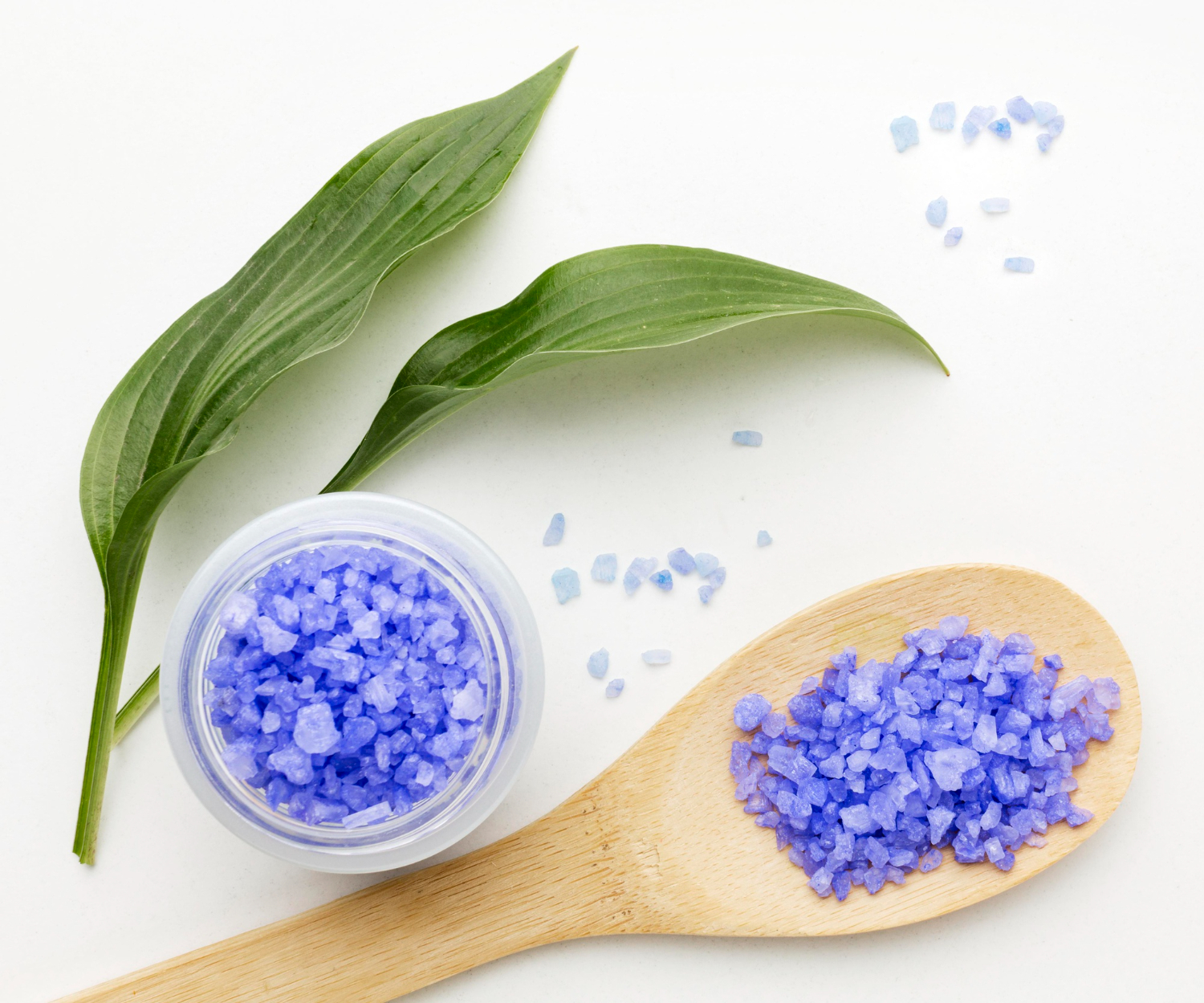
Potassium citrate is the potassium salt of citric acid, produced by neutralizing citric acid with potassium hydroxide or potassium carbonate. It’s an odorless white crystalline powder, highly water-soluble, and FDA-approved as Generally Recognized as Safe under 21 CFR 184.1625.
In beverages, it serves three core functions that overlap in ways simpler ingredients can’t match. It delivers potassium as an electrolyte. It works as a pH buffer to control acidity and stability. It functions as a flavor modifier that softens the harsh tang of citric acid without flattening the brightness consumers expect.
The combination is what makes it valuable. A beverage formulator could deliver potassium through potassium chloride, but the salty-metallic taste is hard to mask in low-calorie products. They could buffer pH with sodium citrate, but that adds sodium that many consumers actively want to limit.
Potassium citrate handles both jobs at once, contributing meaningful potassium content without the off-taste of potassium chloride and providing pH stability without piling on sodium. That dual-function efficiency explains why it has displaced older formulation approaches across multiple beverage categories.
Understanding how this plays out in specific beverage categories shows where the ingredient is actually earning its position.
Where potassium citrate is showing up in US drink categories
The sports and electrolyte beverage category is the largest single use, and the formulation logic is direct. Sports drink consumers expect specific electrolyte content (sodium, potassium, sometimes magnesium and calcium) to support hydration during and after exercise.
The traditional sports drink approach paired sodium chloride with potassium chloride, but that produces the salty-metallic profile that requires heavy sugar or flavor loading to mask. Modern formulations using sodium citrate and potassium citrate deliver the same electrolyte targets with significantly better flavor compatibility, which matters for the low-sugar and zero-sugar variants that have grown to dominate the category.
Brands like Liquid I.V., Skratch Labs, LMNT, Nuun, and Cure all use citrate-based electrolyte salts as a core formulation choice rather than chloride-based alternatives. The “gut-friendly” or “no harsh taste” positioning that several of these brands lean into directly references the citrate-versus-chloride choice their formulators have made.
The electrolyte water and functional water category is the second major use. Products like Propel, Smartwater, Essentia, and emerging clean-label hydration brands use potassium citrate to deliver claimable potassium content while maintaining the clean, neutral flavor profile that water-positioned products need.
Energy drinks and functional beverages have been incorporating potassium citrate as the category expands beyond pure caffeine delivery into hydration and recovery positioning. Plant-based protein drinks, ready-to-drink coffee with functional claims, and the growing prebiotic soda category (Olipop, Poppi) all increasingly include potassium citrate as part of multi-mineral electrolyte blends.
Even traditional categories are reformulating around it. Some juice products, particularly those positioned for kidney health or low-sodium markets, use potassium citrate to deliver potassium without affecting flavor. Pediatric rehydration solutions and medical nutrition drinks rely on potassium citrate as a primary electrolyte source.
The breadth of use across these categories points to something specific about how potassium citrate fits modern beverage formulation, which connects to why brands are actively choosing it over alternatives.
What’s driving the reformulation conversation
A few forces are pushing US beverage brands toward potassium citrate that didn’t exist a decade ago. The first is consumer demand for lower-sodium products. Federal dietary guidance has emphasized sodium reduction for years, and consumer perception now treats sodium content on labels as a category to monitor closely.
Beverage formulators trying to maintain electrolyte functionality while reducing sodium have limited options. Potassium citrate lets them maintain pH stability and add potassium without contributing to the sodium total, which solves a formulation problem that sodium-based ingredients can’t.
The second force is the clean-label movement that’s reshaped ingredient choices across processed food. Citrate ingredients read as natural to consumers in a way that chloride salts and synthetic buffers don’t, even though all three are produced through industrial processes.
The third force is the genuine flavor advantage. Potassium chloride is one of the more difficult ingredients to formulate around because of its bitter-metallic taste profile. Potassium citrate dissolves cleanly, contributes mild salinity rather than aggressive bitterness, and combines smoothly with citrus-forward flavor systems that dominate the beverage category.
The fourth force, less visible to consumers but significant for brand managers, is the growing interest in heart health and blood pressure positioning. Potassium plays a direct role in cardiovascular function and blood pressure regulation, and brands targeting wellness-focused consumers can use potassium citrate to support specific health-positioning claims that simpler electrolyte salts don’t enable.
These four forces together explain why ingredient lists across the beverage category have been quietly shifting toward citrate-based mineral systems over the past five years. The reformulation tracks both consumer preferences and functional formulation needs at the same time.
How potassium citrate compares to alternative potassium sources
For formulators evaluating which potassium source fits their product, the working comparison looks like this:
| Potassium Source | Flavor Impact | Bioavailability | Label Perception | Typical Use |
| Potassium citrate | Mild, clean | High | Natural-reading | Sports drinks, electrolyte waters, functional beverages |
| Potassium chloride | Bitter, metallic | High | Chemical-reading | Older sports drink formulations, some salt substitutes |
| Potassium phosphate | Slightly salty | High | Chemical-reading | Cola formulations, certain functional products |
| Potassium bicarbonate | Mild, alkaline | High | Mineral-reading | Effervescent drinks, alkaline waters |
| Potassium gluconate | Very mild | High | Natural-reading | Specialty supplements and beverages |
The practical reality is that potassium citrate wins on the combination of flavor compatibility and label perception in modern beverage applications, while potassium chloride retains some position in older formulations and lower-cost products where flavor masking through sugar is acceptable. Potassium gluconate competes with citrate at the premium end, while bicarbonate handles specialty effervescent applications.
That competitive position has implications for procurement and supplier conversations across the beverage category.
Procurement and sourcing considerations
For beverage manufacturers buying potassium citrate at scale, a few factors shape supplier evaluation. The first is grade specification. Food-grade material under FCC compliance handles most beverage applications, but pharmaceutical-grade USP/EP material is required for medical nutrition products and pediatric rehydration solutions.
Particle size and dissolution behavior matter for specific applications. Fine-mesh potassium citrate dissolves quickly in cold-water beverage manufacturing, while coarser grades work better in dry-mix products that need to flow through automated packaging without bridging.
Source documentation is increasingly important for clean-label and clean-positioning brands. Non-GMO certification matters when potassium citrate is produced from citric acid derived from corn fermentation, which is common in US-supplied material. Kosher, halal, and vegan certifications come up regularly in the beverage supplier conversation.
Supply chain depth has become a more deliberate consideration. China dominates global citric acid production, which means potassium citrate produced from Chinese citric acid is the price-competitive default but carries supply chain risk that some procurement teams now actively manage by diversifying toward European or US-sourced material.
Beyond pricing, beverage brands working with potassium citrate are increasingly asking suppliers about specification consistency batch-to-batch, allergen control protocols, and the supplier’s ability to scale with growing functional beverage demand. The category is no longer treated as a routine commodity buy at most established brands.
That elevated scrutiny reflects how central potassium citrate has become to product formulation, which connects directly to where the broader category is heading.
What’s coming next for potassium citrate in beverages
Several trends are shaping where potassium citrate use in US beverages goes from here. The first is the continued expansion of the functional beverage category itself. Hydration drinks, prebiotic sodas, adaptogenic beverages, recovery drinks, and category crossovers (energy-plus-hydration, coffee-plus-electrolytes) all need electrolyte formulation systems, and potassium citrate is the default choice in most of them.
The second is the growing focus on bioavailability and absorption claims. Potassium citrate’s high bioavailability gives formulators something to claim that competitor minerals can’t match as cleanly. Brands targeting performance, wellness, and recovery positioning increasingly call this out on packaging.
The third is the medical and clinical beverage segment expansion. Pediatric rehydration solutions, oral rehydration products for elderly populations, and clinical nutrition drinks for hospital and care settings all use potassium citrate as a primary electrolyte source. The aging US demographic profile supports steady growth in this segment.
The fourth is the prebiotic and gut health beverage explosion. Brands like Olipop and Poppi have created an entirely new category that didn’t exist five years ago, and electrolyte fortification is becoming standard positioning even in products that aren’t primarily marketed for hydration.
The fifth is the cannabinoid-infused beverage category, which is small but growing in states where regulations allow. CBD and THC-infused functional drinks are positioning around wellness rather than pure intoxication, and electrolyte fortification fits that positioning.
These trends together point to continued growth in potassium citrate demand across US beverage manufacturing, with the supplier base, specification requirements, and procurement conversations becoming more sophisticated as the category matures.
The takeaway for beverage formulators and brand managers
Potassium citrate has earned its position in modern US beverage formulation through a combination of functional advantages that simpler alternatives can’t match. It delivers electrolyte potassium without the sodium load, provides pH buffering without flavor compromise, and reads as natural to consumers checking ingredient labels.
The reformulation wave that has shifted sports drinks, electrolyte waters, functional beverages, and even traditional categories toward citrate-based mineral systems isn’t slowing down. If anything, it’s accelerating as the functional beverage category continues expanding into new product types and consumer segments.
For brand managers and formulators, the practical question isn’t whether to use potassium citrate but how to optimize formulations around it. Multi-mineral citrate blends (potassium, sodium, magnesium, calcium) are becoming the formulation standard. Bioavailability claims, low-sodium positioning, and clean-label messaging are all leverageable through thoughtful potassium citrate use.
For procurement teams, the conversation has moved beyond unit price into supplier reliability, source documentation, certification breadth, and supply chain depth. The brands building the next generation of functional beverages are treating potassium citrate as a strategic ingredient choice rather than a commodity input, and the supplier relationships reflect that elevated importance.
The ingredient itself isn’t new. It’s been used in food and beverages for decades. What’s new is how central it has become to the formulations defining the fastest-growing segments of the US beverage market in 2026.