

Zinc deficiency affects roughly 50% of the world’s agricultural soils. Half. That’s not a small problem – it’s a global crop yield crisis playing out quietly, field by field, every planting season. And yet, finding a reliable zinc sulphate supplier who can deliver consistent quality at a competitive price? That’s where most buyers get tangled up.
Whether you’re a procurement lead at an agrochemical distributor, a farm cooperative buyer, or a manufacturing company sourcing for industrial applications, the process is messier than it should be. Prices vary wildly between quotes. Documentation gaps are common. And too many suppliers promise lab-certified product and ship something different.
This guide covers what actually matters: pricing by grade, how to vet manufacturers, the monohydrate vs heptahydrate decision and what it means for your costs, and how platforms like Elchemy are changing how global buyers source chemicals at scale.
What Is Zinc Sulphate and Why Does the Grade Matter?
Zinc sulphate is an inorganic compound with applications that go well beyond agriculture. You’ll find it in industrial manufacturing, water treatment, animal feed formulations, and even as one of the active ingredients for personal care products like anti-dandruff shampoos and topical zinc treatments. But for most bulk buyers, agriculture is the core use case.
Here’s the thing most buyers don’t sort out early enough: “zinc sulphate” is not a single product. The hydration form changes your cost, your logistics, and how effective it is in your specific application.
The two main forms:
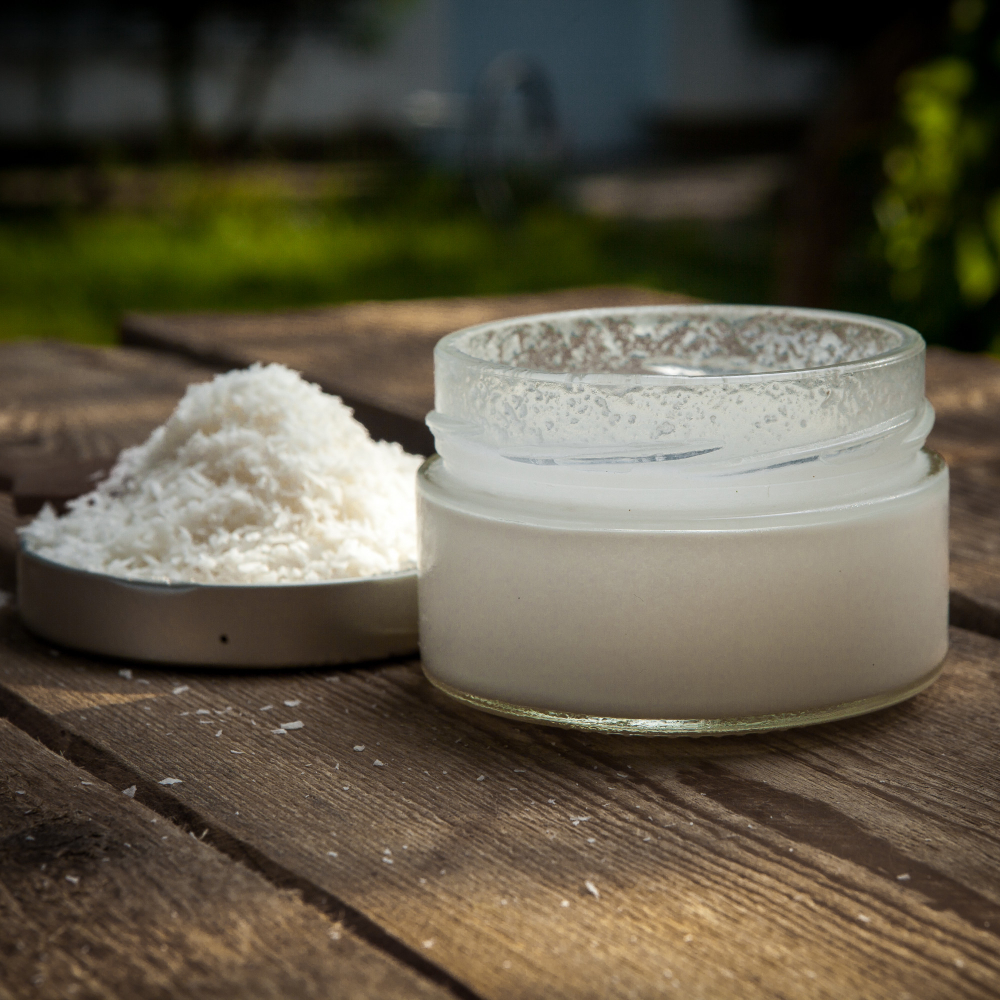
Zinc Sulphate Monohydrate (ZnSO4 · H2O): Higher zinc content, typically 35-36%. More concentrated. Works better for dry blending in NPK fertilizers, granular soil application, and concentrated foliar spray formulations. Generally the preferred choice for agriculture at scale.
Zinc Sulphate Heptahydrate (ZnSO4 · 7H2O): Lower zinc content, around 22-23%. Dissolves more readily in water. Cheaper per kilogram in absolute terms, but you need significantly more of it per hectare treated. Common in liquid fertilizer systems and some industrial processes.
The zinc sulphate monohydrate vs heptahydrate supplier question should be one of the first things you clarify before requesting any quotes. A manufacturer specializing in monohydrate production isn’t always set up to supply heptahydrate at commercial scale. Getting this wrong upfront wastes weeks.
Grade overview:
| Grade | Primary Use | Typical Zinc Content |
| Fertilizer Grade | Agriculture, soil treatment | 33-36% (mono), 21-23% (hepta) |
| Feed Grade | Animal nutrition | 35%+ (mono) |
| Technical Grade | Industrial processes | 35%+ (mono) |
| Pharma Grade | Pharmaceutical, cosmetic | 99.5%+ purity |
Most buyers in agriculture don’t need pharma-grade purity. But some suppliers will push it anyway. Know what your application actually requires before anyone starts pitching you.
Zinc Sulphate Price Per Kg: What to Expect Right Now
Pricing fluctuates more than people expect. The zinc commodity market, sulfuric acid availability, energy costs, shipping route disruptions – all of it feeds into your final landed cost. A quote from six months ago is probably stale.
That said, here’s a realistic range for zinc sulphate price per kg for bulk buyers as of 2025, expressed per metric ton:
| Form | FOB Price Range (per MT) | Notes |
| Monohydrate, fertilizer grade | $350 – $520 | China origin, 25 MT+ orders |
| Heptahydrate, fertilizer grade | $220 – $380 | India/China, 25 MT+ orders |
| Technical/Feed Grade (mono) | $400 – $580 | Certification required |
| Pharma Grade (mono) | $600 – $950 | Smaller batches, higher purity |
A few factors that move the number significantly:
Order volume. Most suppliers hit meaningful price breaks at 25 MT, then again at 100 MT. Below 5 MT, you’re often paying a premium whether the supplier mentions it or not.
Packaging. 25 kg woven bags cost more per MT than 500 kg or 1,000 kg jumbo bags. If your operation can handle bulk packaging, negotiate for it.
Port of loading. FOB Tianjin prices are different from FOB Nhava Sheva. Factor in freight before you compare quotes from different origins.
Certification requirements. SGS pre-shipment inspection, REACH compliance documentation, organic input certification – each one adds cost. Not enormous, but it stacks up.
The cheapest quote upfront often becomes the most expensive order by the time you account for rejections, reprocessing delays, or out-of-spec product. I’ve heard this from procurement leads repeatedly. The pattern doesn’t change.
Where Zinc Sulphate Is Manufactured: Key Sourcing Regions
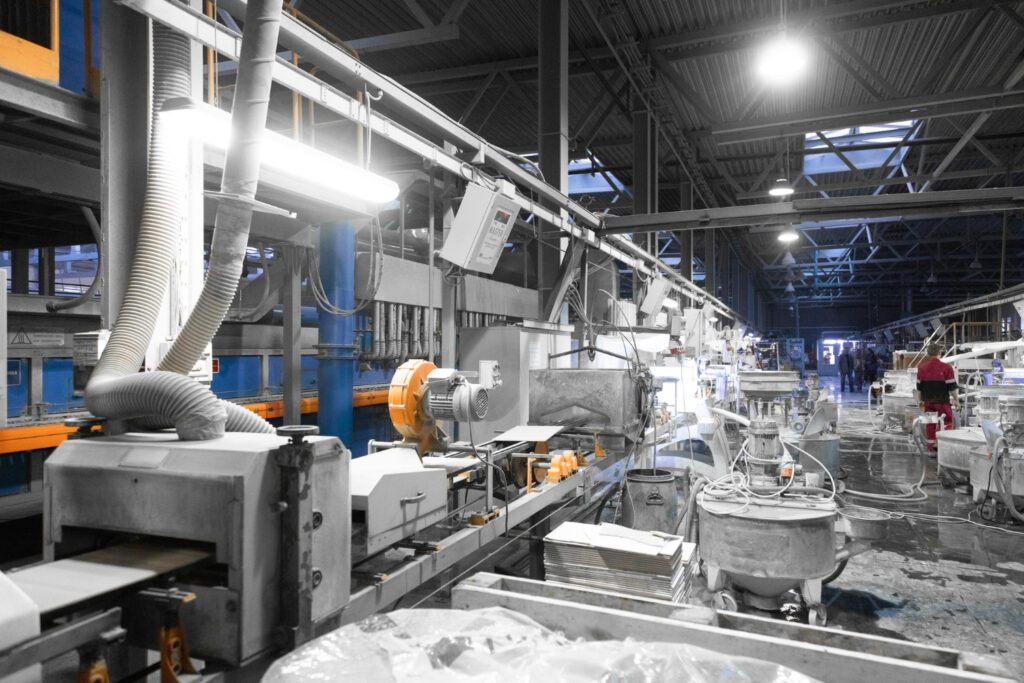
The global zinc sulphate manufacturer map is fairly concentrated. Most production comes from a few key regions, each with different cost structures and trade considerations.
China is the dominant producer. Provinces like Hunan, Hebei, and Guangdong have large clusters of fertilizer grade zinc sulphate manufacturers supplying markets worldwide. The price is competitive and the output volume is hard to match elsewhere. That said, quality control varies significantly between factories, and lead times run 8-12 weeks including ocean freight. That gap catches first-time buyers off guard.
India is the second major source, particularly for buyers in the Middle East, Southeast Asia, and East Africa. Indian suppliers tend to offer more flexibility on smaller order sizes, often more responsive back-and-forth, and freight lanes to UAE and East Africa are well-established. For zinc sulphate sourcing in those corridors, India often makes more sense than China even if the per-MT price is marginally higher.
United States has domestic manufacturers, but they primarily serve regulated industrial and pharmaceutical applications. Zinc sulphate exporters in the US can’t really compete with Asian pricing on fertilizer grade, but they matter for buyers with domestic sourcing requirements or regulatory constraints.
Europe (Germany, Netherlands) produces high-quality technical and pharma-grade product at premium pricing. Not your first call if agriculture is the application.
One thing worth knowing: many UK and UAE-based zinc sulphate distributors are re-exporting Chinese or Indian product through established trading channels. Nothing inherently wrong with that, but your pricing should reflect the added margin. If you’re buying from a Gulf trading house, ask where the product was manufactured. You might be paying a 15-20% premium for convenience.
Fertilizer Grade Zinc Sulphate: What Agriculture Buyers Need to Know
Zinc deficiency shows up in crops as interveinal chlorosis – yellowing between leaf veins while veins stay green. Rice, wheat, maize, and citrus are particularly vulnerable. Correcting it means either soil application or foliar spraying, and your choice of product affects which method you can use effectively.
For large-scale soil application, fertilizer grade zinc sulphate monohydrate is the standard. Higher zinc content means you’re moving less material per hectare treated. It’s stable in storage, compatible with dry blending systems, and most bulk zinc sulphate suppliers for the agriculture industry ship it as their core product.
Foliar applications often use heptahydrate dissolved in water at 0.2-0.5% concentration, though monohydrate works here too, especially in drip irrigation where you want precise concentration control.
One thing that catches buyers out: “fertilizer grade” is a threshold designation, not a quality guarantee. It means the product meets a minimum zinc content and stays within heavy metal limits. Some suppliers in lower-regulation export markets push against those limits. Always request a full metals analysis. The cadmium and lead numbers matter – particularly if you’re supplying into the EU, UK, or Australian markets where input regulations are strict.
If you’re sourcing to resell into regulated markets, your supplier’s product needs to comply with destination-market rules, not just the export country’s standards. Have that conversation early. It’s painful to have it after you’ve received 25 MT.
How to Vet a Zinc Sulphate Supplier Before You Commit
This is where buyers lose money. Not in the price negotiation. In the supplier vetting.
Ask for a current CoA, not a sample CoA. Plenty of suppliers will show you a certificate from two or three years back. Ask for the CoA from their most recent production batch and verify the date. If they push back on this, that tells you what you need to know.
Check for ISO 9001 certification. It doesn’t guarantee quality, but it means documented processes exist. A zinc sulphate manufacturer with no third-party certification is a meaningful risk for any commercial-scale order.
Request buyer references from your region. A supplier who’s shipped into your country before understands the import documentation, labeling requirements, and customs classification. Someone figuring it out for the first time will use your order to do it.
Understand their zinc raw material source. Are they processing from zinc concentrate, zinc oxide, or secondary zinc? This affects trace metal profiles and batch-to-batch consistency. Good manufacturers can answer this without hesitation.
Get realistic lead time expectations. Six weeks FOB becomes 12-14 weeks landed in your warehouse. If you’re buying against a planting season or a production schedule, that gap is not recoverable. It’s annoying when suppliers quote you FOB lead time and conveniently omit that detail.
Honestly, the first time buying zinc sulphate in bulk takes longer than people expect. The second time, they’ve usually learned something expensive.
How Elchemy Helps With Zinc Sulphate Sourcing
Elchemy is a chemical distribution and custom manufacturing platform connecting buyers with verified suppliers across more than 25 countries. For procurement teams tired of spending weeks chasing RFQs, validating factory documentation, and managing freight from scratch, that kind of infrastructure has real value.
Here’s what’s specifically useful if you’re trying to buy zinc sulphate at scale:
Verified manufacturer network: Suppliers on the platform have gone through a vetting process. You’re not cold-contacting factories from a trade directory and hoping someone responds.
Multi-country sourcing coverage: Whether you need a zinc sulphate fertilizer supplier from India, a Chinese producer for high-volume orders, or a regional distributor closer to your end market, the platform spans multiple sourcing geographies.
Transparent pricing access: Compare zinc sulphate price across suppliers and grades without playing telephone with a dozen regional sales reps.
Documentation support: CoAs, MSDS sheets, compliance certificates – the platform is built around the paperwork that makes international chemical sourcing actually work in regulated markets.
Custom manufacturing options: If you need a specific formulation, particle size distribution, or custom packaging configuration, Elchemy supports custom manufacturing solutions, not just catalog products.
For buyers sourcing into markets with strict import requirements, having a platform that’s already screened suppliers for documentation capability matters significantly. It’s not just about finding a zinc sulphate supplier – it’s about finding one who can get the product across your border without a compliance headache.
Ready to get pricing and connect with verified suppliers? Book a demo at Elchemy and let their sourcing team match you with the right manufacturer for your volume, grade, and delivery requirements.
Industrial and Specialty Applications of Zinc Sulphate
Agriculture drives most of the demand, but it’s not the only market worth knowing about.
Water treatment: Used in some industrial and municipal applications as a coagulant aid. Technical grade is generally sufficient here, and requirements are less stringent than agriculture.
Electroplating and galvanizing: Zinc sulphate heptahydrate is a standard component in zinc electroplating baths. Purity requirements here are higher than fertilizer grade, and batch consistency is critical – irregular composition causes plating defects that are expensive to diagnose and fix.
Animal feed: Zinc is an essential trace mineral for livestock and poultry growth and immune function. Feed grade zinc sulphate monohydrate is added to compound feeds, but certification requirements are strict. You’ll need suppliers with feed additive registration in your target market, and traceability documentation has to be clean.
Personal care and pharmaceuticals: Zinc compounds appear in anti-dandruff formulations, acne treatments, oral zinc supplements, and topical creams. Purity requirements are tight. Your CoA documentation needs to be thorough, and supply chain traceability is non-negotiable for pharma-adjacent applications.
The sourcing approach differs by application. Agriculture buyers prioritize zinc content and landed cost. Industrial buyers need consistency across batches. Pharma and personal care buyers will dig deep into documentation before placing a first order. Know which category you’re in and approach the supplier conversation accordingly.
Frequently Asked Questions
What should I look for in a zinc sulphate supplier for bulk agricultural orders?
Start with current documentation – a recent Certificate of Analysis with a traceable batch number, not a sample CoA from years back. Check for ISO 9001 certification as a baseline indicator of process quality. Ask about their zinc raw material source and request heavy metals data, not just zinc content. And get references from buyers in your region who can speak to their documentation and shipping reliability.
What’s the difference between zinc sulphate monohydrate and heptahydrate for farming?
Monohydrate contains roughly 35% zinc and works better for dry blending, granular soil application, and concentrated foliar sprays. Heptahydrate has about 22% zinc and dissolves more readily in water, making it suitable for liquid fertilizer systems and dilute foliar applications. For large-scale buyers, monohydrate is usually the more cost-efficient choice because you’re delivering more zinc per kilogram shipped.
What is the typical MOQ when buying zinc sulphate in bulk?
Most export-oriented zinc sulphate manufacturers set minimum order quantities between 5 MT and 25 MT to optimize container-load efficiency. Indian suppliers are often more flexible, sometimes going down to 1-2 MT for buyers with an established relationship. Domestic purchases within the same country typically have lower MOQs. If you’re testing a new supplier, some platforms allow sample orders before committing to full commercial quantities.
Why does zinc sulphate price vary so much between quotes?
Multiple inputs drive the range. Zinc commodity prices fluctuate and they’re a major production cost. Your quote also reflects the production method, raw material source, grade and purity level, packaging format, and any certification requirements you’ve specified. Trading house quotes include a margin on top of manufacturer pricing. Working closer to the actual production source, which platforms like Elchemy are designed to help with, generally produces better pricing for the same spec.
Which regions are the primary zinc sulphate exporters for global buyers?
China is the dominant exporter, particularly for fertilizer and industrial grade products at high volumes. India is the primary alternative, especially competitive for buyers in the Middle East, Southeast Asia, and East Africa. Zinc sulphate exporters in the USA and Europe serve regulated industrial and pharmaceutical markets at higher price points. UAE-based distributors are typically re-exporting Chinese or Indian origin products through Gulf trading channels.
Is fertilizer grade zinc sulphate safe to store and handle at scale?
Yes, with standard handling precautions. It’s considered a low-hazard material relative to most agricultural chemicals. Store it dry and away from moisture – it’s hygroscopic and will cake if exposed to humidity. Use appropriate PPE during handling to avoid dust inhalation. Any reputable zinc sulphate supplier should provide a current Material Safety Data Sheet automatically with order documentation. If they don’t offer it, ask for it before the shipment leaves origin.
Conclusion
Sourcing zinc sulphate at scale isn’t complicated once you know what you’re working with. Sort out your grade requirements first (monohydrate vs heptahydrate, fertilizer vs technical vs pharma). Understand that zinc sulphate price moves with commodity markets and order volume, and a six-month-old quote shouldn’t be your benchmark. And don’t skip supplier vetting because the initial documentation looks clean – verify the CoA is current, check heavy metals, get references from buyers in your region.
Good products at competitive pricing are genuinely available. The challenge is building a sourcing pathway that doesn’t cost you three months of back-and-forth to navigate.
Monohydrate (35% Zn) and heptahydrate (22% Zn) serve different applications – match your form to your end use before requesting quotes
Bulk fertilizer grade pricing ranges from roughly $220-$520 per MT depending on form, origin, and volume; prices shift with zinc commodity markets
Always request a current CoA with a traceable batch number and check heavy metals data, not just zinc content
China and India are the dominant export sources; quotes from UAE or UK intermediaries typically reflect a re-export margin on top
For buyers who want a faster, more reliable path to vetted manufacturers, Elchemy connects you with screened zinc sulphate suppliers across more than 25 countries, with full documentation support built in. Skip the cold RFQ cycle – talk to a sourcing specialist who already knows the supplier landscape.