

At a Glance:
- Global restricted chemical lists include TSCA (US), REACH (EU), and national regulations
- TSCA Section 6(h) restricts five PBT chemicals with phase-outs through 2026
- REACH Annex XVII contains over 70 restricted substance entries
- Non-compliance triggers penalties from fines to product seizure and criminal charges
- Chemical manufacturers must track multiple regulatory frameworks simultaneously
Introduction: The Compliance Maze
Every chemical crossing borders or entering products faces regulatory scrutiny. Not just any chemical—specific substances deemed too dangerous for unrestricted use. These restricted chemicals appear on multiple lists managed by various agencies across countries. Understanding which chemicals are banned, limited, or require special handling determines whether your products can enter markets legally.
The stakes are high. Violating restricted chemical lists leads to shipment rejections, hefty fines, criminal charges, and brand damage. The EPA banned chrysotile asbestos entirely in 2024. Methylene chloride faces near-total prohibition effective July 2024. Trichloroethylene will be phased out by 2026 except for narrow exemptions. Companies manufacturing or importing products containing these substances must reformulate now or face compliance deadlines that will shut down operations.
This guide explains the major restricted chemical lists governing global trade, profiles the most commonly restricted substances businesses encounter, and outlines compliance requirements across jurisdictions. Whether you’re sourcing chemicals, formulating products, or managing supply chains, understanding these restrictions isn’t optional—it’s foundational to legal operations.
The Major Restricted Chemical List Frameworks
Multiple regulatory systems govern chemical restrictions globally. Understanding each framework helps navigate compliance requirements.
US TSCA (Toxic Substances Control Act):
The EPA administers TSCA, which regulates chemical manufacturing, processing, distribution, and use in the United States. Section 6 grants the EPA authority to restrict or ban chemicals posing unreasonable risks to health or environment.
Key provisions:
- Section 6(h): Expedited restrictions on persistent, bioaccumulative, and toxic (PBT) chemicals
- Section 6(a): Risk-based restrictions on existing chemicals after evaluation
- Section 5: Pre-manufacture notification requirements for new chemicals
EU REACH (Registration, Evaluation, Authorization and Restriction of Chemicals):
The European Chemicals Agency (ECHA) administers REACH, requiring registration of chemicals manufactured or imported above 1 ton annually. Annex XVII contains restricted substances with specific use limitations.
Key features:
- Registration database of chemical properties and uses
- Authorization list (Annex XIV) for substances of very high concern (SVHC)
- Restriction list (Annex XVII) prohibiting or limiting specific uses
- Candidate list of SVHCs subject to future authorization
Other Global Frameworks:
- Stockholm Convention: International treaty on persistent organic pollutants (POPs)
- Montreal Protocol: Ozone-depleting substances
- California Prop 65: Requires warnings for substances causing cancer or reproductive harm
- RoHS (Restriction of Hazardous Substances): Limits certain materials in electrical/electronic equipment
- National regulations: China, Japan, South Korea, Canada, Australia all maintain restricted substance lists
The Restricted Chemical List: Key Substances Businesses Must Know

The following chemicals represent the most commonly restricted substances affecting manufacturers, importers, and formulators globally. This section profiles each chemical, its restrictions, affected industries, and compliance deadlines.
Chrysotile Asbestos
Restriction Status: Total ban in US (TSCA) effective May 28, 2024
Why It’s Restricted: Known human carcinogen causing mesothelioma, lung cancer, and asbestosis
Affected Industries:
- Chlor-alkali industry (diaphragm cells)
- Sheet gaskets and brake blocks
- Other friction products and gaskets
- Automotive components
Key Restrictions:
- Manufacturing, processing, and distribution prohibited
- Chlor-alkali facilities granted 8-year phase-out (until 2032)
- Disposal of existing products strictly regulated
- Workplace protections during phase-out period
Compliance Deadline: May 28, 2024 (ban effective); chlor-alkali exemption expires 2032
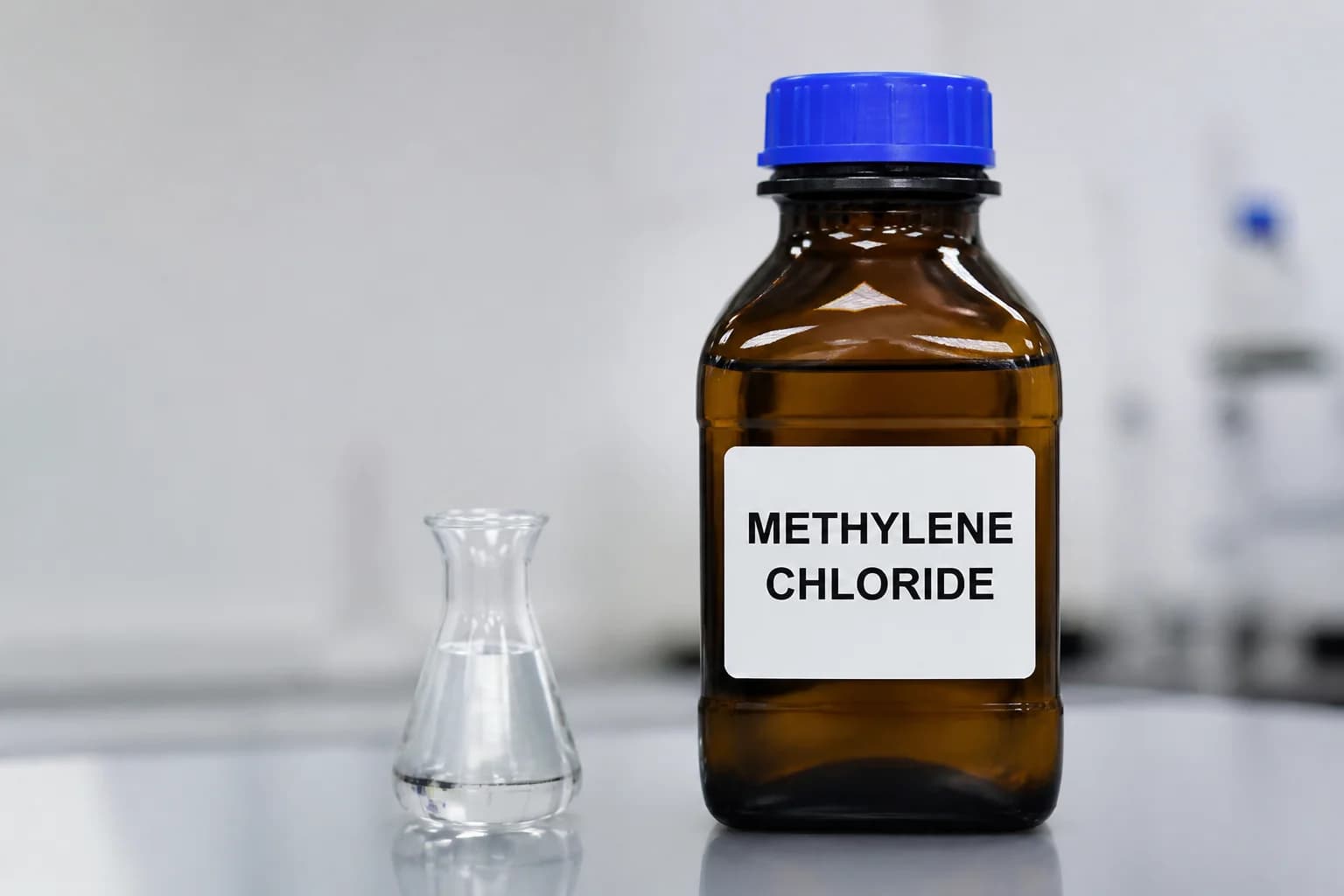
Methylene Chloride (Dichloromethane)
Restriction Status: Consumer ban and most commercial uses prohibited (TSCA) effective July 8, 2024
Why It’s Restricted: Acute toxicity from inhalation; linked to deaths from paint stripping and degreasing
Affected Industries:
- Paint and coating removal
- Metal cleaning and degreasing
- Pharmaceutical manufacturing
- Laboratory use
- Adhesives and sealants
Key Restrictions:
- All consumer uses banned
- Most commercial uses prohibited except “critical or essential” uses without safer alternatives
- Workplace chemical protection programs required for exempted uses
- Recordkeeping and downstream notification mandatory
Compliance Deadline: July 8, 2024
Trichloroethylene (TCE)
Restriction Status: Proposed total ban (TSCA) with phase-out periods through 2026
Why It’s Restricted: Carcinogen; causes immune system, kidney, liver, and reproductive harm
Affected Industries:
- PCB manufacturing and cleaning
- Semiconductor processing
- Metal degreasing
- Spot cleaning in dry cleaning
- Adhesives
- Industrial solvents
Key Restrictions:
- Manufacturing and processing prohibitions phased by application
- Certain uses granted compliance timelines up to 10 years
- Workplace controls required during phase-outs
- Downstream notification requirements
Compliance Deadline: Varies by use; most restrictions effective 2025-2026
Perchloroethylene (PCE, Tetrachloroethylene)
Restriction Status: Proposed restrictions (TSCA) December 2024
Why It’s Restricted: Probable human carcinogen; neurological, liver, and kidney toxicity
Affected Industries:
- Dry cleaning operations
- Textile processing
- Metal degreasing
- Chemical intermediates
Key Restrictions:
- Consumer uses banned
- Industrial uses subject to workplace protections
- Dry cleaning operations face stringent controls or phase-out
Compliance Deadline: Final rule expected 2025
Phenol, Isopropylated Phosphate (3:1) – PIP 3:1
Restriction Status: Prohibited under TSCA Section 6(h) effective October 31, 2024
Why It’s Restricted: Persistent, bioaccumulative, and toxic (PBT); suspected carcinogen
Affected Industries:
- Electronic components (wire insulation, connectors)
- PCB manufacturing
- Plastic circuit board casings
- Automotive electronics
Key Restrictions:
- Processing and distribution prohibited (with exemptions)
- Temporary exemptions for critical supply chains
- Circuit boards and wire harnesses get permanent exclusion
- Consumer electronics replacement parts: 7-year grace period
- Concentration below 0.1% by weight exempt if not intentionally added
Compliance Deadline: October 31, 2024 (with specific exemption timelines extending to 2031)
Decabromodiphenyl Ether (DecaBDE)
Restriction Status: Prohibited under TSCA Section 6(h); RoHS restricted in EU
Why It’s Restricted: PBT chemical; developmental and thyroid toxicity
Affected Industries:
- Plastics and polymers
- Textiles and upholstery
- Electronic enclosures
- Wire and cable insulation
Key Restrictions:
- Manufacturing, processing, and distribution prohibited
- Maximum 0.1% by weight if not intentionally added
- Legacy products require compliance documentation
Compliance Deadline: Already in effect
2,4,6-Tri-tert-butylphenol (2,4,6-TTBP)
Restriction Status: Restricted under TSCA Section 6(h)
Why It’s Restricted: PBT chemical with endocrine disruption concerns
Affected Industries:
- Fuel additives
- Polymer manufacturing
- Lubricant production
Key Restrictions:
- Processing and distribution limits
- Concentration thresholds
- Reporting requirements
Compliance Deadline: Currently in effect
Hexachlorobutadiene (HCBD)
Restriction Status: Restricted under TSCA Section 6(h) and EU POP regulation
Why It’s Restricted: PBT chemical; carcinogen; kidney toxicity
Affected Industries:
- Chemical intermediates
- Solvent applications
- Rubber manufacturing
Key Restrictions:
- Manufacturing, processing, and distribution limitations
- Maximum concentration limits
- Waste disposal controls
Compliance Deadline: Currently in effect
Pentachlorothiophenol (PCTP)
Restriction Status: Restricted under TSCA Section 6(h); limited to 1% by weight
Why It’s Restricted: PBT chemical; toxicity to aquatic life and humans
Affected Industries:
- Rubber production (enhances pliability)
- Leather treatment
- Industrial biocides
Key Restrictions:
- Concentration limited to 1% by weight in products
- Manufacturing and distribution reporting
- Alternatives required where feasible
Compliance Deadline: Currently in effect
N-Methylpyrrolidone (NMP)
Restriction Status: Proposed restrictions (TSCA) June 2024
Why It’s Restricted: Developmental and reproductive toxicity
Affected Industries:
- Paint strippers
- Coatings removers
- Semiconductor manufacturing
- Pharmaceutical production
- Adhesives and sealants
Key Restrictions:
- Consumer adhesives and sealants: concentration limits proposed
- Commercial uses: direct dermal contact restrictions
- Workplace protections required
- Recordkeeping and labeling mandates
Compliance Deadline: Final rule expected 2025
1-Bromopropane (1-BP, n-Propyl Bromide)
Restriction Status: Proposed restrictions (TSCA) August 2024
Why It’s Restricted: Neurological damage; reproductive toxicity; cancer concerns
Affected Industries:
- Dry cleaning
- Vapor degreasing
- Aerosol solvents
- Adhesives
Key Restrictions:
- Consumer uses banned except building insulation
- Workplace chemical protection programs for permitted uses
- Inhalation exposure limits
- Self-certification for purchasers
Compliance Deadline: Final rule expected 2025
Carbon Tetrachloride (CTC)
Restriction Status: Proposed total ban (TSCA) December 2024
Why It’s Restricted: Ozone-depleting substance; liver and kidney damage; carcinogen
Affected Industries:
- Chemical processing
- Laboratory use (historical)
- Industrial cleaning (legacy)
Key Restrictions:
- Manufacturing and import prohibition
- Processing and distribution ban
- Worker protections during phase-out
- Disposal requirements
Compliance Deadline: Expected 2025-2026
Industry-Specific Compliance Challenges
Different sectors face unique restricted chemical compliance burdens based on their supply chains and product compositions.
Electronics and PCB Manufacturing:
Electronics contain numerous restricted chemicals:
- PIP 3:1 in wire insulation and connectors
- DecaBDE in plastic enclosures
- Lead and other RoHS substances
- PFAS in certain components
Manufacturers must audit supply chains, implement testing protocols, and maintain supplier certifications. The 2024 amendments to TSCA PIP 3:1 rules created complexity—some PCB components remain exempt while others face restrictions.
Textiles and Apparel:
Flame retardants (DecaBDE), formaldehyde finishes, certain dyes, and PFAS treatments all face restrictions. Brands need Restricted Substance Lists (RSLs) verified through laboratory testing and supplier declarations.
Automotive:
Vehicle manufacturing touches multiple restricted chemicals:
- Asbestos (historical brake components)
- PIP 3:1 (electronic systems)
- Lead and heavy metals (RoHS exceptions exist but narrowing)
- VOCs and solvents (TCE, PCE in manufacturing processes)
Long product lifecycles complicate compliance—parts designed years ago must still meet current restrictions.
Chemical Manufacturing:
Core business depends on understanding restrictions:
- Production facilities must comply with worker protection requirements
- Customer notification obligations when selling restricted chemicals
- Alternatives development for substances facing phase-outs
- Registration and reporting across multiple jurisdictions
Compliance Best Practices
Navigating restricted chemical regulations requires systematic approaches:
1. Maintain Comprehensive Material Disclosure
Track all chemical substances in products and manufacturing processes. Use material declaration systems that automatically flag restricted chemicals against global lists.
2. Establish Supplier Qualification Programs
Require suppliers to:
- Declare all chemical ingredients above threshold concentrations
- Certify compliance with applicable restricted substance lists
- Provide testing data from accredited laboratories
- Notify immediately of formulation changes
3. Implement Testing and Verification
Don’t rely solely on supplier declarations. Random testing verifies compliance and catches issues before products reach market.
4. Monitor Regulatory Updates
Restricted chemical lists change constantly. TSCA reviews continue. REACH adds substances to SVHC lists. National regulations evolve. Subscribe to regulatory intelligence services or work with compliance consultants.
5. Maintain Documentation
Compliance audits require proof:
- Material safety data sheets (SDS)
- Supplier certifications
- Laboratory test reports
- Compliance determinations and legal opinions
- Internal policies and procedures
6. Plan for Substitution
When chemicals face restrictions, alternatives may not exist or may require years to qualify. Start substitution projects early—before bans take effect.
Conclusion
Understanding the restricted chemical list landscape across TSCA, REACH, and other global frameworks determines market access and legal operation. The five TSCA Section 6(h) PBT chemicals, newly banned substances like chrysotile asbestos and methylene chloride, and pending restrictions on TCE, PCE, and NMP represent immediate compliance requirements affecting manufacturers across industries.
Chemical regulations will only tighten. The EPA reviews more substances annually. REACH expands authorization requirements. California and other states implement restrictions the federal government hasn’t addressed. Companies succeeding in this environment invest in compliance infrastructure, supply chain transparency, and proactive reformulation before restricted chemicals force emergency changes.
Elchemy provides chemical formulation, manufacturing, and sourcing services with integrated compliance support across global regulatory frameworks. As both a manufacturer and distributor, Elchemy helps businesses navigate restricted chemical requirements through alternative chemical sourcing, reformulation support, regulatory documentation, and supply chain solutions that maintain compliance with TSCA, REACH, and international chemical regulations.