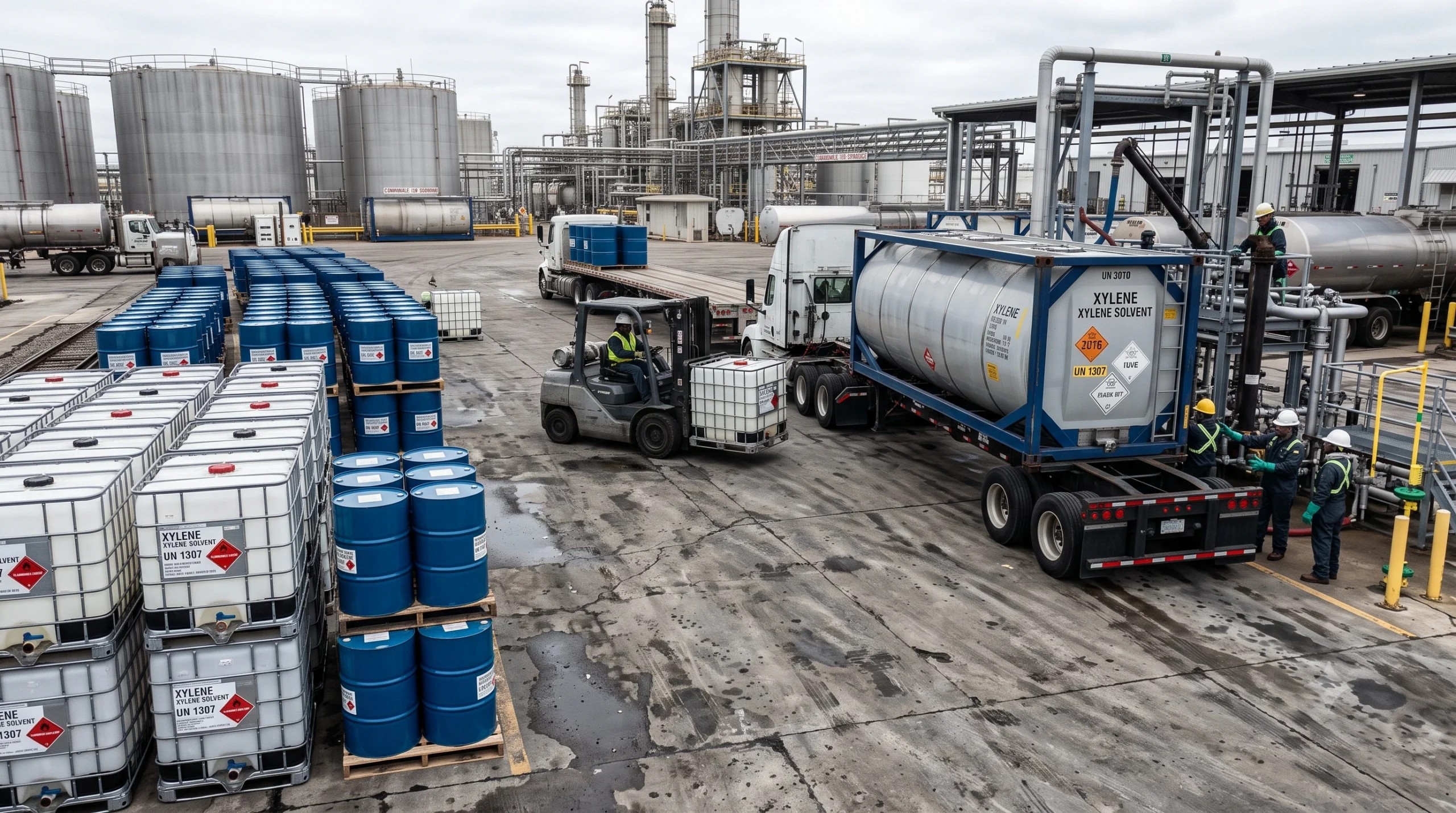
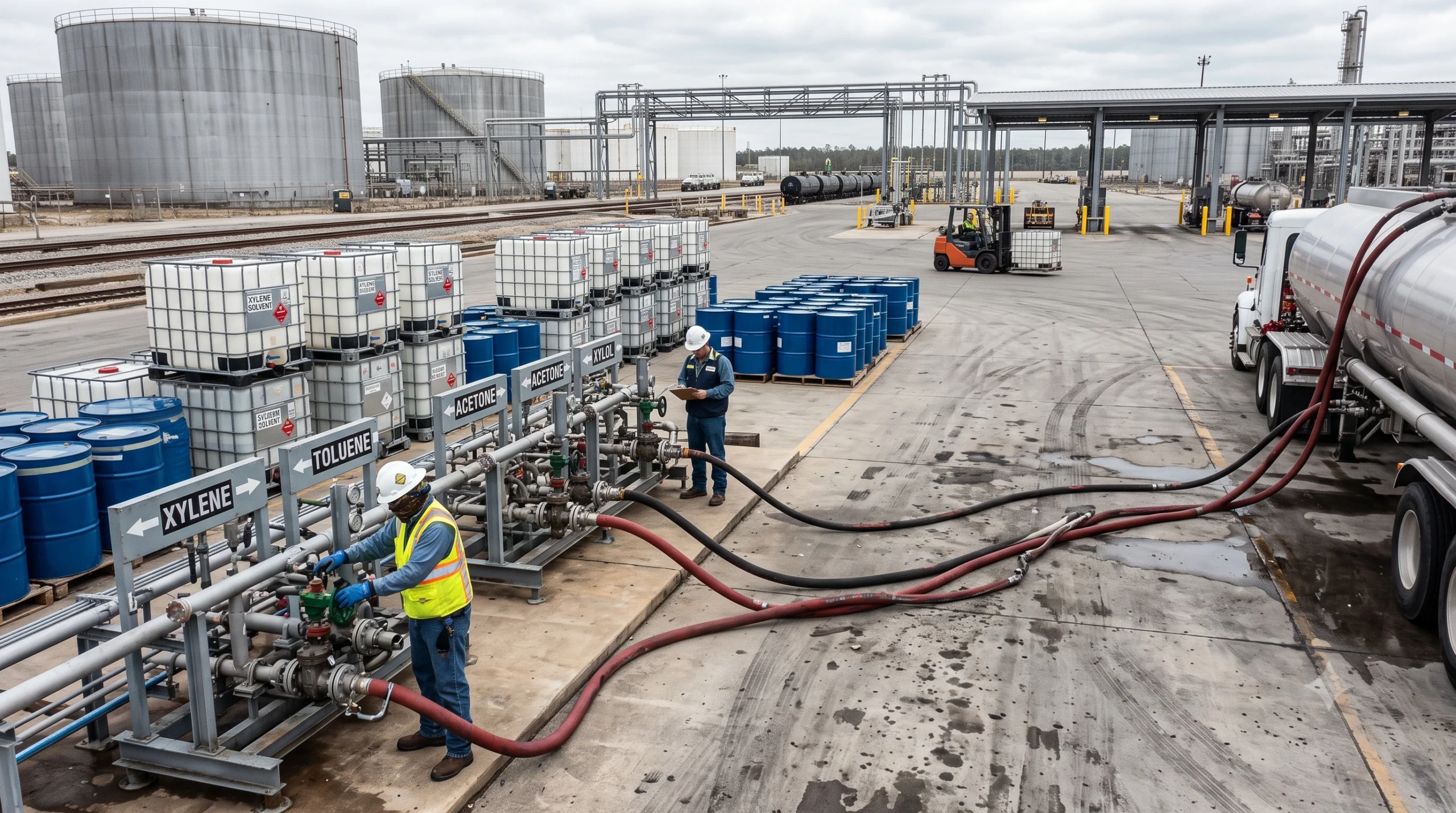
Finding a reliable monocalcium phosphate supplier isn’t as simple as running a quick Google search and picking whoever shows up first. MCP is a high-volume industrial ingredient – used in animal feed, fertilizers, and food production – and buying from the wrong source can mean inconsistent purity levels, surprise price hikes mid-contract, or shipments stuck in customs for weeks. That’s a real problem when your production line can’t afford delays.
Whether you’re looking to buy monocalcium phosphate bulk for a feed mill, a fertilizer operation, or a food manufacturing line, this guide walks you through what MCP actually costs at scale, which manufacturers are worth talking to, and what separates a trustworthy distributor from one that’ll leave you scrambling. Companies like Elchemy have built their model around solving exactly this kind of sourcing headache, and we’ll get into that later. But first, let’s establish what you’re actually buying.
What Is Monocalcium Phosphate and Who’s Actually Buying It
Monocalcium phosphate – chemical formula Ca(H2PO4)2, CAS number 7758-23-8 – is a phosphate salt used primarily as a phosphorus and calcium source across three major industries.
Animal feed is the biggest one. Feed-grade MCP typically contains 22-24% P2O5 and 15-17% calcium, making it a go-to additive for poultry, swine, cattle, and aquaculture diets. The global animal feed phosphate market was valued at roughly $2.8 billion in 2023, and MCP holds a significant chunk of that.
Food manufacturing is the second major use. Food-grade MCP works as a leavening agent in baked goods – it’s essentially what makes baking powder do its job. If you’re buying at this grade, purity standards are stricter and the pricing reflects that.
Then there’s fertilizer. Monocalcium phosphate fertilizer suppliers serve a different buyer profile entirely – often large agrochemical manufacturers who need hundreds or thousands of metric tons per shipment, not dozens.
So who’s reading this? Probably a procurement manager, a purchasing director, or a business owner trying to figure out whether their current supplier is actually giving them a fair deal. If that’s you, keep reading.
Top MCP Manufacturers and Distributors Worldwide
The global MCP supply chain is dominated by a handful of large producers. Knowing who they are helps you understand where your material is actually coming from, regardless of what distributor name appears on the invoice.
OCP Group (Morocco) is the world’s largest phosphate producer. Morocco sits on roughly 70% of the world’s known phosphate reserves, and OCP controls a massive portion of that. They don’t typically sell direct to small buyers, but their material shows up throughout the global supply chain.
The Mosaic Company (USA) is the dominant North American player, operating mines in Florida and Louisiana. One of the few vertically integrated phosphate producers in the Western Hemisphere.
PhosAgro (Russia) and EuroChem are major European-facing producers, though geopolitical factors have significantly complicated their supply chains since 2022. If your operation relies on either of these as a primary source, having a contingency supplier lined up isn’t paranoia – it’s just good procurement practice.
The Wengfu Group (China) has become increasingly important in Asian markets and in global MCP export volumes. Chinese manufacturers generally offer competitive pricing on monocalcium phosphate wholesale, though quality varies considerably by producer – more on that in a moment.
Here’s the thing, though. Most businesses buying MCP aren’t going directly to these giants. They’re working through distributors, trading companies, and specialty chemical suppliers who handle logistics, regulatory paperwork, and quality verification. That’s where companies like Elchemy come in – bridging the gap between large-scale manufacturing and end buyers across more than 25 countries.
MCP Pricing: What Bulk Buyers Should Expect Per Ton
The section everyone actually came here for.
Monocalcium phosphate price per ton for bulk buyers varies significantly depending on grade, origin, and order volume. Here’s a rough breakdown based on current market conditions:
- Feed-grade MCP: $350-$500 per metric ton (FOB basis, origin dependent)
- Food-grade MCP: $500-$750 per metric ton (stricter purity standards push the price up)
- Fertilizer-grade MCP: $300-$450 per metric ton (lower purity specs, more competitive)
These ranges aren’t fixed. MCP pricing tracks phosphate rock prices, natural gas costs (which affect production energy directly), and freight rates. All three have been volatile recently, and that volatility shows up in your quotes whether suppliers mention it or not.
Minimum order quantities matter a lot here too. Most monocalcium phosphate manufacturers won’t engage with orders under 20-25 metric tons – roughly one full container load. At that level, you’re paying standard market rates. Once you hit 100+ metric tons per order, you have real negotiating leverage, typically 5-12% below published pricing.
One frustration that comes up constantly: suppliers who quote one price and then quietly revise it when the purchase order comes through. Freight surcharges, “quality certification fees,” origin documentation charges – these add up surprisingly fast. When you’re comparing MCP wholesale price quotes across suppliers, always insist on a fully landed cost breakdown, not just the FOB figure. Any supplier who refuses to provide that is already telling you something.
Feed Grade vs. Food Grade vs. Fertilizer Grade: What You’re Actually Buying
This distinction matters more than most first-time buyers realize.
The grade determines purity standards, regulatory compliance requirements, and which certifications your supplier needs to hold and maintain. Buying the wrong grade – or buying from a supplier who can’t prove their certifications with actual documentation – creates serious compliance problems downstream.
| Grade | P2O5 Content | Calcium Content | Key Certification | Typical Application |
| Feed Grade | 22-24% | 15-17% | GMP+, FAMI-QS | Poultry, swine, cattle, aquaculture |
| Food Grade | 22-24% | 15-17% | FCC, USP, EU E341 | Baked goods, leavening systems |
| Fertilizer Grade | 18-22% | 13-16% | Standard COA | Phosphate fertilizer blends |
| Technical Grade | Variable | Variable | Basic COA | Industrial processing |
Food-grade MCP is where certification becomes genuinely non-negotiable. If your supplier can’t produce an FCC (Food Chemicals Codex) certificate or EU E341 approval documentation specific to the product batch, walk away. The liability exposure isn’t worth saving $60 per ton.
Feed-grade buyers should treat FAMI-QS or GMP+ certification as a baseline requirement, not a bonus. These programs specifically cover feed ingredient supply chains and include traceability requirements that generic ISO certifications simply don’t address.
Worth mentioning: some MCP formulations also appear in specialty applications well outside feed and fertilizer. Certain phosphate compounds show up as ingredients for personal care products, and the documentation requirements there shift entirely. Know your application before you source – then work backward to the certification checklist.
How Elchemy Helps With Monocalcium Phosphate Sourcing
This is worth its own section because the model is genuinely different from what most chemical brokers offer.
Elchemy operates as a chemical distribution and custom manufacturing solutions provider, currently serving buyers across 25+ countries. For MCP buyers specifically, the value breaks down like this:
A vetted supplier network. Rather than connecting you with whoever has the lowest quoted price, Elchemy maintains a pre-audited network of manufacturers. That means quality documentation, COA review, and certification checks happen before you sign anything – not after your shipment clears customs and you realize the P2O5 content doesn’t match the spec sheet.
Cross-border logistics handling. This is where a lot of buyers get burned going direct. Import regulations, phytosanitary certificates, country-specific labeling requirements, customs classification – Elchemy manages this complexity so you don’t have to build that expertise in-house from scratch. For smaller procurement teams, this alone is significant.
Custom manufacturing coordination. If you need specific particle sizes, particular formulations, or blended products rather than standard off-the-shelf MCP, Elchemy can coordinate custom manufacturing rather than forcing you into whatever the nearest warehouse happens to have in stock.
Transparent pricing. If you’ve been frustrated by opaque cost structures from MCP distributors – and if you’ve bought at scale, you have been – the approach here is full cost breakdowns, not buried surcharges on the final invoice.
You can buy Monocalcium phosphate directly through their platform and get pricing aligned to your actual volume requirements, not generic catalog rates.
Book a demo with Elchemy and see how they handle sourcing for your specific application and region.
What to Watch Out For When Vetting MCP Distributors
Not all monocalcium phosphate suppliers and distributors worldwide are worth your time or your money. Some are legitimate manufacturers. Some are brokers who’ve never actually touched the product. Some are resellers who add markup without adding any value.
A few things to check before you commit:
Certificates should be product-specific, not company-level. A supplier who hands you a company-wide ISO 9001 certificate isn’t giving you product quality assurance. Ask for the COA for the specific batch or lot number you’re purchasing. If they can’t provide it, that’s your answer.
Third-party testing capability matters. The best bulk MCP manufacturers maintain in-house labs with calibrated equipment records, or they work with recognized independent testing labs. If a supplier gets uncomfortable when you mention third-party verification, pay attention to that reaction.
Payment terms reveal a lot. 100% prepayment with no escrow option is a real risk with a new supplier. Established MCP distributors typically offer something closer to 30% deposit against purchase order, 70% against bill of lading – that’s standard commercial practice in the chemical trading world. Anyone insisting on full upfront payment for a first order deserves extra scrutiny.
Broker chains get long fast. In chemical trading, it’s entirely possible that the entity quoting you has never met the manufacturer they’re claiming to represent. Verify that whoever you’re contracting with can clearly identify the actual producer of record and holds legitimate agency or distribution rights. You’d be surprised how rarely buyers ask this question directly.
Where to Buy MCP in Bulk: Key Sourcing Regions
Geography matters more than most buyers initially account for – both in terms of pricing and lead times.
China is the largest export source for MCP globally. Pricing is competitive, but lead times of 30-45 days before shipping are typical, and independent quality verification matters more here than with producers operating under tighter Western regulatory frameworks. Don’t skip the third-party testing step.
Morocco and North Africa are increasingly relevant for European buyers. Proximity keeps freight costs down, and OCP’s downstream products flow through multiple European distributors. Sourcing from this region as a European buyer often makes more logistical sense than going to Asia.
India has a growing MCP manufacturing base, particularly for feed-grade material. Indian exporters have become more competitive across the Middle East, Southeast Asia, and parts of Africa. Worth including in your supplier evaluation if those are your target markets.
USA and Canada serve primarily domestic North American demand. Domestic production exists, but import competition keeps pricing reasonably competitive for bulk buyers. Regulatory documentation is generally clean and straightforward.
For buyers in the UK, UAE, and the broader Middle East looking at bulk MCP manufacturers and exporters, working with a distributor that already has established relationships across these production regions – rather than navigating each country’s export framework separately – saves meaningful time and reduces documentation risk considerably.
Frequently Asked Questions
What is a monocalcium phosphate supplier and how do I find one for bulk orders?
A monocalcium phosphate supplier is a manufacturer, distributor, or trading company that sells MCP at commercial quantities, typically starting from 20-25 metric tons. To find a reliable one, look for verifiable certifications specific to your application (FAMI-QS for feed, FCC for food), request batch-specific COAs, and confirm who the actual manufacturer of record is. Platforms like Elchemy maintain pre-vetted supplier networks that simplify this process significantly.
What is the typical monocalcium phosphate price per ton for bulk buyers?
Feed-grade MCP typically runs $350-$500 per metric ton on an FOB basis, food-grade sits between $500-$750 per metric ton, and fertilizer-grade comes in around $300-$450 per metric ton. These figures shift with phosphate rock and freight market conditions. Always request a fully landed cost quote, not just FOB pricing.
What’s the difference between food-grade and feed-grade MCP?
The core chemistry is similar, but food-grade MCP meets stricter purity thresholds and requires certifications like FCC or EU E341 approval. Feed-grade MCP operates under GMP+ or FAMI-QS standards. Using feed-grade material in food applications – or vice versa without proper documentation – creates real regulatory and liability exposure. Don’t assume one certification covers both use cases.
Are there quality differences between Chinese and Western-produced MCP?
Yes, though the gap has narrowed. Chinese MCP manufacturers vary widely – some are genuinely excellent, some aren’t. Western European and North American producers operate under stricter regulatory oversight, producing more consistent quality but at higher price points. If sourcing from China, budget for independent third-party testing. It’s not optional if quality consistency matters to your operation.
What minimum order quantities should I expect when buying MCP in bulk?
Most manufacturers start at 20-25 metric tons per order (roughly one FCL container). Some distributors will go lower, but you’ll pay a premium for it. At 100+ metric tons per order, you’re in a realistic position to negotiate pricing. Below 5 metric tons, you’re essentially buying at retail-ish chemical supply pricing – not what this guide is for.
Can I source MCP for both animal feed and fertilizer from the same supplier?
Often yes, but get separate documentation for each application. A supplier strong in fertilizer-grade MCP may not maintain the FAMI-QS or GMP+ infrastructure required for feed-grade material. Clarify your requirements upfront, request separate COAs and certification records for each use case, and don’t assume one certificate covers all applications.
Conclusion
Sourcing monocalcium phosphate at scale is ultimately about balancing cost, consistency, and compliance. While pricing can range widely based on grade, origin, and volume, the real differentiator lies in choosing a supplier who offers transparency, verified certifications, and reliable logistics support. Cutting corners on quality or documentation may save a few dollars upfront, but it can lead to significant operational and regulatory risks down the line.
For bulk buyers, the smartest approach is to evaluate suppliers beyond just price—look at their ability to provide batch-specific COAs, maintain industry-relevant certifications, and deliver without delays or hidden costs. Whether you’re in animal feed, food production, or fertilizer manufacturing, aligning with a trusted distributor or sourcing partner simplifies procurement and ensures long-term stability.
In a market where supply chains can be complex and unpredictable, working with a partner that offers vetted suppliers, transparent pricing, and end-to-end support can turn MCP sourcing from a challenge into a strategic advantage.
Key Takeaways:
MCP pricing ranges from $300-$750 per metric ton depending on grade, origin, and volume – always request a fully landed cost breakdown, not just FOB
Feed, food, and fertilizer grades carry distinct certification requirements; buying the wrong grade creates genuine compliance risk that a lower price won’t offset
The best monocalcium phosphate supplier for your operation is one with verifiable, batch-specific certifications and documented experience in your specific industry sector
Broker chains add cost without adding accountability – always confirm who the manufacturer of record actually is before you sign
Sourcing MCP at scale doesn’t have to be the opaque, frustrating process it often is. The key is knowing what to ask for, understanding pricing dynamics across regions, and working with partners who can back their quality claims with real documentation – not just a company brochure.
If you’re ready to simplify your MCP procurement, Elchemy offers direct purchasing and custom sourcing solutions across 25+ countries. Book a demo and see what reliable, transparent chemical distribution actually looks like for your application.