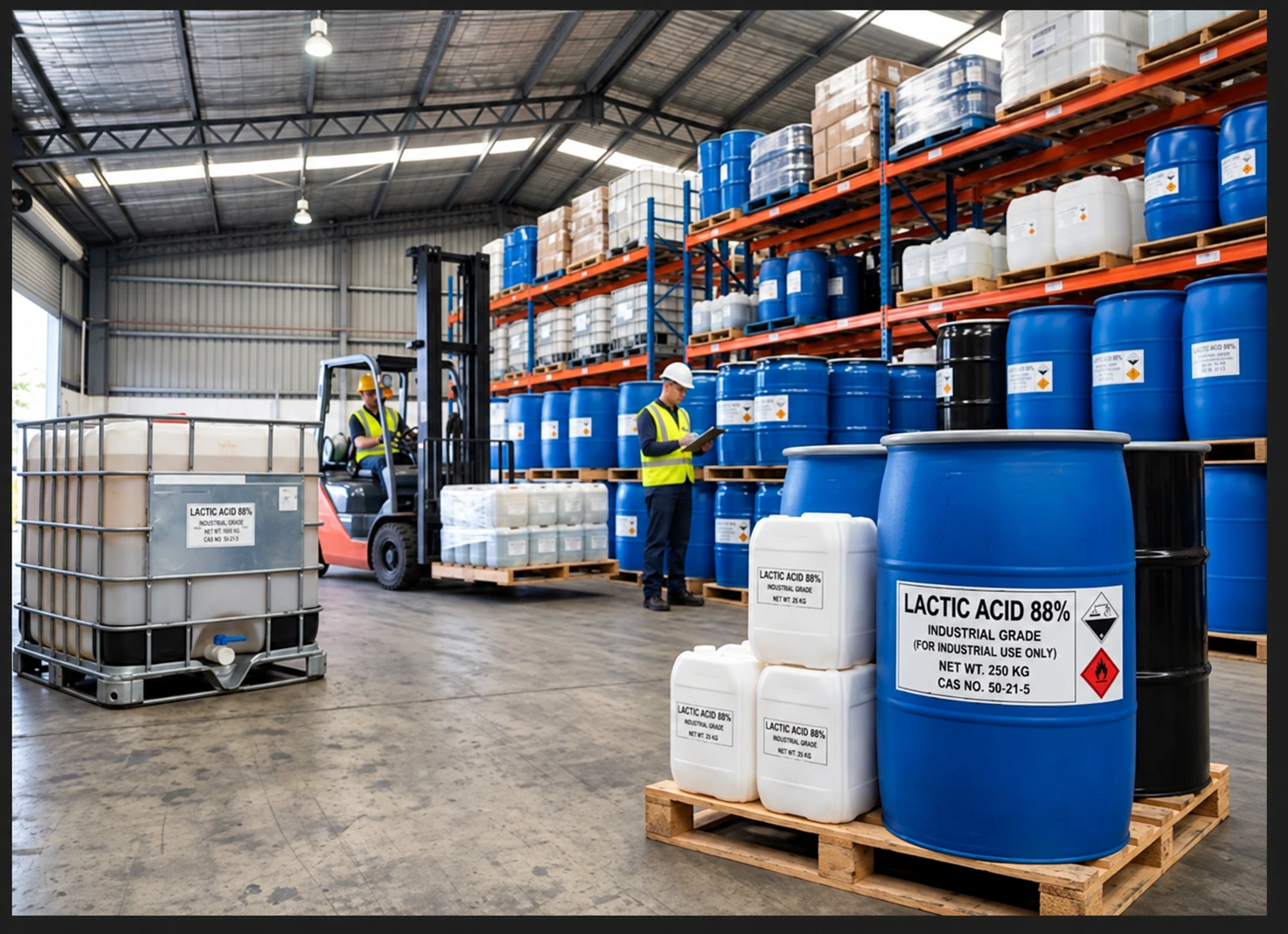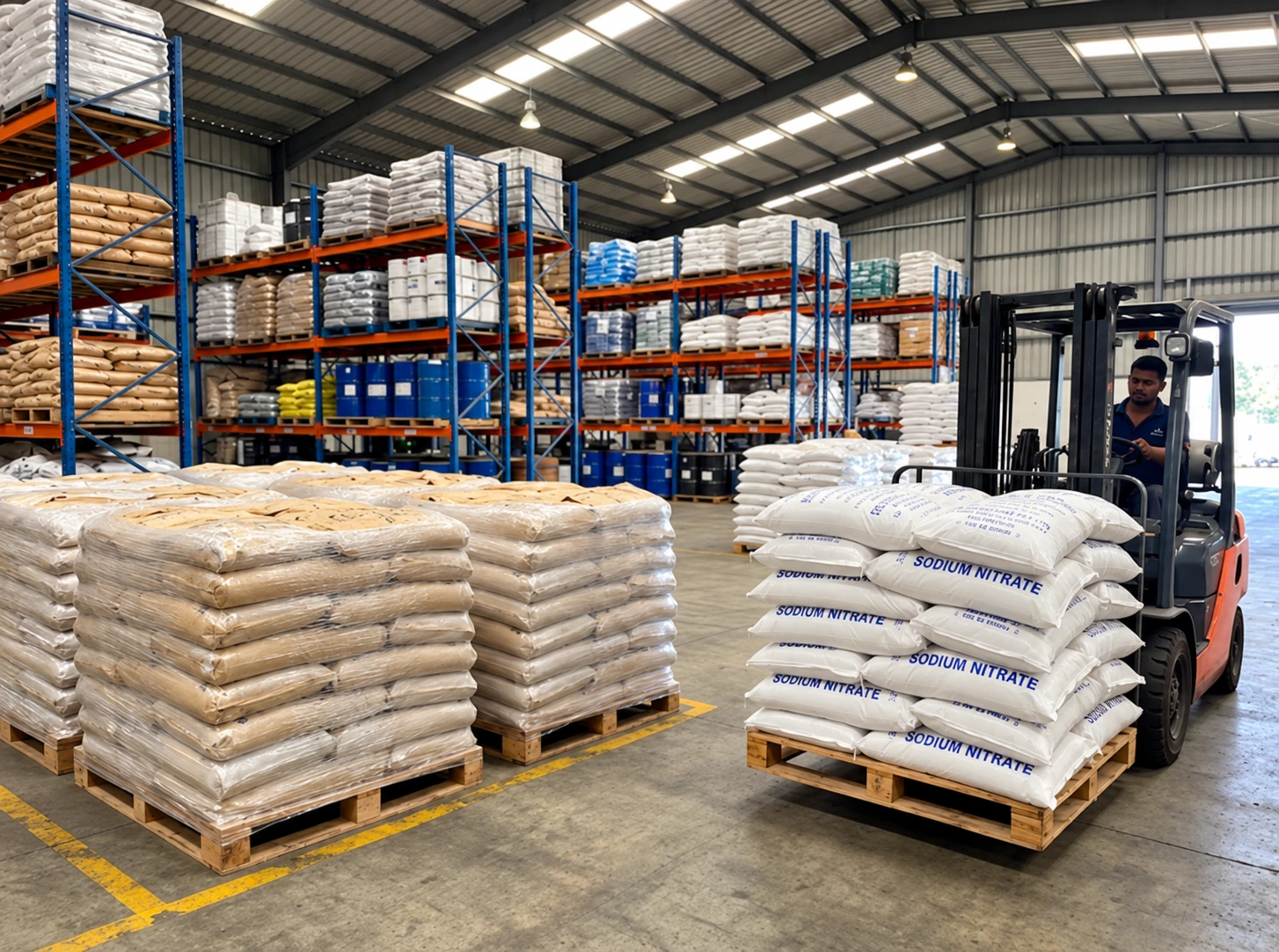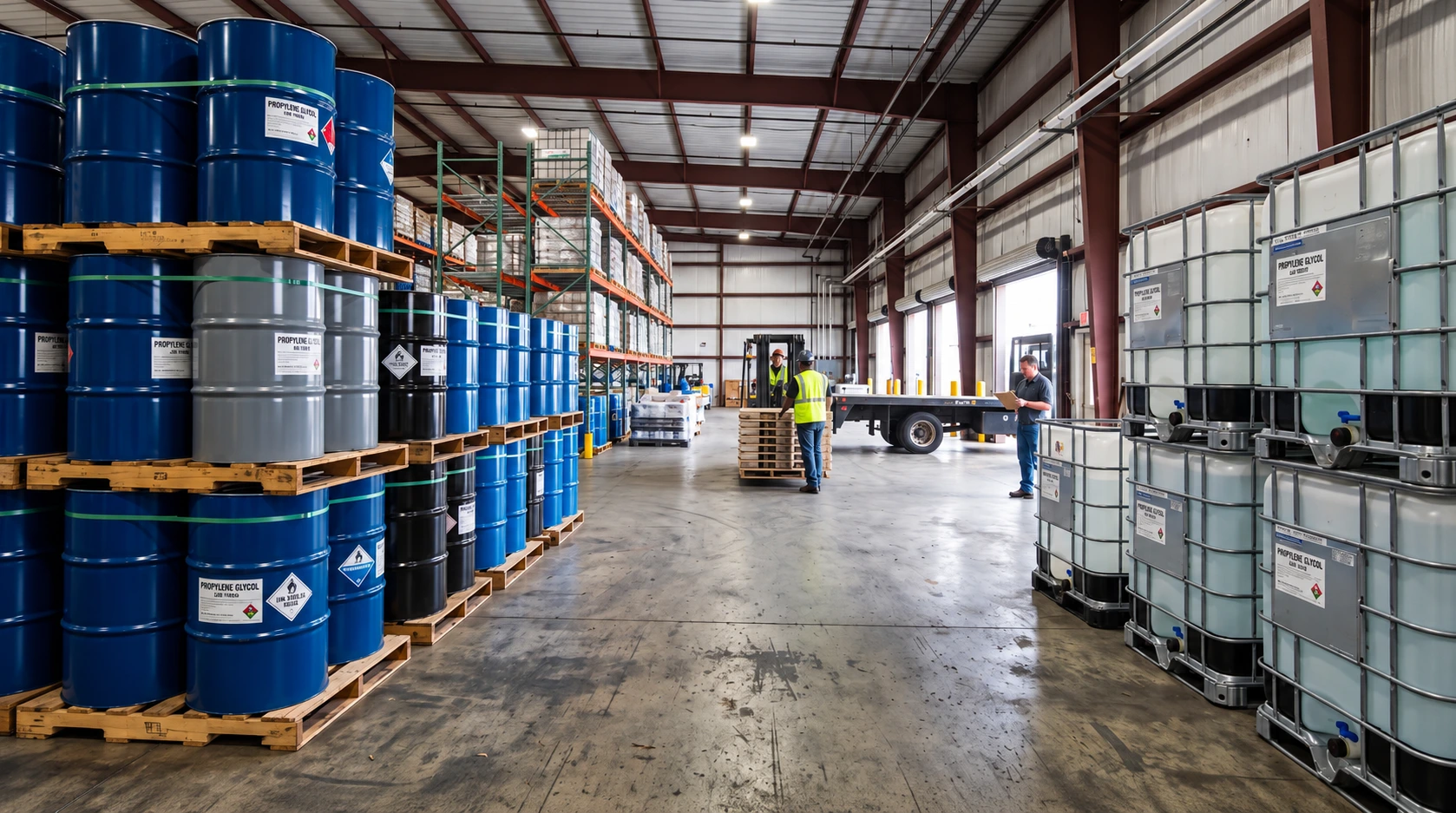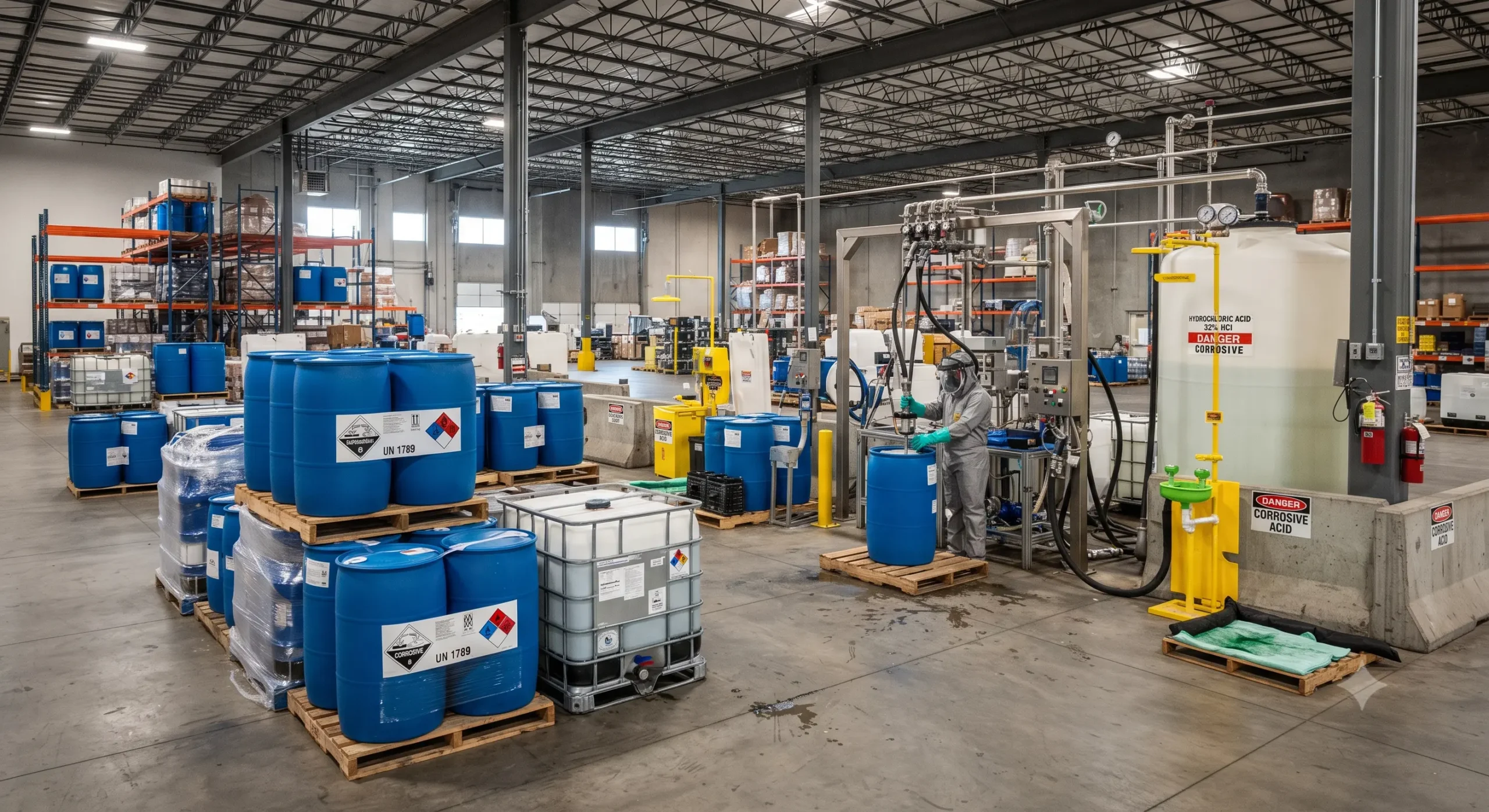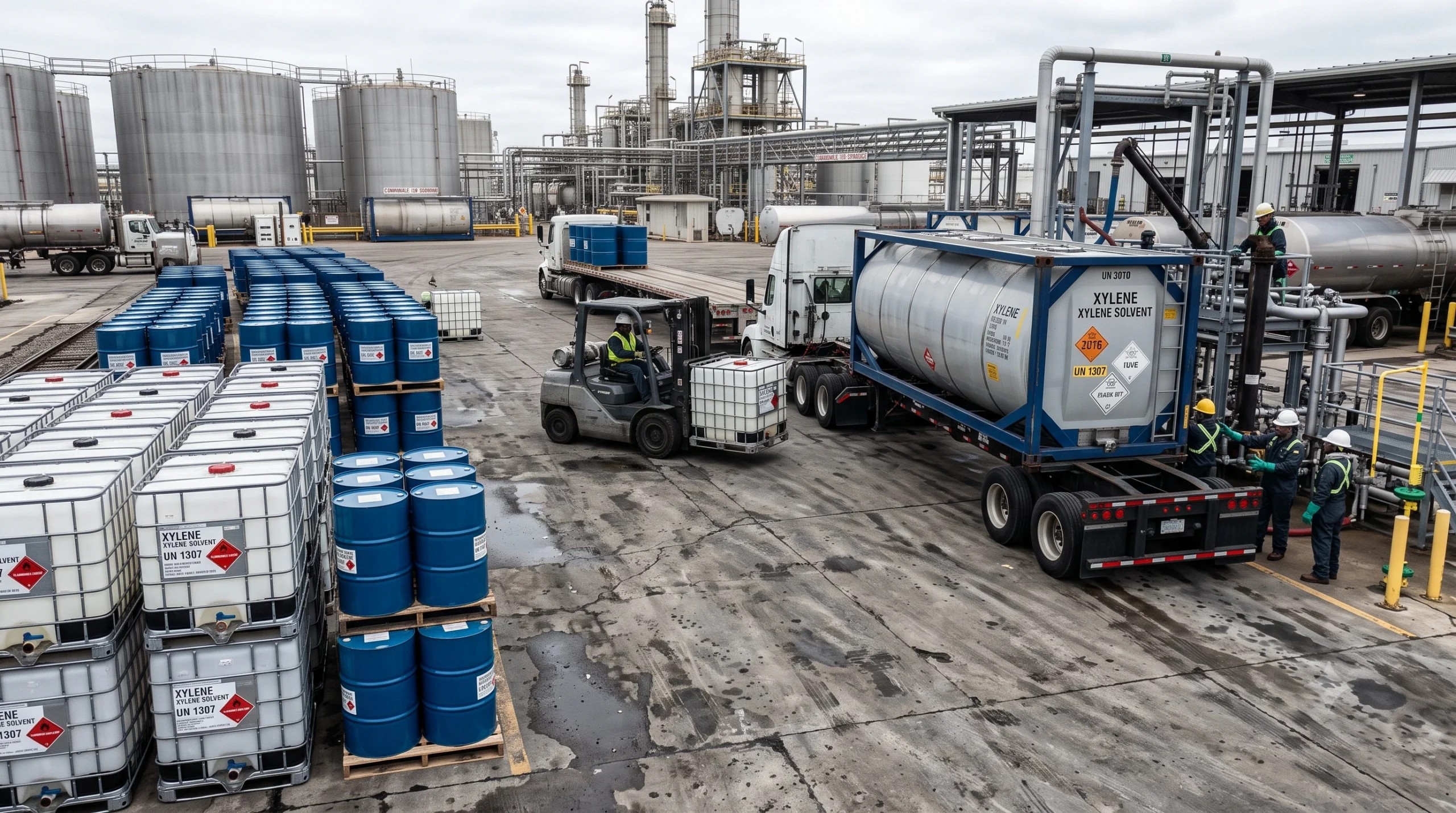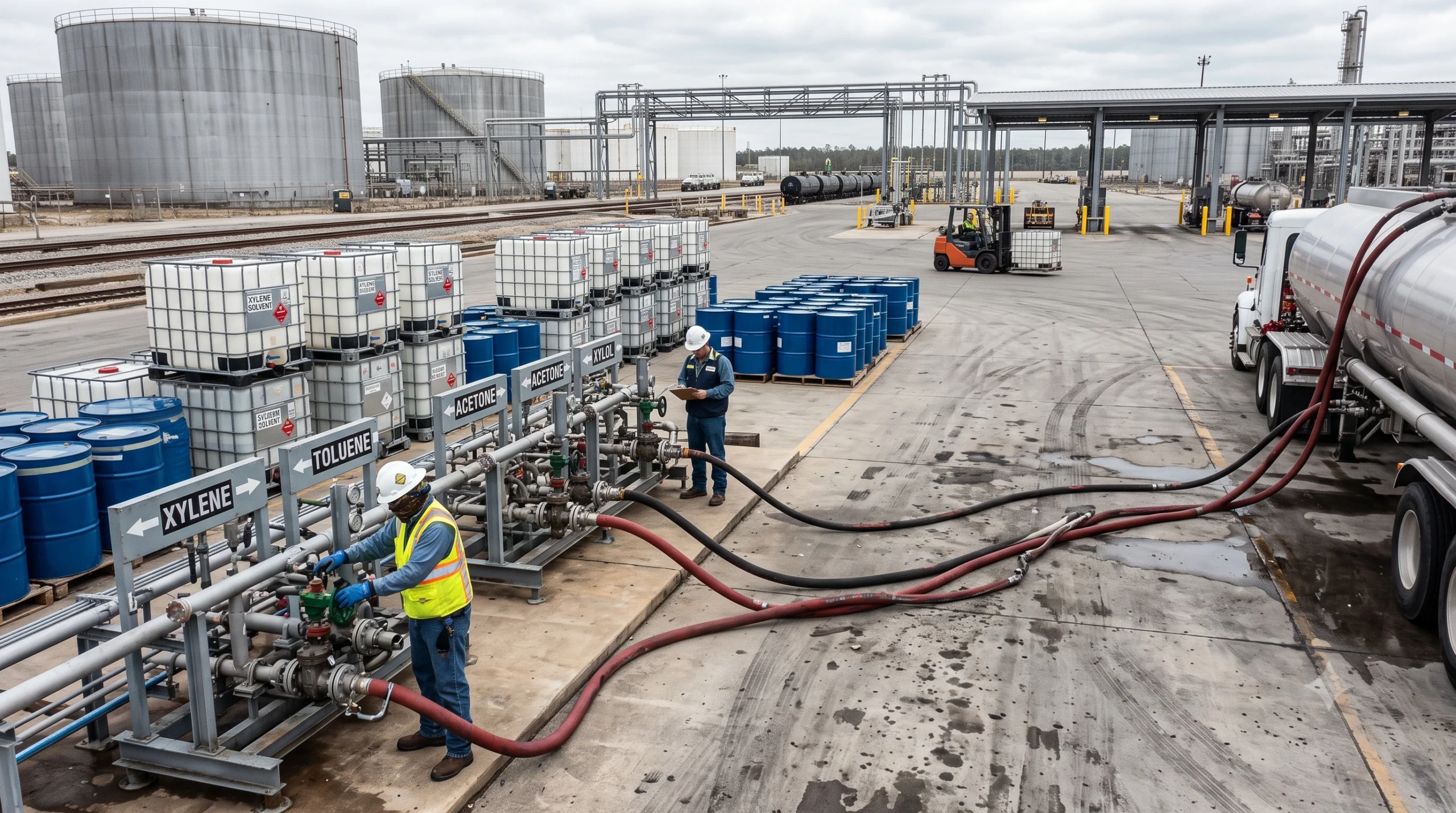


The global chemical distribution market is a core component of industrial supply chains, connecting chemical producers with manufacturers and end-use industries such as pharmaceuticals, automotive, agriculture, construction, and consumer goods by managing sourcing, logistics, compliance, and delivery of chemical products worldwide. Distributors add value by managing sourcing, logistics, compliance, warehousing, and delivery of both bulk and specialty chemicals to diverse customers around the world.
The growth is fueled by the rising demands for special chemicals, particularly in the fields of electronics, healthcare and food processing. There is also an increase in outsourcing services for distribution as companies are focusing on their core business and development. The growth of emerging markets, specifically in Asia-Pacific continues to influence the global distribution system as the region accounts for a significant portion of the market’s volume and revenue.
Several key trends are redefining the industry:
-
- The digital revolution and the e-commerce platform are increasing the efficiency of procurement and transparency in the supply chain.
-
- Sustainability and compliance with the law influence the strategies of distributors and strategies, with a greater focus on green products and safe handling procedures.
-
- Value-added services, such as formulation support, as well as inventory management, are more and more sought after by buyers who need technical support and custom solutions.
As global production and consumption patterns evolve, distributors that can combine logistics expertise with digital capabilities and regulatory insight are best positioned to support complex supply needs across regions and industries.
At a Glance
The global chemical distribution market plays a critical role in connecting manufacturers with end-use industries through sourcing, logistics, compliance, and value-added services. In 2026, leading chemical distributors are defined by their global reach, digital procurement capabilities, regulatory expertise, and ability to serve both bulk and specialty chemical demand.
Market growth is driven by rising demand for specialty chemicals, outsourcing of distribution functions, and strong expansion in Asia-Pacific. Distributors that combine logistics expertise with digital platforms and sustainability-focused practices are shaping the future of the industry.
What is a chemical distribution company?
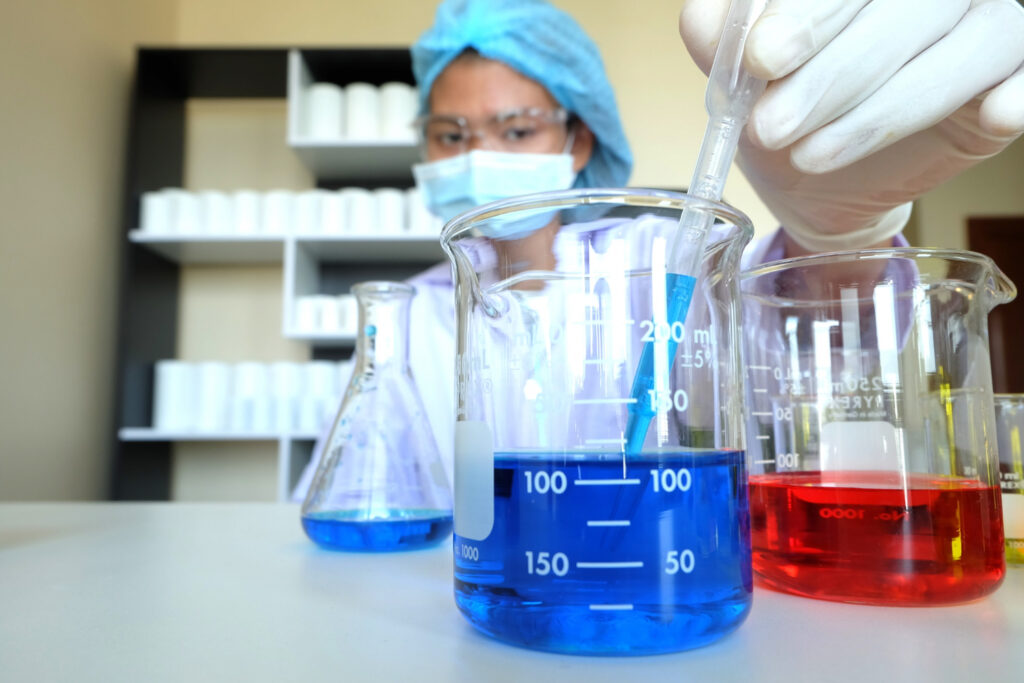
A chemical distribution company connects chemical producers with industrial buyers. Depending on its business model, it may support sourcing, warehousing, packaging, documentation, logistics, technical support, and local commercial service. The exact offering varies by chemical, grade, country, and route.
A global chemical distributor may operate in several countries, but that does not confirm it can supply a particular product in every destination. Before comparing distributors, define the chemical, grade, specification, quantity, documents, origin, route, and delivery requirements.
Key characteristics of today’s market include:
-
- Rising demand for industrial chemical distributors with global reach
-
- Growth in bulk chemical suppliers for large-scale manufacturing
-
- Increased focus on digital procurement and supply chain transparency
-
- Expansion of specialty and performance chemical portfolios
According to industry rankings and market studies, global chemical suppliers are increasingly evaluated on operational efficiency, digital capabilities, and regional adaptability.
How to compare global chemical distributors
Compare companies against the same buyer brief: product and grade fit, documentation, quantity and packaging, origin, destination coverage, logistics route, technical support, commercial terms, and escalation process. A sales ranking or broad global footprint is one research signal, not proof of current availability.
Read More : How to choose the right chemical supplier for your business ?
10 Global Chemical Distribution Companies Buyers May Research
“Largest” can mean distribution sales, geographic footprint, product breadth, or specialist capability. The companies below are buyer-research starting points, not a single revenue ranking. Confirm the company’s current product scope and destination-market capability before adding it to an approved supplier list.
|
Company |
Officially evidenced focus |
Buyer must confirm |
Official source |
|
Elchemy |
Sourcing discussion for product and route |
Product fit, origin, documents, route, quantity, terms |
elchemy.com |
|
Brenntag |
Industrial and specialty chemicals; supply-chain services |
Product/grade, legal entity, local availability |
corporate.brenntag.com/en/about/ |
|
Univar Solutions |
Chemical and ingredient distribution; technical and supply-chain support |
Product/grade, local coverage, documents, terms |
univarsolutions.com/about-us/security-of-supply/ |
|
IMCD |
Specialty chemical and ingredient distribution/formulation |
Specialty mandate, technical fit, destination |
imcdgroup.com |
|
HELM AG |
Chemical marketing, distribution, and logistics |
Product scope, legal entity, origin, route |
helmag.com |
|
DKSH |
Specialty chemical distribution and market-expansion services |
Country service availability, product, regulatory support |
dksh.com/global-en/home/performance-materials/ |
|
Nippon Kayaku Group (NIKKA FINE TECHNO) |
Domestic trading company within the Nippon Kayaku Group; materials sales and sourcing |
Product scope, legal entity, country coverage, documents |
Nippon Kayaku Group Companies page |
|
Azelis |
Specialty chemical and food-ingredient distribution |
Principal mandate, product, destination, technical support |
azelis.com/en/value-proposition |
|
ICC Industries |
Chemical distribution and related industrial products |
Product scope, legal entity, origin, documents |
iccindustries.com |
|
Manuchar |
Commodity and specialty chemical distribution |
Product/grade, origin, delivery route, terms |
manuchar.com |
1. Elchemy (Best for Global Digital-First Distribution)
Headquarters and Global Presence
Elchemy operates as a digital-first global chemical distributor with a growing presence across key international markets, enabling cross-border sourcing and supplier-buyer connectivity.
Core Chemical Products and Commodities
-
- Industrial and specialty chemicals
- Raw materials for manufacturing and formulation
- Commodity and performance-based chemical inputs
Key Industries Served
-
- Personal Care
- Food & Nutrition
- Home Care & Industrial cleaning
- Flavours & Fragrance
- Oil & Gas
- Chemical Intermediates
- Water Treatment & Planning
- Chemical for coating, adhesives, sealants
Competitive Strengths and Limitations
Strengths: Platform-driven procurement, supply chain visibility, modern digital infrastructure
Limitations: Relatively newer compared to legacy distributors
2. Brenntag (Germany Based Global Leader)
Headquarters and Global Presence
Headquartered in Germany, Brenntag operates in over 70 countries, making it one of the most established global chemical distributors.
Core Chemical Products and Commodities
-
- Bulk chemicals
-
- Specialty chemicals
-
- Industrial solvents and additives
Key Industries Served
-
- Chemicals
- Food & nutrition
- Pharmaceuticals
- Energy and water treatment
Competitive Strengths and Limitations
Strengths: Extensive global footprint, mature logistics network
Limitations: Complex organizational scale can slow innovation
3. Univar Solutions (North America based global supplier)
Headquarters and Global Presence
Based in the United States, Univar Solutions has a strong presence across North America, Europe, and parts of Asia-Pacific.
Core Chemical Products and Commodities
-
- Commodity chemicals
-
- Specialty formulations
-
- Performance materials
Key Industries Served
-
- Industrial manufacturing
-
- Personal care
-
- Food and beverage
-
- Agriculture
Competitive Strengths and Limitations
Strengths: Strong supplier partnerships, industry specialization
Limitations: Regional concentration compared to fully global players
4. IMCD Group (Leading Specialty Chemical Distributor)
Headquarters and Global Presence
IMCD is headquartered in the Netherlands with operations across Europe, Asia-Pacific, the Americas, and Africa.
Core Chemical Products and Commodities
-
- Specialty chemicals
-
- Performance materials
-
- Formulation ingredients
Key Industries Served
-
- Coatings
-
- Life sciences
-
- Advanced materials
Competitive Strengths and Limitations
Strengths: Deep technical expertise, specialty focus
Limitations: Less emphasis on bulk chemical distribution
5. HELM AG (Chemicals Distributor)
Headquarters and Global Presence
Based in Germany, HELM AG operates globally with strong trading and distribution capabilities.
Core Chemical Products and Commodities
-
- Industrial chemicals
-
- Fertilizers
-
- Energy-related chemical products
Key Industries Served
-
- Agriculture
-
- Chemicals
-
- Energy
Competitive Strengths and Limitations
Strengths: Integrated trading and logistics model
Limitations: Lower digital procurement visibility
6. DKSH (Market Expansion & Specialty Chemical Distributor)
Headquarters and Global Presence
DKSH is headquartered in Switzerland with a dominant presence in Asia-Pacific markets.
Core Chemical Products and Commodities
-
- Specialty chemicals
-
- Industrial ingredients
-
- Performance materials
Key Industries Served
-
- Healthcare
-
- Consumer goods
-
- Specialty manufacturing
Competitive Strengths and Limitations
Strengths: Strong Asia-Pacific distribution network
Limitations: Limited penetration in Western markets
7. Nippon Kayaku (Specialty Functional Chemicals & Materials Provider)
Headquarters and Global Presence
A Japan-based company with regional distribution capabilities across Asia and selective global markets.
Core Chemical Products and Commodities
-
- Industrial chemicals
-
- Functional materials
-
- Specialty intermediates
Key Industries Served
-
- Automotive
-
- Electronics
-
- Industrial manufacturing
Competitive Strengths and Limitations
Strengths: Strong technical product portfolio
Limitations: Limited global distribution scale
8. Azelis (Global Specialty Chemicals & Technical Service Provider)
Headquarters and Global Presence
Azelis operates globally with a strong focus on specialty chemicals across Europe, the Americas, and Asia.
Core Chemical Products and Commodities
-
- Specialty chemicals
-
- Performance additives
Key Industries Served
-
- Personal care
-
- Pharmaceuticals
-
- Coatings
Competitive Strengths and Limitations
Strengths: Technical sales and formulation support
Limitations: Smaller bulk chemical presence
9. ICC Chemical (Flexible Industrial & Commodity Distributor)
Headquarters and Global Presence
ICC Chemical is based in the United States with international sourcing and distribution capabilities.
Core Chemical Products and Commodities
-
- Commodity chemicals
-
- Industrial intermediates
Key Industries Served
-
- Manufacturing
-
- Industrial processing
Competitive Strengths and Limitations
Strengths: Flexible sourcing and trading
Limitations: Smaller scale compared to top global suppliers
10. Manuchar (Best International Distributor)
Headquarters and Global Presence
Manuchar operates internationally with a focus on emerging markets.
Core Chemical Products and Commodities
-
- Commodity chemicals
-
- Industrial raw materials
Key Industries Served
-
- Construction
-
- Chemicals
-
- Agriculture
Competitive Strengths and Limitations
Strengths: Strong presence in developing regions
Limitations: Limited digital supply chain capabilities
How Elchemy Stands Out Compared to Other Global Chemical Distributors
|
Global Chemical Distributor Comparison |
Key Differentiator |
|
Brenntag |
One of the largest traditional chemical distributors with extensive global logistics networks. |
|
Univar Solutions |
Strong supplier partnerships and large portfolio of specialty and commodity chemicals. |
|
IMCD Group |
Focus on specialty chemicals and formulation support for technical industries. |
|
DKSH |
Market expansion services with strong presence across Asia-Pacific markets. |
|
Elchemy |
Digital-first chemical sourcing platform connecting buyers with global suppliers and enabling faster procurement. |
How Elchemy Can Help With a Sourcing Discussion
If you are exploring a global chemical sourcing requirement, Elchemy can discuss direct-import and local-fulfilment options for the specific product and route. Share the product specification, application, quantity, destination, delivery timing, and documentation needs. The team can then assess the relevant supply path, including origin, available documents, packaging, route, and commercial terms. For a closer look at its procurement and supply-chain tools, explore the Elixir chemical procurement platform.
Leading Chemical Distributors by Region
-
- North America: Elchemy, Brenntag, Univar Solutions
-
- Europe: IMCD Group, HELM AG, Azelis
-
- Asia-Pacific: DKSH, Nippon Kayaku
-
- Global / Digital-First: Elchemy
This regional distribution highlights how chemical distribution companies worldwide adapt to localized regulatory and logistical requirements.
What Buyers Should Look for in a Chemical Distributor
When selecting a global chemical distributor, buyers should evaluate:
A specialty chemical distributor may be the better fit when the requirement depends on formulation support, application knowledge, a defined performance specification, sampling, or technical documentation. A bulk or industrial distributor may be the better fit when volume, storage, route economics, and repeat delivery of an established specification are the priority. For US bulk requirements, compare US bulk distributors.
For industrial buyers, alignment with long-term production and compliance needs is critical.
Compare every option against one written sourcing brief:
- chemical name, grade, application, and specification;
- volume, packaging, MOQ, and delivery country;
- SDS, technical data sheet, CoA availability, and destination-specific documents;
- origin, Incoterms, lead time, and delivery route; and
- any technical, formulation, regulatory, or local-service requirements. For supplier-screening criteria, use the supplier selection checklist.
For EU/EEA sourcing, check ECHA SDS guidance for information on when an SDS is required and what it contains; requirements depend on the substance and destination market.
FAQs
Q1. Who is the largest chemical distributor in the world?
There is no single answer without defining the metric. If “largest” means distribution sales, use a current published ranking and state its year and methodology. For a purchase decision, product fit, grade, documentation, route, delivery country, and service requirements matter more than company size alone.
Q2. What are the top chemical distributors in the world?
A useful shortlist depends on the chemical and destination. Use the companies in this guide as research starting points, then confirm whether each can supply the required grade, documentation, packaging, quantity, route, and technical or local service. Do not treat a general list as an approved-supplier list.
Q3. What is the ICIS Top 100 Chemical Distributors list?
ICIS publishes an annual chemical-distributor ranking. Before using any ranking to make a sourcing decision, check the ranking year, sales metric, currency treatment, and whether the companies listed serve your product and destination. A sales ranking does not confirm current supply availability. It is extensively used by procurement teams as well as professionals in the industry to gain a better understanding of the global market leader in chemical distribution. ICIS 2026 distributor ranking
Q4. What is the difference between chemical manufacturers and chemical distributors?
Chemical producers produce chemical substances and materials Chemical distributors are focused upon sourcing materials, storage logistics and compliance, as well as delivery. Distributors serve as intermediaries that help industries gain access to special chemicals and bulk quantities effectively without coordinating directly with multiple manufacturers.
Q6. How is digital transformation changing chemical distribution?
Digital transformation is changing the face of chemical distribution with online procurement platforms with real-time supply chain visibility as well as data-driven sourcing and automated processes for ensuring compliance. Chemical distributors across the globe are increasingly using digital tools to increase efficiency in transparency, speed, and efficiency across the complex supply chains of international trade.List of Top 10 Chemical Distributors in the World