

If you’re sourcing ingredients for personal care products at scale, you’ve probably already got CAPB on your formula sheet. It’s everywhere. Shampoos, facial cleansers, baby washes, hand soaps, even dish detergents – cocamidopropyl betaine shows up in nearly all of them, and for good reason. It’s mild, it boosts foam without stripping skin, and it plays well with almost every other surfactant system in common use.
But here’s the problem. The global CAPB market was valued at around $640 million in 2023 and is still growing at roughly 5.2% annually through 2030. That’s a lot of buyers competing for reliable supply. And not every cocamidopropyl betaine supplier out there is worth your time. Some ship inconsistent grades. Some have minimum order quantities that make no practical sense for mid-size manufacturers. And some just go quiet after the first invoice.
This guide is here to help you cut through all of that. You’ll get technical specs, a breakdown of what makes a trustworthy cocamidopropyl betaine manufacturer, realistic pricing benchmarks, and a look at how elchemy supplies CAPB to personal care and industrial buyers across 25+ countries.
What Is Cocamidopropyl Betaine, Exactly?
CAPB is an amphoteric surfactant. That just means it carries both positive and negative charges depending on the pH of the surrounding solution. Derived from coconut oil and dimethylaminopropylamine (DMAPA), it’s been a staple in cosmetic formulation since the 1970s, and it hasn’t lost its spot for good reason.
Why do formulators keep coming back to it? A few reasons.
It’s mild enough for daily use on skin and scalp. It boosts foam density when combined with anionic surfactants like SLES or SLS – often dramatically – without the irritation that comes with harsher ingredients. In baby care formulas especially, you’ll see CAPB used almost exclusively because it doesn’t cause the eye or skin irritation that stronger surfactants do. The CAPB chemical also functions as an antistatic agent, which is why conditioning shampoos and leave-on hair products lean on it heavily.
One thing worth flagging early: CAPB is typically sold as a 30% active solution in water. So when you’re comparing prices and specs from different suppliers, confirm upfront whether you’re looking at 30% or a higher-concentration grade. This trips up a lot of first-time bulk buyers and causes real downstream formula issues.
CAPB Technical Specifications: What to Check Before You Order
This is the section most supplier guides skip. It’s also the most important part. Buying bulk CAPB without verifying these specs first is how you end up with a reformulation nightmare three months into a production run.
Here’s what your Certificate of Analysis (CoA) should show:
| Specification | Standard Grade (30%) | Higher Grade (35%+) |
| Active Matter Content | 28-32% | 34-36% |
| pH (10% solution) | 4.5 – 6.0 | 4.5 – 6.0 |
| Color (Hazen/APHA) | Max 100 | Max 50 |
| Chloride Content | Max 0.5% | Max 0.3% |
| Appearance | Clear to pale yellow liquid | Clear liquid |
| Free Amine (DMAPA) | Max 0.1% | Max 0.05% |
| Viscosity (mPa·s at 25°C) | 20-100 | 20-80 |
The color spec matters more than people assume. A yellowish tint isn’t always a dealbreaker – but if you’re formulating clear or white personal care products, an APHA reading above 80 will show in the finished product. Ask for the actual APHA number, not just “passes.”
The free amine spec is critical for regulatory compliance. DMAPA residuals have been linked to allergic contact dermatitis in peer-reviewed research, and EU regulations under Annex V of the Cosmetics Regulation (EC) No. 1223/2009 restrict nitrosamine-forming secondary amines. Your supplier should be able to provide nitrosamine test data. If they can’t, walk away. Seriously.
Where to Buy CAPB Bulk: How to Evaluate a Supplier
This is where most sourcing decisions actually go wrong. Price drives the selection, the supplier looks fine on paper, and then problems show up at the receiving dock or in the quality lab.
Here’s what separates a solid CAPB supplier from one that’ll cost you more long-term.
Batch-to-batch consistency. Ask for CoAs from multiple production batches, not just the latest one. If active content swings between 28% and 32% from batch to batch, that’s a formulation variable you’re absorbing without knowing it.
Regulatory documentation. For personal care manufacturing, you need SDS, CoA, and for EU markets, REACH compliance data. A lot of cheaper CAPB chemical coming from smaller producers simply doesn’t meet EU standards. You find out after customs holds your shipment, which is a deeply annoying situation to be in.
MOQ flexibility. Some major CAPB supplier worldwide players won’t accept orders below 20 metric tons. If you’re running 5-ton batches, that’s a problem. Look for suppliers who can scale with your actual business, not just their preferred minimum.
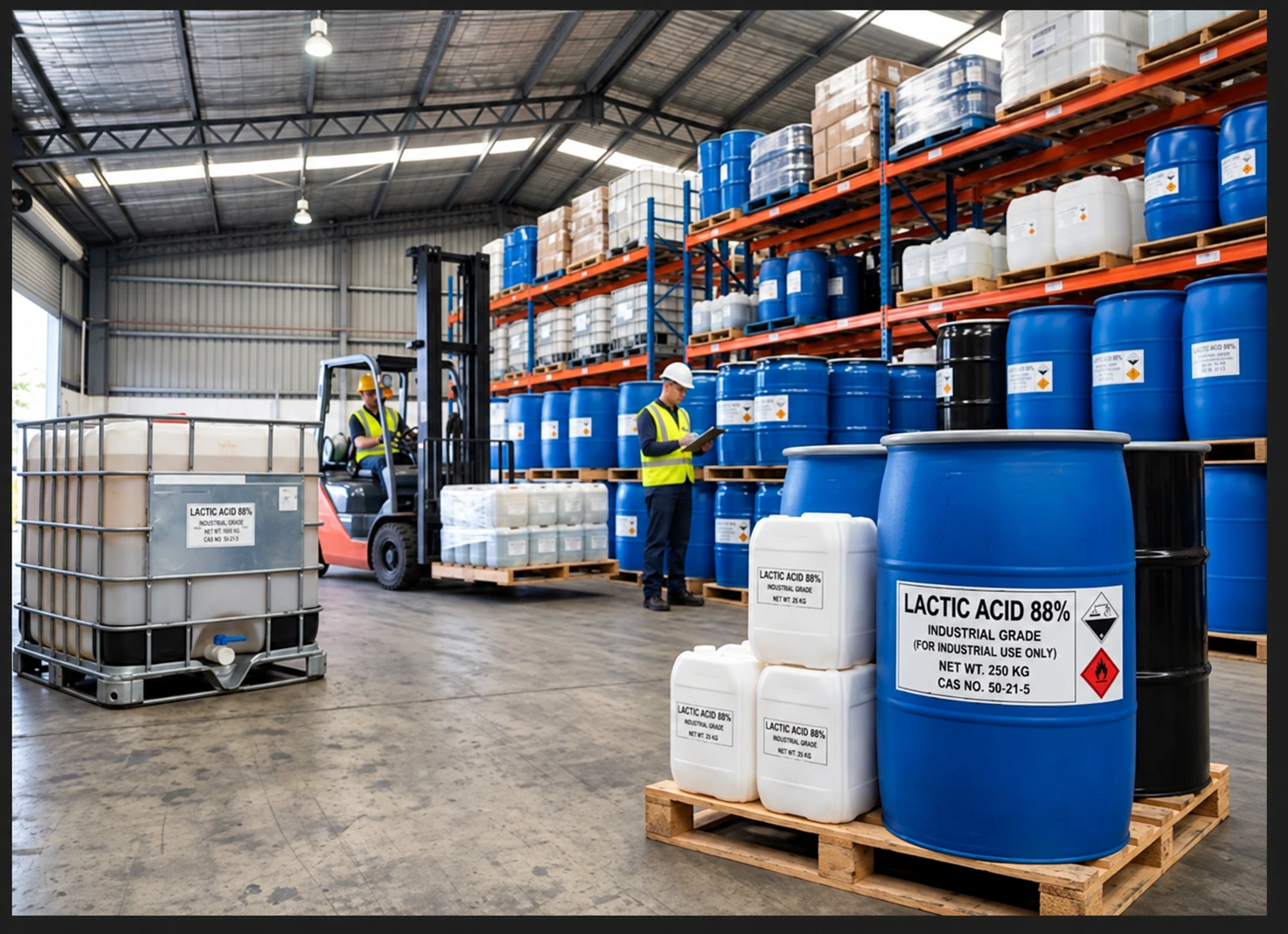
Lead time transparency. CAPB ships as a liquid, typically in IBC totes. Ocean freight on bulk chemical liquids is unpredictable. A reliable supplier tells you realistic timelines and communicates proactively if something shifts. An unreliable one goes quiet.
Technical support. Can they explain how their product performs with specific co-surfactant systems? Can they help troubleshoot a compatibility issue? That capability separates a sourcing partner from a commodity vendor, and it’s worth paying a little more for.
The CAPB Manufacturer Landscape: Who’s Actually in the Market
The cocamidopropyl betaine manufacturer world has a few clear tiers.
At the top: BASF, Evonik, Clariant, Croda, Solvay. These are multinationals producing pharmaceutical and cosmetic grade CAPB that meets essentially every global regulatory standard. Quality is consistent. Prices reflect that.
Then there’s the mid-tier: Galaxy Surfactants out of India, Guangzhou Tinci from China, Innospec, Inolex, Lubrizol. Strong regional footprints, solid quality, and generally more competitive pricing without sacrificing documentation standards.
Below that, you’ve got a very long tail of producers – mostly in Hebei, Guangzhou, and Zhejiang provinces in China. Some are genuinely solid manufacturers. Some are not. The hard part is telling them apart without a third-party audit or a track record of actual purchases. That’s the real sourcing challenge at this tier.
For most personal care manufacturers buying in the 5-50 ton range, going direct to BASF or Evonik isn’t practical. You’re not their primary customer profile at that volume and they’ll price accordingly. That’s where working with a qualified distributor who specializes in CAPB sourcing becomes the smarter move.
CAPB Pricing: What to Expect Per Kilogram
Let’s talk money. CAPB chemical price per kg varies significantly depending on grade, origin, and order volume.
As of early 2026:
- Standard 30% grade from Chinese producers: roughly $1.20 – $1.80/kg (FOB)
- Mid-tier (Galaxy, Tinci) 30% grade: $1.60 – $2.20/kg
- European major brand CAPB (BASF, Clariant, Evonik): $2.50 – $3.50/kg and up
Cocamidopropyl betaine wholesale pricing typically kicks in at 5 metric tons and above. Below that, you’re being quoted closer to sample-tier rates, which can run double the bulk price. That gap is real and it’s frustrating when you’re a growing brand trying to get your unit economics right.
Two things drive pricing variation that aren’t immediately obvious:
Coconut oil commodity swings. CAPB is derived from coconut oil, and when weather events hit Indonesia or the Philippines, coconut prices move. Your CAPB quote moves with them, usually within a quarter. It’s not a supplier making things up – it’s just how the raw material market works.
Delivery terms. A quote that looks cheap on paper might be FOB Shanghai, not CIF your warehouse. Freight on bulk liquid chemicals is expensive. Always normalize quotes to the same delivery terms before comparing them, otherwise you’re comparing apples to mangoes.
One thing that genuinely frustrates buyers in this space: most suppliers won’t publish firm pricing publicly. You spend a week chasing quotes, filling out forms, and waiting for responses – only to find out the product needs to be sampled first before any real number gets discussed. It’s a legitimate friction point, and it’s why a good distribution partner with upfront pricing access is actually worth something.
How Elchemy Helps With CAPB Sourcing

Elchemy is a chemical distribution and custom manufacturing platform operating across 25+ countries. For buyers looking to buy Cocamidopropyl betaine at wholesale volumes, Elchemy offers a few capabilities that are worth paying attention to.
Verified supply chain. Elchemy works with audited, qualified manufacturers – not random spot-market vendors. The CAPB you source through their platform comes with full documentation: CoA, SDS, batch traceability. This matters enormously for any company selling into regulated markets.
Multi-region sourcing. If your primary supply source goes down – and supply disruptions happen – having a distribution partner with access to manufacturers across India and the Asia-Pacific region gives you real optionality. That flexibility has genuine value, especially after what global supply chains went through post-2020.
Regulatory compliance support. Selling into the EU, US, or GCC markets? Elchemy provides REACH-compliant documentation, EU Cosmetics Regulation-aligned CoAs, and product-specific technical guidance. Arranging this yourself takes weeks. Having a partner who already has it in order is a practical advantage.
Flexible order quantities. You don’t need to hit a 20-ton minimum. Elchemy works with buyers who are scaling up, not just companies that are already running full-scale production.
Industry depth. Whether you’re sourcing CAPB for rinse-off personal care, baby care, household cleaning, or industrial applications,Elchemy can match you with the right grade and support your formulation decisions.
They’re not a middleman who just adds markup and forwards emails. There’s actual technical knowledge behind the operation.
→ Ready to source CAPB for your next production run? Book a demo with Elchemy and get a qualified quote within 48 hours.
Common Sourcing Mistakes (and How to Avoid Them)
I’ve seen versions of these mistakes come up repeatedly, and most of them are completely avoidable.
Buying on price alone. The cheapest quote almost always comes with the weakest documentation, the most variable batch quality, and the least responsive support. A $0.30/kg savings that triggers a reformulation or a regulatory hold is not a savings.
Not confirming active content. A 30% CAPB and a 35% CAPB are different products with different dose rates in your formula. Make sure you’re comparing the right specs before placing an order. This sounds obvious. It still catches people out.
Ignoring shelf life and storage conditions. CAPB typically has a 12-24 month shelf life and should be stored between 5°C and 35°C, away from freezing temperatures. Buying 12 months of inventory at once sounds economical until your warehouse in a hot climate hits 38°C in July and you’ve got quality problems on your hands.
Skipping nitrosamine testing. Increasingly important for buyers selling into regulated markets. CAPB manufactured with high DMAPA residuals can form N-nitrosodimethylamine (NDMA) under certain conditions. Your supplier needs to provide nitrosamine test data. Period.
Not asking about backup supply. What’s their protocol if production is interrupted? If they look confused by the question, that’s your answer.
Frequently Asked Questions
What is a cocamidopropyl betaine supplier and what should I look for?
A cocamidopropyl betaine supplier is a manufacturer or distributor of CAPB for personal care, household cleaning, and industrial applications. Look for complete batch documentation (CoA, SDS), consistent active matter content across multiple shipments, compliance data for your target markets, and technical support capability. A supplier that can’t answer detailed specification questions isn’t a safe choice for ongoing production supply.
What’s a typical CAPB chemical price per kg for bulk orders?
For standard 30% grade CAPB, bulk pricing (5 MT and above) typically runs $1.20 – $2.20/kg FOB depending on producer origin and quality tier. European-origin CAPB from major manufacturers runs $2.50 – $3.50/kg or above. Prices shift with coconut oil commodity markets, so it’s worth getting fresh quotes quarterly if you’re planning forward purchases.
Where can I buy CAPB in bulk with reliable documentation?
Elchemy offers wholesale CAPB sourcing with verified supply chains, full CoA and SDS documentation, and regulatory compliance support across 25+ countries. For mid-volume buyers who don’t meet minimum requirements to go direct with major manufacturers, a qualified distributor is often the practical and lower-risk route.
What’s the difference between 30% CAPB and higher-concentration grades?
The percentage refers to active matter content – the actual surfactant concentration versus water in the solution. Standard commercial CAPB is 30% active. Higher-concentration grades (35%) exist, require lower dosage in formulas, but cost more per kilogram. Your formulation spec should clearly indicate which grade is required before you begin sourcing.
Is CAPB safe for use in baby care and sensitive skin products?
Yes, and that’s actually one of its primary use cases. It’s considerably milder than sulfate surfactants and is compatible with skin and eye contact in properly formulated rinse-off products. That said, the free amine (DMAPA) residual content matters for sensitive skin applications. Always verify the DMAPA spec when sourcing CAPB for baby care formulations.
How do I evaluate a cocamidopropyl betaine manufacturer in China versus a European one?
Chinese producers typically offer lower prices, but documentation rigor and batch consistency vary widely. European producers like BASF and Clariant offer more reliable specifications and cleaner compliance documentation for EU markets, at a meaningful price premium. For most mid-size buyers, working with a qualified distributor that audits its Chinese supply chain is the practical middle ground – you get better pricing than European-origin with better reliability than spot-sourcing.
Conclusion
CAPB sounds straightforward to source until you’re actually doing it. The supplier landscape is wide, pricing is opaque, and regulatory documentation requirements keep getting stricter.
Getting this wrong is expensive – in reformulations, in customs delays, in quality holds.
Always verify active matter content, APHA color, DMAPA residuals, and nitrosamine test data before committing to a bulk supplier
CAPB price per kg ranges from $1.20 to $3.50+ depending on grade and origin – normalize delivery terms before comparing quotes
Batch-to-batch consistency matters more than the single best sample any supplier will ever send you
The smartest sourcing decision isn’t just finding the cheapest cocamidopropyl betaine supplier. It’s finding one that’s reliable, documented, and actually responsive when something goes sideways. Elchemy works with personal care and industrial buyers across 25+ countries to make CAPB sourcing faster, better documented, and genuinely lower risk. If you’re ready to source at scale, start the conversation with Elchemy today.