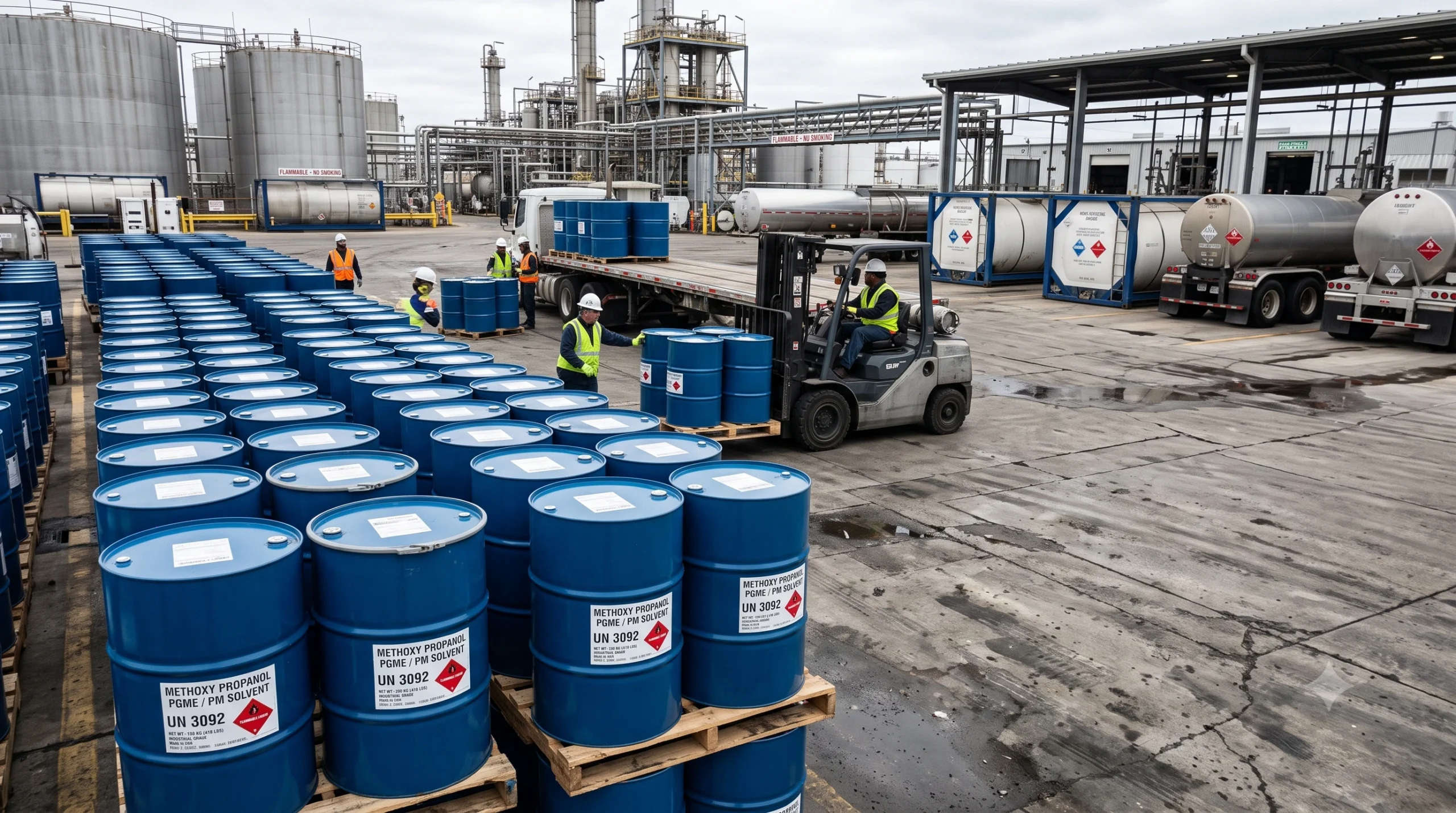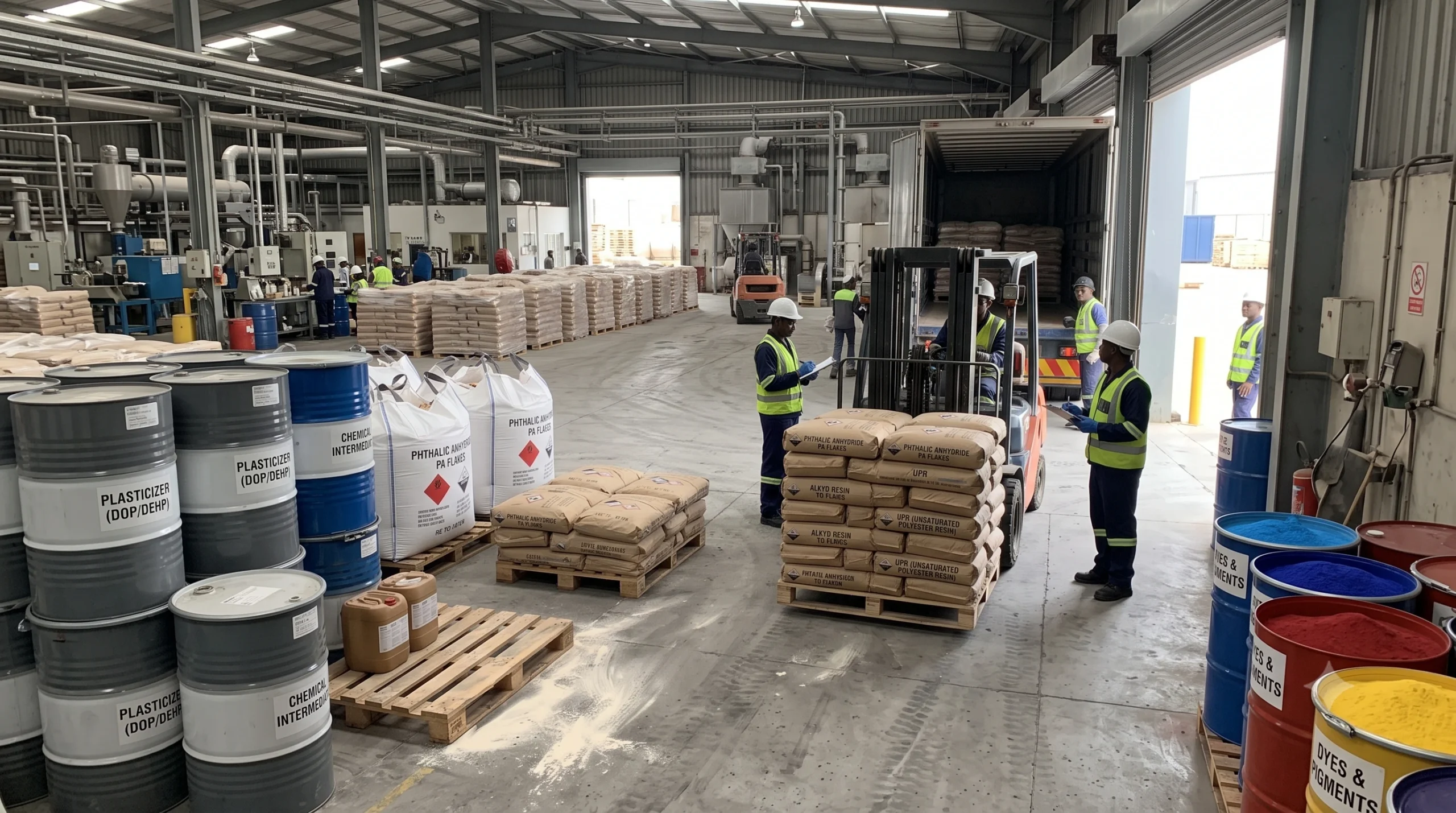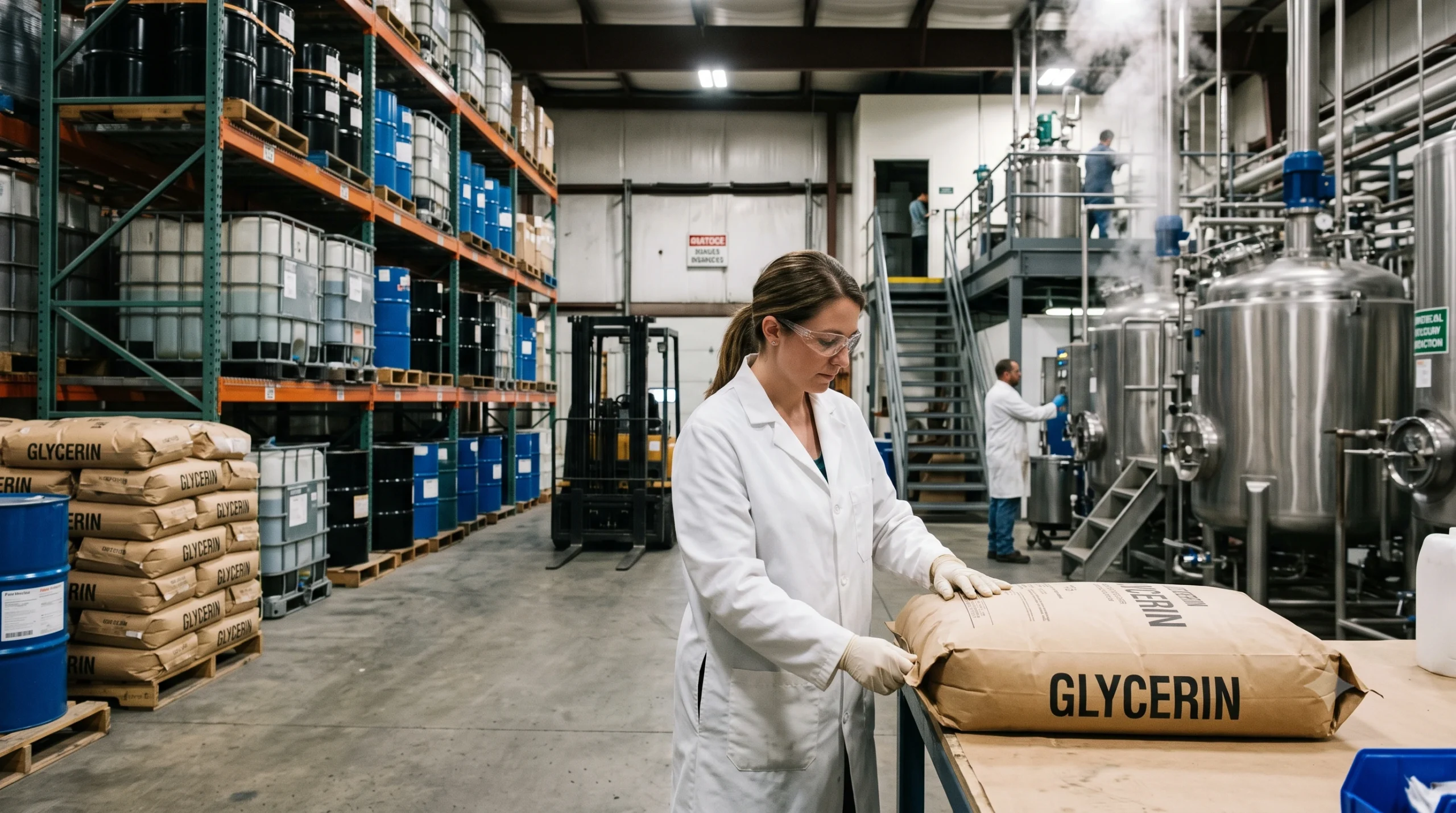


When sourcing specialty chemicals, businesses often consider working directly with manufacturers to gain better pricing, product customization, and supply control.
However, working with a specialty chemicals manufacturer is not always straightforward.
Unlike distributors, manufacturers typically focus on production efficiency and bulk operations, which can create challenges for businesses that require flexibility, smaller volumes, or faster turnaround times.
Understanding what to expect when working with a specialty chemicals manufacturer is essential to:
- Avoid procurement challenges
- Set realistic expectations
- Build effective partnerships
- Ensure smooth operations
In this guide, we’ll break down the key aspects of working with specialty chemicals manufacturers, including benefits, limitations, and how to make the most of such partnerships.
At a Glance
- Manufacturers offer direct sourcing, customization, and bulk pricing advantages
- They may have higher minimum order quantities (MOQs)
- Lead times are often longer compared to distributors
- Limited flexibility in product variety
- Strong compliance and quality control processes
- Platforms like Elchemy help bridge gaps between manufacturers and buyers
What Does a Specialty Chemicals Manufacturer Do?
A specialty chemicals manufacturer is responsible for:
- Producing chemical formulations
- Maintaining quality control standards
- Ensuring regulatory compliance
- Supplying products at scale
They typically serve:
- Large enterprises
- Bulk buyers
- Long-term contract clients
Key Expectations When Working with a Specialty Chemicals Manufacturer

1. High Minimum Order Quantities (MOQs)
Manufacturers usually operate at scale.
What to expect:
- Large order requirements
- Limited flexibility for small batches
👉 Suitable for businesses with consistent, high-volume demand
2. Competitive Pricing for Bulk Orders
One of the biggest advantages is pricing.
What to expect:
- Lower per-unit cost
- Better margins for bulk purchases
👉 However, total cost may increase due to logistics and storage.
3. Longer Lead Times
Manufacturers often follow production schedules.
What to expect:
- Longer delivery timelines
- Limited urgency handling
👉 Planning and forecasting become critical.
4. Product Customization Capabilities
Manufacturers can tailor products to specific requirements.
What to expect:
- Custom formulations
- Application-specific solutions
👉 Ideal for businesses with unique product needs.
5. Strict Quality and Compliance Standards
Manufacturers follow standardized processes.
What to expect:
- Consistent product quality
- Compliance with certifications (ISO, REACH, GMP)
6. Limited Product Variety
Unlike distributors, manufacturers focus on specific product lines.
What to expect:
- Narrow product portfolio
- Need to work with multiple suppliers
7. Direct Communication with Production Teams
Working with manufacturers often involves technical discussions.
What to expect:
- Detailed product specifications
- Technical documentation requirements
Manufacturer vs Distributor: What’s the Difference?
| Factor | Manufacturer | Distributor |
| Pricing | Lower (bulk) | Competitive |
| MOQ | High | Low to medium |
| Variety | Limited | Wide range |
| Flexibility | Low | High |
| Lead Time | Longer | Faster |
| Support | Technical | Technical + sourcing |
👉 Many businesses use a hybrid approachworking with both manufacturers and distributors.
Challenges of Working with Specialty Chemicals Manufacturers
1. Lack of Flexibility
- Fixed production schedules
- Limited customization for small orders
2. Inventory Burden
- High MOQs lead to excess stock
- Increased storage costs
3. Supply Chain Complexity
- Managing multiple manufacturers
- Coordinating logistics
4. Communication Gaps
- Technical discussions may slow decision-making
- Time zone and global coordination issues
Best Practices for Working with Manufacturers
1. Plan Your Demand in Advance
- Forecast accurately
- Align with production schedules
2. Negotiate Clear Terms
- Pricing
- Delivery timelines
- Quality standards
3. Start with Trial Orders
- Validate product quality
- Reduce risk
4. Maintain Strong Communication
- Regular updates
- Clear specifications
5. Combine Manufacturer + Distributor Strategy
- Use manufacturers for bulk
- Use distributors for flexibility
How Elchemy Enhances Your Experience with Chemical Manufacturers
Working directly with manufacturers can be complex but Elchemy simplifies and optimizes the entire process.
With Elchemy, you get:
- Access to verified global manufacturers and suppliers
- Faster sourcing and reduced lead times
- Transparent pricing and documentation
- End-to-end support including logistics and compliance
Elchemy helps you:
- Balance cost and flexibility
- Reduce sourcing complexity
- Build reliable supply partnerships
👉 Looking to work with trusted chemical manufacturers? Partner with Elchemy today.
When Should You Work Directly with a Manufacturer?
You should consider manufacturers when:
- You need large quantities
- You require custom formulations
- You have long-term procurement plans
For flexibility and faster sourcing, distributors or platforms like Elchemy are often a better choice.
FAQs
Q1. What are the benefits of working with a specialty chemicals manufacturer?
Lower pricing for bulk orders, customization options, and consistent quality.
Q2. What are the challenges of working with manufacturers?
High MOQs, longer lead times, limited flexibility, and complex logistics.
Q3. Is it better to work with a manufacturer or distributor?
Manufacturers are ideal for bulk and customization, while distributors offer flexibility and faster delivery.
Q4. How can I reduce risks when working with manufacturers?
Plan demand, verify quality, negotiate clear terms, and diversify suppliers.
Q5. How does Elchemy help with manufacturer sourcing?
Elchemy connects you with verified manufacturers and simplifies procurement with end-to-end support.
Conclusion
Working with a specialty chemicals manufacturer can offer significant advantagesbut it also requires careful planning and clear expectations.
By understanding key factors like MOQs, lead times, and flexibility, businesses can:
- Optimize procurement strategies
- Reduce risks
- Improve efficiency
With platforms like Elchemy, you don’t have to choose between cost and convenienceyou get the best of both worlds.