

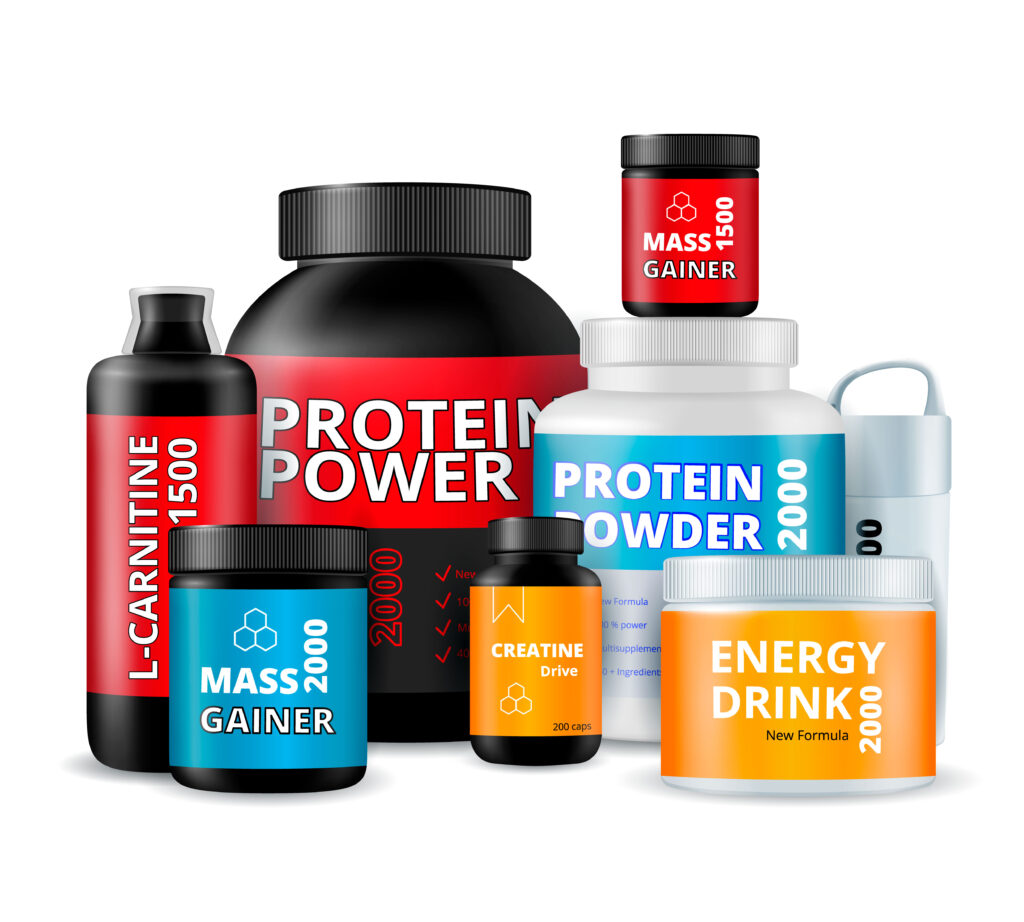
The supplement aisle used to be a two-horse race. Whey dominated, casein came second, and plant proteins sat in the corner for vegans who had no other option. That is no longer the case.
Pea protein isolate has crossed over. It shows up in protein bars eaten by powerlifters. It is the base ingredient in billion-dollar brands like Orgain and Ripple. Sports dietitians who spent years recommending whey are now fielding questions about it from serious athletes. The global pea protein isolate market was valued at $2.68 billion in 2024 and is on track to reach $6.74 billion by 2033, growing at a CAGR of 10.8%.
That kind of growth does not happen because of marketing. Something real is driving it. Understanding what pea protein isolate actually is — and whether it holds up to scrutiny — requires going back to basics.
What Is Pea Protein Isolate, Exactly?
Pea protein isolate is the highly concentrated protein fraction extracted from yellow split peas, scientifically known as Pisum sativum. It is not the same as eating peas. The isolation process strips away almost everything except protein: the fiber, the starch, the water, and most of the anti-nutritional compounds that make whole legumes hard to digest for some people.
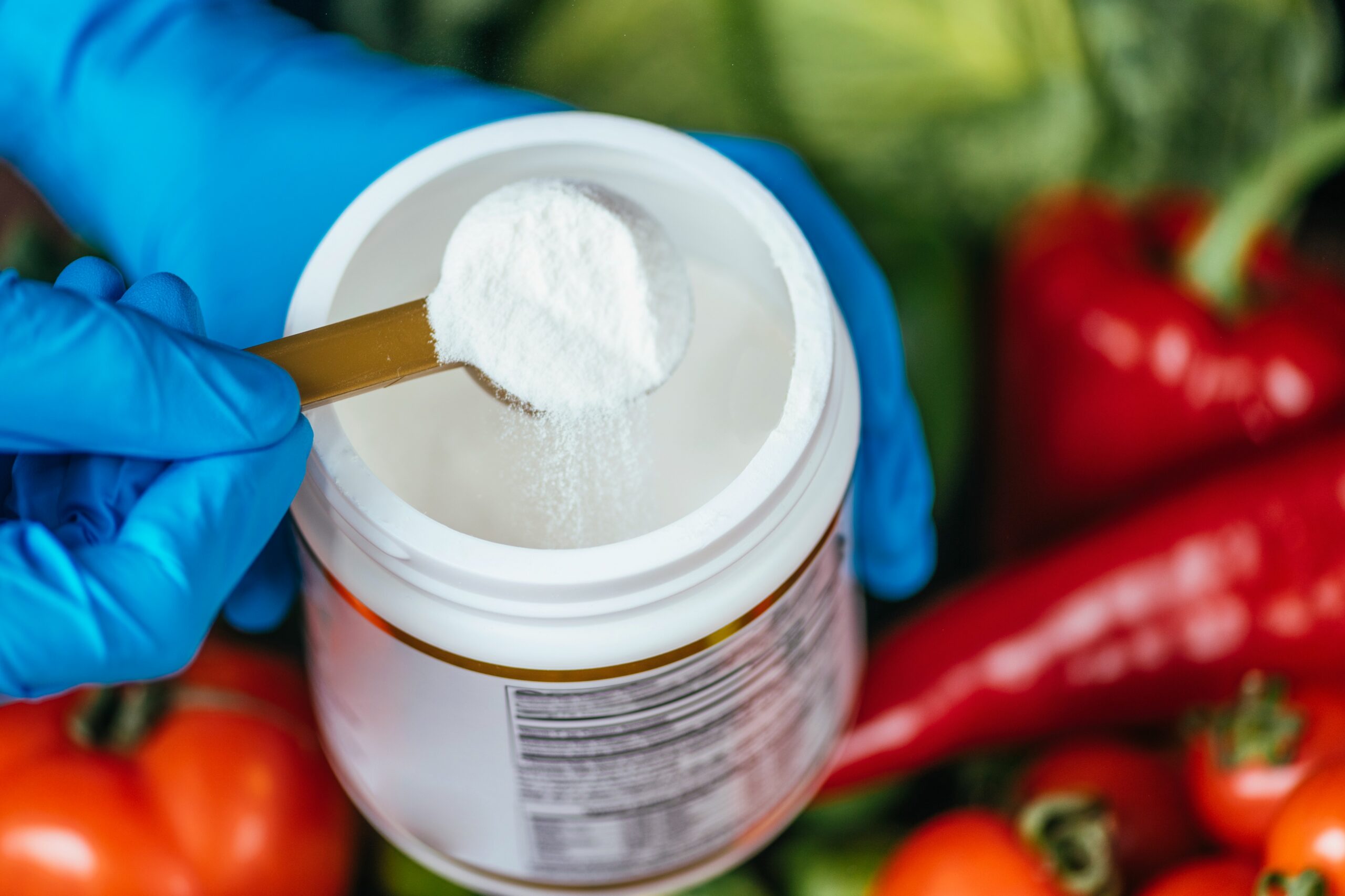
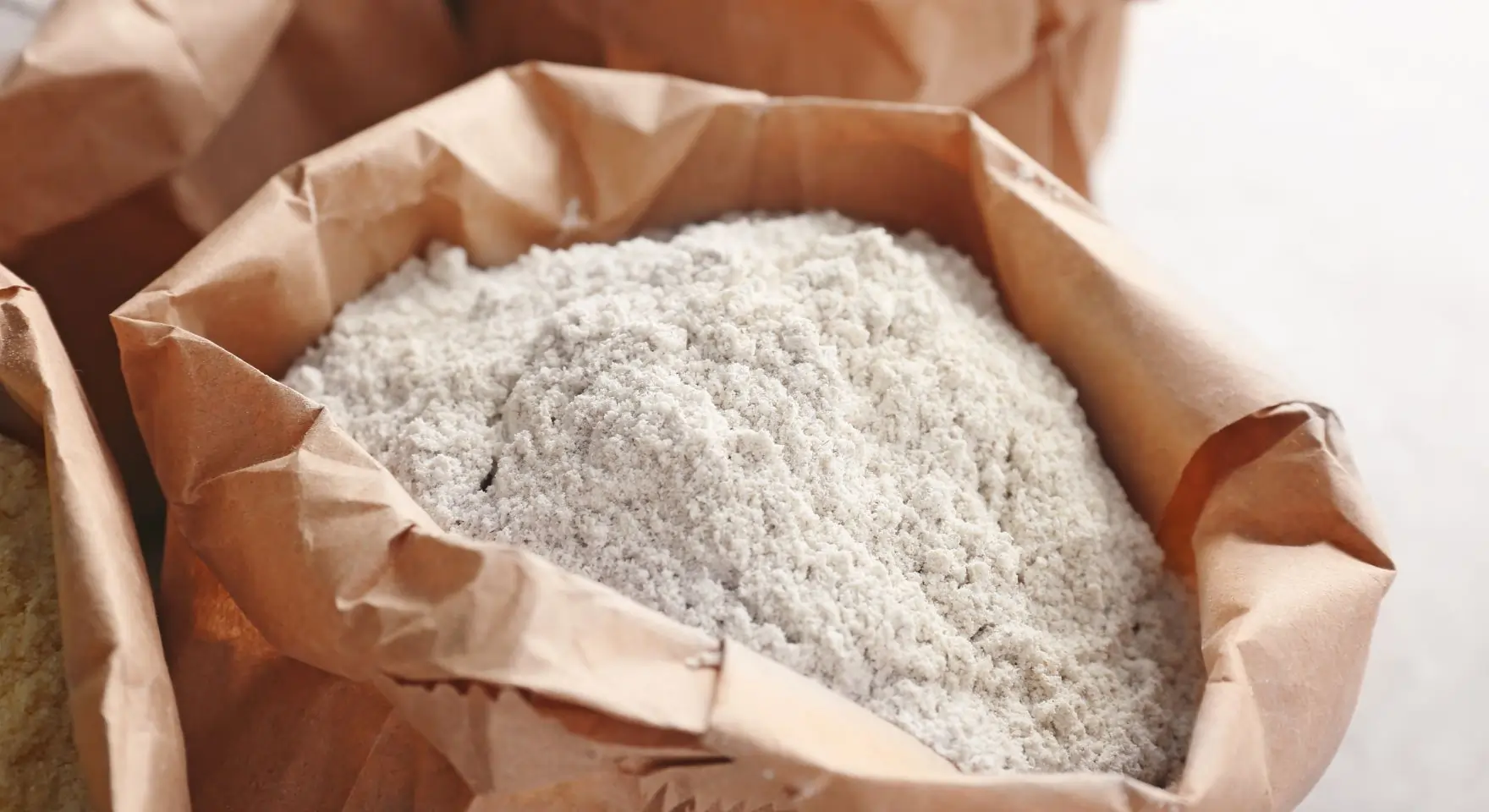
The result is a beige powder containing 85 to 90% protein by dry weight, making it one of the most protein-dense plant ingredients commercially available.
Also Read: How to Choose Reliable Vitamin and Supplement Suppliers
The Making of Pea Protein: Farm to Flour
How it’s made is important because it affects purity, digestibility, and the presence of undesirable anti-nutritional factors.
Yellow peas are dried, then milled, and then are wet fractionated – the most common method of producing isolate:
- Peas are milled to flour
- Water is added to the flour, and pH is adjusted to 9.5-10.5 to dissolve the protein
- Insolubles (starch, fiber) are removed by centrifugation or ultrafiltration
- The supernatant is acidified to isoelectric pH of 4.0-5.0 and the proteins precipitate
- The precipitates (curd) are separated, washed to remove soluble materials, dried, and powdered
This is distinct from pea protein concentrate, which has higher amounts of carbohydrate and fibre and contains 70 to 80% protein. Isolate is processed to include the precipitation step, hence the higher percentage protein.
A different method is fermentation-assisted extraction, in which bacterial starters (e.g. Lactiplantibacillus plantarum) do the pH lowering. Fermentation also breaks down phytic acid and trypsin inhibitors, increases protein solubility and eliminates the bitter off-taste of raw pea protein, all without mineral acids. This is a new process, but not the current industry standard.
What Pea Protein Is Made Of
Globulin, albumin, prolamin and glutelin are the four classes of proteins found in pea protein. The majority – 70 to 80% – is globulins, which are salt-soluble storage proteins and can further be classified into legumin (11S) and vicilin (7S). The rest is albumins (10-20%) – metabolic and enzymatic proteins.
Vicilin is a trimmer and lacks cysteine residues (and therefore disulfide bonds). This feature of its structure is one reason why pea protein behaves differently from whey in the body, as well as in foods: it doesn’t gel or set like whey, and it’s digested differently.
The Vegan Argument: Pea Protein’s Well-Earned Rise
And this is the second chapter of the title. Pea protein rose not because there was a boom in veganism. It rose because it fills in a gap left by other plant proteins.
The Hole Other Plant Proteins Couldn’t Fill
- Soy protein is well-studied and effective but a top eight allergen and contains phytoestrogens, which some athletes and consumers avoid
- Rice protein is free of allergens but is low in lysine, making it an incomplete amino acid profile, unless mixed with other protein products
- Hemp protein is a good source of protein, but lacks the amino acid leucine, which is the “stimulus” amino acid needed for muscle protein synthesis
- Wheat/gluten protein is obviously not a food source for the burgeoning number of people with gluten intolerance and/or celiac disease
Pea protein is not one of the eight biggest allergens: no wheat, no dairy, no egg, no soy, no peanut, no tree nut, no fish, no shellfish. Pea protein was the first (and only) protein that worked for formulators developing clean label, allergen-free products across the major diet-related categories.
The Green Argument Is Valid, Not a Myth
The water consumption per gram of protein is six times higher for beef than for peas. It is 1.5 times larger for eggs and chicken. Peas also fix nitrogen, requiring less fertiliser than other plants. A recent study compared the amount of plant protein required to feed an animal to produce a kilogram of animal protein, finding that six kilograms of plant protein were required for each kilogram of animal protein produced, making peas one of the lowest energy-to-protein sources of dietary protein.
These are not environmental metrics. There is a living set of concerns from food manufacturers seeking alternative ingredients with better carbon footprints, and pea protein is demonstrably better than dairy and soy in this regard.
It Is a Complete Protein
This is important because it eliminates the major criticism of plant protein for use in sports. Pea protein includes all nine essential amino acids that cannot be made by the body: leucine, isoleucine, valine, lysine, methionine, threonine, phenylalanine, tryptophan and histidine.
Pea protein isolate has a protein digestibility corrected amino acid score (PDCAAS) of 0.81 to 0.93, according to published papers, compared to cereal proteins and closer to soy protein. The PDCAAS for whey is 1 – the top score – which means there’s a gap but not as big as some early plant protein naysayers feared.
Two notes on completeness:
- Pea protein is deficient in the sulfur amino acids (methionine and cysteine). This is a significant disadvantage of most legumes. For someone using pea protein as part of a diversified diet, this is offset by the inclusion of eggs, fish, meat, dairy or even brown rice. If pea protein is the only protein source and you’re on a vegan diet, you need to pay attention to the amount of methionine in your diet.
- On the other hand, pea protein is very rich in another essential amino acid, lysine, that is typically insufficient in cereal grains. This is one of the reasons pea-rice protein became the main ingredient in protein powders – the two proteins complement each other and result in an amino acid profile close to that of a whole animal protein.
Is Pea Protein Isolate Good for You? What the Science Says
This is where the third chapter of the title comes into play. The exercise industry does not accept ingredients because of claims. It adopts them based on results. There is sufficient research on pea protein in the sports world to allow us to draw some specific conclusions.
Muscle Building: Similar to Whey (When Taken At Right Dose)
The original study of pea protein vs whey protein for muscle building was done in 2019 in PMC (Banaszek et al.). The study had 15 high-intensity functional training participants on either whey or pea protein for eight weeks. The supplements had similar levels of leucine (2.2g per dose for whey, 2.1g for pea). This led to no differences in muscle thickness, strength, body composition, force production or exercise performance between the two supplements.
The leucine matching is the key methodological detail. Leucine is the most important amino acid stimulus for muscle protein synthesis. When leucine content is normalised, most of the differences between protein sources disappear. Pea protein isolate has a leucine content of around 8% (by amino acid content) vs. 10-12% in whey. To receive the same quantity of leucine, a larger amount of pea protein is required, but muscle growth can be the same.
Another 12-week study (Babault et al) found no difference between pea and whey proteins in maximum strength (1-rep-max) or muscle torque (ability to flex the arm) when the elbow is flexed.
Another crossover study in elite soccer players (Frontiers in Nutrition, 2023) found that pea protein and whey protein equally attenuated indicators of muscle damage following a soccer game. Both supplements led to lower creatine kinase levels and C-reactive protein levels than placebo.
Where Whey Still Has an Edge
Oh, the science is straight here as well. A recent PMC study in older adults (60+) found whey protein was far more effective than pea protein in reducing exercise-induced muscle damage (measured by creatine kinase) at 24 hours. The group taking pea protein was not significantly different from the placebo.
The mechanism is thought to be leucine. The researchers used a protein supplement containing whey that contained 1,150mg leucine per serving, compared to 900mg for the pea protein supplement. That 250mg extra leucine seems to make a difference in older adults with a less efficient muscle protein synthesis (MPS) response than their younger counterparts.
The take-home message for athletes: forget pea, forget whey – for most strength and muscle-building purposes they are equivalent in healthy young adults as long as total protein and leucine are adequate. For older people who are recovering from exercise, the greater leucine content of whey may be beneficial. This is not a knock on pea protein, it is simply a reflection of the truth of the state of the science.
Digestibility: Better than Whole Peas, Better Tolerability than Dairy
This is a major strength of pea protein. The fiber, starch, lectins and most of the trypsin inhibitors that may cause problems with whole peas are all gone. What’s left is easily digested.
Pea protein isolate’s digestibility has been demonstrated at 89-94%. Whey protein digestibility ranges between 90-99%. It’s not as much of a difference as you might think.
Pea protein is better tolerated in practice, however, for people with lactose intolerance, whey sensitivity or IBS, not because its digestibility percentage is necessarily greater, but because it removes dairy-based components that cause issues in these populations.
One thing to keep in mind: the salt content of pea protein products is very variable and ranges from 110-390mg of salt added per serving, depending on brand and manufacturing process. Sodium-sensitive individuals should be aware.
More than Muscles: Other Realized Health Benefits
We have research beyond sport.
Pea protein is high in arginine. Arginine is a precursor to nitric oxide, which promotes blood vessel dilation and improved circulation. There is evidence linking the consumption of pea protein to a slight reduction in blood pressure.
The other nutrition claim relates to satiety. Pea protein creates a prolonged satiety response as would be expected for a protein that is digested more slowly than whey. Pea protein demonstrated a higher satiety response than whey protein in some older studies that used equal protein doses; an important consideration for weight loss when protein is being used as an appetite suppressant.
Pea protein has much higher iron levels than whey protein, which is important for vegetarians and vegans who tend to have lower dietary iron. But plant iron (non-heme iron) is less well absorbed than iron (heme iron) from animal products. Taking pea protein with vitamin C will increase non-heme iron’s absorption rate by 67%.
Who Is Pea Protein Isolate For?
In answer to the second keyword in this article – is pea protein isolate good for you – it’s a matter of “who”.
Pea protein isolate is well-suited for:
- Those who are lactose intolerant or sensitive to dairy and looking for a protein powder that doesn’t cause GI issues
- Anyone on a plant-based diet who needs a complete amino acid profile that is not soy or gluten-based
- Sportspeople who know that their diet contains sufficient amounts of the amino acids methionine and cysteine from other sources
- Consumers with multiple food allergies looking for the most inclusive supplement
- Anyone seeking an environmentally assured protein supplement
Where pea protein falls short:
- Older adults with a specific interest in recovery from exercise, who want the most leucine per gram of protein consumed
- Someone who would have difficulty meeting total daily protein goals, where the extra amino acids per gram of protein provided by whey is useful
- Those who incorporate protein into applications where the gelling or foam properties of whey are required, as the globular structure and lack of disulfide bonds make pea protein a different kind of ingredient
The truth is: For most protein supplement users who are eating a balanced diet and engaging in resistance training, pea protein isolate achieves results that are no different to whey. The subpopulation for whom this is true is growing in evidence. The subpopulation for whom whey has a measurable advantage is there, but smaller than we were led to believe by some of the past marketing claims of protein supplement companies.
Why the Fitness Industry Is Interested
Let’s take the title at face value. The fitness industry is not given to fads. Supplements that are not effective are not around for long no matter how green or how expensive they are.
Pea protein isolate is not a bit player. It has become the fastest-growing protein category in sports nutrition because its performance profile brought it close enough to whey to make the other attributes – non-allergenic, non-dairy, better environmental profile, fits more diets – trump the trade-offs.
In early 2024 the Louis Dreyfus Company announced a new pea protein isolate plant in Canada, which signals the type of upstream supply chain development that can only occur with large, robust needs. Protein buyers looking for pea protein for nutraceutical and food use can find reputable sources via services like Elchemy offering grade and amino acid certificate documentation, and quality verification for food use as well as supplement use.
The story of plant-based proteins is still unfolding. Work goes on into subtle aspects of bioavailability; into the sources of protein for older adults; into whether fortification with the amino acid leucine can even the last difference between pea and whey. But pea protein isolate is now part of the dialogue about nutrition: not as a lesser protein for vegans, but as a fully functional protein that happens to be sourced from a field of peas.