

At a Glance:
- Naphthalene is an aromatic hydrocarbon with two fused benzene rings found in coal tar and petroleum
- Global production exceeds 2 million metric tons annually for industrial applications
- Primary uses include phthalic anhydride production, dyes, and pharmaceutical intermediates
- Traditional mothballs contain 99% naphthalene but raise significant health concerns
- EPA classifies naphthalene as a possible human carcinogen requiring exposure controls
- Safer alternatives exist for pest control in residential settings
- Industrial handling requires proper ventilation, PPE, and compliance with OSHA standards
A homeowner opens a storage closet and recognizes that distinctive smell instantly—mothballs. The same odor her grandmother’s attic always had. She wonders whether these white crystals protecting her winter woolens might pose risks to her family, especially with a toddler in the house who explores everything.
That smell? Pure naphthalene.
Understanding what is naphthalene matters whether you’re handling industrial chemicals, questioning household pest control products, or working in manufacturing. This crystalline compound appears in everything from dye production to pharmaceutical synthesis, yet most people only know it from those pungent mothballs. The chemistry, applications, and safety considerations span far beyond closet protection—naphthalene represents a $2.4 billion global market with uses that touch multiple industries daily.
What Is Naphthalene? Chemical Structure and Properties
Naphthalene (C₁₀H₈) consists of two benzene rings fused together, forming the simplest polycyclic aromatic hydrocarbon (PAH). The molecule maintains perfect planarity with all ten carbon atoms and eight hydrogen atoms lying in the same geometric plane.
This structure creates exceptional stability through electron delocalization. Ten π-electrons spread across the conjugated system, satisfying Hückel’s aromatic rule with n=2 in the formula 4n+2. The resonance energy measures approximately 255 kJ/mol—significantly higher than benzene’s 150 kJ/mol.
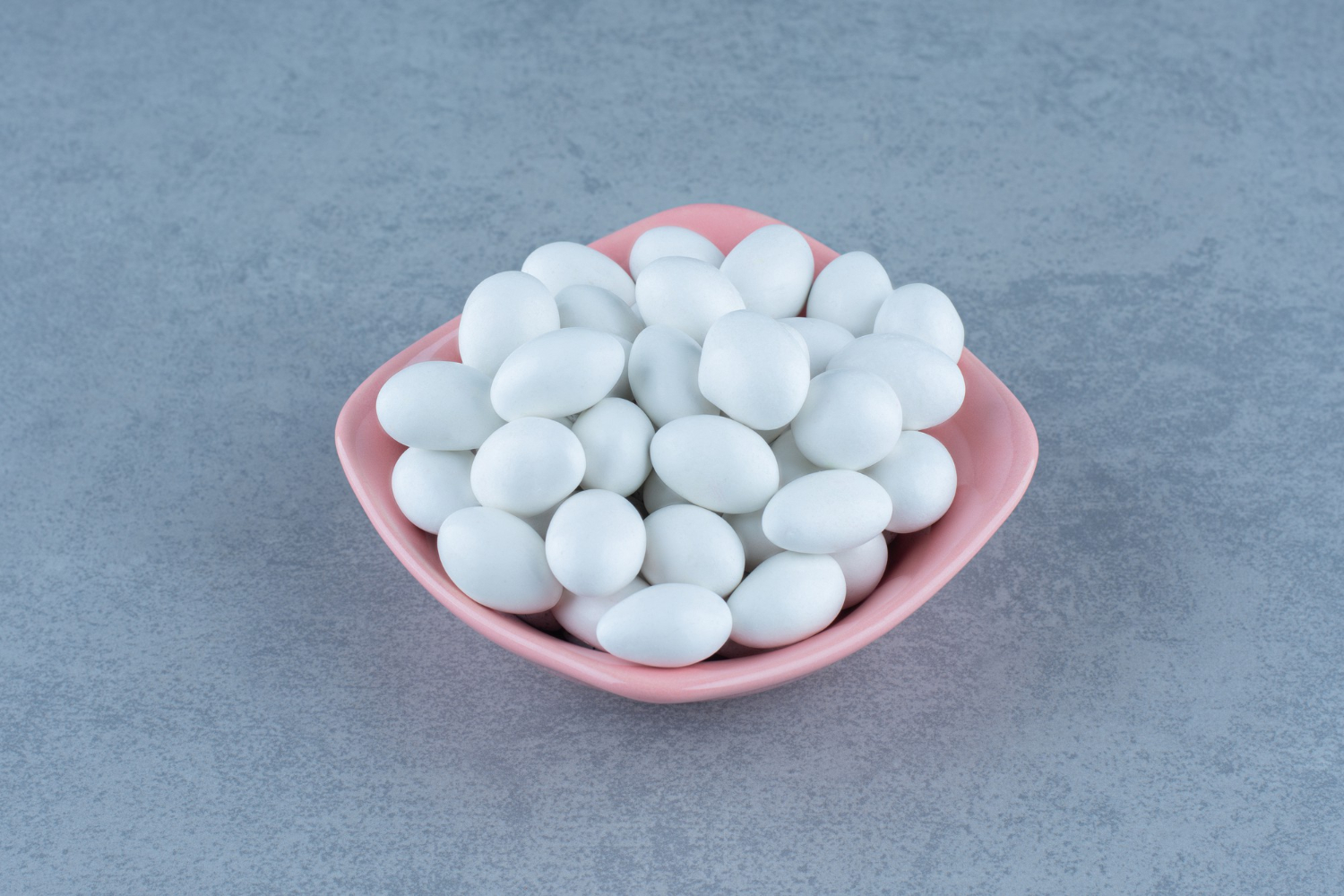
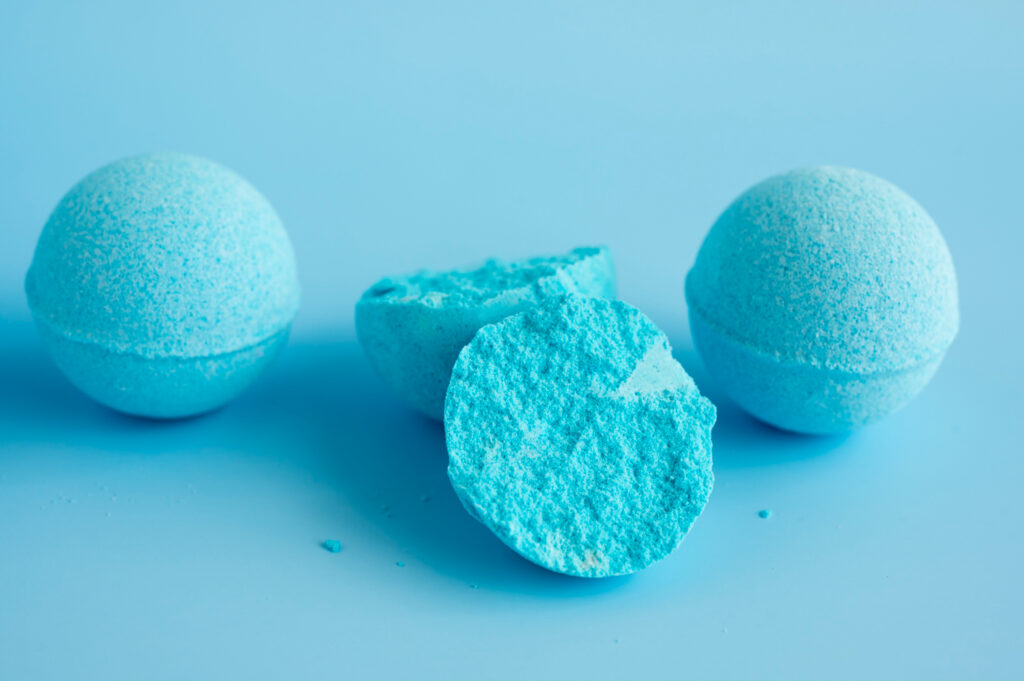
At room temperature, naphthalene appears as white crystalline flakes or spheres with that characteristic odor. The compound melts at 80.3°C and boils at 218°C. Here’s the thing: it sublimes readily at room temperature, transitioning directly from solid to vapor without becoming liquid first. This property explains why mothballs gradually disappear over time.
| Property | Value |
| Molecular formula | C₁₀H₈ |
| Molecular weight | 128.17 g/mol |
| Appearance | White crystalline solid |
| Melting point | 80.3°C (176.5°F) |
| Boiling point | 218°C (424°F) |
| Water solubility | 31 mg/L at 25°C (very low) |
| Density | 1.145 g/cm³ |
| Flash point | 79°C (174°F) |
Where Does Naphthalene Come From?
Coal tar distillation produces approximately 60% of global naphthalene supply. When coal undergoes destructive distillation at 1,000-1,200°C in the absence of oxygen, it yields coal tar containing 8-12% naphthalene by weight. Fractional distillation separates naphthalene from other aromatic compounds.
Petroleum refining contributes the remaining 40%. Heavy aromatic naphtha streams from catalytic reforming contain 2-4% naphthalene. Extractive distillation or crystallization isolates the compound. Some producers use hydrodealkylation to convert higher molecular weight aromatics into naphthalene.
Global production capacity exceeds 2 million metric tons annually. China dominates with roughly 50% of output, followed by India (15%), Europe (12%), and North America (10%). Market prices fluctuate between $800-1,200 per metric ton depending on purity grade and regional demand.
| Source | % of Supply | Typical Purity |
| Coal tar distillation | 60% | 96-98% |
| Petroleum processing | 40% | 99%+ |
| Market price range | $800-1,200/MT | Varies by grade |
Industrial Uses: Where Naphthalene Goes
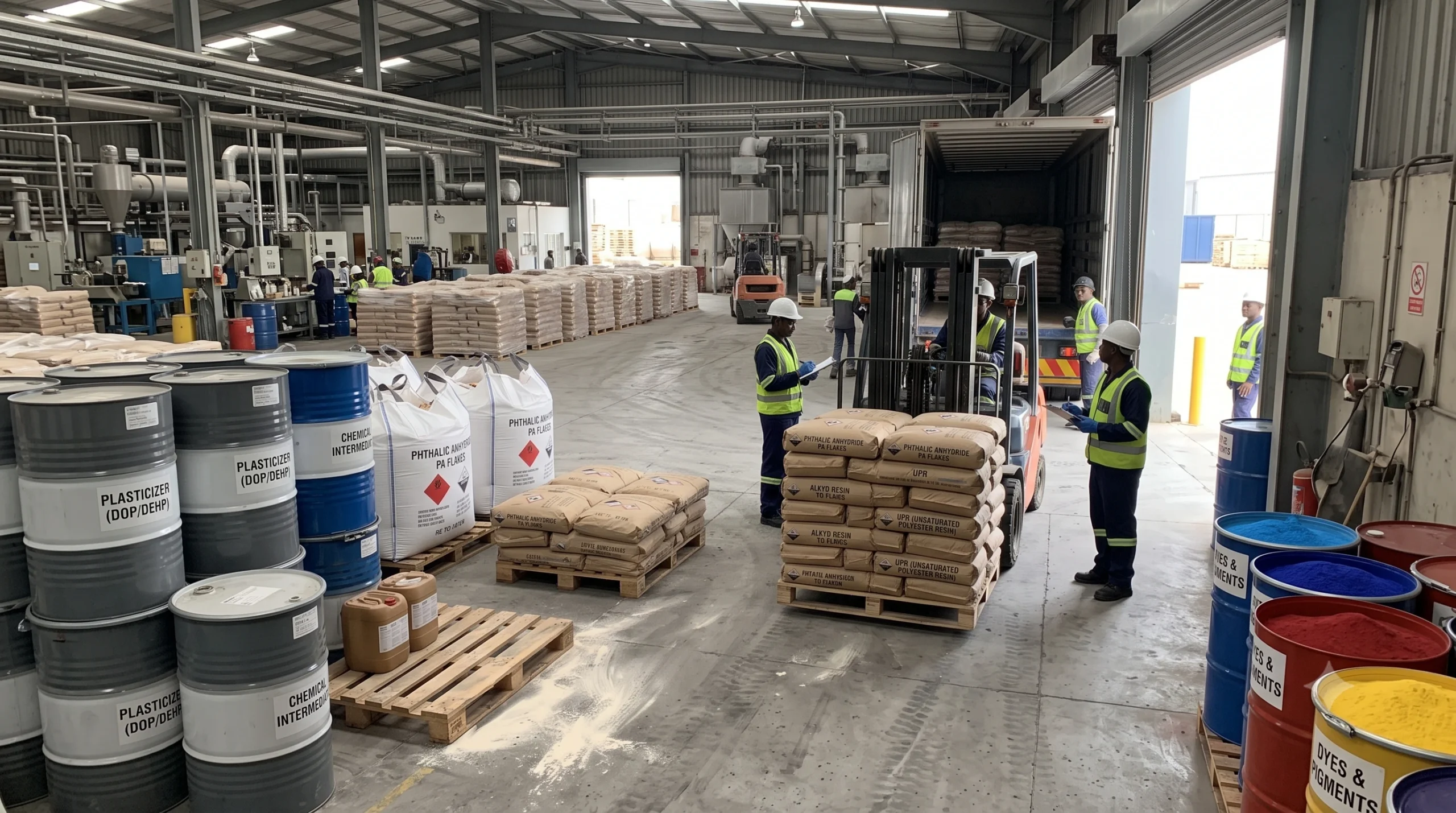
Phthalic anhydride production consumes approximately 60% of naphthalene supply. This conversion involves vapor-phase oxidation at 300-400°C over vanadium pentoxide catalysts. The resulting phthalic anhydride becomes raw material for plasticizers, polyester resins, and alkyd paints.
Dye intermediates represent another major application. Naphthalene sulfonation produces naphthalenesulfonic acids that undergo further reactions to create azo dyes, acid dyes, and direct dyes for textile coloration. Beta-naphthol and alpha-naphthylamine serve as key building blocks in synthetic dye chemistry.
Primary Industrial Applications:
- Phthalic anhydride synthesis (60% of consumption) for plasticizer production
- Sulfonation to naphthalene sulfonates for dye intermediates and surfactants
- Tanning agents for leather processing in the hide and skin industry
- Pharmaceutical intermediates including beta-blockers and antimalarial compounds
- Dispersant production for concrete admixtures improving workability
- Insect repellent formulations (mothballs, flakes) for textile protection
Turns out, construction chemicals consume growing quantities. Naphthalene-based superplasticizers increase concrete fluidity without adding water, enabling high-strength concrete for infrastructure projects. Global demand in this sector reached 300,000 metric tons in 2025.
| Application | % of Global Use |
| Phthalic anhydride production | 58-62% |
| Concrete admixtures | 15-18% |
| Dye intermediates | 8-12% |
| Mothballs & pest control | 4-6% |
| Other applications | 10-15% |
Are Naphthalene Balls Safe? Understanding the Risks
The question are naphthalene balls safe has a nuanced answer. Traditional mothballs contain 99% naphthalene and effectively repel moths, carpet beetles, and other fabric pests through vapor action. But here’s the catch: that same vapor poses health risks to humans and pets.
EPA classifies naphthalene as a possible human carcinogen based on animal studies showing nasal tumors and respiratory damage from chronic inhalation exposure. Short-term exposure causes headaches, nausea, dizziness, and respiratory irritation at concentrations above 10 ppm.
Children face particular vulnerability. Naphthalene can cause hemolytic anemia in individuals with glucose-6-phosphate dehydrogenase (G6PD) deficiency—a genetic condition affecting 400 million people worldwide, predominantly of African, Mediterranean, or Asian descent. Even small exposures trigger red blood cell destruction in these individuals.
Health Risks from Naphthalene Exposure:
- Acute effects: headaches, nausea, confusion, respiratory irritation at 10+ ppm
- Hemolytic anemia: particularly dangerous for individuals with G6PD deficiency
- Eye irritation: direct vapor contact causes tearing and inflammation
- Potential carcinogenicity: EPA classification based on animal study data
- Liver and kidney damage: observed with chronic high-level exposure
OSHA limits workplace exposure to 10 ppm over 8 hours. Residential exposure guidelines recommend keeping mothballs in sealed containers within well-ventilated areas, never in living spaces. Many toxicologists now advise against naphthalene mothballs in homes with children or pets.
| Product Type | Active Ingredient | Safety Rating |
| Traditional mothballs | 99% naphthalene | Higher risk |
| Para-dichlorobenzene balls | Paradichlorobenzene | Moderate risk |
| Cedar products | Natural cedar oil | Lower risk |
| Lavender sachets | Essential oils | Lowest risk |
Proper Handling and Storage Guidelines
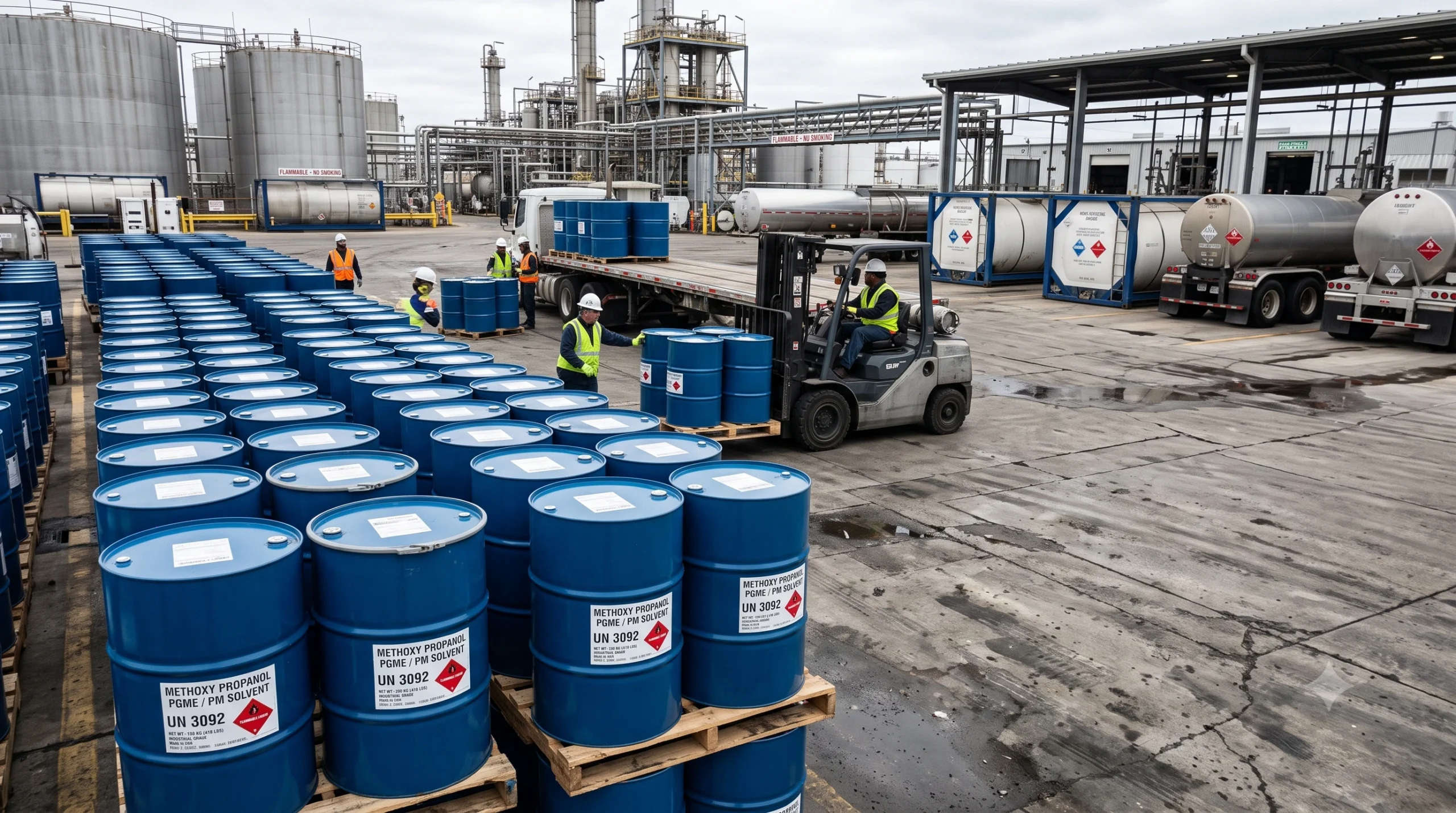
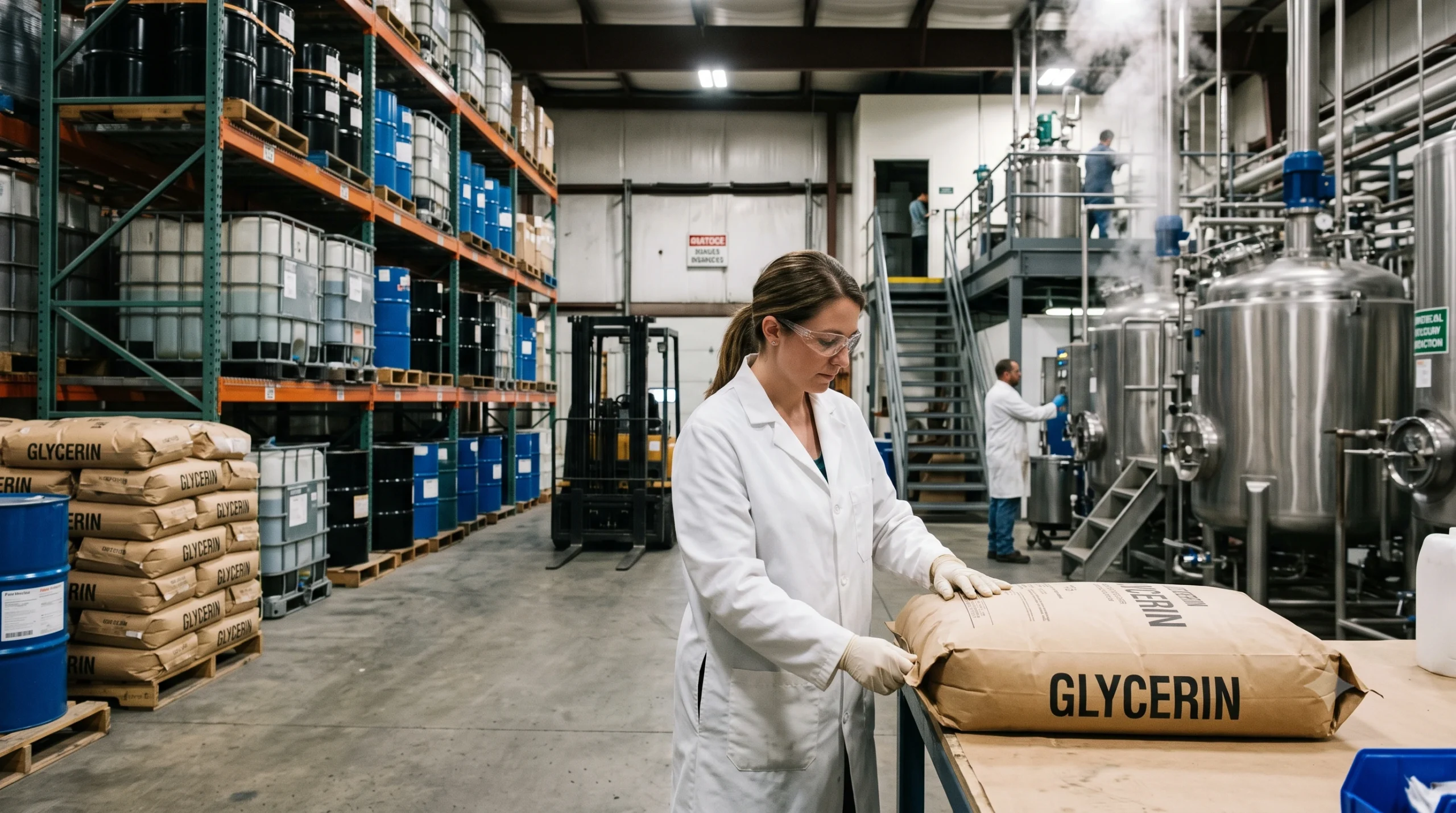
Industrial facilities handling naphthalene must implement comprehensive safety protocols. OSHA requires exposure monitoring, engineering controls including local exhaust ventilation, and personal protective equipment for workers.
Storage areas need flame-resistant construction since naphthalene’s flash point of 79°C poses fire risks. Containers should be tightly sealed, stored away from oxidizing agents, and kept in cool, well-ventilated spaces below 25°C to minimize sublimation.
Safety Measures for Industrial Handling:
- Engineering controls: local exhaust ventilation capturing vapors at source points
- PPE requirements: chemical-resistant gloves, safety glasses, and respirators when needed
- Air monitoring: continuous measurement maintaining exposure below 10 ppm OSHA limit
- Spill response: absorbent materials, proper disposal as hazardous waste per EPA
- Worker training: annual updates on hazards, handling procedures, and emergency protocols
For residential mothball use, EPA recommends placing products only in tightly sealed containers or garment bags, never loose in closets or drawers. Always follow label directions specifying proper application rates—using excessive quantities increases exposure risks without improving efficacy.
Understanding what is naphthalene reveals a compound with significant industrial value balanced against legitimate safety concerns. While essential for phthalic anhydride production, dye synthesis, and concrete admixtures, naphthalene requires careful handling whether in manufacturing facilities or home storage spaces. The compound’s sublimation behavior and health effects demand respect—particularly regarding mothball use around children and individuals with G6PD deficiency. Safer alternatives exist for pest control, and industrial applications continue adapting to stricter regulations while maintaining the chemical’s economic importance in global manufacturing.
Conclusion
For businesses requiring quality naphthalene and derivatives, Elchemy connects you with reliable suppliers offering technical-grade naphthalene (96-99.5% purity), refined naphthalene (99%+), and naphthalene-based intermediates in bulk quantities, along with complete certificates of analysis, Material Safety Data Sheets, and regulatory compliance documentation to help meet EPA, OSHA, and REACH requirements for your specific industrial applications in chemical manufacturing, construction materials, and specialty chemical synthesis.