

At a Glance
- Phenol causes acute toxicity through respiratory, cardiovascular, and neurological effects at high exposures
- Chronic workplace exposure may lead to organ damage affecting the heart, kidneys, liver, and lungs
- Dermal contact with concentrated phenol produces painless burns that can result in systemic poisoning
- The EPA reference dose is 0.6 mg/kg body weight per day for lifetime oral exposure
- OSHA workplace limits are set at 5 ppm averaged over an 8-hour workday
- Nonylphenol, a related compound, functions as an endocrine disruptor with estrogenic activity
- Both compounds accumulate in environmental compartments, particularly sediments and sewage sludge
- Fatal human doses may occur at levels as low as 1 to 15 grams of phenol
Phenol, a white crystalline compound derived primarily from petroleum, plays a crucial role in modern manufacturing. Produced at approximately 7 million tonnes annually worldwide, this aromatic organic compound serves as the foundation for plastics, resins, pharmaceuticals, and countless industrial applications. However, understanding phenol health effects has become increasingly important as exposure occurs not only in industrial settings but also through consumer products, environmental contamination, and household items.
The chemical’s widespread presence creates multiple exposure pathways. Workers in plastics manufacturing, resin production, and chemical plants face occupational risks, while the general population encounters phenol through disinfectants, throat lozenges, and even cigarette smoke. These diverse exposure routes make awareness of phenol’s biological impacts essential for both industrial safety and public health.
This comprehensive examination explores how phenol affects human health, the mechanisms behind its toxicity, and the emerging concerns surrounding related compounds like nonylphenol. Understanding these risks enables better workplace safety protocols, informed consumer choices, and effective regulatory frameworks.
Phenol Health Effects on Human Systems

Phenol’s toxicity stems from its ability to rapidly penetrate biological membranes and distribute throughout the body within minutes. Once absorbed, whether through inhalation, skin contact, or ingestion, phenol disrupts cellular function by denaturing proteins and causing coagulation necrosis. This mechanism explains why phenol health effects can appear suddenly and affect multiple organ systems simultaneously.
The compound’s local irritant properties are compounded by its systemic toxicity. At the cellular level, phenol interferes with enzyme function and disrupts normal metabolic processes. The liver metabolizes phenol through pathways similar to acetaminophen, involving glucuronidation, sulfonation, and oxidation. These metabolites are then excreted by the kidneys, but during this process, both organs face potential damage from the chemical burden.
Acute vs. Chronic Phenol Exposure
The distinction between acute and chronic exposure produces markedly different health outcomes. Acute poisoning typically occurs following accidental ingestion, significant skin contact, or high-concentration vapor inhalation. Chronic exposure, more common in occupational settings, results from repeated low-level contact over extended periods.
| Exposure Type | Primary Effects | Onset Time | Affected Systems |
| Acute | Respiratory arrest, seizures, coma, cardiovascular collapse | Minutes to hours | Central nervous system, respiratory, cardiovascular |
| Chronic | Organ damage, skin lesions, gastrointestinal disease | Weeks to years | Liver, kidneys, skin, digestive system |
Respiratory System Impact
Respiratory effects represent one of the most dangerous consequences of phenol exposure. Inhalation of phenol vapors irritates the mucous membranes of the respiratory tract, causing an initial increase in breathing rate followed by progressive respiratory depression. In severe cases, this pattern leads to respiratory failure, the most common cause of death in acute phenol poisoning.
Animal studies establish that phenol vapor at 166 ppm produces a 50% decrease in breathing rate during brief exposure. Based on this data, concentrations as low as 17 ppm may cause respiratory irritation in humans, while 2 ppm represents a level below which no adverse respiratory effects would be expected. Workers in phenol-formaldehyde resin plants and similar facilities face these risks daily, making proper ventilation systems and respiratory protection critical.
Cardiovascular Effects
The cardiovascular system shows particular vulnerability to phenol exposure. Acute poisoning can trigger bradycardia, ventricular tachycardia, and various dysrhythmias within the first hour following significant exposure. These cardiac effects may occur alongside other symptoms or present as the primary manifestation of toxicity.
Long-term occupational exposure has produced conflicting research findings regarding cardiovascular risk. Some cohort studies of resin plant workers reported reduced mortality from heart disease, while others found increased risk. Animal research provides clearer evidence, with guinea pigs exposed to 26-52 ppm for 41 days developing myocardial inflammation, degeneration, necrosis, and interstitial fibrosis. The severity of cardiac injury appears species-dependent, with rabbits showing milder effects and rats displaying no significant alterations under similar conditions.
Neurological Consequences
Central nervous system effects range from mild symptoms to life-threatening complications. Initial exposure may cause muscle weakness, tremors, and loss of coordination. As toxicity progresses, individuals may experience convulsions, coma, and eventually respiratory arrest at lethal doses.
An unusual neurological manifestation called “rabbit syndrome” has been documented following recovery from severe phenol poisoning. This condition involves rhythmic perioral movements that persist after other acute symptoms resolve. The phenomenon highlights phenol’s capacity to produce lasting neurological changes even after the chemical has been metabolized and excreted.
Skin and Dermal Reactions
Dermal exposure produces a distinctive clinical picture. Phenol’s anesthetic properties create a unique hazard: initial contact may be painless, allowing extensive tissue damage before the victim becomes aware. The affected skin typically develops a white, brown, or red discoloration. Application of concentrated phenol causes inflammation, erythema, blanching, and potentially severe burns with coagulation necrosis.
The painless nature of initial contact proves particularly dangerous because approximately 50% of cases where dermal exposure was sufficient to cause systemic toxicity resulted in fatalities. Rapid absorption through the skin can produce cardiovascular shock, cardiac arrhythmias, metabolic acidosis, acute renal failure, and methemoglobinemia. Solutions as dilute as 1% have occasionally caused necrosis, demonstrating that even seemingly low concentrations pose risks.
Industrial Sources and Exposure Routes
Understanding where and how phenol exposure occurs helps implement effective protective measures. The chemical industry produces phenol primarily through the cumene process, where benzene and propylene react to form cumene, which is then oxidized to yield both phenol and acetone. This production method supports an industry valued at approximately $16.5 billion in 2019, projected to grow at 4.6% annually through 2027.
Manufacturing Environments

Workers face the highest exposure risks in facilities producing phenolic resins, bisphenol A, caprolactam for nylon manufacturing, and various plastics. Personal air monitoring in phenol resin plants has documented concentrations ranging from 0.6 to 5.8 mg/m³, with corresponding urinary phenol levels between 28.5 and 91.3 mg/L. Finnish plywood plants showed air concentrations from below detection limits to 1.9 mg/m³.
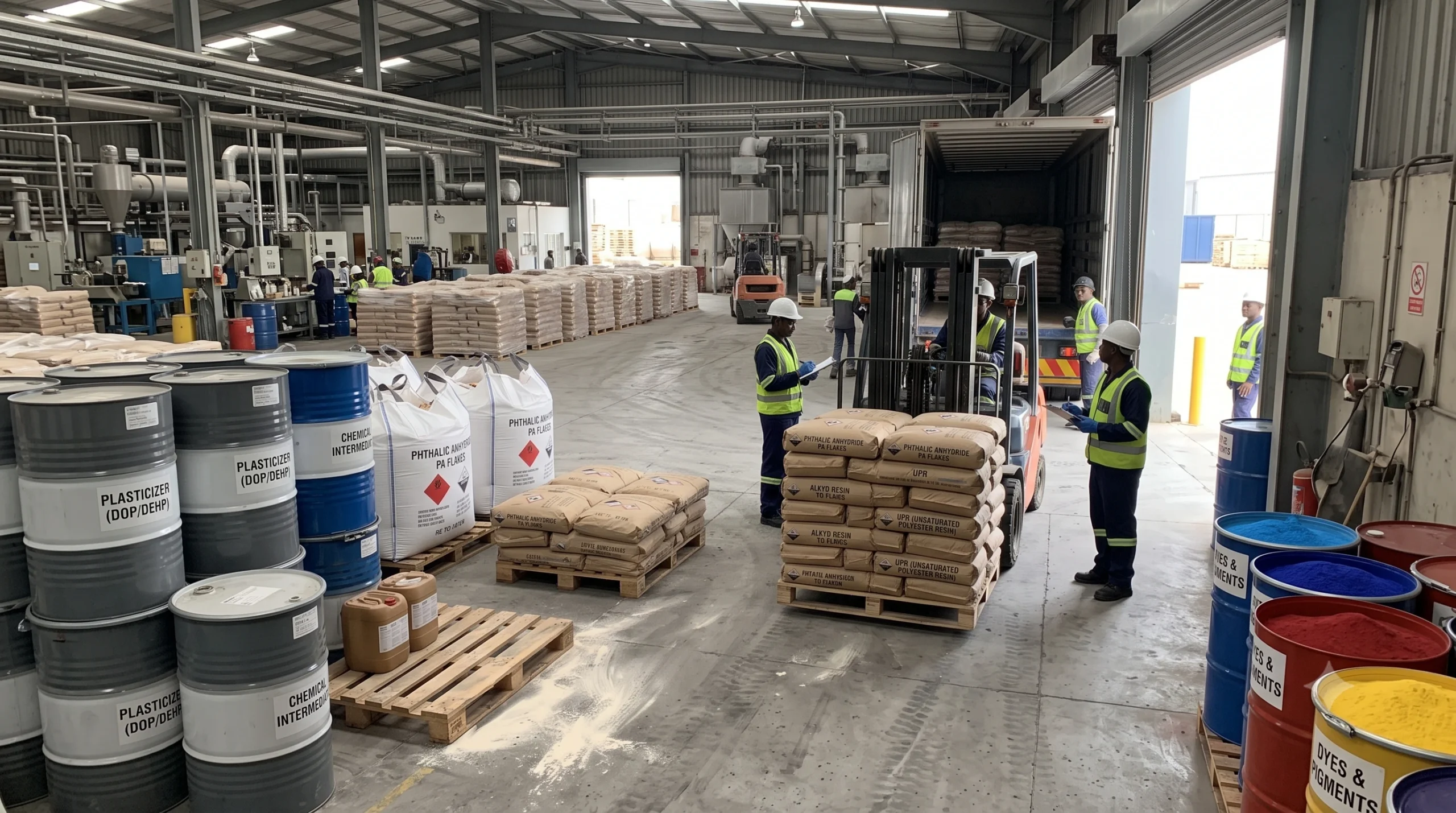
The plastics industry represents the largest consumer of phenol, with approximately two-thirds of global production dedicated to manufacturing reagents for plastic products. Workers in these facilities handle phenol during the production of polycarbonates, epoxy resins, phenol-formaldehyde resins, and bisphenol A. Each application presents distinct exposure scenarios based on temperature, ventilation, and handling procedures.
Consumer Product Exposure
Beyond industrial settings, phenol appears in numerous consumer products at concentrations generally considered safe for typical use patterns. Household disinfectants, mouthwashes, throat lozenges, and topical pain treatments all contain phenol in low concentrations. Historical medical uses included phenol as a surgical antiseptic, reducing surgical amputation mortality from 45% to 15% in Joseph Lister’s ward during the 1860s.
| Source Category | Examples | Typical Concentrations | Exposure Route |
| Household Products | Disinfectants, cleaners | Low (<1%) | Inhalation, dermal |
| Medical Products | Throat lozenges, antiseptics | 1-5% | Oral, topical |
| Environmental | Cigarette smoke, auto exhaust | 0.233-0.436 mg/cigarette | Inhalation |
| Occupational | Resin plants, chemical manufacturing | 0.6-5.8 mg/m³ (air) | Inhalation, dermal |
Cigarette smoke represents a significant environmental source, containing 312-436 micrograms of phenol per cigarette. Urban air in industrialized areas shows phenol concentrations between 2-4 micrograms per cubic meter, while automobile exhaust contributes 0.9-1.2 mg/m³. These widespread sources create baseline exposure levels for the general population.
Safe Exposure Limits and Regulations
Regulatory agencies worldwide have established exposure limits based on toxicological studies and risk assessments. These standards aim to protect both workers and the general public from harmful phenol health effects while allowing its continued industrial use.
| Agency | Limit Type | Value | Basis |
| OSHA (USA) | Workplace Air (8-hour TWA) | 5 ppm | Enforceable legal limit |
| EPA (USA) | Reference Dose (Oral) | 0.6 mg/kg/day | Lifetime exposure without adverse effects |
| EPA (USA) | Drinking Water Lifetime | 2 mg/L | Based on reduced fetal body weights in rats |
| FDA (USA) | Bottled Water | 0.001 mg/L | Maximum concentration |
| NIOSH (USA) | Recommended Exposure Limit | Advisory values | Non-enforceable guidance |
Protection and Mitigation Strategies
Effective protection requires a multi-layered approach addressing engineering controls, personal protective equipment, and administrative measures. Industrial facilities should implement comprehensive exposure monitoring programs that include both air sampling and biological monitoring through urinary phenol measurements.
Engineering controls form the first line of defense. Closed-system processes, local exhaust ventilation, and proper containment reduce airborne concentrations. For operations requiring direct handling, appropriate personal protective equipment includes chemical-resistant gloves, full-face respirators with organic vapor cartridges, and protective clothing made from materials like Viton, polyvinyl chloride, or equivalent materials that resist phenol penetration.
Emergency response protocols must address phenol’s rapid absorption and systemic toxicity. Decontamination procedures should begin immediately upon exposure. For skin contact, the affected area should be flushed with large volumes of water for at least 30 minutes, though some sources recommend polyethylene glycol as more effective for removing phenol from skin. Eye exposure requires immediate irrigation for 30 minutes followed by medical evaluation.
Conclusion
The examination of phenol health effects reveals a complex picture of industrial necessity balanced against health risks. While phenol remains essential for plastics manufacturing, pharmaceuticals, and countless applications, its capacity to cause severe acute toxicity and chronic organ damage demands respect and careful handling. The distinction between phenol’s direct toxic effects and nonylphenol’s endocrine-disrupting properties illustrates how chemical structure modifications can fundamentally alter health risks.
Workplace exposures remain the primary concern for acute toxicity, while environmental persistence of nonylphenol creates long-term ecosystem and human health challenges. Regulatory frameworks continue evolving as research reveals new mechanisms of toxicity, particularly regarding endocrine disruption at low doses. The trend toward restricting nonylphenol ethoxylates while maintaining controlled phenol use reflects a nuanced approach to chemical risk management.
For manufacturers requiring phenol, bisphenol A, or related chemical intermediates, Elchemy’s technology-driven platform connects industrial buyers with verified suppliers across global markets. Founded by IIT/IIM engineers, Elchemy provides transparent sourcing with complete quality documentation and supply chain efficiency, enabling manufacturers to secure essential chemicals while maintaining compliance with evolving safety and environmental standards.