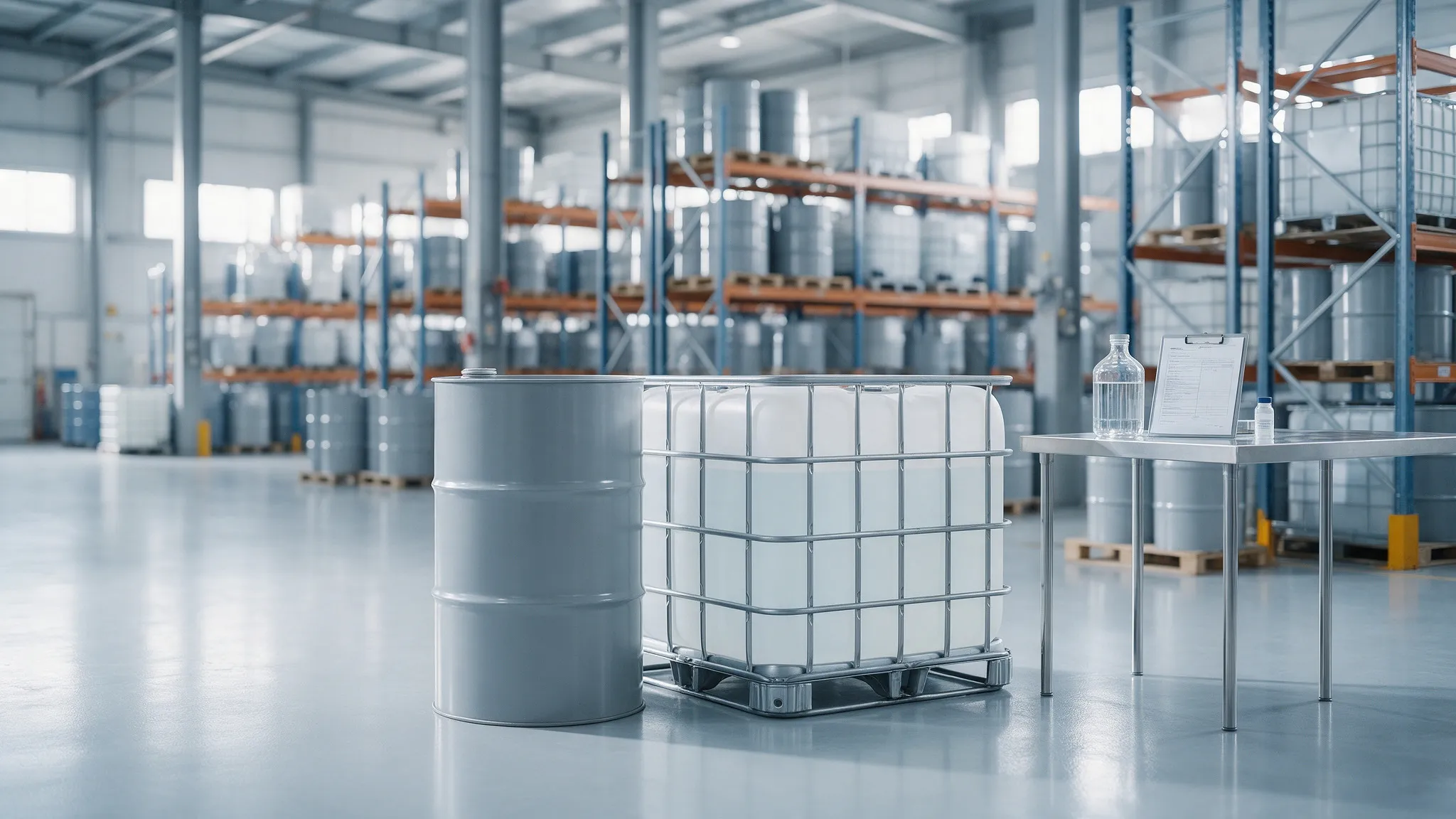


Safety is not optional in the specialty chemicals industryit is a critical requirement that directly impacts product quality, regulatory compliance, operational efficiency, and human health.
Whether you are in pharmaceuticals, manufacturing, food processing, or automotive, working with unsafe or non-compliant chemical suppliers can lead to:
- Serious workplace hazards
- Regulatory penalties
- Product recalls
- Environmental damage
- Long-term reputational loss
According to global industry data, chemical-related incidents are often linked to improper handling, poor documentation, or non-compliant suppliers.
This makes it essential for businesses to partner with suppliers who follow strict safety measures and industry standards.
In this guide, we’ll explore the key safety measures you should expect from a reliable specialty chemicals supplier, along with how to evaluate and ensure compliance.
At a Glance
- Safety is critical for compliance, operations, and risk management
- Reliable suppliers follow strict handling, storage, and documentation protocols
- Key measures include SDS, labeling, certifications, and safe logistics
- Proper safety practices reduce risks and improve efficiency
- Platforms like Elchemy ensure access to verified and compliant suppliers
Why Safety Matters in Specialty Chemical Sourcing
Specialty chemicals often involve:
- Hazardous materials
- Reactive substances
- Strict regulatory requirements
Without proper safety measures, businesses face:
- Workplace accidents
- Legal and compliance issues
- Supply chain disruptions
A reliable supplier ensures:
- Safe handling and transportation
- Compliance with global regulations
- Accurate documentation
Key Safety Measures to Expect from a Specialty Chemicals Supplier

1. Proper Safety Documentation (SDS, COA, TDS)
Documentation is the foundation of chemical safety.
A reliable supplier should provide:
- Safety Data Sheets (SDS)
- Certificate of Analysis (COA)
- Technical Data Sheets (TDS)
👉 These documents ensure safe handling, usage, and compliance.
2. Compliance with Regulatory Standards
Suppliers must comply with industry regulations such as:
- REACH
- ISO standards
- GHS (Globally Harmonized System)
- Local environmental and safety laws
👉 Compliance ensures legal and operational safety.
3. Proper Labeling and Packaging
Incorrect labeling can lead to serious risks.
Suppliers should follow:
- Hazard labeling standards
- Clear product identification
- Tamper-proof and safe packaging
4. Safe Storage Practices
Specialty chemicals require controlled storage conditions.
Expect suppliers to ensure:
- Temperature-controlled storage
- Segregation of incompatible chemicals
- Spill prevention systems
5. Secure Transportation and Logistics
Transportation is a critical risk area.
Reliable suppliers ensure:
- Compliance with hazardous material transport regulations
- Proper packaging and containment
- Trained logistics partners
6. Quality Control and Batch Consistency
Safety is closely linked to quality.
Suppliers should maintain:
- Strict quality control processes
- Batch traceability
- Consistent product specifications
7. Emergency Response and Risk Management
Suppliers must be prepared for emergencies.
Look for:
- Spill response procedures
- Incident management protocols
- Safety training programs
8. Employee Training and Safety Culture
A strong safety culture is essential.
Reliable suppliers invest in:
- Employee safety training
- Regular audits
- Continuous improvement
Safety Checklist for Evaluating Suppliers
| Safety Area | What to Check | Why It Matters |
| Documentation | SDS, COA, TDS | Safe handling & compliance |
| Certifications | ISO, REACH, GHS | Regulatory adherence |
| Packaging | Proper labeling | Risk reduction |
| Storage | Controlled environment | Prevent hazards |
| Logistics | Safe transport | Avoid accidents |
| Quality Control | Batch consistency | Product safety |
| Emergency Plans | Response systems | Risk management |
Common Safety Red Flags to Avoid
Avoid suppliers who:
- Do not provide proper documentation
- Lack certifications or compliance
- Have unclear labeling or packaging
- Offer inconsistent product quality
- Cannot explain safety procedures
👉 These red flags can lead to serious operational and legal risks.
Best Practices for Ensuring Chemical Safety
To maintain safety across your supply chain:
- Always verify supplier documentation
- Conduct audits and quality checks
- Train internal teams on chemical handling
- Maintain proper storage and inventory systems
- Work with trusted and verified suppliers
How Elchemy Ensures Safe and Reliable Chemical Sourcing
Ensuring supplier safety manually can be complex and time-consuming.
Elchemy simplifies this process by connecting you with verified, compliant, and reliable specialty chemical suppliers.
With Elchemy, you get:
- Access to trusted global suppliers
- Verified documentation and compliance standards
- Transparent sourcing and communication
- End-to-end support including logistics and safety
Elchemy helps businesses:
- Reduce safety risks
- Ensure regulatory compliance
- Build a reliable supply chain
👉 Looking for safe and compliant chemical suppliers? Partner with Elchemy today.
FAQs
Q1. What safety measures should a chemical supplier follow?
They should provide SDS, ensure proper labeling, follow compliance standards, and maintain safe storage and transportation practices.
Q2. Why is safety important in chemical sourcing?
It prevents accidents, ensures compliance, and protects people, products, and the environment.
Q3. What documents are required for chemical safety?
SDS, COA, and TDS are essential documents.
Q4. How can I verify if a supplier is safe?
Check certifications, documentation, quality processes, and safety protocols.
Q5. How does Elchemy ensure supplier safety?
Elchemy connects businesses with verified suppliers and ensures compliance and transparency in sourcing.
Conclusion
Safety is the foundation of successful chemical sourcing.
By working with reliable suppliers who follow strict safety measures, businesses can:
- Protect their workforce
- Ensure compliance
- Maintain product quality
- Reduce operational risks
With platforms like Elchemy, ensuring safety becomes easier, faster, and more reliable helping you build a secure and future-ready supply chain.