

At a Glance
- Sodium (Na) is a pure metallic element; sodium chloride (NaCl) is a stable ionic compound made from sodium and chlorine bonded together
- Pure sodium is highly reactive, especially with water, forming sodium hydroxide and hydrogen gas, while sodium chloride is stable and safe for consumption
- Sodium chloride is used in the chlor-alkali process to produce chlorine and caustic soda, which are the building blocks of plastics, detergents, paper, soap, and water treatment chemicals
- Sodium bromide (NaBr) looks like sodium chloride but has an entirely different set of industrial uses including oil drilling, pool disinfection, and organic synthesis
- Sodium bromide is not a safe substitute for table salt and should never be used as one; in 2025 a man was hospitalized after replacing table salt with sodium bromide following bad online advice
- Both sodium chloride and sodium bromide are commercially significant chemicals for US industry but serve completely different roles
Most people know sodium chloride as table salt. Some know sodium as an element on the periodic table. But when you actually start digging into the chemistry, these two are not variations of the same thing. They are entirely different materials with different properties, different industrial roles, and different safety profiles.
The confusion between sodium vs sodium chloride is mostly a naming one. Both contain sodium. But sodium is a reactive, soft, silvery-white alkali metal, while sodium chloride is a compound consisting of sodium and chlorine atoms, forming a stable ionic structure that is essential for human health and widely used in food preservation and industrial processes. One explodes in water. The other flavors your food. That difference deserves a proper explanation.
Sodium vs Sodium Chloride: The Core Difference
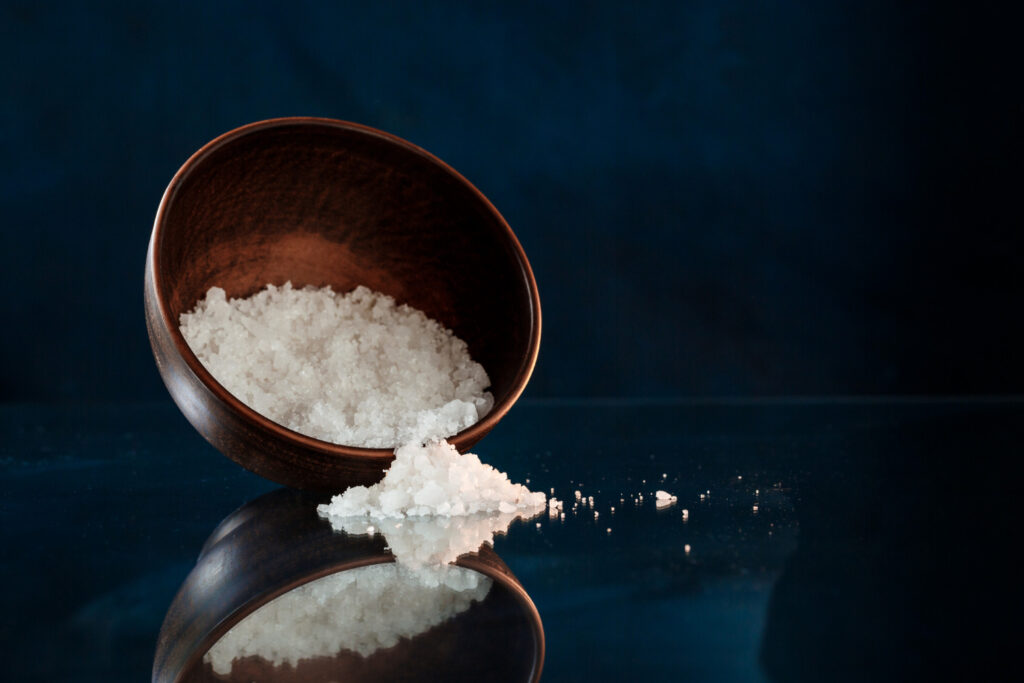
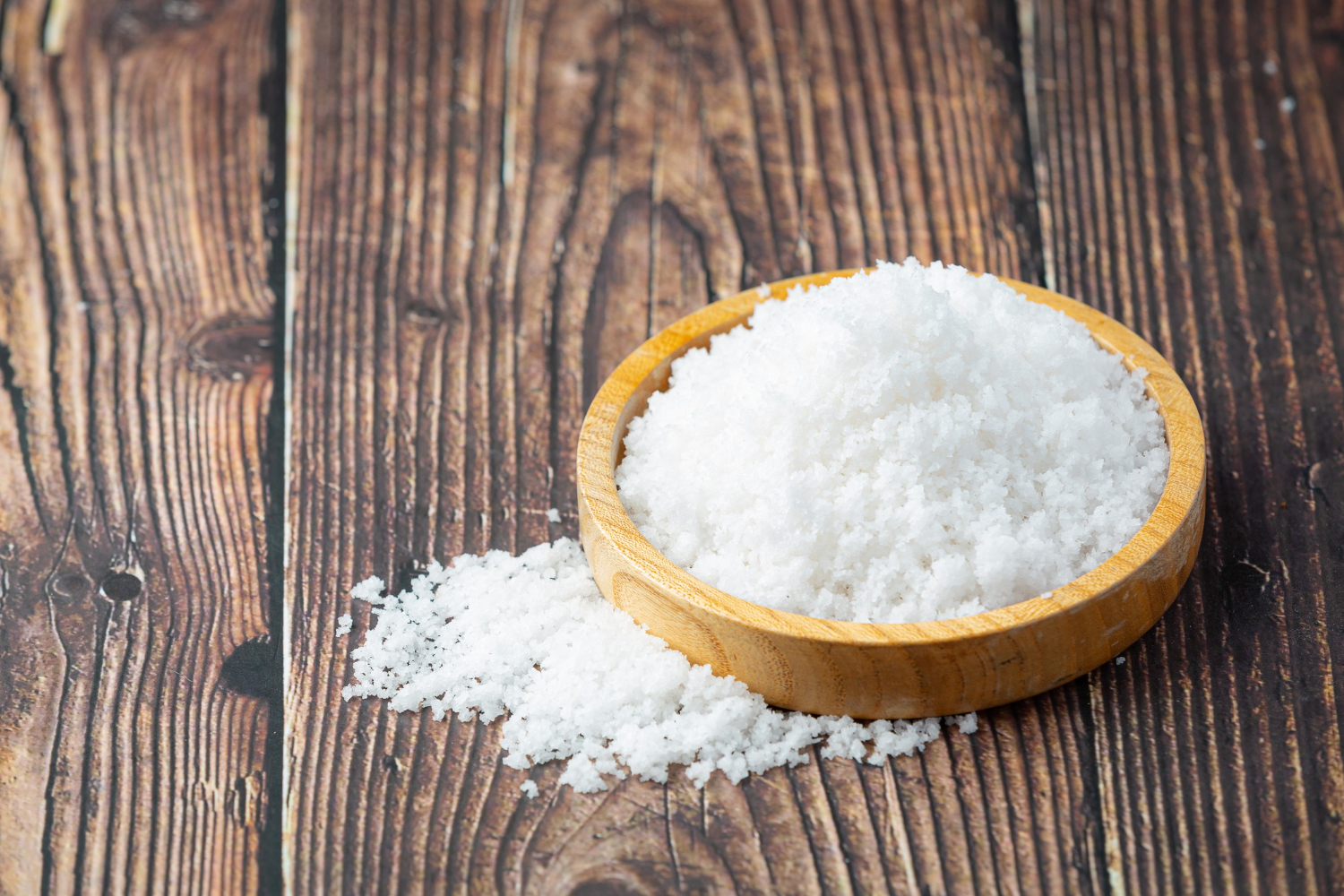
The sodium atom is silvery white, vigorously burns in air, and is explosive on contact with water, whereas sodium chloride is an ionic compound with white crystalline nature, commonly used as table salt for consumption and various day to day activities.
The reason pure sodium is so dangerous but sodium chloride is so harmless comes down to what happens when sodium gives up its electron to chlorine. The two reactive, dangerous elements combine to form something entirely stable. The sodium ion locked inside sodium chloride cannot react the way pure sodium metal does because it no longer has its free valence electron.
| Property | Sodium (Na) | Sodium Chloride (NaCl) |
| State at room temperature | Soft silvery metal | White crystalline solid |
| Reaction with water | Violent, produces hydrogen gas and NaOH | Dissolves safely, forms neutral solution |
| Safety for human consumption | Extremely dangerous, never consumed | Safe in moderate amounts, essential electrolyte |
| Occurrence in nature | Rarely in elemental form | Abundant, seawater, salt mines worldwide |
| Industrial role | Reducing agent, glass, synthetic rubber | Chlor-alkali feedstock, food, de-icing |
| Storage requirement | Stored under mineral oil to prevent air/water reaction | Normal dry storage |
Sodium plays critical roles in industrial applications, such as in the production of glass, paper, and synthetic rubber, and in biological systems where it is vital for maintaining cellular function and nerve impulse transmission. But these uses require controlled industrial conditions. Nobody works with pure sodium metal in an open lab casually.
What Sodium Chloride Actually Does in Industry
Sodium chloride is used in the Solvay process to produce sodium carbonate and calcium chloride. Sodium carbonate in turn is used to produce glass, sodium bicarbonate, and dyes, as well as many other chemicals. That is just one downstream pathway.
The bigger one is chlor-alkali. Sodium chloride is also a key raw material in the chlor-alkali process, producing chlorine gas and sodium hydroxide. Sodium hydroxide is extensively used in manufacturing soaps, paper, and chemical processing. 95% of global chlorine production starts with sodium chloride electrolysis. The scale of this is enormous.
Key industrial uses of sodium chloride in the US:
- Chlor-alkali production – Raw material for chlorine and caustic soda, which flow into PVC, bleach, detergents, paper, and aluminium manufacturing
- Road de-icing – Another major application of sodium chloride is de-icing of roadways in sub-freezing weather; millions of tonnes are used across northern US states every winter
- Food preservation – Controls microbial growth, texture, and moisture in processed food
- Water softening – Ion exchange resins used in water softeners are regenerated using sodium chloride
- Oil drilling – Industrial salt is used in oil drilling rigs to increase density of drilling fluid and acts as a lubricant and coolant for the drilling head
- Textile industry – Industrial salt is used to fix batches of dye, helping achieve standardized color
Sodium Bromide vs Sodium Chloride: Where They Actually Differ
This is where the secondary keyword matters, and not just academically. These two compounds look nearly identical as white crystalline powders. They share the same sodium cation. But they are not interchangeable, and using the wrong one has real consequences, including in one documented 2025 case, a medical emergency.
Sodium bromide is not a safe substitute for table salt and should never be used as one. The bromide ion accumulates in the body and causes bromism, a toxic syndrome involving skin rashes, nausea, confusion, and in severe cases hallucinations and psychosis.
Here is how sodium bromide vs sodium chloride actually compares across the properties that matter industrially:
| Property | Sodium Chloride (NaCl) | Sodium Bromide (NaBr) |
| Formula | NaCl | NaBr |
| Density | 2.16 g/cm3 | 3.21 g/cm3 (significantly denser) |
| Melting point | 801°C | 755°C |
| Solubility in water | 360 g/L at 25°C | 943 g/L at 25°C (much higher) |
| Food safe | Yes | No, causes bromism |
| Primary industrial use | Chlor-alkali, food, de-icing | Drilling fluids, water treatment, organic synthesis |
| Reaction with chlorine | No significant reaction | Produces bromine gas |
| Cost | Very low, commodity scale | Higher, specialty chemical |
Sodium bromide’s high solubility in water makes it suitable for numerous industrial roles. Although it shares similarities with other alkali metal halides like sodium chloride, its reactivity with organic and inorganic compounds gives it distinct advantages in specialized applications.
Where Sodium Bromide Gets Used
Oil and gas drilling is the biggest industrial application. In deepwater and high-pressure wells, maintaining the density of drilling fluids is essential to prevent blowouts and control formation pressures. Sodium bromide solutions have high specific gravity, allowing drilling engineers to create dense brines that stabilize the borehole and support drilling efficiency.
Pure sodium bromide brine is used when the chloride ion is not desirable and when sodium is preferred over calcium in drilling and completion fluids. This is a specific technical requirement. Sodium chloride cannot be substituted here because the required brine density cannot be achieved at safe chloride concentrations.
Water treatment and pool disinfection is another key use. Sodium bromide serves as a precursor to bromine-based biocides, which are highly effective in controlling microbial growth in cooling towers, swimming pools, and industrial water systems. Bromine is preferred over chlorine in some applications due to its stability and effectiveness at higher temperatures.
Organic synthesis is where sodium bromide serves a very specific chemical role. Sodium bromide is widely used for the preparation of other bromides in organic synthesis. It is a source of the bromide nucleophile to convert alkyl chlorides to more reactive alkyl bromides by the Finkelstein reaction. Sodium chloride cannot do this because the chloride ion is less reactive as a nucleophile than bromide.
Photography was historically significant. Sodium bromide acts as a restrainer in photographic developers, helping to control the development process and prevent fogging on the film. l Digital photography has reduced this use substantially but it persists in analog and archival applications.
Why These Compounds Are Confused and What Goes Wrong
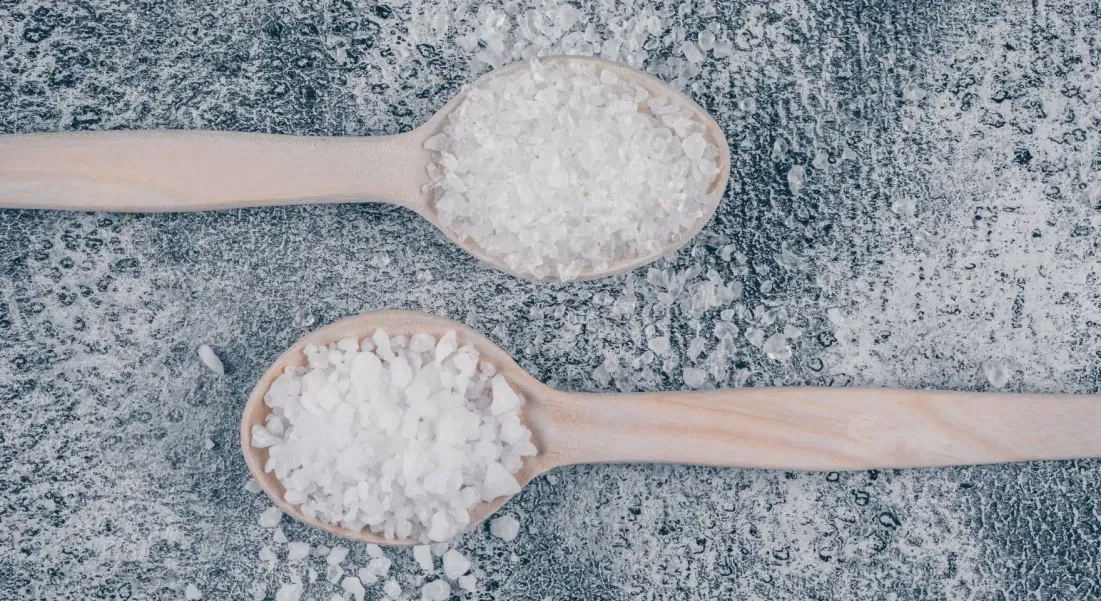
The visual similarity between sodium chloride and sodium bromide powder is the main source of confusion. Both are white, crystalline, water soluble, and look like common salt. Unlike table salt, sodium bromide releases bromine when mixed with chlorine, which is why it is used in pools. That same property makes it genuinely hazardous if consumed as food.
The 2025 hospitalisation case mentioned earlier is not an isolated risk. Online misinformation about alternative salts and mineral supplements has made this a documented safety issue. From a manufacturing and supply chain perspective, proper labeling, segregated storage, and clear handling documentation are essential whenever sodium bromide and sodium chloride are both present in a facility.
For industrial buyers, the practical distinction comes down to:
- Use sodium chloride when you need a cheap, abundant, food-safe, infrastructure-scale commodity salt
- Use sodium bromide when you need high-density brine, a source of reactive bromide ions, or bromine generation capability in your process
- Never substitute one for the other in end-use applications without full chemical and regulatory review
Conclusion
The sodium vs sodium chloride question has a clear answer: they are not the same thing and cannot be used interchangeably in any application. Sodium is a reactive metal that must be handled under inert conditions. Sodium chloride is one of the world’s most used industrial and food chemicals. The confusion is understandable given the naming, but the practical implications are significant.
The sodium bromide vs sodium chloride comparison is equally important for industrial buyers. Both are white crystalline salts with a sodium ion, but they serve completely different functions in oil and gas, water treatment, and chemical synthesis, and mixing them up has real safety and process consequences. Understanding which compound your application actually requires is basic but critical sourcing knowledge.
For manufacturers and industrial buyers sourcing sodium chloride, sodium bromide, or related inorganic salt compounds at verified purity grades with complete documentation, Elchemy connects US buyers with qualified global suppliers offering transparent pricing, certificates of analysis, and supply chain reliability built for industrial scale.