

At a Glance
- Sodium starch glycolate (SSG) is the sodium salt of cross-linked carboxymethyl starch used as superdisintegrant
- Functions by rapidly absorbing water causing tablet swelling and disintegration within 1-5 minutes
- Typical formulation concentration ranges 2-8% w/w with optimal performance at 2-4%
- Available commercially as Primojel, Explotab, and Vivastar with varying particle sizes and properties
- FDA classifies SSG as GRAS (Generally Recognized as Safe) for pharmaceutical use
- Rare allergic reactions possible in individuals with starch sensitivities but generally well-tolerated
Walk into any pharmaceutical formulation lab and ask about disintegrants, and sodium starch glycolate will likely be the first one mentioned. This modified starch derivative has become the go-to superdisintegrant for immediate-release tablets and capsules across the industry. From over-the-counter pain relievers to prescription medications, SSG ensures active ingredients release quickly and completely.
Understanding what is sodium starch glycolate and how to use it effectively separates successful formulations from problematic ones. This excipient might seem straightforward—add it to tablets and they break apart faster. Reality proves more nuanced, with particle size, concentration, and drug-excipient interactions all affecting performance.
What is Sodium Starch Glycolate
Sodium starch glycolate is the sodium salt of carboxymethyl ether of starch, created through chemical modification of starch from potato, corn, rice, or wheat sources. The synthesis involves two fundamental processes: carboxymethylation to increase hydrophilicity and cross-linking to reduce gel formation and solubility upon water contact. This dual modification creates a material that swells dramatically when wetted but doesn’t dissolve into a viscous gel.
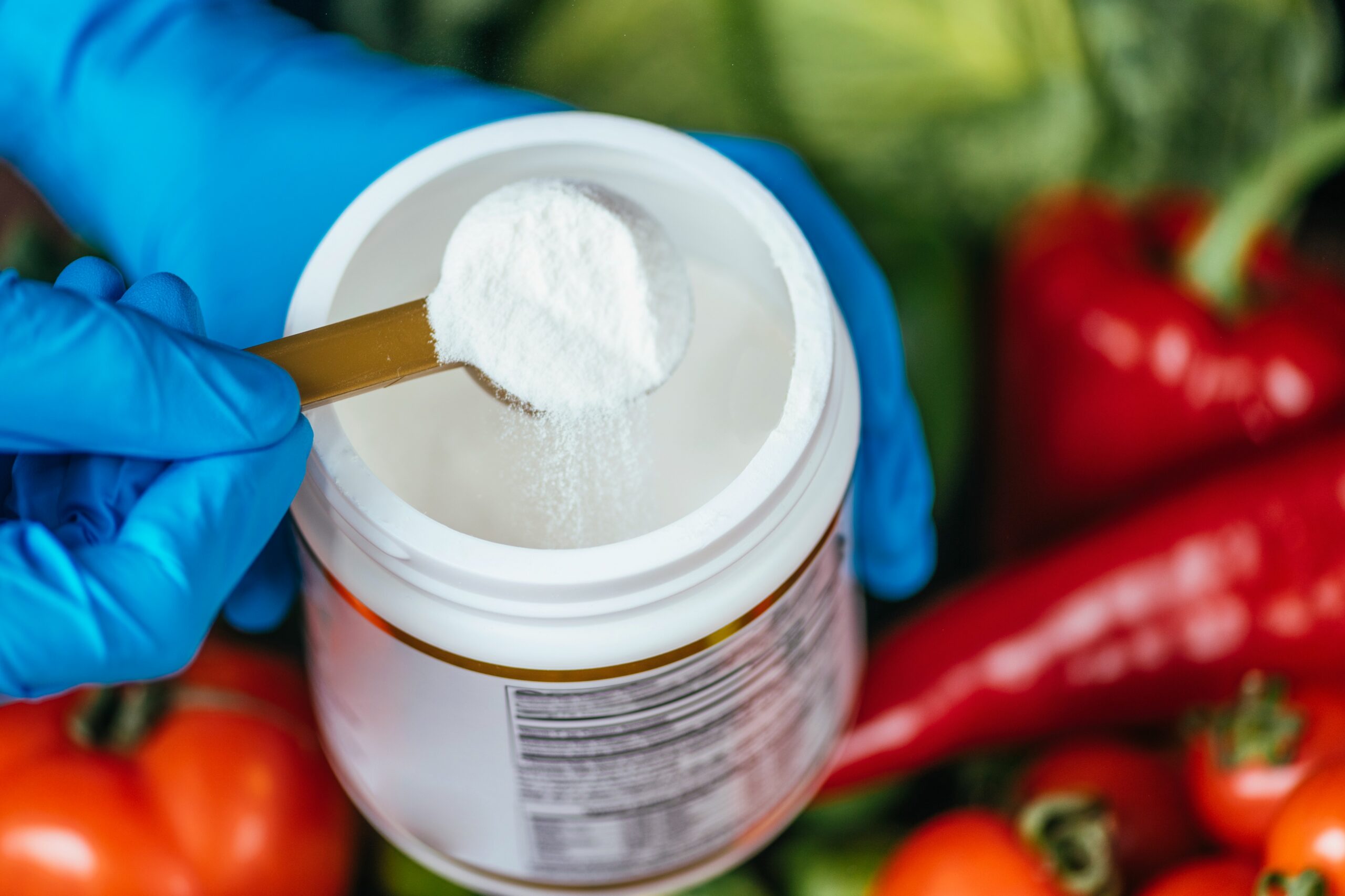
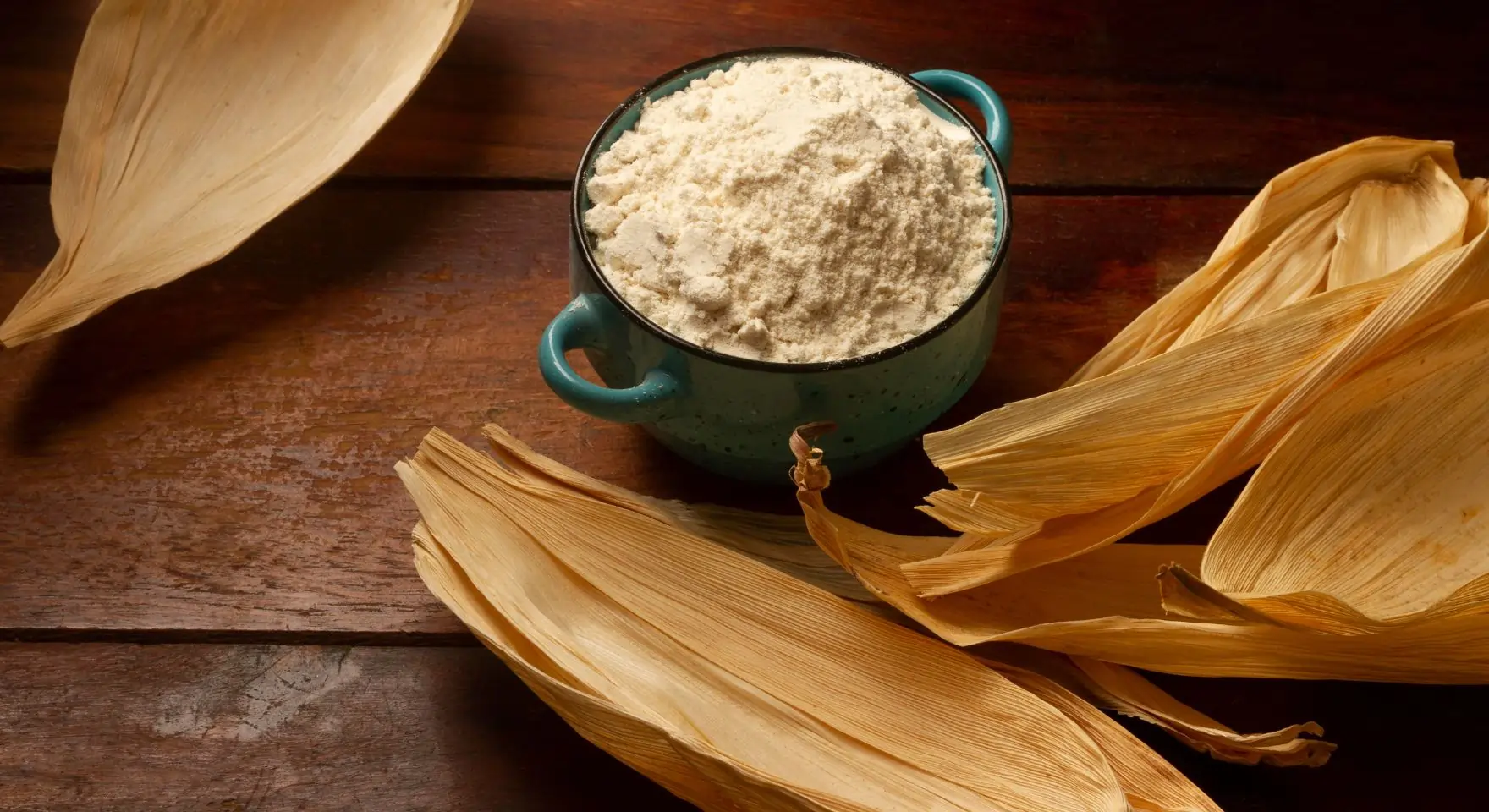
The compound appears as white to off-white, tasteless, odorless powder with moderate free-flowing properties. Particle morphology consists of oval or spherical granules ranging from 30-100 μm diameter, with some less-spherical particles in the 10-35 μm range. The degree of substitution (DS)—indicating how many carboxymethyl groups attach to starch—typically ranges from 0.23 to 0.32, with 0.28-0.29 considered optimal for most applications.
When tablets containing SSG contact moisture (saliva, gastric fluid, dissolution media), the material rapidly absorbs water—up to several times its own weight. This absorption causes volumetric expansion creating internal pressure that breaks tablets apart. The speed of this action classifies SSG as a “superdisintegrant”—materials that work at lower concentrations than traditional disintegrants like unmodified starch.
Key mechanisms of action:
- Rapid water uptake through hydrophilic carboxymethyl groups
- Swelling creating internal stress fracturing tablet matrix
- Wicking action drawing water into tablet core via capillary channels
- Minimal gel formation preventing formation of viscous barriers
- Particle deformation under hydration stress disrupting tablet structure
Formulation Guidelines and Best Practices
Successful SSG incorporation requires understanding concentration effects, processing impacts, and compatibility with other excipients. Too little SSG produces inadequate disintegration. Too much creates counterproductive effects that actually slow breakdown.
| Dosage Form | SSG Concentration | Disintegration Time | Notes |
| Fast-dissolving tablets | 2-4% | <1 minute | Optimal balance of speed and manufacturability |
| Standard immediate-release | 2-6% | 1-5 minutes | Most common formulation range |
| Orodispersible tablets | 3-5% | <30 seconds | Higher end for ultra-fast breakdown |
| Capsule granules | 2-8% | 2-10 minutes | Wide range based on fill density |
Optimal Concentration Ranges
The relationship between SSG concentration and disintegration time is non-linear. Studies show that 2-4% SSG typically provides disintegration within 1 minute for most formulations. Increasing to 6% may improve certain sluggish formulations but beyond 8% often proves counterproductive. At high levels (>8% tablet weight), SSG forms a viscous layer upon hydration that paradoxically hinders water penetration into the tablet core, increasing disintegration time.
Degree of substitution significantly affects performance. Hydration and swelling increase as substitution rises from 0.20 to 0.29, then decrease at higher substitution levels. This creates an optimal DS window around 0.28-0.29 for maximum disintegration efficiency. Unfortunately, USP specifications don’t define DS limits—only sodium content (2.8-4.2%)—meaning formulators must rely on supplier specifications.
Particle size matters more than many realize. Finer particles provide larger surface area for faster water uptake but may also form more viscous layers upon hydration. Coarser grades flow better during manufacturing but hydrate slower. Different SSG brands target different particle size distributions, affecting both processing behavior and final product performance.
Common Brands and Grades
Three major SSG brands dominate pharmaceutical formulation: Primojel (DFE Pharma), Explotab (JRS Pharma), and Vivastar (JRS Pharma). While chemically similar, these products differ in particle size distribution, sodium chloride content (synthesis byproduct), pH, and manufacturing process variations. These differences can significantly impact tablet properties.
Primojel and Explotab both derive from potato starch reacted with sodium chloroacetate, though details of whether crosslinking occurs before or after substitution remain proprietary. Vivastar P uses post-substitution crosslinking via sodium carboxylate groups and starch hydroxyl groups. These manufacturing variations produce materials with different swelling rates, viscosity development, and compatibility with specific drug substances.
Formulators switching between SSG sources must verify functional equivalence through dissolution testing and stability studies. Compendial assays confirm chemical quality but don’t describe physical properties affecting disintegration performance. Batch-to-batch variation within a single brand typically causes fewer problems than switching between brands mid-development.
Sodium Starch Glycolate Side Effects and Safety
From a regulatory perspective, sodium starch glycolate demonstrates an excellent safety profile. The FDA classifies SSG as Generally Recognized as Safe (GRAS) when used according to good manufacturing practices. The European Medicines Agency similarly considers SSG a generally safe excipient, supporting its global acceptance in pharmaceutical products.
Pharmacokinetically, SSG is designed not to be absorbed. The cross-linked structure and high molecular weight prevent intestinal absorption. This property minimizes health risks compared to excipients that enter systemic circulation. Studies demonstrate minimal toxicological potential in both acute and chronic exposure scenarios when used at recommended concentrations.
The EPA’s tolerance exemption analysis for SSG used as pesticide tablet disintegrant concluded that this potato starch derivative poses no significant toxic potential through dietary exposure. The analysis noted low toxicity by oral and dermal routes, with moderate inhalation concerns addressed through product-specific testing and labeling. Importantly, SSG cannot be absorbed in significant amounts in the intestinal tract.
Safety profile summary:
- Generally nontoxic and nonirritant when taken orally
- Not absorbed systemically due to molecular structure and size
- Decades of safe use in thousands of pharmaceutical products
- Rare allergic reactions documented but extremely uncommon
- No evidence of carcinogenicity, mutagenicity, or reproductive toxicity
Potential Adverse Reactions
While SSG demonstrates excellent overall safety, rare adverse reactions can occur. Allergic reactions to SSG are documented but extremely uncommon given the excipient’s widespread use. These reactions typically manifest as skin rash, itching, or gastrointestinal symptoms in sensitized individuals. Severe reactions like anaphylaxis are exceedingly rare, perhaps a handful of documented cases despite billions of doses administered.
Individuals with documented starch allergies require caution. However, the high degree of starch modification during SSG synthesis means that allergic epitopes from the original starch source may not persist in the final product. Many patients with wheat or potato allergies tolerate SSG without problems, though individual assessment remains prudent for severely allergic patients.
Drug-Excipient Interactions
SSG can interact with certain drug substances affecting bioavailability or stability. Weakly basic drugs may compete with sodium counter-ions in SSG, adsorbing onto particle surfaces. This interaction can affect both drug release kinetics and SSG swelling behavior. Higher DS values increase this potential by providing more adsorption sites.
Moisture-sensitive drugs pose compatibility challenges. SSG’s hygroscopic nature means it readily absorbs atmospheric moisture during manufacturing and storage. This moisture can then interact with moisture-sensitive active ingredients promoting degradation. Proper moisture control during processing and packaging in moisture-protective materials mitigate this risk.
Impurities in SSG, primarily sodium chloride (synthesis byproduct) but also sodium glycolate, citrate, and acetate, occasionally cause compatibility issues. More concerning are reactive impurities like residual monochloroacetate, nitriles, and nitrates. High-purity pharmaceutical grades minimize these, but formulators should consider impurity profiles when developing products containing reactive drugs.
Formulation Considerations for US Formulators
Beyond basic concentration selection, several formulation variables affect SSG performance. Understanding these helps optimize both processing and product quality.
Critical formulation factors:
- Addition method (intragranular, extragranular, or split) affects disintegration patterns
- Compression force impacts SSG’s ability to swell and fracture the matrix
- Lubricant type and mixing time influence SSG exposure and water penetration
- Filler selection affects overall tablet porosity and wetting characteristics
- Drug solubility determines whether disintegration controls dissolution or vice versa
Intragranular addition (incorporated during granulation) provides faster disintegration than extragranular addition (dry-blended before compression). Split addition—part intragranular, part extragranular—offers a compromise balancing manufacturing ease with performance. The optimal approach depends on drug properties, granulation method, and target dissolution profile.
Compression force creates a balancing act. Higher forces produce harder tablets with better mechanical strength but potentially slower disintegration. SSG must generate sufficient swelling pressure to overcome the tablet’s crushing strength. Formulations requiring very hard tablets (≥20 kP) may need higher SSG levels or supplementation with additional disintegrants.
Conclusion
Sodium starch glycolate stands as one of pharmaceutical formulation’s most reliable tools for ensuring immediate-release products disintegrate rapidly and completely. Its combination of effectiveness at modest concentrations, broad compatibility, excellent safety profile, and established regulatory acceptance explains why SSG appears in thousands of approved products. Understanding the nuances of concentration optimization, brand selection, and formulation interactions separates adequate products from excellent ones.
For manufacturers requiring pharmaceutical-grade sodium starch glycolate, excipients, or formulation ingredients with complete USP/NF documentation, Elchemy’s technology-driven platform connects buyers with verified suppliers across global markets. Founded by IIT Bombay engineer Hardik Seth and IIT Delhi engineer Shobhit Jain, Elchemy provides transparent access to certified materials, certificates of analysis, and reliable supply chains supporting pharmaceutical development from formulation optimization through commercial production.