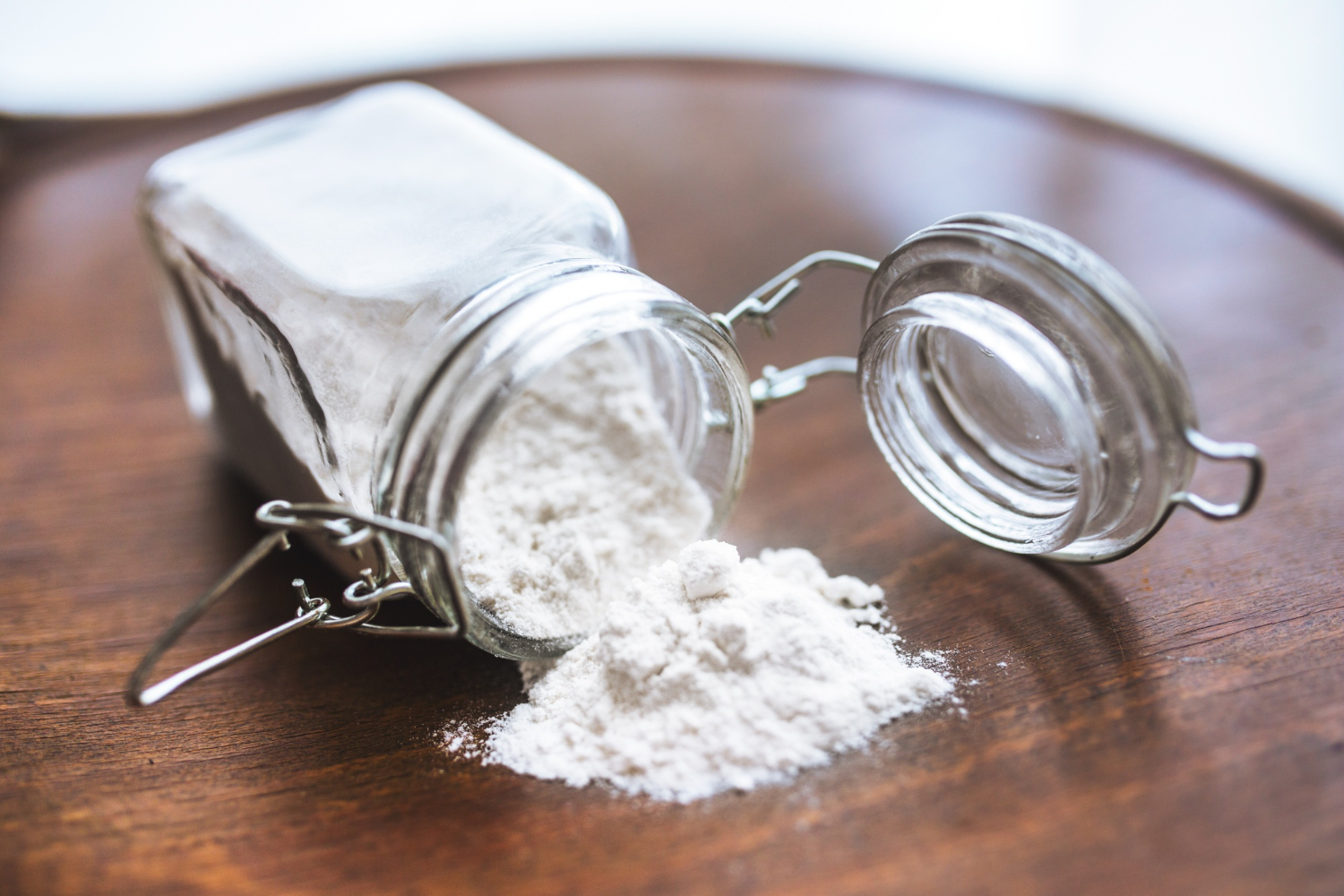


Soda ash, also known as sodium carbonate, is a critical industrial chemical used across industries such as glass manufacturing, detergents, chemicals, and water treatment. As one of the most widely consumed alkali chemicals globally, it plays a vital role in large-scale industrial production.
The soda ash price is influenced by several dynamic factors, including energy costs, raw material availability, global demand, and logistics. For procurement managers and industrial buyers, tracking the current price of soda ash and identifying the most cost-effective sourcing options can be challenging especially in a fluctuating global market.
In this guide, we break down soda ash prices, per ton cost, dense soda ash pricing, global trends, and sourcing strategies to help you make informed procurement decisions.
Soda Ash at a Glance
- Soda ash price varies based on grade, region, and demand
- Dense soda ash is priced differently from light soda ash
- Bulk purchasing reduces cost per ton significantly
- Global soda ash prices fluctuate due to energy and logistics costs
- Widely used in glass, detergents, and chemical industries
- Reliable suppliers ensure consistent quality and supply
What is Soda Ash & Why is it in High Demand?
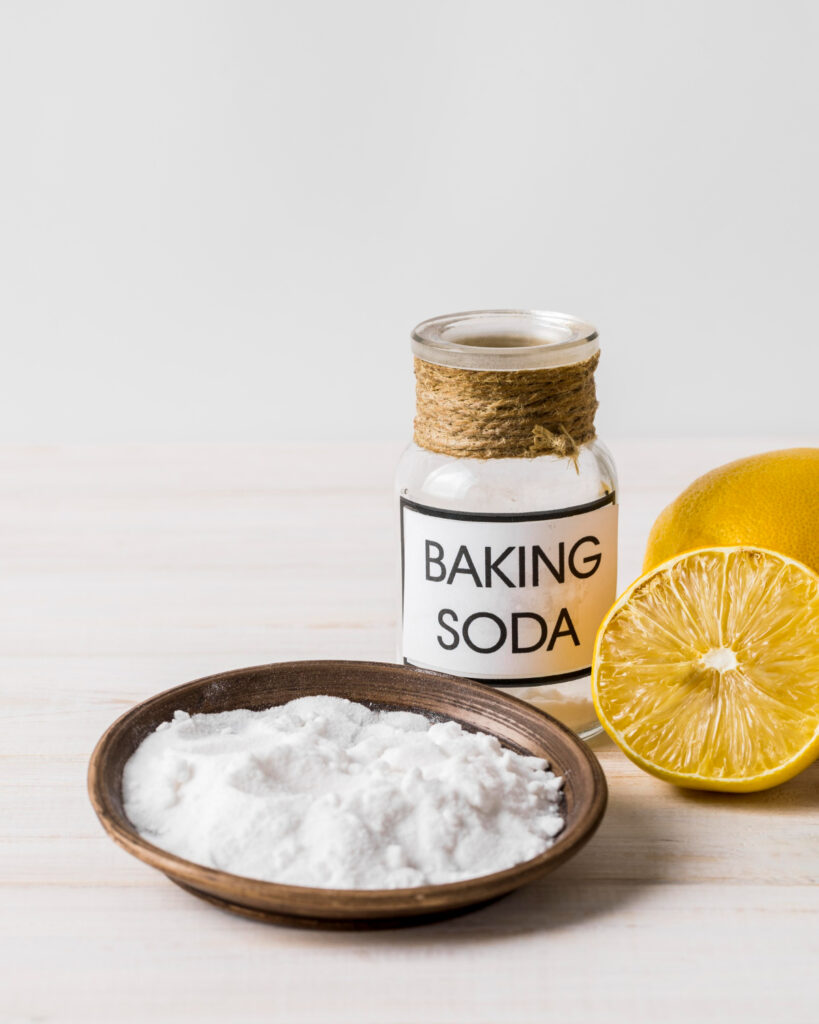
Soda ash (sodium carbonate) is an essential raw material used in a wide range of industrial processes. It is primarily available in two forms:
Types of Soda Ash:
- Dense Soda Ash: Used in glass manufacturing due to higher density
- Light Soda Ash: Used in detergents, chemicals, and water treatment
Key Industries Driving Demand:
- Glass Industry (Largest Consumer): Used in flat glass, container glass, and fiberglass
- Detergents & Soaps: Acts as a cleaning and water-softening agent
- Chemical Manufacturing: Used in producing sodium-based compounds
- Water Treatment: Helps regulate pH levels
👉 The growing demand from these industries directly impacts soda ash prices globally.
Current Soda Ash Price (2025 Market Overview)
The current price of soda ash varies depending on regional demand, supply conditions, and production costs.
Market Insights:
- Prices remain moderately volatile due to energy-intensive production processes
- Demand from construction and automotive sectors (glass usage) continues to grow
- Supply chain disruptions can temporarily increase pricing
| Region | Price Trend | Demand Level |
| India | Moderate | High |
| China | Competitive | Very High |
| USA | Stable | Strong |
| Europe | Higher | Regulated |
👉 Buyers often benefit from comparing global suppliers to secure better pricing.
Soda Ash Price per Ton (Bulk Pricing Insights)
For industrial procurement, soda ash price per ton is the most relevant metric.
Why Per Ton Pricing Matters:
- Helps standardize cost comparison
- Enables bulk procurement planning
- Improves supplier negotiation
Bulk Pricing Insights:
- Large-volume orders reduce per-ton cost
- Long-term contracts offer price stability
- Spot buying may lead to price fluctuations
👉 Businesses with consistent demand should prioritize bulk purchasing strategies to optimize costs.
Dense vs Light Soda Ash Price Difference
Understanding the pricing difference between dense and light soda ash is important for selecting the right product.
Key Differences:
| Type | Price Trend | Application |
| Dense Soda Ash | Slightly higher | Glass manufacturing |
| Light Soda Ash | Moderate | Detergents, chemicals |
Why Prices Differ:
- Dense soda ash requires additional processing
- Application demand (glass industry) drives pricing
👉 Choosing the right type based on application can significantly impact overall cost efficiency.
Key Factors Affecting Soda Ash Prices
Several factors influence soda ash price trends globally:
1. Energy Costs
Soda ash production is energy-intensive, making fuel and electricity costs a major pricing driver.
2. Raw Material Availability
Availability of trona ore or synthetic production inputs impacts supply.
3. Industrial Demand
Growth in glass, construction, and detergents increases demand and prices.
4. Logistics & Transportation
Freight costs and global shipping disruptions affect final pricing.
5. Government Policies
Environmental regulations and trade policies influence production and exports.
Global Soda Ash Prices & Market Trends
The global soda ash prices vary across regions due to differences in production capacity, regulations, and demand.
Key Trends:
- Asia-Pacific dominates production and consumption
- Europe sees higher prices due to environmental regulations
- Export markets influence price stability in producing countries
👉 Monitoring global trends helps buyers plan procurement and avoid price spikes.
Bulk Buying Strategy & Cost Optimization
Bulk procurement is the most effective way to manage soda ash costs.
Benefits of Bulk Buying:
- Lower cost per ton
- Consistent supply
- Better supplier relationships
- Reduced procurement frequency
Smart Procurement Tips:
- Lock in long-term contracts
- Compare multiple suppliers
- Monitor global price trends before purchasing
Simplify Your Procurement Process
👉 Looking for competitive soda ash prices? Elchemy helps businesses connect with verified global suppliers, compare quotes, and secure bulk pricing with reliable supply and full compliance support.
Where to Buy Soda Ash (Trusted Suppliers)
If you’re looking to source soda ash, consider these options:
1. Manufacturers
- Best for large-scale procurement
- Direct pricing advantages
2. Distributors
- Flexible quantities
- Faster delivery
3. B2B Sourcing Platforms
- Supplier comparison
- Verified supplier networks
- Transparent pricing
👉 Choosing the right sourcing channel ensures cost efficiency and supply reliability.
How to Choose the Right Supplier
Selecting the right supplier is critical for long-term procurement success.
Key Factors:
- Certifications and compliance
- Product quality consistency
- Competitive pricing
- Strong logistics support
👉 Platforms like Elchemy simplify supplier discovery and verification, ensuring reliable sourcing.
Industry Demand Driving Soda Ash Prices
The demand for soda ash is driven by:
- Glass Industry: Largest contributor to global demand
- Detergents: Consistent demand from household and industrial cleaning
- Water Treatment: Increasing need for clean water solutions
- Chemical Industry: Continuous usage in manufacturing processes
👉 Growth in these industries directly impacts soda ash pricing trends.
Frequently Asked Questions (FAQs)
Q1. What is the current soda ash price?
Soda ash prices vary by region, demand, and supply conditions. Bulk purchases typically offer better pricing.
Q2. What is soda ash price per ton?
It refers to the cost of soda ash in bulk quantities and is commonly used for industrial procurement comparisons.
Q3. Why does soda ash price fluctuate?
Prices change due to energy costs, raw materials, demand, logistics, and regulations.
Q4. What is the difference between dense and light soda ash price?
Dense soda ash is generally priced slightly higher due to its use in glass manufacturing and additional processing.
Q5. Where can I buy soda ash in bulk?
You can purchase from manufacturers, distributors, or B2B sourcing platforms offering verified suppliers and competitive pricing.
Soda ash is a high-demand industrial chemical, and its pricing is influenced by multiple global factors. Understanding price per ton, grade differences, and market trends is essential for making cost-effective procurement decisions.
👉 With Elchemy, you can streamline your soda ash sourcing access trusted suppliers, compare global prices, and secure high-quality supply with ease.