

In 2026, global soda ash consumption remained concentrated in glass, detergents, textiles, and water treatment, with industrial applications accounting for over 85% of total demand. At the same time, manufacturers are increasingly evaluating soda ash alternatives due to energy-intensive production, price volatility, and tighter environmental discharge standards. This shift has made soda ash substitutes a practical consideration rather than an exception across multiple industries.
Soda ash (sodium carbonate) is a widely used industrial chemical for pH control, water treatment, glass manufacturing, and detergents, but rising costs, environmental concerns, and process limitations are increasing demand for reliable soda ash alternatives.
Many industries are now actively evaluating substitutes that deliver similar performance while offering operational or sustainability benefits.
At a Glance
- A soda ash alternative is any chemical used to replace sodium carbonate for alkalinity control, pH adjustment, or processing stability in industrial applications.
- Common soda ash substitutes include baking soda, potassium carbonate, and other sodium carbonate substitutes, each differing in strength, solubility, and end-use suitability.
- Industries such as textiles, detergents, glass manufacturing, water treatment, and specialty chemicals widely use alternatives to soda ash based on process sensitivity and regulatory requirements.
- Selecting the right soda ash alternative depends on application chemistry, cost efficiency, material compatibility, and sustainability goals.
What Is Soda Ash and Why Is It Used?
Soda ash is an alkaline chemical compound (sodium carbonate) used to regulate pH, soften water, and act as a flux or fixing agent in industrial processes.
It is commonly used in:
- Glass manufacturing
- Textile dyeing and printing
- Detergents and cleaning formulations
- Water treatment
- Chemical processing
Because of its strong alkalinity, soda ash improves reaction efficiency, color fixation, and chemical stability in many manufacturing workflows.
Why Look for a Soda Ash Alternative?
Industries look for soda ash alternatives when cost, supply, process compatibility, or sustainability becomes a challenge.
Key drivers include:
- Supply chain volatility and regional shortages
- High alkalinity causing fabric damage or process control issues
- Residue formation in sensitive applications
- Energy-intensive production and environmental concerns
- Need for gentler or more controlled pH regulation
As a result, manufacturers increasingly adopt alternatives to soda ash that offer better process flexibility.
Common Soda Ash Alternatives and Substitutes
|
About Soda Ash |
Elchemy Provides Best Solution |
|
What are the most common soda ash alternatives? |
Common soda ash alternatives include baking soda (sodium bicarbonate), potassium carbonate, sodium sesquicarbonate, sodium metasilicate, and buffered alkaline blends depending on the industrial application. |
|
Can baking soda replace soda ash? |
Baking soda is one of the most widely used soda ash substitutes. It provides milder alkalinity and controlled pH adjustment, making it suitable for textiles, cleaning formulations, and sensitive manufacturing processes. |
|
What is the strongest alternative to sodium carbonate? |
Potassium carbonate is often considered the strongest soda ash alternative due to its high solubility and strong alkalinity, making it useful in specialty glass production, chemical processing, and electronics manufacturing. |
|
Why are industries replacing soda ash? |
Manufacturers look for soda ash alternatives due to supply volatility, energy-intensive production, environmental regulations, and the need for more controlled alkalinity in sensitive processes. |
|
Which industries use soda ash substitutes? |
Industries such as textiles, detergents, glass manufacturing, water treatment, and specialty chemical production frequently use alternatives to soda ash depending on process requirements. |
Several chemicals can act as effective sodium carbonate substitutes, depending on the application and industry.
Baking Soda
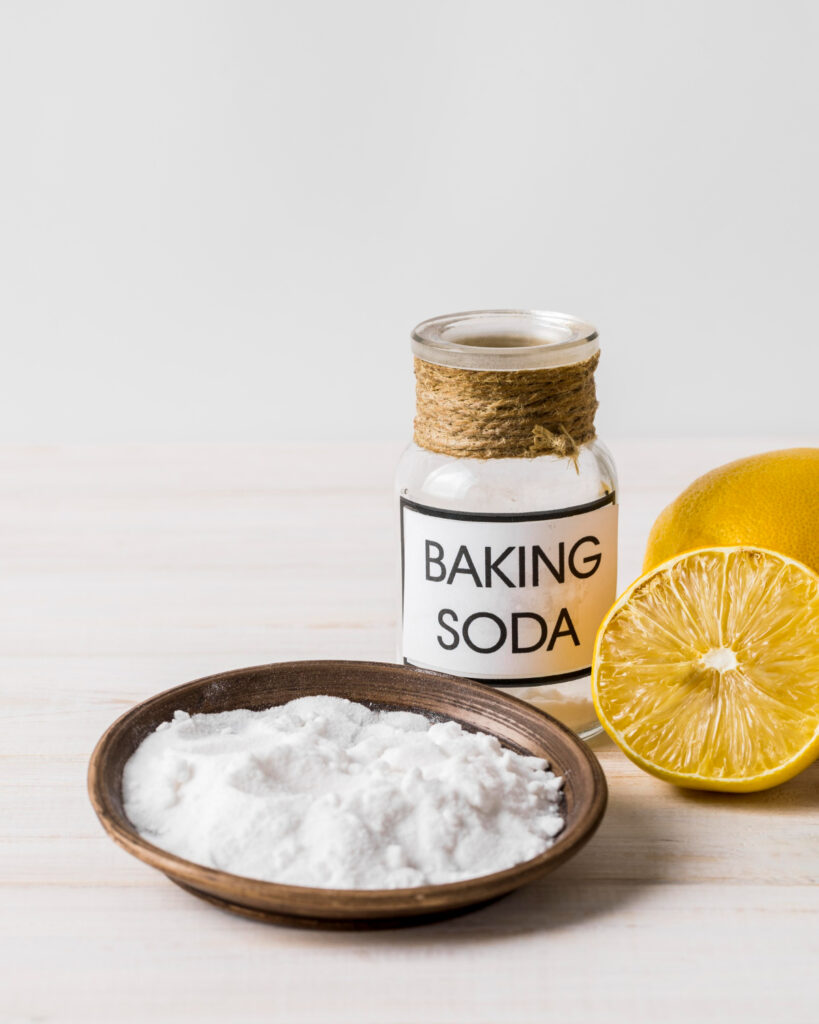
Baking soda (sodium bicarbonate) is one of the most widely used soda ash alternatives due to its milder alkalinity and safer handling properties.
Key characteristics:
- Lower pH compared to soda ash
- Slower, more controlled alkalinity release
- Reduced risk of fiber or surface damage
Common industrial uses:
- Textile dyeing (light to medium shades)
- Cleaning and detergent formulations
- Food-grade and pharmaceutical processing
Baking soda is preferred where gentle alkalinity and process stability are critical.
Potassium Carbonate
Potassium carbonate is a strong alternative soda ash option used in applications requiring high solubility and rapid alkalinity action.
Key advantages:
- Higher solubility than sodium carbonate
- Effective at lower temperatures
- Reduced residue formation
Industries using potassium carbonate:
- Specialty glass manufacturing
- Electronics and optical coatings
- Textile processing for delicate fibers
- Specialty chemical formulations
It is often chosen when sodium-based compounds must be limited.
Sodium Bicarbonate vs Soda Ash
Sodium bicarbonate and soda ash differ mainly in alkalinity strength and reaction behavior.
Comparison overview:
- Soda ash: stronger, faster pH increase
- Sodium bicarbonate: milder, more controlled
- Soda ash: higher risk of over-alkalization
- Sodium bicarbonate: better for precision processes
Many manufacturers replace soda ash with sodium bicarbonate in sensitive dyeing, cleaning, and formulation workflows.
Other Sodium Carbonate Substitutes
Beyond baking soda and potassium carbonate, other soda ash substitutes include:
- Sodium sesquicarbonate
- Sodium metasilicate (for detergents)
- Buffered alkaline blends
- Application-specific alkali regulators
These are often selected for custom industrial formulations where soda ash performance needs adjustment rather than full replacement.
Soda Ash vs Alternatives: Key Differences
|
Soda Ash vs Common Alternatives |
Key Difference |
|
Soda Ash (Sodium Carbonate) |
Strong alkaline compounds used widely in glass manufacturing, detergents, and chemical processing. |
|
Baking Soda (Sodium Bicarbonate) |
Provides gentler alkalinity and controlled pH adjustment with lower risk of material damage. |
|
Potassium Carbonate |
Highly soluble alkaline compound used in specialty glass, electronics, and chemical applications. |
|
Sodium Sesquicarbonate |
Balanced alkaline buffer used in cleaning and industrial formulations. |
|
Sodium Metasilicate |
Strong alkaline compound commonly used in detergents and industrial cleaning processes. |
The main difference between soda ash and its alternatives lies in alkalinity strength, process control, and residue behavior.
| Parameter | Soda Ash | Alternatives |
| Alkalinity | High | Low to medium |
| Process control | Aggressive | Controlled |
| Residue risk | Higher | Lower |
| Fiber/material safety | Moderate | Higher |
| Sustainability | Energy-intensive | Often improved |
For industries prioritizing precision, quality consistency, and sustainability, soda ash alternatives provide clear advantages.
How to Choose the Right Alternative for Soda Ash
The best soda ash alternative depends on industry, application, and process conditions.
Key selection criteria:
- Required pH range and alkalinity strength
- Material or fiber sensitivity
- Temperature and solubility needs
- Regulatory and environmental requirements
- Cost efficiency at scale
Industry-Specific Guidance
- Textiles: Baking soda or potassium carbonate for controlled dye fixation
- Glass & ceramics: Potassium carbonate or specialty alkaline blends
- Detergents: Sodium bicarbonate or sodium metasilicate
- Water treatment: Buffered alkali systems
- Specialty chemicals: Customized sodium carbonate substitutes
B2B buyers should validate alternatives through pilot trials and process optimization studies.
Conclusion
Soda ash alternatives have become essential for industries seeking better process control, sustainability, and supply flexibility.
Baking soda, potassium carbonate, and other sodium carbonate substitutes offer practical solutions across textiles, detergents, glass, water treatment, and specialty chemical manufacturing. Choosing the right alternative depends on application requirements, regulatory standards, and long-term operational goals.
As industrial processes evolve in 2026 and beyond, adopting the right soda ash alternative can improve efficiency, product quality, and environmental performance.
FAQs About Soda Ash Alternatives
Q1. Is soda ash the same as baking soda?
No. Soda ash is sodium carbonate, while baking soda is sodium bicarbonate. Soda ash is more alkaline and aggressive, whereas baking soda provides gentler pH control and is often used as a soda ash alternative in sensitive applications.
Q2. What can I use instead of soda ash?
Common alternatives include baking soda, potassium carbonate, sodium sesquicarbonate, and specialty alkaline blends. The best substitute depends on the industry, required alkalinity, and process conditions.
Q3. How can I tie dye without soda ash?
Tie dyeing can be done using baking soda or washing soda substitutes, though color intensity may be slightly lower. Baking soda provides gentler dye fixation and is preferred for delicate fabrics.
Q4. Can baking soda be used as a soda ash alternative?
Yes. Baking soda is widely used as a soda ash substitute where controlled alkalinity, safer handling, and reduced fabric damage are required, especially in textile and cleaning applications.
Q5. What is the best soda ash alternative for tie dyeing?
Baking soda is the most commonly used alternative for tie dyeing, particularly for lighter shades and delicate fabrics. Potassium carbonate may be used for stronger fixation when needed.
Q6. How do soda ash substitutes compare to washing soda?
Soda ash and washing soda are similar in composition, but substitutes like baking soda offer milder alkalinity and better control, while washing soda behaves closer to traditional soda ash.