

At a Glance
- Titanium dioxide is still FDA-permitted in US cosmetics but faces growing safety scrutiny, especially in spray and powder formats
- The primary concern is inhalation of nano-sized TiO2 particles, not topical application in creams or lotions
- EU banned TiO2 as a food additive in 2022 and continues reviewing its use in cosmetics
- Clean beauty brands are reformulating proactively, driven by consumer demand rather than regulation
- Zinc oxide is the strongest like-for-like alternative for sun protection
- Iron oxides, mica, silica, and kaolin clay cover the whitening and coverage roles in makeup
- No single ingredient replaces TiO2 fully; most reformulations use a combination
Titanium dioxide has been a cornerstone of cosmetic formulations for decades. It whitens, it covers, it blocks UV. Foundations, sunscreens, pressed powders, lip products, and even toothpaste have relied on it. But as clean beauty grows and regulatory conversations around nano-ingredients get louder, more brands and formulators are asking a simple question: what is the right titanium dioxide alternative for their formulation?
In skincare and cosmetics, the shift away from titanium dioxide is primarily driven by consumer demand rather than direct regulation, at least in the US. The primary risk arises from inhalation of loose powder products containing nano-sized TiO2 particles, such as setting powders or mineral makeup sprays, not from everyday use of creams and lotions. Still, brands like Beautycounter, Ilia Beauty, and RMS Beauty have already moved away from it, and the list is growing.
Titanium Dioxide Alternative: What You Are Actually Trying to Replace
Before jumping to substitutes, it helps to understand what TiO2 is doing in a formulation. It wears many hats:
| Function in Formulation | What TiO2 Does | Replacement Needed |
| UV filter | Blocks UVA/UVB rays in sunscreen | Zinc oxide, chemical UV filters |
| White pigment | Gives brightness and opacity to base products | Zinc oxide, silica, kaolin clay |
| Coverage agent | Conceals skin imperfections | Iron oxides, mica blends |
| Texture enhancer | Improves spreadability and skin feel | Silica, boron nitride |
The reason there is no single drop-in replacement is because TiO2 does all of this at once, usually at concentrations of just 1 to 10%. Replacing it often means using a combination of ingredients, each picking up one part of the job.
Zinc Oxide: The Closest All-Rounder
If there is one ingredient that comes closest to replacing titanium dioxide outright, especially in sun protection, it is zinc oxide. Zinc oxide is the most effective mineral sunscreen available, offering full-spectrum protection against UVA and UVB rays. It absorbs UV radiation and converts it to heat, safely radiating it away from the skin.
Since TiO2 is more effective in UVB and zinc oxide in the UVA range, combining the two provides broader UV protection, which is why many sunscreen formulations use both. But for a TiO2-free formula, non-nano zinc oxide at 15 to 25% can cover both ranges adequately.
Beyond sun protection, zinc oxide also:
- Provides a white, brightening base comparable to TiO2 in most skin tones
- Has natural anti-inflammatory properties, making it gentler for reactive, rosacea-prone, and acne-prone skin
- Is the only active sunscreen ingredient FDA-approved for infants under six months
- Does not generate free radicals under UV exposure the way TiO2 nanoparticles can
The one honest downside is white cast. Non-nano zinc oxide sits heavier on the skin, especially on darker skin tones. Modern surface-treated zinc oxide has improved this significantly, but it does need skilled formulation to blend invisibly.
Iron Oxides: The Pigment Workhorse
Iron oxides are naturally occurring mineral pigments that provide a range of colors for foundations, eyeshadows, and blushes. In TiO2-free formulations, they are the primary tool for building coverage and achieving a range of foundation shades.
Iron oxides come in three base types: red, yellow, and black. Mix them in the right ratios and you can match virtually any skin tone. They are also stable, non-fading, and carry a low EWG safety rating. Unlike botanical colorants, they do not oxidize or shift shade over time.
One thing they cannot do on their own is provide that bright white opaque base that TiO2 gives. This is where combining them with zinc oxide or silica makes sense.
Mica: Luminosity Without the Risk
Mica is a naturally occurring silicate mineral that adds shimmer, glow, and subtle luminosity to cosmetic products. It is widely used in foundations, highlighters, eyeshadows, and blushes, and it adds shimmer and luminosity to makeup products in a way that TiO2’s flat white finish simply cannot.
For whitening and brightening purposes, mica by itself is not opaque enough to replace TiO2 completely. But in products where the goal is a radiant, skin-like finish rather than full coverage, mica blends work very well.
One thing worth knowing: natural mica has sourcing concerns, with documented use of child labor in some mining regions. Synthetic mica, also called fluorphlogopite, is a safe synthetic option with an EWG rating of 1 and is widely used in environmentally safe cosmetics, and it is a cleaner choice from both a safety and ethics standpoint.
Silica: The Texture and Skin-Feel Specialist
Silica does not get talked about as much, but it quietly handles several things TiO2 does in formulations. Silica is used to aid in absorption of pigments and pigment retention for long-lasting wear, and it also mattifies oily skin, blurs the look of pores, and improves application texture.
In powder-format products especially, silica can partially take over TiO2’s role as a texture enhancer without the inhalation concerns associated with nano TiO2. It does not provide coverage or UV protection, so it works best as part of a broader reformulation strategy.
Kaolin Clay: A Gentle, Functional Filler
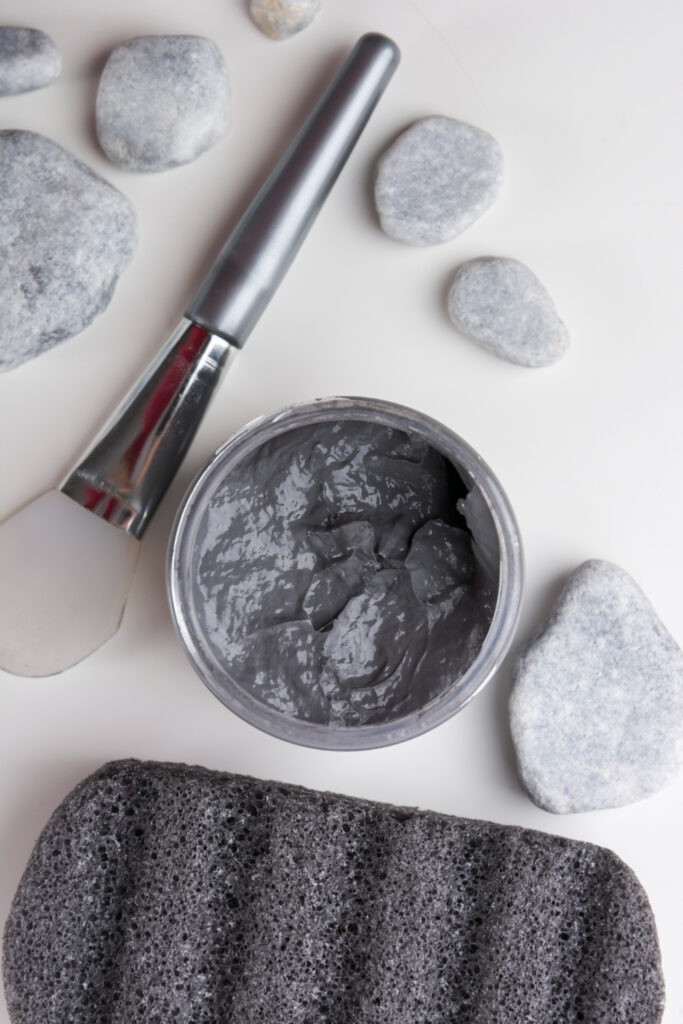
Kaolin clay is a soft, fine-grained clay mineral that has been used in skincare for centuries. In TiO2-free formulations, it brings:
- Oil absorption, which reduces shine in powder and pressed products
- A natural mattifying effect on skin
- Mild coverage and skin-smoothing texture
- Gentle enough for the most sensitive skin types
It is not a UV filter and it is not as opaque as TiO2, but in loose powders, setting powders, and face masks it works well as a partial replacement and helps reduce the percentage of other actives needed in a formula.
Boron Nitride: The Newer Kid Worth Watching
Boron nitride is a synthetic mineral with a silky, slip-like feel on skin. It is showing up more in clean beauty formulations as a replacement for the smooth application feel that TiO2 helped deliver. It also has a slight brightening effect and reflects light softly, which helps in foundations and primers.
It is more expensive than most alternatives and not widely available at scale yet, but premium clean beauty brands have started using it as part of their alternative to titanium dioxide formulations that still feel luxurious and blendable.
Putting It Together: How Brands Are Actually Reformulating
Most successful TiO2-free products are not replacing it with one ingredient. They are building a system where each alternative to titanium dioxide handles one specific role TiO2 used to cover alone:
- Sun protection handled by non-nano zinc oxide at adequate concentration (15%+)
- Coverage and pigment handled by iron oxides matched to target shades
- Brightness and luminosity from synthetic mica
- Texture and skin feel from silica and boron nitride
- Oil control from kaolin clay in powder products
The result is a more complex formulation, often with slightly higher raw material costs, but one that holds up to clean beauty standards globally and avoids the nano-inhalation concerns that have made TiO2 controversial in spray and powder formats.
What to Check Before You Finalize a TiO2-Free Formula?
Switching ingredients sounds straightforward on paper. In practice, changing even one pigment or functional filler can affect texture, stability, shade accuracy, and SPF performance. A few things worth validating before you go to production:
- SPF testing – If zinc oxide is your primary UV filter, you need verified SPF testing on the final formula. The concentration and particle size both affect the actual protection delivered
- Shade matching – Iron oxide ratios need careful calibration across your shade range. What looks right in a light foundation shade can pull too warm or too cool in deeper shades
- Stability under heat and light – Some mica and iron oxide blends behave differently than TiO2 under accelerated stability testing, especially in water-based emulsions
- Skin feel across skin types – Zinc oxide at high concentrations can feel heavy. Silica and boron nitride ratios need adjusting based on whether the product is targeting dry, oily, or combination skin
- Regulatory compliance by market – If you are selling in the EU, check each substitute against EU Cosmetics Regulation Annex IV for permitted colorants and UV filters. Zinc oxide is approved but has its own concentration limits in the EU
Wrapping Up
For cosmetics and personal care manufacturers sourcing zinc oxide, synthetic mica, iron oxides, silica, or other titanium dioxide alternative raw materials at scale, Elchemy connects formulators with verified global suppliers offering complete quality documentation and consistent supply.