

At a Glance
- Potassium citrate is potassium combined with citric acid; potassium gluconate pairs potassium with gluconic acid
- Both deliver equivalent potassium content (~94% absorption) but differ in solubility, metabolic fate, and functional applications
- Potassium citrate excels in kidney stone prevention and urinary alkalinization; potassium gluconate targets general potassium deficiency with superior gastrointestinal tolerance
- Citrate has higher water solubility enabling rapid GI absorption; gluconate absorbs more slowly but provides sustained potassium release
- Potassium citrate market: $848M-1.2B (2024), projected $1.2B-2.5B (2033) at 3.8-4.5% CAGR; driven by pharmaceutical (55%), food/beverage (30%), personal care (15%)
- Potassium gluconate market: $500M-1.2B (2024), projected $800M-2.3B (2033) at 4-7.2% CAGR; led by dietary supplements (60%), pharmaceuticals (25%), food fortification (15%)
- Selection between forms depends on therapeutic objective: citrate for kidney/urinary issues, gluconate for straightforward potassium supplementation
- FDA-approved, GRAS status for food use; both comply with dietary supplement regulations
Manufacturers, supplement formulators, and industrial purchasers frequently encounter the question: is potassium gluconate the same as potassium citrate? The answer reveals an important distinction in chemistry, bioavailability, market positioning, and optimal use cases. While both potassium salts deliver the essential mineral, the difference between potassium citrate and potassium gluconate drives meaningful divergence in therapeutic applications, food industry use, and industrial sourcing strategy.
Understanding these differences matters for ingredient decision-making. A formulators selecting potassium for a sports hydration beverage makes a different choice than a pharmaceutical manufacturer developing a kidney stone prevention product. A food processor regulating acidity has different requirements than a dietary supplement maker addressing electrolyte balance in aging populations. These distinctions rest on chemistry, absorption kinetics, metabolic processing, and regulatory positioning.
The Chemical Foundation: What Distinguishes Citrate from Gluconate
The fundamental difference between potassium citrate and potassium gluconate lies in the organic acid paired with the potassium cation. This apparently minor chemical distinction cascades into practical consequences for absorption, metabolism, bioavailability, and therapeutic effects.
Potassium citrate consists of three potassium cations (K⁺) bound to citrate anions (C₆H₅O₇³⁻), the salt form of citric acid. Chemically, this structure allows citrate to function as a buffer, alkalizing agent, and complexing agent—properties that extend its utility beyond simple mineral supplementation.
Potassium gluconate pairs potassium cations with gluconate anions (C₆H₁₁O₇⁻), the salt form of gluconic acid, a pentose sugar acid. This structure creates a more neutral compound, reducing the alkalizing effect characteristic of citrate formulations.
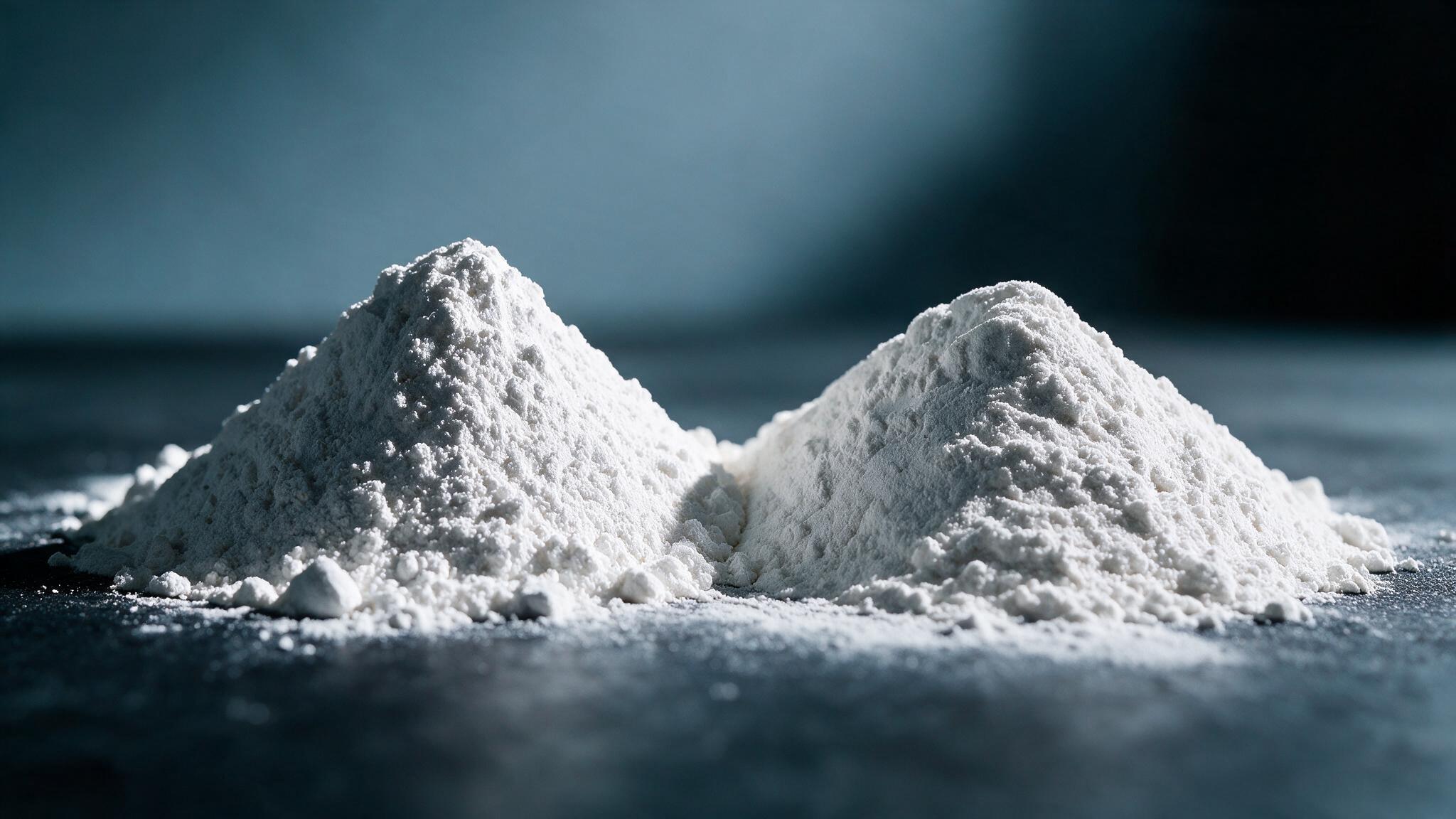
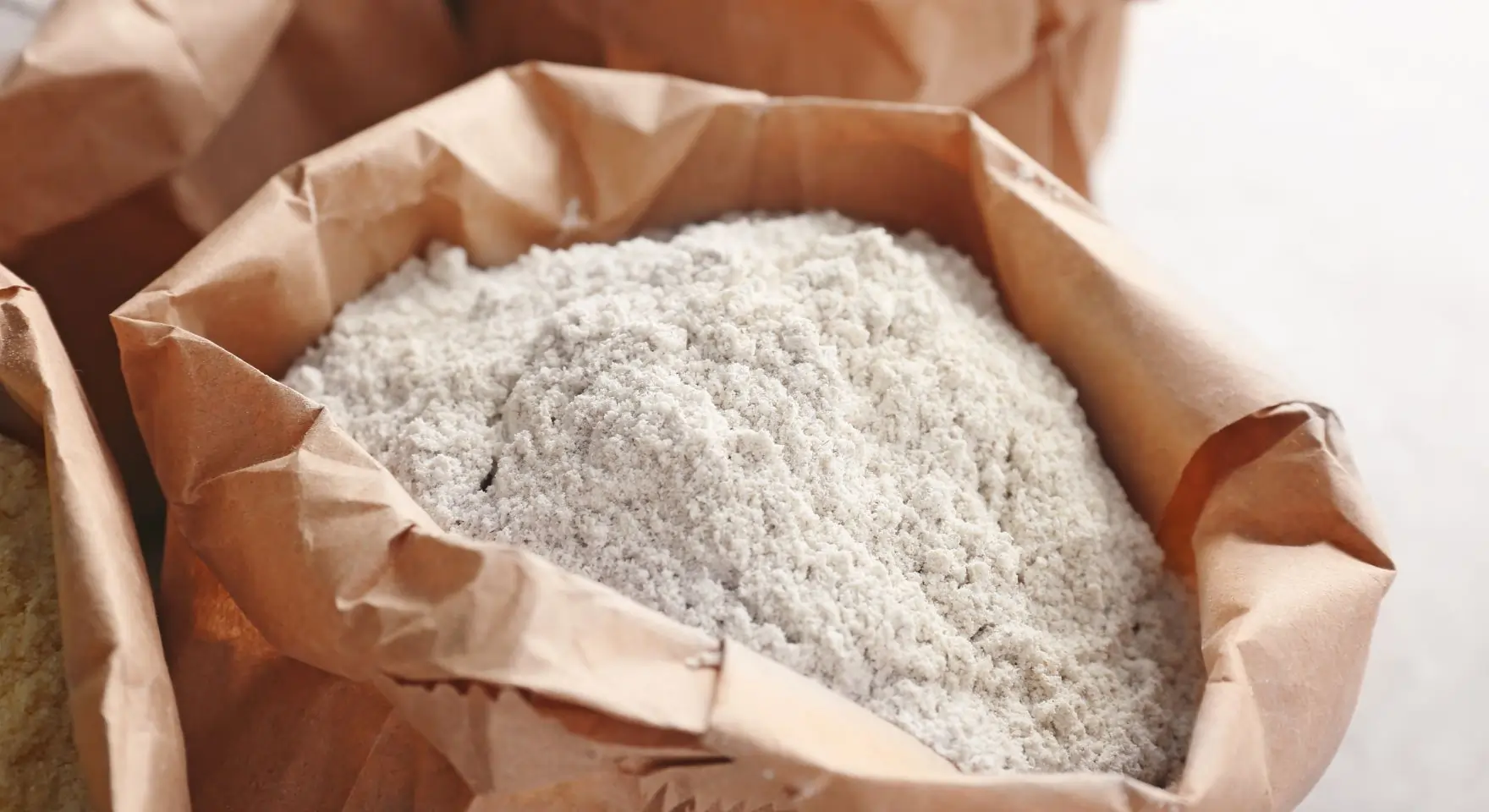
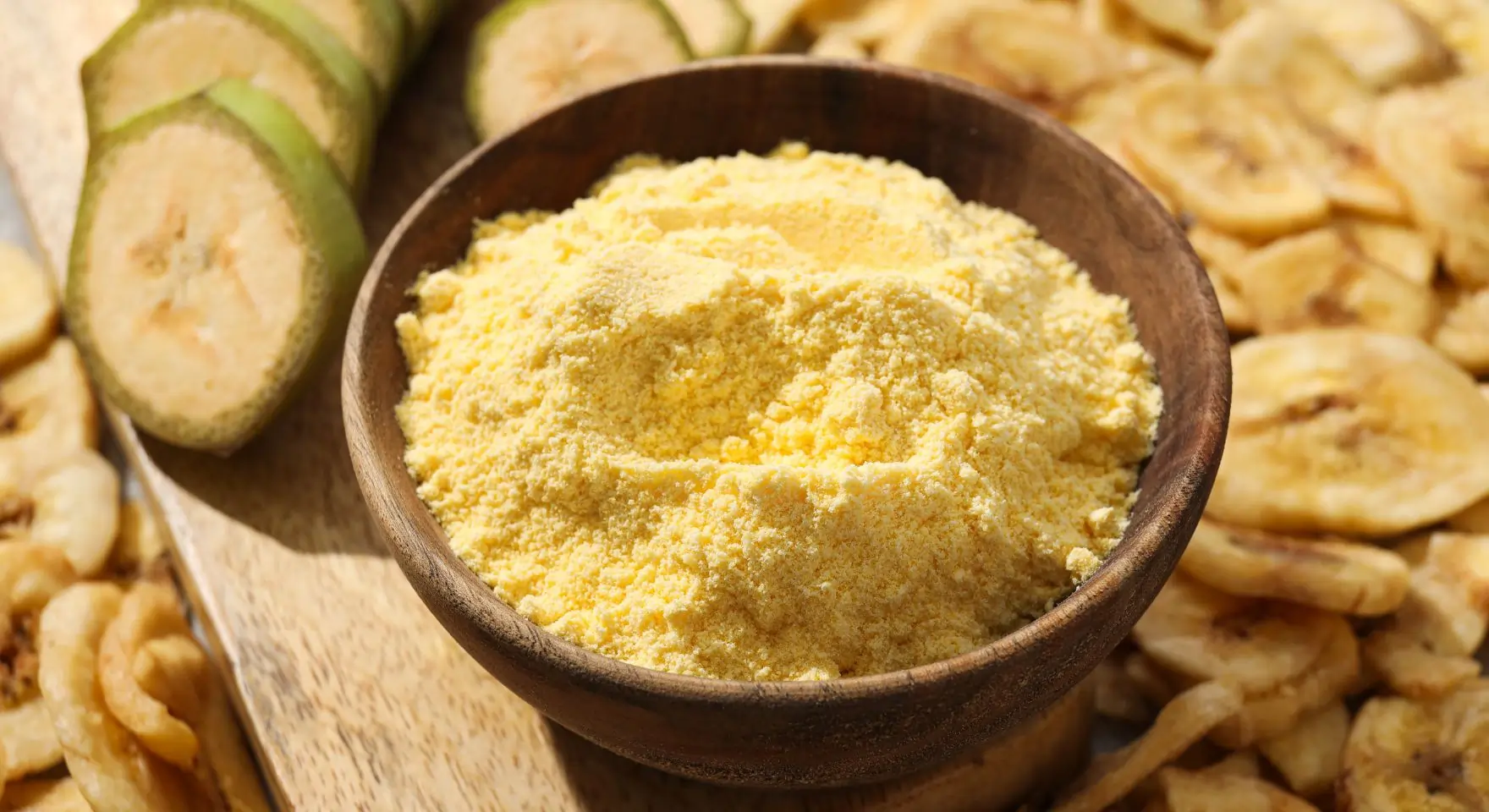
Physically, potassium citrate forms white or transparent crystalline structures, whereas potassium gluconate precipitates as yellowish-white granules. This morphological difference reflects the underlying chemical architecture and influences bulk density, flowability, and processing characteristics for industrial applications.
Both compounds are odorless, soluble in water, and possess a salty taste. However, their solubility profiles diverge meaningfully: potassium citrate exhibits significantly higher water solubility (approximately 165 g/100 mL at 20°C), while potassium gluconate shows more moderate solubility (approximately 50-60 g/100 mL). This solubility difference becomes practically important in formulation design, absorption kinetics, and product stability.
Bioavailability and Absorption: Kinetics Drive Functional Differences
Despite equivalent potassium content, citrate and gluconate differ in how the body absorbs and utilizes the potassium. Clinical research demonstrates both forms achieve approximately 94% bioavailability—a high absorption rate indicating efficient mineral uptake. However, the absorption kinetics diverge.
Potassium citrate’s superior water solubility enables rapid dissolution in the gastrointestinal tract, creating faster peak blood potassium concentrations. This rapid absorption profile suits acute potassium replacement scenarios (renal tubular acidosis, acute hypokalemia) where prompt elevation of serum potassium becomes therapeutically necessary. The trade-off appears as gastrointestinal side effects in some individuals: nausea, stomach irritation, or loose stools occur more frequently with citrate, particularly at dosages exceeding 600 mg daily.
Potassium gluconate’s more moderate solubility creates a slower absorption pattern, resulting in delayed peak blood concentrations but extended absorption windows. This sustained-release characteristic proves advantageous for chronic supplementation, where steady-state potassium maintenance matters more than rapid loading. Notably, gluconate consistently demonstrates superior gastrointestinal tolerance; clinical trials report GI side effects in only 3-5% of gluconate users versus 8-15% of citrate users at equivalent potassium doses.
The absorption kinetics reflect a fundamental pharmacological principle: rapid concentration spikes overwhelm GI buffer capacity, generating irritation, whereas gradual absorption allows intestinal adaptation. For manufacturers developing long-term supplementation products, gluconate’s gentler profile justifies its market dominance in dietary supplement applications.
Food consumption modulates absorption kinetics for both forms. Taking either salt with meals slightly delays absorption (5-15 minutes) but substantially improves gastrointestinal tolerance without reducing total bioavailability. This tolerance benefit drives common label recommendations to “take with food,” advice that proves more critical for citrate formulations.
Metabolic Fate: Where Chemistry Diverges Beyond the Gut
After intestinal absorption delivers potassium into systemic circulation, the citrate and gluconate moieties follow distinct metabolic pathways, creating divergent physiological effects.
Citrate enters hepatic metabolism and converts to bicarbonate (HCO₃⁻), an alkalizing agent that raises blood pH and urine pH. This alkalizing property proves therapeutically valuable for conditions benefiting from urinary alkalinization: kidney stone prevention (by reducing calcium crystal precipitation), renal tubular acidosis management, and certain metabolic acidosis presentations. The citrate itself—independent of potassium content—participates in kidney stone prevention by complexing calcium ions, reducing their availability for crystal formation.
Gluconate follows a different metabolic trajectory, converting primarily to glucose through oxidative deamination in hepatic mitochondria. This glucose production carries minor metabolic significance in potassium-supplemented individuals but becomes relevant in diabetic populations or those requiring strict carbohydrate control. Gluconate’s conversion to glucose avoids alkalinization, making it suitable for patients where pH elevation would prove undesirable (those with baseline alkalemia, for instance).
These metabolic differences explain clinical scenario-dependent selection. Formulating a product for general potassium deficiency supplementation? Gluconate’s metabolic neutrality and superior tolerability typically prevail. Developing a therapeutic product targeting kidney stone prevention? Citrate’s combination of potassium delivery plus citrate’s direct kidney stone-prevention mechanism becomes necessary.
Market Segmentation: Where Each Potassium Salt Dominates
The global markets for potassium citrate and potassium gluconate reflect different end-use distributions, driving distinct supplier strategies and pricing dynamics.
Potassium citrate commands the larger overall market value ($848 million to $1.2 billion in 2024) but grows more slowly (3.8-4.5% CAGR through 2033). Pharmaceutical applications represent 55% of citrate demand, concentrated in kidney stone prevention products and therapies for renal tubular acidosis. These pharmaceutical applications remain relatively mature and consolidated, with limited growth runway. Food and beverage applications consume 30% of potassium citrate, where it functions as an acidity regulator, buffering agent, and flavor enhancer in carbonated beverages, processed cheese, and confectionery products. Personal care applications (cosmetics, skincare) represent 15%, leveraging citrate’s buffering and pH-control properties.
Potassium gluconate demonstrates faster market growth (4-7.2% CAGR) from a smaller base ($500 million to $1.2 billion in 2024). Dietary supplements dominate at 60% of consumption, reflecting gluconate’s preferred position in over-the-counter potassium supplementation for cardiovascular support, electrolyte balance, and general wellness. Pharmaceuticals consume 25%, primarily liquid formulations for patients with gastrointestinal disorders or enteral feeding requirements. Food fortification applications (15%) position gluconate in functional beverages, sports drinks, and nutritionally enriched food products targeting health-conscious consumers.
This market segmentation reveals a strategic opportunity for ingredient suppliers: potassium gluconate demand from the dietary supplement sector is accelerating faster than potassium citrate demand from mature pharmaceutical and food applications. Supply chain investments prioritizing gluconate availability align with faster-growing market segments.
Geographically, North America dominates both markets due to established pharmaceutical/nutraceutical infrastructure, high health awareness, and regulatory clarity supporting dietary supplement adoption. Asia-Pacific emerges as the fastest-growing region for both salts, driven by aging populations, rising chronic disease prevalence, and increasing supplement consumption in developed Asian economies.
Therapeutic and Industrial Applications: Decision Matrix
Understanding when to specify potassium citrate versus gluconate requires evaluating the application’s primary objective.
Kidney Stone Prevention and Urinary Health: Potassium citrate is non-negotiable. Clinical evidence demonstrates citrate reduces calcium stone formation by approximately 74% through urinary pH alkalinization and calcium complexation. Gluconate lacks these kidney stone-specific benefits; citrate’s inclusion becomes a therapeutic requirement, not a formulation choice. Marketed products explicitly state citrate content and emphasize kidney stone prevention as a key benefit.
Potassium Deficiency Supplementation: Gluconate demonstrates superior performance. For straightforward hypokalemia treatment or chronic potassium maintenance, gluconate’s gastrointestinal tolerability, sustained-release absorption kinetics, and lower cost justify preferential selection. Clinical scenarios where rapid potassium loading becomes necessary (acute symptomatic hypokalemia, paralysis risk) favor citrate’s rapid absorption profile, but these represent a small subset of overall potassium supplementation use cases.
Food and Beverage Fortification: Citrate’s higher solubility and flavoring properties position it preferentially in clear beverages, carbonated drinks, and products where acidification adds consumer appeal. Gluconate suits applications where neutral pH profiles matter more, such as fortified juices or sports drinks emphasizing smooth taste over tartness.
Acidity Regulation and pH Control: Citrate excels. Its buffering capacity and acidulant properties make it the ingredient of choice for food processors seeking simultaneous pH control and potassium fortification. Gluconate lacks comparable acidulant properties and remains suboptimal for pH-driven applications.
Geriatric and GI-Sensitive Populations: Gluconate dominates. Elderly patients often experience reduced gastric acid secretion and heightened GI sensitivity; gluconate’s gentler profile substantially reduces adverse effects in these demographics. Long-term care facilities and products targeting aging populations preferentially specify gluconate.
Sports Nutrition and Electrolyte Replacement: Both compete, with selection depending on secondary objectives. Formulations emphasizing rapid electrolyte repletion favor citrate’s absorption kinetics; those prioritizing sustained release and minimal GI disturbance favor gluconate.
Regulatory Status and Compliance Landscape
Both potassium citrate and potassium gluconate maintain well-established regulatory positions in major markets, facilitating straightforward commercialization.
In the United States, both compounds hold FDA GRAS (Generally Recognized As Safe) status when used as food additives at specified levels. Potassium citrate is approved as an acidity regulator, buffering agent, and nutrient supplement. Potassium gluconate is approved as a nutrient supplement and food additive. These GRAS determinations eliminate the requirement for pre-market FDA approval, enabling rapid product development and market entry for manufacturers.
As dietary supplement ingredients, both compounds fall under DSHEA (Dietary Supplement Health and Education Act) provisions, allowing their use in over-the-counter formulations with appropriate labeling. Manufacturers must ensure potency claims reflect actual content (verified through third-party testing), and disease treatment claims remain prohibited, though structure-function claims are permissible (e.g., “supports cardiovascular function”).
Pharmaceutical applications in prescription formulations require higher regulatory scrutiny. Potassium citrate maintains approval as a prescription and over-the-counter medication for kidney stone prevention and renal tubular acidosis. Potassium gluconate appears in pharmaceutical formulations primarily as a component of electrolyte replacement solutions, particularly liquid formulations for pediatric and elderly populations where tablet swallowing proves difficult.
International regulatory frameworks (European Union, Health Canada, Australia) similarly recognize both compounds with established safety documentation and permitted use levels. This regulatory clarity minimizes compliance friction for suppliers serving multinational manufacturers.
Quality specifications center on potassium content verification (typically via atomic absorption spectroscopy or inductively coupled plasma mass spectrometry), identity confirmation through infrared spectroscopy, and contaminant testing (heavy metals, microbial pathogens, moisture content). Suppliers meeting USP (United States Pharmacopeia) or EP (European Pharmacopoeia) standards demonstrate alignment with pharmaceutical-grade quality expectations, commanding premium pricing.
Market Opportunity and Sourcing Strategy for Manufacturers
The divergent growth trajectories of potassium citrate and potassium gluconate create distinct sourcing implications for ingredient manufacturers and buyers.
Potassium citrate sourcing remains stable with mature supply channels. Established producers including Cargill, Jungbunzlauer, Gadot Biochemical, and Citrique Belge maintain consistent production capacity and pricing discipline. For buyers, this market maturity offers supply reliability and competitive pricing, with wholesale pricing typically ranging $2.50-5.00 per kilogram for pharmaceutical-grade material. The modest growth rate (3.8-4.5% CAGR) suggests limited capacity expansion on the horizon; manufacturers should lock in supply relationships to ensure uninterrupted access.
Potassium gluconate presents a growth opportunity requiring supply chain investment. The faster growth rate (4-7.2% CAGR) and emerging applications in functional beverages and personalized supplementation create supply-constrained scenarios. Current wholesale pricing ranges $3.00-6.00 per kilogram, with premium formulations (enhanced bioavailability, organic sourcing) commanding $7.00-10.00 per kilogram. Supply chain partnerships securing reliable gluconate availability at competitive pricing position forward-thinking manufacturers advantageously as demand accelerates.
Both compounds face sourcing challenges from citric acid and gluconic acid feedstock availability. Fluctuating citric acid prices (particularly amid Asian production disruptions) transmit directly to potassium citrate costs. Gluconic acid sourcing remains more stable, as gluconate typically derives from fermentation of glucose, benefiting from commodity corn/grain prices less volatile than citric acid sourcing.
For Elchemy’s supplier network, both compounds represent essential inventory items. Potassium gluconate demand trajectories suggest inventory allocation favoring gluconate expansion—aligning with fastest-growing market segments. Strategic partnerships with supplement manufacturers, sports nutrition brands, and functional beverage producers create pull-through demand for gluconate products differentiated by rapid batch certification, bioavailability optimization, and clean-label sourcing credentials.
Conclusion
Potassium citrate and potassium gluconate are not interchangeable despite both delivering the essential mineral potassium. Chemical differences—citrate’s higher solubility and alkalizing properties versus gluconate’s sustained-release profile and gastrointestinal tolerance—drive application-specific selection logic.
Potassium citrate excels where direct therapeutic benefit flows from the citrate component: kidney stone prevention, urinary alkalinization, and acidity regulation. Established pharmaceutical markets and mature food additive applications characterize citrate’s positioning.
Potassium gluconate dominates in general potassium supplementation, where gentle absorption, sustained delivery, and superior tolerability favor chronic supplementation use cases. Accelerating dietary supplement market growth and emerging functional food applications position gluconate for faster expansion through 2033.
For ingredient suppliers, manufacturers, and formulators, the divergent market dynamics create complementary sourcing strategies: secure potassium citrate supply relationships ensuring reliable access to mature applications, while simultaneously investing in potassium gluconate supply chain development to capture accelerating demand in the fastest-growing supplemental potassium segment.
For Elchemy’s supplier partners developing potassium-containing formulations across pharmaceutical, dietary supplement, food, and beverage applications, both potassium citrate and potassium gluconate are available in pharmaceutical-grade specifications with complete identity verification, potency certification, and compliance documentation supporting FDA labeling requirements and international regulatory frameworks. Technical support for formulation optimization, bioavailability enhancement, and application-specific dosing recommendations ensures successful product development across cardiovascular support, kidney health, electrolyte balance, and functional beverage platforms