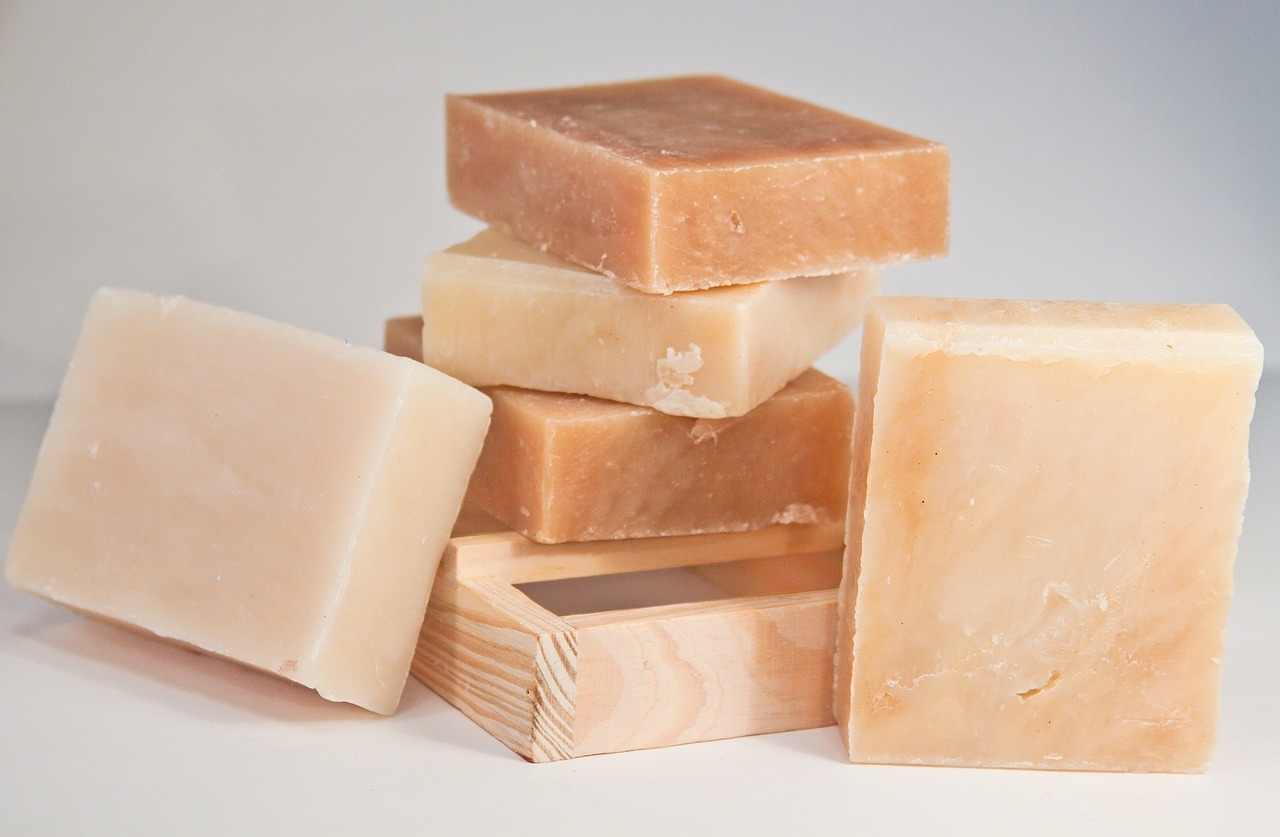


Your grandmother probably made soap with wood ash. Not as a rustic hobby, but out of necessity. She soaked those ashes in water, strained the liquid, and mixed it with animal fat. What she created was the original liquid soap, made possible by potash.
That same chemistry powers modern liquid soap production today. The wood ash extraction has been replaced by industrial manufacturing, but potassium hydroxide (the chemical name for caustic potash) remains the go-to ingredient for creating soft, creamy, liquid soaps that dominate store shelves.
Understanding potash in soap making opens up the world of liquid soap formulation. Whether you’re a hobbyist crafting small batches or formulating commercial products, knowing how this powerful alkali works makes the difference between mediocre results and professional-quality soap.
At a Glance
- Potash (potassium hydroxide, KOH) creates liquid and soft soaps through saponification of fats and oils
- Commercial potash comes in 90% purity flakes or pellets, unlike sodium hydroxide which makes hard bar soaps
- Typical soap recipes use 0.18-0.20 grams of KOH per gram of oil, varying by fatty acid composition
- Liquid soaps made with potash contain more active cleaning agents since they require less water to liquefy
- The saponification reaction with potash is exothermic, releasing heat that speeds up soap formation
- Uses of caustic potash extend beyond soap making to fertilizers, batteries, pH adjustment, and industrial cleaning
- Safety requires protective equipment as potash is highly caustic with pH around 14 in concentrated solutions
What Makes Potash Different from Regular Lye
Let’s clear up the confusion. When people talk about “lye” in soap making, they’re usually referring to sodium hydroxide (NaOH). That’s what creates hard bar soaps. Potash is potassium hydroxide (KOH), a completely different chemical that produces soft, paste-like, or liquid soaps.
Both are strong alkalis. Both work through the same saponification process. But the final products behave very differently because of the metal ion involved. Sodium creates firm molecular structures. Potassium creates looser, more soluble arrangements.
The name “potash” comes from its historical production method. Old-time soap makers would leach wood ashes in large pots. The resulting potassium carbonate solution was called “pot ash.” When mixed with slaked lime (calcium hydroxide), it converted to potassium hydroxide, the caustic potash used in soap making.
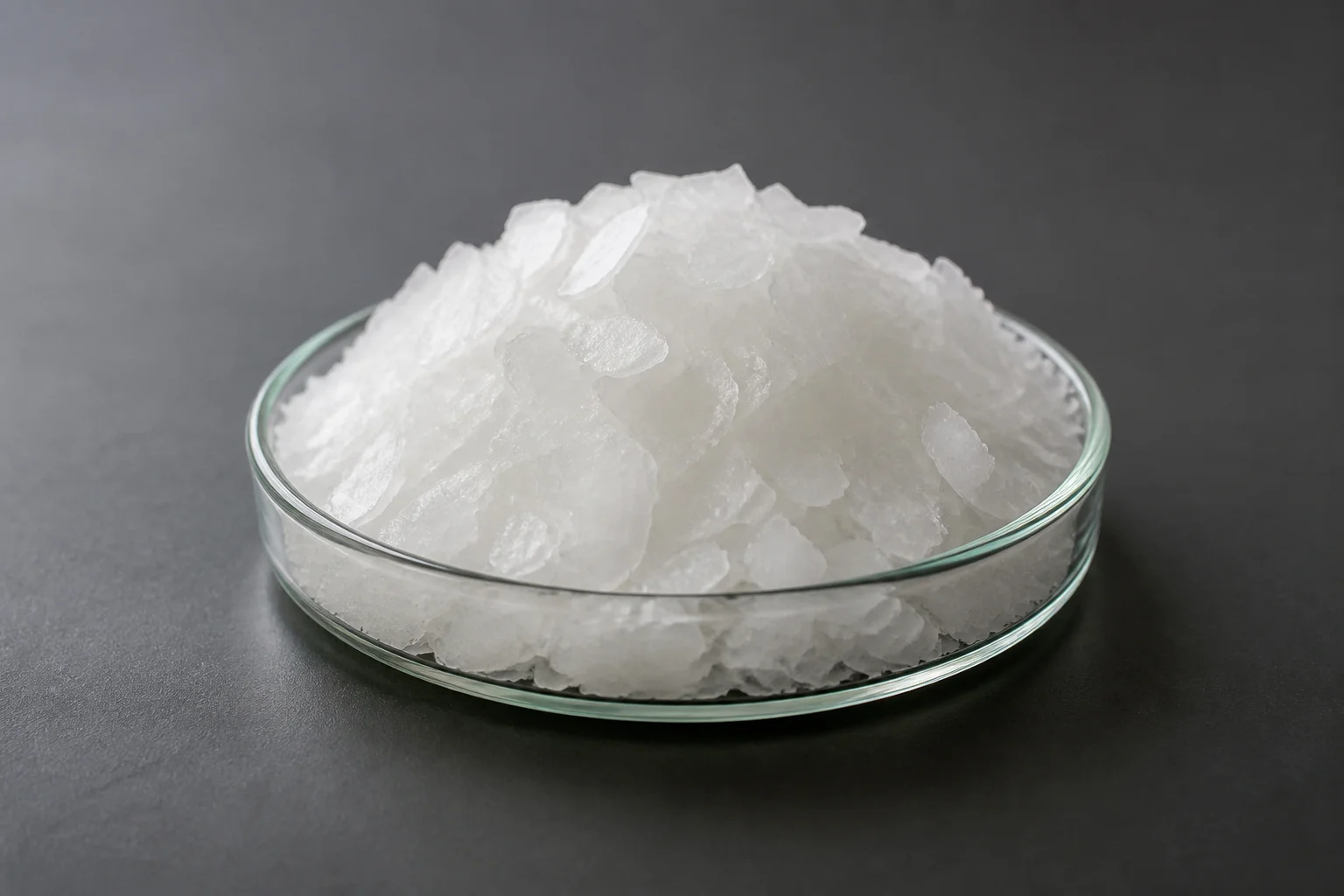
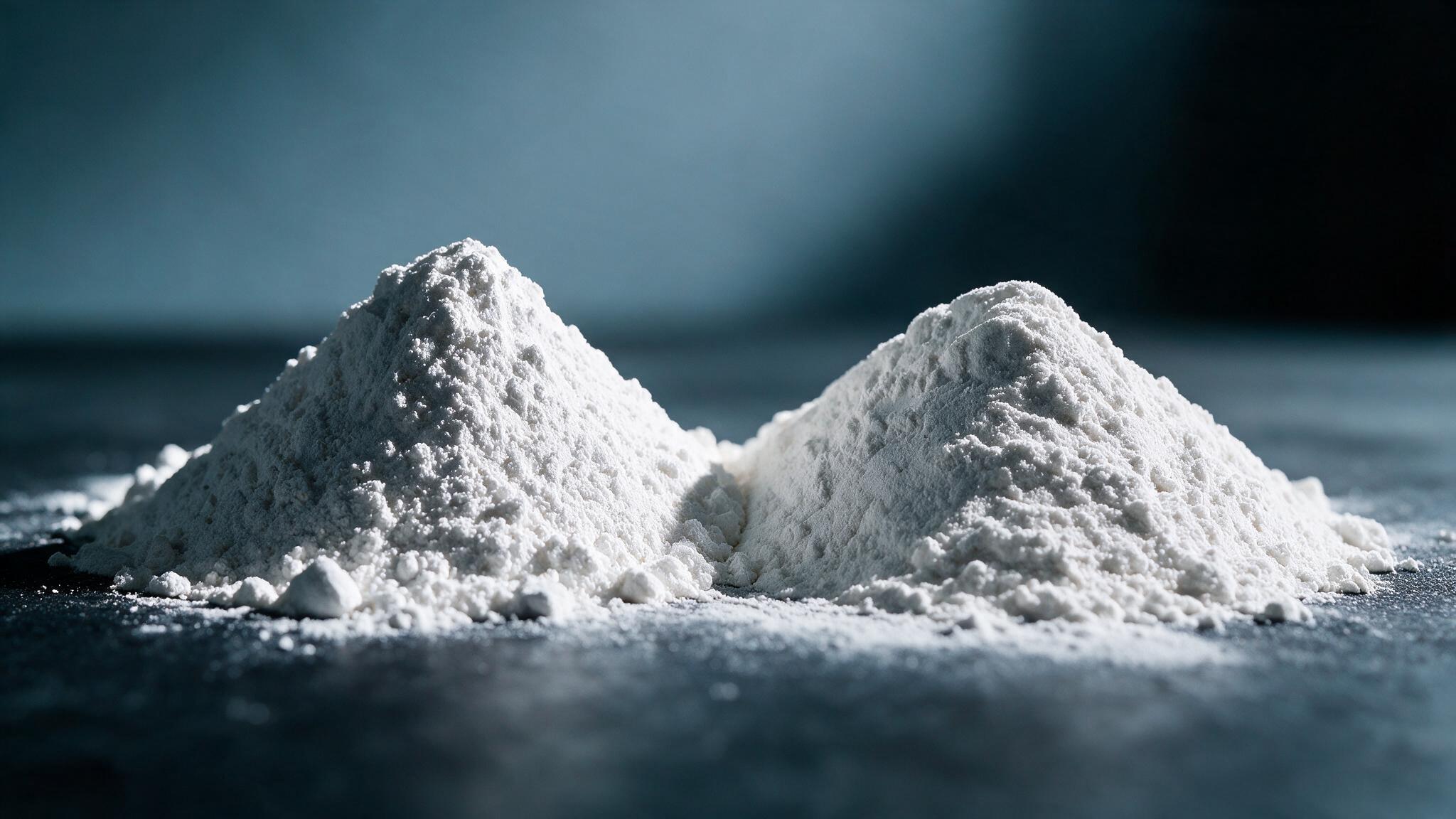
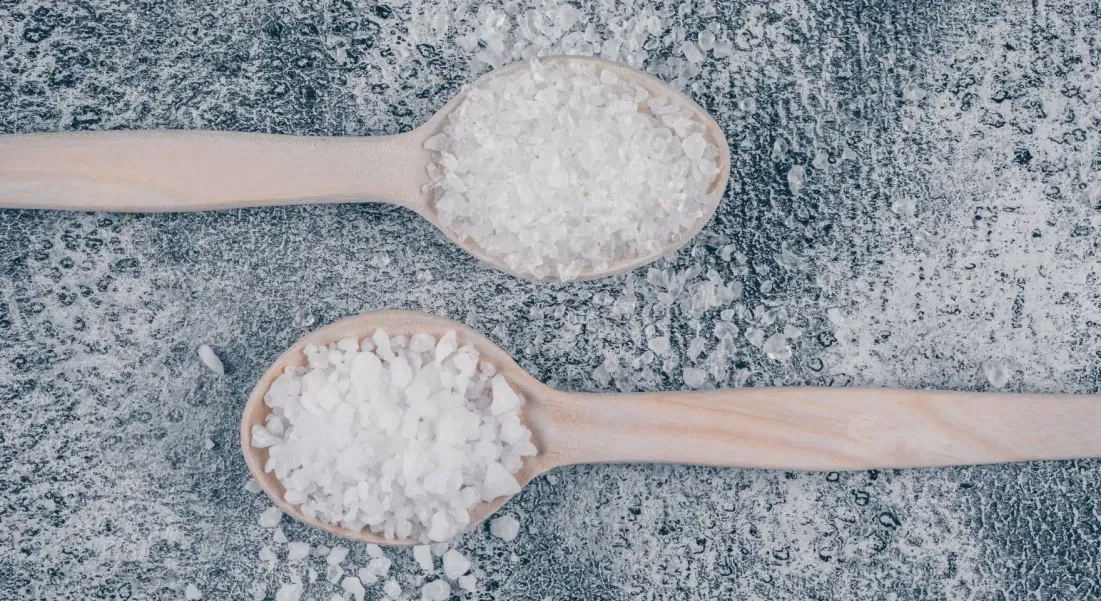
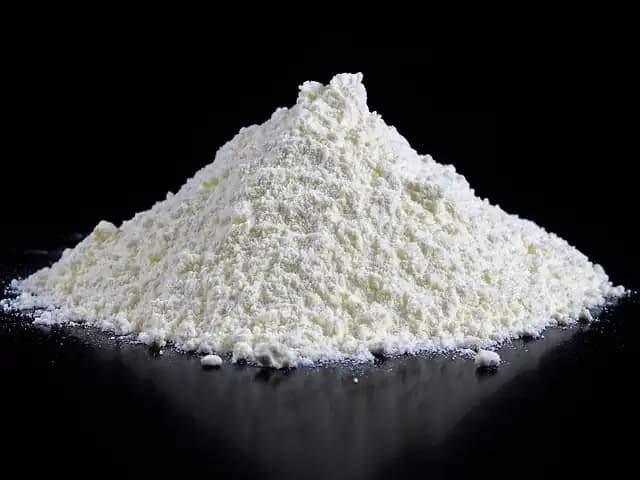
Modern production uses electrolysis of potassium chloride, the same basic process that creates sodium hydroxide but with potassium instead of sodium as the starting material. The result is a white solid available as flakes, pellets, or powder at 85-90% purity.
Chemical Properties That Matter for Soap Making
Molecular Structure and Reactivity
Potassium hydroxide has the chemical formula KOH. It’s an ionic compound with a potassium cation (K⁺) and hydroxide anion (OH⁻). When dissolved in water, it completely dissociates into these ions, creating a strongly alkaline solution with pH around 14.
The hydroxide ions are what make saponification happen. They attack the ester bonds in triglycerides (fats and oils), breaking them apart. This releases fatty acid chains that immediately bond with the potassium ions, creating potassium soap molecules. Glycerin forms as a byproduct.
Solubility and Hygroscopic Nature
Potash is extremely soluble in water. Drop a flake into water and it dissolves almost instantly, releasing considerable heat. This exothermic reaction can raise the temperature of the solution by 20-30°F quickly.
The compound is also highly hygroscopic, meaning it pulls moisture from the air. Leave a container of potash open and it’ll absorb water vapor, eventually liquefying into a concentrated solution. This is why storage in airtight containers is critical.
Heat Generation During Saponification
The saponification reaction with potash is exothermic. When you mix KOH solution with oils, the temperature rises. This heat actually helps the reaction proceed faster. Many soap makers use this to their advantage in hot process methods where the heat speeds up full saponification.
The reaction with sodium hydroxide is slightly more exothermic, but potash generates enough heat to matter. Working with cold ingredients and good ventilation prevents overheating and dangerous situations.
Potash Properties vs Sodium Hydroxide
| Property | Potassium Hydroxide (KOH) | Sodium Hydroxide (NaOH) |
| Chemical Formula | KOH | NaOH |
| Molecular Weight | 56.11 g/mol | 40.00 g/mol |
| Typical Purity | 85-90% (flakes/pellets) | 97-99% (beads/flakes) |
| Water Solubility | Highly soluble (121g/100ml at 25°C) | Highly soluble (111g/100ml at 25°C) |
| pH of 1M Solution | ~14 | ~14 |
| Soap Type Produced | Soft, liquid, paste | Hard, solid bars |
| Cost Per Pound | $3-5 | $1.50-3 |
How Saponification Works with Potash in Soap
The chemistry is straightforward but elegant. Fats and oils are triglycerides, three fatty acid chains attached to a glycerol backbone through ester bonds. Potash breaks those ester bonds.
Here’s the step-by-step:
Dissolution: Potash flakes dissolve in water, creating K⁺ and OH⁻ ions Nucleophilic Attack: Hydroxide ions attack the carbonyl carbons in ester bonds Bond Cleavage: Ester bonds break, releasing fatty acid chains and glycerol Salt Formation: Fatty acids combine with potassium ions to form potassium soap Completion: Full saponification leaves no free lye, just soap and glycerin
The reaction equation looks like this: Triglyceride + 3 KOH → 3 Potassium Soap + Glycerin
Unlike sodium soaps, potassium soaps have greater solubility in water. The potassium ion creates a looser molecular structure compared to sodium. This is why potassium soaps can contain more cleaning agent per volume since they need less water to remain liquid.
Benefits of Using Potash in Soap Making
Superior Liquid Soap Production
Potash is the only practical choice for true liquid soaps. Trying to make liquid soap with sodium hydroxide creates a separated, unstable mess. The potassium soaps stay homogeneous and pourable even at high concentrations.
Professional liquid soap makers can create 30-40% active surfactant solutions with potash-based soaps. That concentration would be impossible with sodium soaps without excessive water that dilutes cleaning power.
Gentler on Skin
Potassium soaps tend to feel milder on skin compared to sodium soaps. The softer molecular structure creates less of the tight, squeaky-clean feeling that sometimes irritates sensitive skin. Many formulators prefer potash for facial cleansers and baby products.
The higher solubility also means potassium soaps rinse away more completely, leaving less residue that can cause irritation or dryness.
Faster Saponification in Hot Process
Hot process soap making with potash proceeds quickly. The combination of alkalinity, heat generation, and good mixing can complete saponification in 1-3 hours versus 4-6 weeks of curing needed for cold process sodium soap bars.
This speed allows same-day production. Mix your oils and potash solution, cook them together, dilute to desired consistency, and you’ve got usable liquid soap within hours.
Versatile Formulation Options
Potash opens up formulation flexibility. You can create:
- Thin, pourable liquid soaps for pump dispensers
- Thick, creamy body washes
- Soft paste soaps for jars
- Whipped soaps with fluffy textures
- Clear or translucent formulations
Adjust the water content and you control final consistency. More water gives flowing liquids. Less water creates pastes and creams.
Natural Fertilizer Byproduct
An unexpected benefit is the fertilizer value of potash. If you’re disposing of potash-based cleaning solutions or making agricultural soaps, the potassium content benefits plants. It’s one of the three primary nutrients (N-P-K) plants need.
Practical Uses of Caustic Potash Beyond Soap Making
The uses of caustic potash extend far beyond the soap pot. Understanding these applications shows why it’s such an important industrial chemical.
Agricultural Applications
Potash is a primary ingredient in potassium-based fertilizers. Plants require potassium for protein synthesis, photosynthesis, and water regulation. Agricultural-grade potassium hydroxide provides readily available potassium that adjusts soil pH while feeding crops.
Insecticidal soaps for organic farming use potassium soaps. These break down the protective cuticles of soft-bodied insects like aphids and whiteflies, controlling pests without synthetic chemicals. The soap degrades quickly, leaving no toxic residues.
Battery Manufacturing
Alkaline batteries use potassium hydroxide as the electrolyte. Its higher ionic conductivity compared to sodium hydroxide makes batteries perform better. Nickel-cadmium, nickel-metal hydride, and manganese dioxide-zinc batteries all rely on KOH electrolyte solutions.
The Toyota Prius hybrid battery uses a mixture of potassium and sodium hydroxide for optimal performance across temperature ranges.
Food Processing and pH Control
The FDA recognizes potassium hydroxide as Generally Recognized As Safe (GRAS) for food use. It adjusts pH, stabilizes products, and acts as a thickening agent in approved applications.
Cocoa processing, caramel color production, and chemical peeling of fruits and vegetables all use controlled amounts of caustic potash. The strong base neutralizes acids and modifies textures.
Industrial Cleaning and Degreasing
Heavy-duty cleaners contain 2-25% potassium hydroxide for removing protein-based soils, greases, and tough residues. Oven cleaners, drain openers, and industrial degreasers rely on its ability to break down organic materials through saponification.
The high pH dissolves fats, proteins, and many other contaminants that resist neutral cleaners. Meat processing facilities use potash-based cleaners extensively to maintain sanitary conditions.
Biodiesel Production
Making biodiesel from vegetable oils requires an alkaline catalyst to separate glycerin from the final fuel product. Potassium hydroxide works well for this transesterification reaction, especially when using waste oils.
The process is similar to soap making but stops at the intermediate stage before full saponification occurs.
Uses of Caustic Potash Across Industries
| Industry | Application | Typical Concentration | Key Benefit |
| Personal Care | Liquid soaps, shampoos, lotions | 1-5% | Mild cleansing, soft texture |
| Agriculture | Fertilizers, insecticidal soaps | 0.5-3% | Nutrient delivery, pest control |
| Food Processing | pH adjustment, thickening | 0.1-1% | Safe pH regulation |
| Battery Production | Electrolyte solutions | 30-45% | High ionic conductivity |
| Biodiesel | Catalyst for transesterification | 0.5-2% | Efficient glycerin separation |
| Industrial Cleaning | Degreasers, drain cleaners | 5-25% | Powerful organic soil removal |
Making Soap with Potash: The Practical Process
Calculating the Right Amount
Every oil requires a specific amount of potash for complete saponification. This is called the SAP value (saponification value). Olive oil needs about 0.1895 grams of KOH per gram of oil. Coconut oil requires 0.2565 grams per gram.
Most soap calculators handle this math automatically. Input your oil recipe and desired superfat percentage (extra oil left unsaponified for skin conditioning), and it outputs the exact potash weight needed.
For example, a recipe using 1000g of oils with an average SAP value of 0.19 needs 190g of potash for 0% superfat. Reduce that to 180.5g for a 5% superfat that leaves extra nourishing oils.
The Hot Process Method
Hot process is the most common approach for potash soaps:
- Weigh oils and heat to 160-180°F in a stainless steel pot
- Dissolve potash in distilled water (typically 1:3 ratio of potash to water)
- Slowly add potash solution to oils while stirring
- Cook the mixture at 160-180°F for 1-3 hours, stirring occasionally
- Test for completion using phenolphthalein (no color change means neutral)
- Dilute the paste with additional water to desired consistency
- Add fragrance and preservatives after the mixture cools below 140°F
The paste stage looks like translucent petroleum jelly. It’s concentrated soap that dilutes into liquid form.
The Cold Process Alternative
Cold process can work with potash but requires more patience. Mix the potash solution and oils at room temperature, blend until trace (light pudding thickness), and pour into molds.
The soap stays soft and paste-like even after curing. Most cold process potash makers add salt during blending to create harder bars. About 0.5-1 teaspoon of salt per pound of oils helps firm up the structure.
Dilution and Neutralization
The paste from hot process saponification is too concentrated for direct use. Dilute it with distilled water at ratios from 1:1 to 1:4 depending on desired thickness.
Heat helps dissolution. Warming the paste and water together to 160°F makes dilution faster. Stir thoroughly to prevent lumps.
If the finished soap tests too alkaline (pH above 10), neutralize with citric acid or borax. Small amounts adjusted carefully bring pH down to the ideal 9-10 range for skin-safe soap.
Safety Considerations When Working with Potash
Protective Equipment is Non-Negotiable
Potash is highly caustic. It can cause severe chemical burns on contact with skin or eyes. Splashes to the eyes can result in permanent blindness.
Always wear:
- Chemical-resistant gloves (nitrile or neoprene)
- Safety goggles or full face shield
- Long sleeves and pants
- Closed-toe shoes
- Apron to protect clothing
Work in a well-ventilated area. The fumes from mixing potash with water can irritate respiratory passages.
Mixing Protocol
Always add potash to water, never water to potash. This is critical. Adding water to concentrated potash can cause violent boiling and splashing.
Mix in a heat-resistant container. Glass or heavy-duty plastic works well. Stainless steel is ideal for larger batches. Avoid aluminum, which reacts with the strong alkali.
The solution heats up rapidly. Let it cool to room temperature before adding to oils unless your recipe specifically calls for hot lye solution.
Storage and Disposal
Store potash in airtight containers away from moisture, acids, and reactive metals. Label clearly as caustic material.
Small amounts of dilute potash solution can be neutralized with vinegar or citric acid before disposal down the drain with plenty of water. Check local regulations for larger quantities.
Expired or unwanted potash should go to hazardous waste collection, not regular trash. The caustic nature persists indefinitely.
Common Issues and Troubleshooting
Cloudy Liquid Soap
Cloudiness usually indicates incomplete saponification or soap that’s crashing out of solution. Reheat and test pH. If still alkaline, cook longer. If neutral, reduce dilution water slightly.
Separation or Layering
Separated soap means incompatible water and oil phases. This happens when:
- Insufficient mixing during saponification
- Too much superfat that won’t stay emulsified
- Wrong dilution ratio for the fatty acid profile
Reheat and blend vigorously. Adding a small amount of glycerin or propylene glycol can help stabilize difficult formulations.
Overly Thick or Paste-Like
Too little water in the final product creates paste instead of liquid. Simply add more distilled water and heat while stirring. The paste will absorb the water and thin out.
Skin Irritation from Finished Product
If your soap irritates skin, check pH. Anything above 10 is too alkaline. Neutralize carefully with citric acid solution.
Alternatively, the recipe might be too cleansing with insufficient superfat. Remake with 3-5% superfat to leave conditioning oils unsaponified.
Sourcing Quality Potash for Soap Making
Purity Grades Matter
Commercial potash comes in various purities:
- 85% technical grade: Suitable for industrial cleaning, not personal care
- 90% food grade: Acceptable for soap making, most common
- 95%+ pharmaceutical grade: Premium option for cosmetic formulations
The purity percentage affects how much active KOH you’re working with. Soap calculators typically assume 90% purity. If using different grades, adjust amounts accordingly.
Packaging and Forms
Potash is available as:
- Flakes: Easy to measure, dissolve quickly
- Pellets: Slower dissolving, less dusty
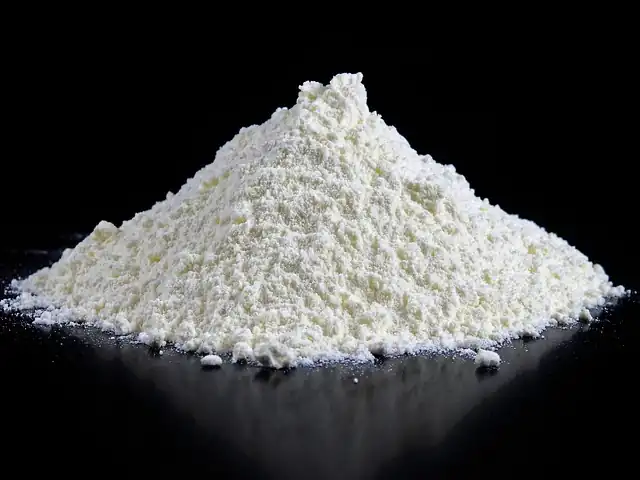
- Powder: Fast dissolving but creates dust
For soap making, flakes offer the best balance of ease and safety. They measure accurately and incorporate into water without excessive dust.
Packaging ranges from 2-pound hobby containers to 50-pound industrial pails. Buy amounts you’ll use within 6-12 months. Old potash that’s absorbed moisture becomes harder to work with.
Price Expectations
Expect to pay $3-5 per pound for food-grade potash in small quantities. Bulk purchases (25+ pounds) bring prices down to $2-3 per pound.
This is roughly double the cost of sodium hydroxide, but remember that potash enables liquid soaps that command premium pricing in the market.
Environmental and Sustainability Aspects
Potash-based soaps break down readily in the environment. The potassium soap molecules biodegrade through microbial action in wastewater treatment systems. The potassium itself provides nutrients for plant growth rather than accumulating as pollution.
This makes potash soaps preferable for environmentally sensitive applications. Agricultural insecticidal soaps, camping and outdoor recreation products, and marine-safe formulations all benefit from the biodegradable nature.
Modern potash production through electrolysis is energy-intensive but doesn’t create toxic byproducts beyond chlorine gas (which is captured and sold). The closed-loop manufacturing process recycles materials efficiently.
Historical production from wood ash was sustainable but labor-intensive. Some artisan soap makers still use this method, creating truly zero-waste soaps from renewable resources.
The Bottom Line on Potash in Soap
After 25 years working with chemical formulations, I can tell you that potash deserves its central role in liquid soap production. The chemistry is reliable. The results are predictable. The versatility allows formulations from gentle baby wash to industrial degreasers.
Potash in soap creates products with superior solubility, milder feel, and faster production compared to sodium-based alternatives. The uses of caustic potash extend far beyond cosmetics into agriculture, food processing, and industrial applications that touch daily life.
For anyone serious about liquid soap making, understanding potash chemistry is essential. The safety considerations are real but manageable with proper precautions. The formulation possibilities are limited only by creativity and market needs.
Whether you’re crafting small batches in your kitchen or scaling up to commercial production, potash provides the foundation for quality liquid soaps that perform well and satisfy users.
For businesses sourcing reliable chemical ingredients including food-grade and cosmetic-grade potassium hydroxide, Elchemy connects you with verified suppliers offering complete documentation, competitive pricing, and technical support for your soap making and formulation needs.