

Finding a reliable polyacrylamide supplier isn’t as simple as it sounds. You’d think with how widely this chemical is used across water treatment, oil recovery, mining, and agriculture, sourcing it would be straightforward. It’s not. Prices vary wildly by grade, ionic charge, molecular weight, and country of origin – and when you’re buying in bulk, getting any of that wrong is expensive.
The global polyacrylamide market hit roughly $4.5 billion in 2023, and it’s still growing. That means more suppliers, more product options, and honestly, more noise to cut through when you just want a quote you can trust.
This guide gives you the actual information: what drives polyacrylamide price per kg, how to vet manufacturers, what to watch for in bulk purchase agreements, and how platforms like Elchemy help industrial buyers skip weeks of supplier qualification work. Whether you’re procuring 500 kg or 50 tonnes a month, the core sourcing logic is the same. Let’s get into it.
What Is Polyacrylamide and Why Does Grade Matter?
Polyacrylamide – PAM for short – is a water-soluble polymer used primarily as a flocculant, coagulant aid, and rheology modifier. The basic chemistry is well-understood. What gets complicated fast is the variation in product form, and buyers who ignore it end up paying twice.
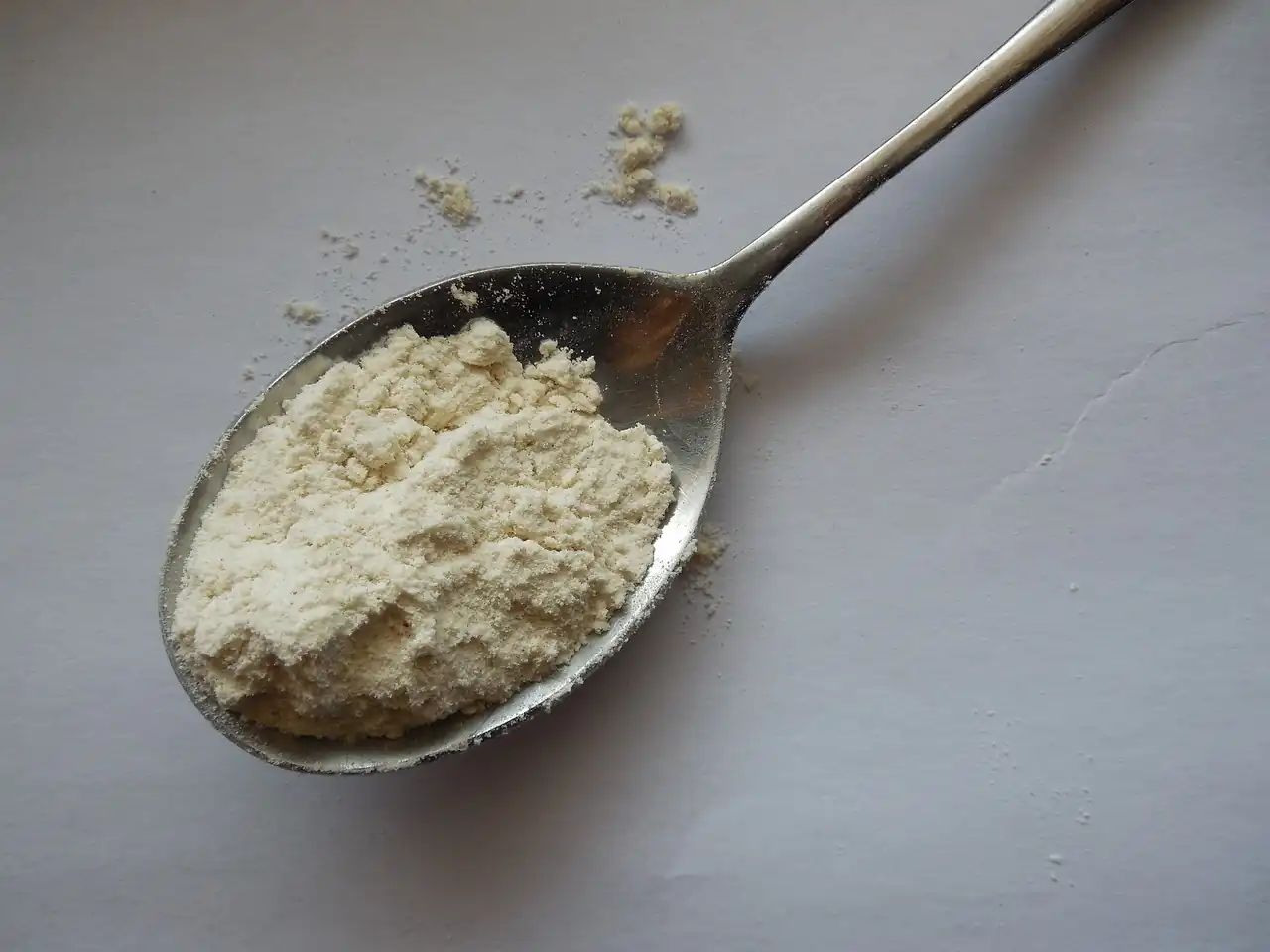
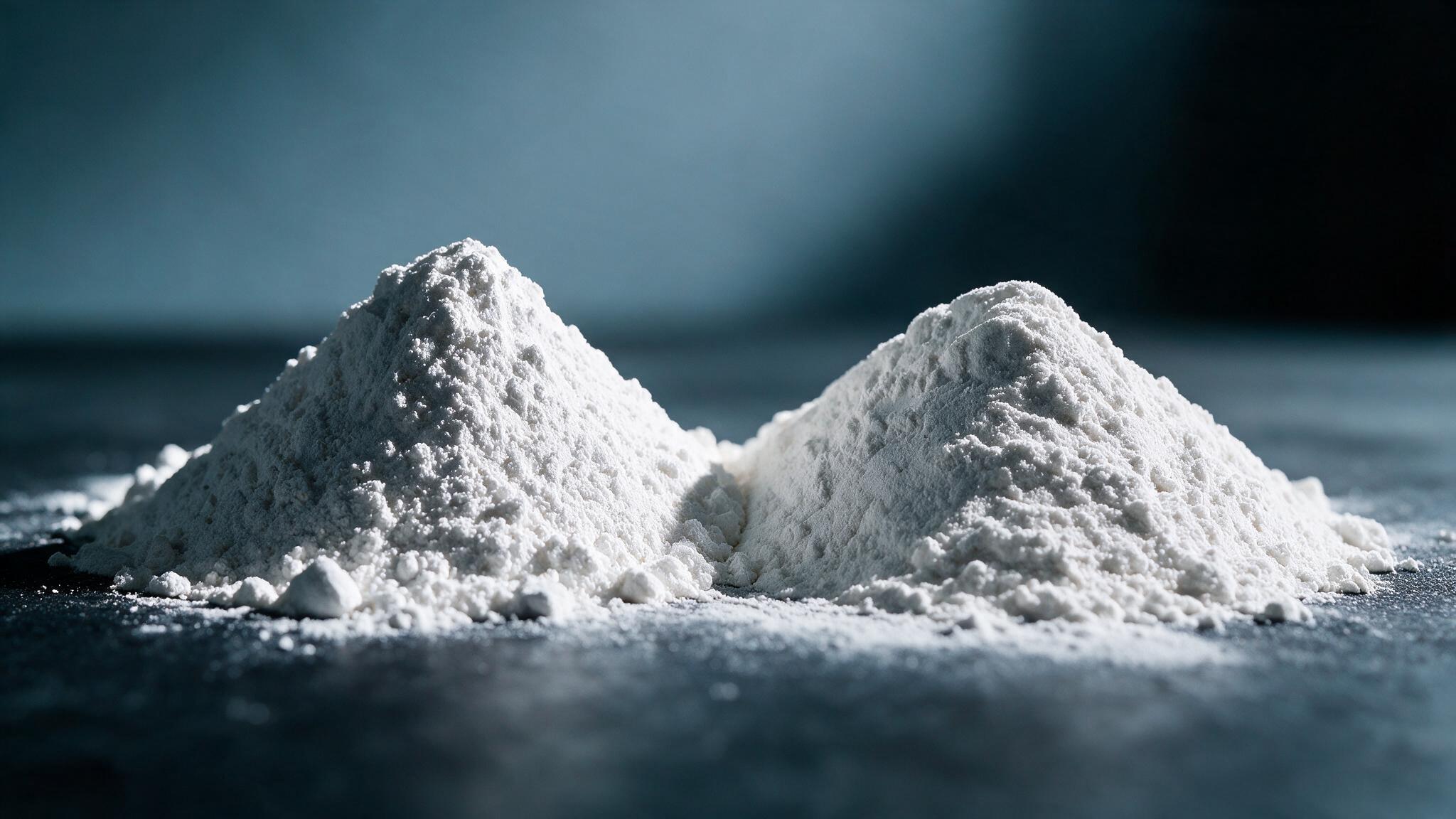
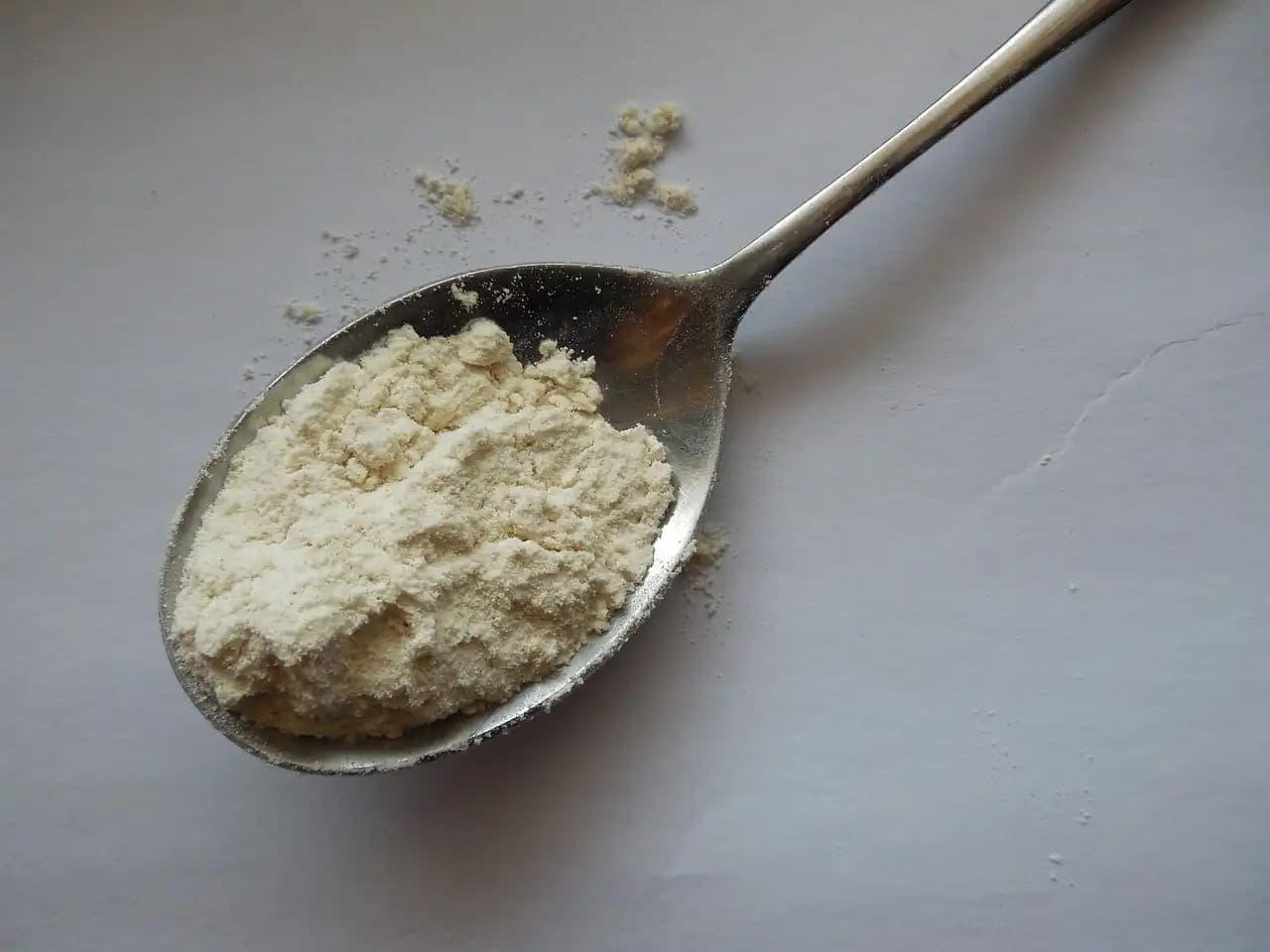
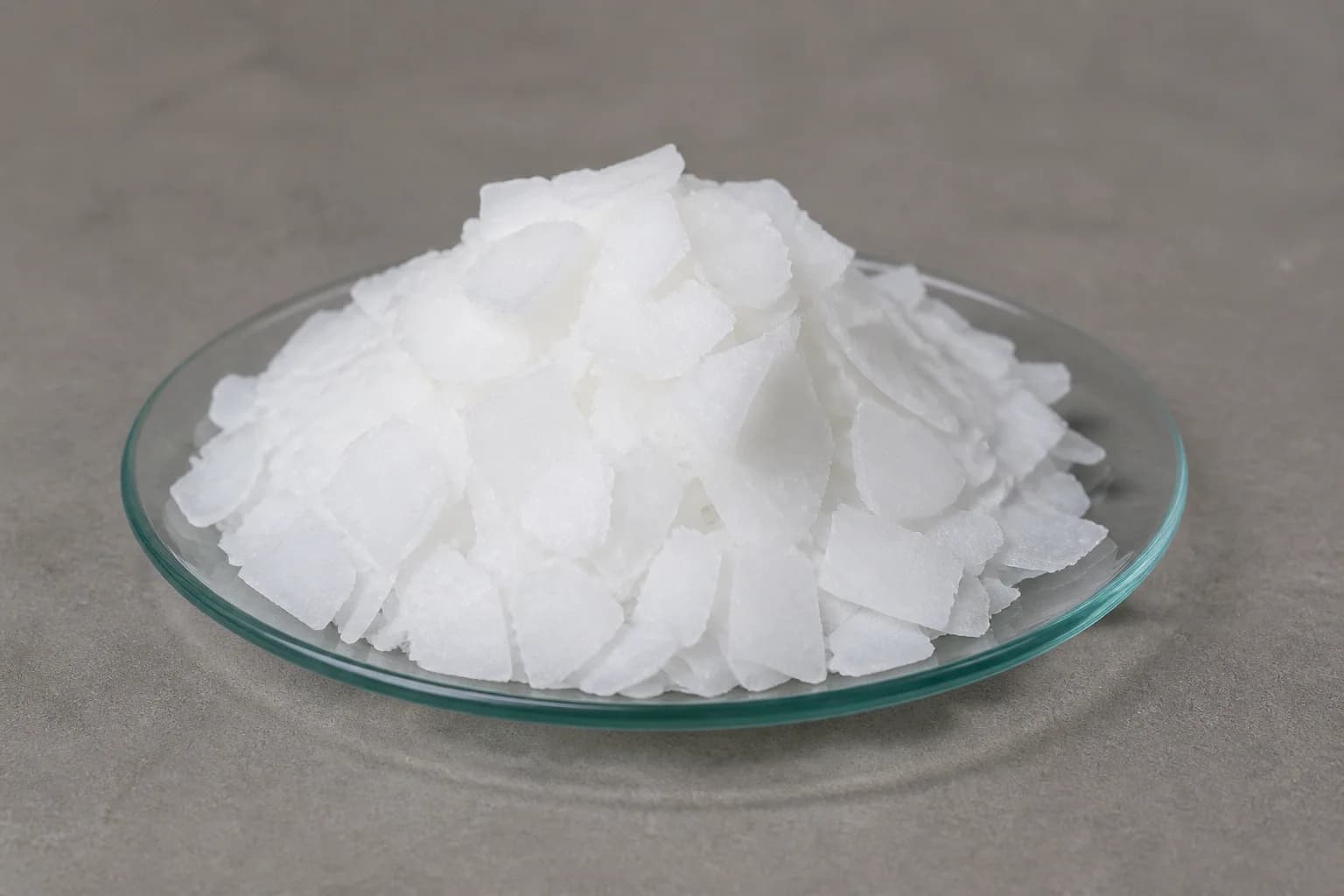
PAM comes in powder, granule, and emulsion forms. Its ionic charge can be anionic (negatively charged), cationic (positively charged), or nonionic. Molecular weight ranges from a few hundred thousand to over 20 million daltons. Each of these variables changes field performance, and they all change price.
Here’s what most buyers miss early on: a lower price per kilogram doesn’t automatically mean a lower cost per application. A high-molecular-weight anionic grade might dose at 2 ppm where a cheaper, lower-quality alternative requires 5 ppm to achieve the same result. The math often favors spending more upfront.
Hydrolysis degree matters too. A 25-30% hydrolysis anionic PAM performs well in municipal wastewater. A 30-35% grade is typically better for industrial effluent with heavier solids loading. Getting this wrong doesn’t just hurt performance – it can affect regulatory compliance. And that’s a much bigger problem to fix than a suboptimal floc.
Types of Polyacrylamide: Anionic, Cationic, and Nonionic
Each type has a specific job. Using the wrong one is, genuinely, one of the most common and frustrating mistakes industrial buyers make – and it usually only becomes obvious weeks after the trial runs poorly.
Anionic Polyacrylamide (APAM)
This is the most widely used form. Demand from an anionic polyacrylamide supplier is highest from water treatment facilities, paper manufacturing, and mineral processing operations. It works by bridging suspended particles into flocs that can be removed from water. In agriculture, it’s applied to reduce soil erosion and improve water infiltration.
Typical specs for anionic PAM:
- Molecular weight: 8-20 million daltons
- Hydrolysis degree: 20-35%
- Solid content: 88-92% (powder form)
- Ionic degree: 20-40%
Cationic Polyacrylamide (CPAM)
Cationic grades are the go-to for sludge dewatering. Wastewater treatment plants use them to condition sludge before belt press or centrifuge operations – the positively charged polymer neutralizes negatively charged sludge particles. It works well. But cationic grades are generally pricier than anionic, and not always necessary. Some buyers over-specify and overpay without realizing it.
Nonionic Polyacrylamide (NPAM)
Used in acidic environments where ionic types underperform. Coal washing, certain mining applications, specific agricultural contexts. It’s the niche option. But when the chemistry demands it, nothing else substitutes cleanly.
Polyacrylamide Price Per Kg: What You’re Actually Paying For
Let’s talk numbers. Because “contact us for pricing” is genuinely one of the most irritating things to encounter when you’re trying to plan a procurement budget.
General polyacrylamide price per kg ranges (2024, bulk orders, CIF pricing):
| Grade | Form | Price Range (USD/kg) | Typical MOQ |
| Anionic PAM (standard) | Powder | $1.80 – $3.50 | 500 kg |
| Anionic PAM (high MW) | Powder | $2.50 – $4.20 | 500 kg |
| Cationic PAM | Powder | $2.80 – $5.00 | 500 kg |
| Nonionic PAM | Powder | $1.60 – $3.00 | 500 kg |
| PAM Emulsion | Liquid | $1.20 – $2.80 | 1,000 kg |
| HPAM (Oil & Gas Grade) | Powder | $3.50 – $7.00 | 1,000 kg |
These are reference ranges. Your actual polyacrylamide price per kg for water treatment plants will depend on several factors working together:
Order volume. The gap between 1 MT and 25 MT pricing is significant – often 20-35% difference.
Delivery terms. FOB, CIF, and DDP pricing can vary by hundreds of dollars per MT on the same product.
Country of origin. China, India, Germany, and the USA all price differently due to labor, energy, and raw material costs.
Certification requirements. NSF 60 for US drinking water, REACH for EU imports – these add cost but are non-negotiable in regulated applications.
Molecular weight and hydrolysis degree. The tighter the spec, the higher the price.
Packaging format. 25 kg woven bags, jumbo bags, or IBC totes for emulsion grades – packaging choice affects both price and landed cost.
One thing that catches buyers off guard: Chinese manufacturers typically offer the lowest base price per kg by a wide margin – often 30-40% below Western suppliers. But factor in sea freight lead times of 4-6 weeks, minimum order quantities that may exceed what you need, and the cost of your own quality testing, and that gap narrows considerably. Not always enough to change the decision, but you should do the actual math before assuming the cheapest origin is the cheapest option.
What to Look for in a Polyacrylamide Supplier

Most sourcing guides get vague here. So here’s something more specific and actually useful.
Certifications that match your application, not just your industry
For drinking water treatment in the US, you need NSF/ANSI Standard 60. Non-negotiable. For EU imports or manufacturing, REACH compliance is baseline. ISO 9001 is everywhere – basically every polyacrylamide manufacturer claims it. What actually matters is whether the certification covers the specific grade you’re buying, not just the company as a whole. Ask for the certificate scope. Suppliers who can’t produce it quickly are telling you something.
Technical data sheets with real numbers
A legitimate supplier will provide a full TDS without hesitation: viscosity at 1% solution concentration, solid content percentage, ionic degree, charge density, and dissolution time. If you receive a one-page PDF with five bullet points and no test data, that’s a red flag. Good manufacturers test every batch and document it.
Honest lead times
Standard lead times: 7-14 days from stock, 30-45 days for custom production runs. Any polyacrylamide supplier quoting you 3-day delivery on a 10 MT order of high-molecular-weight anionic PAM should prompt immediate follow-up questions. Either they have old stock sitting in a warehouse (which raises quality questions), or they’re telling you what you want to hear.
Supply chain stability – ask the uncomfortable question
This one bites industrial buyers more than almost anything else. A supplier who delivers well once isn’t necessarily one who delivers consistently over 24 months. Ask specifically about raw material sourcing and whether they’ve experienced disruptions in the last two to three years. The acrylamide monomer supply chain had significant disruptions in 2021-2022. Any honest manufacturer will acknowledge that. The ones who claim zero problems ever? Push harder.
Sample availability before committing to volume
Before any polyacrylamide bulk purchase, run a jar test or a pilot trial using samples from at least two suppliers. Lab results don’t always translate to field performance, especially when raw water chemistry varies seasonally. A basic viscosity test costs almost nothing. Run it before you run a purchase order for 10 tonnes.
How to Buy Anionic Polyacrylamide in Bulk Without Getting Burned
Here’s the practical sourcing process, condensed.
Step 1: Define your spec before contacting anyone
Know your molecular weight range, ionic degree requirement, form preference (powder vs. emulsion), and the certifications you need. Buyers who approach suppliers with “I need polyacrylamide” waste weeks in back-and-forth. Be specific upfront.
Step 2: Get quotes from multiple sources
For global sourcing, this typically means a mix of direct manufacturers and specialized polyacrylamide distributors. Distributors who handle multiple brands can sometimes beat direct-manufacturer pricing on smaller volumes, because they’re consolidating orders across multiple buyers. Worth checking both channels simultaneously.
Step 3: Negotiate terms, not just unit price
Payment terms, delivery terms, quality clauses, and liability if a batch fails specification. A $0.30/kg saving that comes with no quality recourse clause isn’t actually a saving – it’s a risk transfer onto you. Get the commercial terms right.
Step 4: Start with a trial shipment
Even if your eventual target is 20 MT per month, start with 1-2 MT. Evaluate real-world performance in your process before committing to volume contracts. Any reputable manufacturer will understand this approach. Suppliers who push back hard on trial orders are, honestly, telling you something about how they think about long-term customer relationships.
How Elchemy Helps With Polyacrylamide Sourcing
If you’ve spent time trying to find a verified polyacrylamide supplier through traditional channels – trade directories, cold emails to factories, sourcing agents you’re not quite sure you can trust – you know exactly how time-consuming it gets. Weeks of back-and-forth. Inconsistent TDS documents. “We’ll get back to you” emails that don’t come back.
Elchemy is a global chemical distribution and custom manufacturing platform serving buyers across 25+ countries. For PAM sourcing specifically, here’s what they bring to the table:
Verified manufacturer network: Elchemy vets its supplier base. That means you’re not evaluating a factory based on a well-designed website and a certificate PDF that may or may not be current.
Grade-specific sourcing: Need anionic PAM at 30% hydrolysis, 15 million Mw, NSF 60 certified? They source to specification, not just to product category.
Bulk purchase coordination: Whether you need a one-time polyacrylamide bulk purchase for a project or a recurring supply contract, Elchemy handles documentation, customs compliance, and logistics coordination.
Multi-region supply: Polyacrylamide wholesale pricing in the USA, UK, and UAE varies meaningfully. Elchemy’s network spans enough geographies to find the right supply point based on your location and order volume.
Custom manufacturing: For non-standard requirements – specific blends, packaging formats, or unusual certifications – their custom manufacturing channel connects you directly with production partners.
You can buy Polyacrylamide directly through their platform, with full product specifications, supplier verification details, and quote requests all in one place. It’s considerably less chaotic than managing five independent supplier relationships across three time zones.
And if your procurement needs extend into specialty formulation – PAM is used as a film former and viscosity modifier in certain cosmetic applications, alongside other ingredients for personal care – Elchemy handles those categories too.
Ready to simplify your sourcing process? Book a consultation with Elchemy to discuss your volume requirements and get matched with verified suppliers for your industry.
Polyacrylamide Applications by Industry
Understanding what your specific industry actually needs from PAM helps you write a tighter spec and negotiate with real confidence.
Water and Wastewater Treatment
The largest end-use segment by volume, globally. Anionic PAM handles flocculation in municipal drinking water treatment. Cationic grades condition sludge before dewatering. For polyacrylamide suppliers for wastewater treatment industry buyers, NSF 60 certification and low residual acrylamide monomer content – typically below 0.05% for potable water contact – are absolute requirements, not preferences.
Oil and Gas
Partially hydrolyzed polyacrylamide (HPAM) is the workhorse of enhanced oil recovery and hydraulic fracturing. Molecular weights in the 8-20 million range, hydrolysis between 25-35%. This is where pricing climbs steeply. Bulk polyacrylamide manufacturers and exporters who supply the EOR market typically operate on long-term volume contracts with tight viscosity tolerances – spot sourcing for oil-field grade PAM is both expensive and unreliable.
Mining
PAM is used in tailings management and mineral processing across copper, gold, and coal operations. The right grade depends heavily on ore and process water chemistry. Getting it wrong doesn’t just reduce separation efficiency – it can make it worse. That’s the kind of problem you don’t want to debug while a processing circuit is running.
Agriculture
Irrigation water treatment, soil conditioning to reduce runoff, erosion control on construction sites. Lower-grade anionic PAM is typically sufficient here, with looser specifications and lower molecular weights. Agricultural applications sit at the lower end of the price range.
Paper Manufacturing
PAM functions as a retention aid and drainage improver in paper production. Both anionic and cationic grades see use depending on fiber type and process water chemistry. Paper-grade PAM often requires specific charge density specs that generic commodity suppliers don’t reliably stock.
Frequently Asked Questions
What is the average polyacrylamide price per kg for industrial buyers?
For standard anionic polyacrylamide in powder form, bulk prices typically fall between $1.80 and $3.50 per kg (CIF pricing, 2024). Cationic grades and specialty oil-field grades are higher – often $3.50 to $7.00 per kg depending on molecular weight and specification tightness. Pricing varies significantly based on order volume, delivery terms, and origin country, so always gather multiple quotes before budgeting.
How do I find a reliable anionic polyacrylamide supplier?
Start by verifying that certifications are relevant to your specific application and grade, not just the manufacturer as a whole. Request full technical data sheets and run samples through your own testing protocol before committing to volume. Platforms like Elchemy offer pre-vetted supplier networks that cut down significantly on the due diligence process for industrial buyers.
What’s the minimum order quantity for polyacrylamide bulk purchase?
Most manufacturers set MOQs at 500 kg to 1 MT for spot orders in powder form. For ongoing supply contracts, 5-25 MT per shipment is more typical. Emulsion (liquid) grades often carry higher MOQs due to container sizing – usually starting at 1,000 kg in IBC totes. Some distributors accommodate smaller trial orders at 50-100 kg, but expect to pay closer to spot pricing rather than bulk rates.
Is Chinese polyacrylamide quality reliable for industrial use?
Many large Chinese manufacturers produce high-quality PAM that meets international standards. The issue isn’t national origin – it’s verification. China has hundreds of PAM producers with dramatically varying quality levels. Factory audits, third-party lab testing, and working through a verified sourcing platform like Elchemy are how serious buyers separate reliable manufacturers from unreliable ones.
What certifications should I require from a polyacrylamide manufacturer?
For drinking water applications: NSF/ANSI Standard 60 certification, and residual acrylamide monomer below 0.05%. For EU imports or manufacturing: REACH compliance and a current Safety Data Sheet in the required language. For food-adjacent applications: FDA compliance documentation. ISO 9001 is standard across the industry – verify it covers the grade you’re purchasing, not just the facility in general.
What’s the difference between powder and emulsion PAM for bulk purchase?
Powder PAM has a longer shelf life (typically 2 years), lower shipping weight, and easier long-term storage. The tradeoff is that it requires dissolving before use, which takes time and proper mixing equipment. Emulsion PAM activates much faster in water and is simpler to handle at the point of application. It’s heavier to ship and has a shorter shelf life, and despite having a lower price per kg, solid content is lower (30-50% vs 88-92% for powder) – so the effective cost per unit of active polymer is often comparable or higher.
Conclusion
Sourcing polyacrylamide isn’t complicated once you know what you’re actually buying. Price per kg is just one number in a larger equation that includes grade, form, certifications, lead times, and supplier reliability over time. Plenty of buyers have saved $0.40/kg by switching to a cheaper source, then spent far more fixing application failures or compliance issues that followed.
Key Takeaways:
Polyacrylamide price per kg ranges from $1.80 to $7.00+ depending on grade, form, and order volume – compare on a per-application-dose basis, not just raw unit price.
Certifications matter at the grade level, not just the company level – verify scope before you trust the paperwork.
Running samples before committing to a bulk order saves more money than almost any price negotiation tactic, because you confirm the product actually works in your process before you’re locked in.
If you want a faster path to verified suppliers without building a qualification process from the ground up, Elchemy is worth a serious look. They operate across 25+ countries with a vetted manufacturer network covering standard and custom PAM grades for water treatment, mining, oil and gas, and more. Book a consultation and tell them what you need.