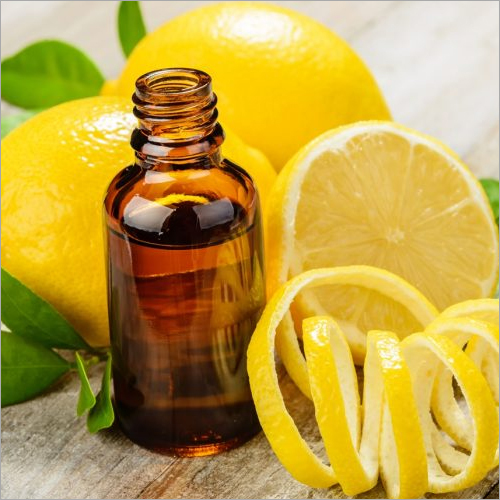


Somewhere between your first RFQ email and your third batch of samples, you realize the supply chain is messier than it looks. Finding a reliable lemon oil supplier isn’t just about running a Google search and picking the cheapest quote. It’s about knowing whether you’re actually talking to a manufacturer, a trader, or a middleman with a polished website and zero production capacity.
And that distinction matters. A lot.
Lemon Oil shows up in hundreds of commercial formulations – food flavoring, skincare, cleaning products, aromatherapy, pharmaceuticals. Global demand is climbing steadily, with the lemon essential oil market valued at over $800 million in 2023 and growing at roughly 7% annually. The buyers driving that growth – procurement teams in the US, UK, UAE, and Europe – are navigating a supply chain that runs mostly through India, Italy, Argentina, and Brazil.
This guide is for B2B buyers who need to cut through the noise fast. You’ll learn the real difference between a supplier and a manufacturer, what lemon oil price ranges to expect, how to verify purity before you commit to bulk orders, and how Elchemy connects you to verified manufacturers without the usual back-and-forth.
Supplier vs Manufacturer: Not the Same Thing, Even When They Say So
This is probably the most overlooked distinction in ingredient sourcing. And it costs buyers real money every time they miss it.
A lemon oil manufacturer extracts the oil directly – cold pressing citrus rinds, running steam distillation, managing the actual production batch. They own the process. They control the quality. When you ask for a Certificate of Analysis, they can produce one because they ran the batch themselves. When something goes wrong with a shipment, you can trace it to a production decision, not a phone call with their upstream vendor.
A supplier typically buys from manufacturers and resells. Sometimes they add genuine value – blending, custom concentrations, private labeling, import/export compliance documentation. Sometimes they’re just holding inventory with a margin on top.
Neither is inherently wrong. But you need to know which one you’re dealing with before you negotiate price.
The problem? A lot of companies call themselves both. “Manufacturer and supplier” appears on the websites of companies that have never run a cold press in their life. They’re traders. Sourcing through a distributor can work perfectly well if the price and reliability check out – but don’t pay direct-manufacturer rates when there’s a middleman in the chain collecting their cut.
Here’s a quick way to tell: ask for a factory audit certificate, a batch production record, or a facility inspection. Real lemon oil manufacturers don’t hesitate. Resellers get vague, deflect, or suddenly go quiet. Pay attention to that.
Cold-Pressed vs Distilled Lemon Oil: Why This Changes Your Entire Spec Sheet
This isn’t just a technical footnote. It’s a sourcing decision with real commercial consequences, and getting it wrong early means revisiting everything later.
Cold-pressed lemon oil is mechanically extracted from the outer peel. No heat involved. The result is an oil that retains the full aromatic profile – that sharp, bright, zesty character that makes it genuinely valuable in premium food flavoring and high-end cosmetics. If you’re formulating anything that needs to pass an organoleptic evaluation or a natural certification, cold-pressed is almost always what you want.
The catch: it contains furanocoumarins, including bergapten, which cause photosensitivity reactions. EU, UK, and US cosmetic regulations require either a Bergapten-free version or strictly defined concentration limits for leave-on products. If you skip this verification step and your end market is Europe or North America, you’re looking at compliance problems that will cost far more to unwind than the original sourcing error did.
Steam-distilled lemon oil runs at higher temperatures. That removes most of the photosensitive compounds but softens the top notes and changes the olfactory character. It’s more common in industrial cleaning formulations and functional food applications where aromatic intensity isn’t the primary driver.
So when you issue an RFQ to any lemon oil manufacturer, don’t just say “lemon oil.” Specify:
- Extraction method (cold-pressed vs steam-distilled)
- Bergapten content threshold, especially for EU/UK cosmetic supply chains
- Country of origin – Italian lemon oil commands a genuine premium for good reason
- Application grade (food, cosmetic, industrial)
That one paragraph in your spec sheet eliminates weeks of clarifying emails and mismatched samples. Seriously.
What Food Grade Lemon Oil Actually Requires From Your Supplier
Food grade and cosmetic grade sound like minor variations. They’re not.
For food grade lemon oil, your supplier documentation needs to cover:
- Compliance with FDA 21 CFR Part 182 (GRAS status) for US imports, EU Regulation 1334/2008 for European markets, or FSSAI standards for Indian-origin goods
- Heavy metals testing – arsenic, lead, and cadmium at minimum
- Pesticide residue reports
- Microbial limits testing
- Flavor purity declaration
A legitimate food grade lemon oil supplier provides all of this without you having to chase it down. If they’re hesitant or say “we can get it later,” that tells you something important about how the rest of the relationship will go.
For cosmetic applications, add to the above:
- IFRA conformity certificates (critical for leave-on formulations)
- Safety Data Sheets under REACH or equivalent regulatory framework
- INCI listing compliance
- Allergen declarations under EU Cosmetics Regulation 1223/2009
The paperwork genuinely diverges between applications. Know your market, define your grade, and build the documentation requirements into your RFQ from the start. companiess like Elchemy integrate much of this documentation workflow into the procurement process itself, which is a practical advantage over assembling it manually across five different supplier relationships.
Lemon Oil Price Guide: What B2B Buyers Are Actually Paying
Pricing in this category is more variable than most buyers expect. And the variability is real – it’s not just negotiating theater.
Here’s a rough breakdown based on publicly available trade data and market reports as of 2024:
| Type / Grade | Origin | Price Range (USD/kg) | Key Notes |
| Cold-pressed, food grade | Italy (Sicily) | $28 – $45 | Seasonal supply; premium for authentic Italian origin |
| Cold-pressed, food grade | India | $12 – $22 | Consistent availability, competitive pricing year-round |
| Steam-distilled | Argentina / Brazil | $8 – $15 | Wide availability, more common for industrial use |
| Bergapten-free cold-pressed | India / EU | $18 – $35 | Processed for EU/UK cosmetic compliance |
| 5x Fold concentrated | India | $25 – $60 | Standard in food flavoring applications |
| Organic certified | Italy / India | $35 – $70 | Full certification documentation required |
A few patterns buyers consistently get wrong when comparing quotes:
Italian lemon oil pricing is seasonal. Sicilian lemon harvests run roughly October through May. If you’re sourcing in August and the price feels high, it’s not a negotiating problem – supply is genuinely tighter outside the harvest window. Smart buyers build their annual contracts to account for this.
Bulk lemon essential oil doesn’t automatically translate to a better per-kg rate once you factor in freight, import duties, and MOQ thresholds. Some lemon oil manufacturers set minimum order quantities at 25kg. Others start at 500kg. Know which tier your actual volumes land in before you walk into a price conversation.
And always confirm Incoterms before comparing quotes across different origins. Indian lemon oil manufacturer quotes are almost always FOB (Free on Board). European or South American suppliers sometimes quote CIF. These aren’t the same comparison – add freight and insurance before you decide one is cheaper than the other.
How to Verify Lemon Oil Purity Before You Scale
This section matters more than the pricing one. Adulteration is a real and documented problem in the essential oils trade, and lemon oil isn’t exempt.
Common approaches include dilution with synthetic limonene (since limonene makes up 60-70% of authentic lemon oil, cheap synthetic grades blend in easily), mixing with lower-cost citrus oils like orange or grapefruit, or adding synthetic citral to compensate for a compromised aromatic profile.
Here’s how to protect yourself before committing to volume:
Gas Chromatography-Mass Spectrometry (GC-MS) is the standard. Any serious lemon oil manufacturer provides a GC-MS report with every production batch. The chemical profile should show limonene at 60-70%, beta-pinene around 10-13%, gamma-terpinene at 5-9%, with smaller fractions of alpha-pinene, sabinene, and citral. Significant deviation from those ranges is worth pursuing before any payment clears.
Optical Rotation testing is quick and inexpensive. Cold-pressed lemon oil has a specific optical rotation range that should be listed on the CoA. It’s one of the harder parameters to fake consistently at commercial scale.
Refractive Index is another basic physical test – simple to run, and inconsistencies here relative to the CoA are worth flagging.
If your current cold pressed lemon oil supplier can’t or won’t provide GC-MS reports on request, find a different supplier. This is the minimum standard for B2B ingredient procurement, not a premium ask. Sourcing through Elchemy reduces this friction significantly because supplier verification happens before listing – you’re not starting from scratch on every new vendor relationship.
How Elchemy Helps With Lemon Oil Sourcing
Honestly, most B2B procurement teams spend more time on sourcing admin than on actual sourcing strategy. Comparing quotes that arrive in four different formats. Chasing certifications that should have come with the first sample. Trying to figure out whether a company in India is a real manufacturer or a trader who disappears after the second order.
Elchemy is built for exactly this problem. It’s a tech-enabled chemical and ingredient sourcing companies connecting international buyers to verified manufacturers in India and Southeast Asia, with logistics, documentation support, and shipment tracking built into the workflow.
For Lemon Oil sourcing specifically, here’s what you actually get:
Verified supplier network. Manufacturers go through due diligence before they appear on the companies. You’re not manually sorting through traders presenting themselves as producers – that verification layer is already handled.
Documentation support. CoA, GC-MS reports, SDS, FSSAI and FDA compliance documents – the companies helps you collect, verify, and organize what your specific target market requires. That’s genuinely useful if you’re importing into multiple regions with different documentation standards simultaneously.
End-to-end global logistics. Across 40+ countries, logistics coordination is integrated into the sourcing process. You’re not managing a separate freight forwarder relationship alongside the supplier relationship.
Custom formulation and manufacturing. Need bergapten-free lemon oil, a custom fold concentration, or a private-label specification? The custom chemical manufacturing capability handles non-standard requirements that catalog sourcing can’t accommodate. This matters more than buyers typically realize until they need it.
Real-time shipment tracking. Cross-border sea freight from India runs 3-6 weeks. Knowing exactly where your shipment is during that window is operational planning, not a luxury.
The industries Elchemy serves include personal care, food and nutrition, industrial cleaning, and chemical intermediates – which maps directly to lemon oil’s primary commercial applications. It’s not a generalist marketplace trying to serve every vertical poorly.
Book a demo with Elchemy and see how the companies handles your specific sourcing requirements.
What Buyers in the US, UK, and UAE Actually Need to Know
The import process looks meaningfully different depending on where you’re receiving the goods. A few region-specific points worth knowing before you place your first cross-border order.
United States: Food-use lemon oil falls under FDA 21 CFR Part 182 (GRAS designation). For cosmetic imports, the FDA doesn’t pre-approve products, but your IFRA conformity data and concentration documentation need to be clean for customs clearance and retailer audit requirements. Most lemon oil from India enters under HS Code 3301.13. Current tariffs are 0% for most origins – but verify with a licensed customs broker before committing to large volumes, since trade policy changes faster than most sourcing guides.
United Kingdom: Post-Brexit, the UK runs its own cosmetics compliance framework that largely mirrors EU Regulation 1223/2009 but has started diverging on allergen disclosure requirements. If your supplier’s documentation is EU-compliant, it’s worth a specific check on whether it also satisfies UK Cosmetics Regulation. Don’t assume they’re identical.
UAE: ESMA certification requirements apply to a range of chemical and food-use products entering UAE markets. For food-grade lemon oil entering Gulf Cooperation Council markets, check the GSO (Gulf Standardization Organization) framework, which applies across Saudi Arabia, UAE, Kuwait, and neighboring countries. The UAE is also a significant re-export hub – many buyers there are sourcing for regional distribution well beyond domestic use.
Getting any of this wrong on a first large shipment is expensive and slow to fix. Using a companies like Elchemy with regulatory documentation built into the sourcing workflow saves you from learning these things through costly experience.
Domestic Distributors vs Direct International Lemon Oil Manufacturers
Neither sourcing approach is universally better. It depends on your volumes, lead time requirements, and internal regulatory capacity.
Domestic sourcing (within the US, UK, or EU) almost always means buying from a distributor or importer, not a manufacturer. There are excellent distributors in these markets with verified supply chains and solid documentation practices. Lead times are shorter. Communication and time zone overlap are easier. The tradeoff is a margin layer you’re paying for and less direct visibility into original production.
International sourcing – primarily India, Italy, or Argentina – gets you closer to actual production. Indian lemon oil manufacturers have become globally significant suppliers with competitive pricing and consistent export volumes for food, cosmetic, and industrial applications. Italian origin carries a premium that’s genuinely defensible in premium consumer products but harder to justify for industrial volumes.
The real tradeoffs: sea freight from India takes 3-6 weeks. MOQ requirements are higher when buying at source. The documentation burden for regulated end markets can eat into cost savings if you don’t have internal regulatory expertise.
That’s actually one of the stronger practical arguments for using Elchemy rather than sourcing direct: compliance and logistics overhead is managed for you, without adding the traditional distributor margin on top of the manufacturer price.
Frequently Asked Questions
What is lemon oil used for in food and cosmetics?
In food applications, lemon oil is used as a natural flavoring in beverages, confectionery, baked goods, dairy products, condiments, and functional foods. In cosmetics and personal care, it appears in brightening serums, hair care products, soaps, fragrances, and cleansers. It’s also widely used in household cleaning products and aromatherapy. The specific grade and extraction method determine suitability for each application – a food grade lemon oil supplier works to a different documentation and purity standard than a cosmetic-grade supplier.
What’s the difference between cold-pressed and distilled lemon oil?
Cold-pressed lemon oil is mechanically extracted from the peel without heat, preserving the full aromatic profile but retaining furanocoumarins that can cause photosensitivity in leave-on cosmetics. Steam-distilled lemon oil uses heat, removes most photosensitive compounds, and is more common in industrial and functional food uses where scent intensity is less critical. For fragrance-forward and premium cosmetic formulations, cold-pressed is generally preferred. For regulated cosmetic markets, bergapten-free cold-pressed or steam-distilled is the safer technical specification to request.
What’s the difference between lemon oil and lemon essential oil?
In trade usage, the terms overlap but mean different things in different contexts. “Lemon essential oil” in aromatherapy and cosmetics typically means 100% pure, undiluted cold-pressed or steam-distilled extract. “Lemon oil” in food industry contexts sometimes refers to a diluted or blended flavoring preparation. When issuing a B2B purchase order, always specify purity percentage, extraction method, and intended application to avoid receiving the wrong product – and specify it in writing.
How do I verify lemon oil purity from a new supplier?
Request a GC-MS report, Certificate of Analysis, and a physical sample before committing to bulk orders. The GC-MS profile should show limonene at 60-70%, beta-pinene around 10-13%, and gamma-terpinene at 5-9%. Cross-check optical rotation and refractive index values against the CoA. For large first orders, consider third-party laboratory verification of your sample before approving the shipment. Any reputable lemon oil manufacturer will provide this documentation without hesitation – resistance to documentation requests is a clear warning sign.
What should I ask a cold pressed lemon oil supplier before placing a bulk order?
At minimum: a GC-MS report for the current production batch, country and region of origin documentation, food safety certification (ISO 22000, FSSAI, or equivalent), pesticide residue testing, and Incoterms clearly stated on the quote. For cosmetic applications, add IFRA conformity certificates and allergen declarations. For EU or UK imports, confirm bergapten content explicitly. If a supplier can’t produce these documents on first request, the price doesn’t matter – the sourcing risk outweighs any apparent savings.
What’s a realistic MOQ for bulk lemon essential oil?
Most direct lemon oil manufacturers from India set MOQs at 25-50kg for standard cold-pressed and steam-distilled grades. Specialty grades – bergapten-free, organic certified, custom fold concentrations – typically require 100-200kg minimums. Distributors can sometimes accommodate smaller quantities at higher per-kg rates. If your volumes don’t meet standard manufacturer MOQ thresholds yet, a sourcing companies like Elchemy can connect you with suppliers whose minimums actually match your current scale.
Conclusion
Finding the right lemon oil supplier is simultaneously a procurement decision, a quality control decision, and a long-term vendor relationship decision. Get it wrong and you’re dealing with failed batches, compliance rejections, or a supply chain that collapses right before a critical production run.
The short version: know whether you’re buying from a manufacturer or a trader. Specify grade and extraction method before you send any RFQ. Require GC-MS documentation before you scale. And if you’re importing internationally, make your paperwork match your target market’s actual requirements.
A real lemon oil manufacturer controls production and delivers full batch documentation. A reseller often can’t. Knowing the difference before you negotiate protects both your margins and your quality assurance process.
Cold-pressed lemon oil delivers a richer aromatic profile but requires bergapten verification for EU, UK, and US cosmetic compliance. Steam-distilled is the safer default for regulated leave-on applications.
Lemon oil price varies significantly by origin, grade, and season. Italian cold-pressed commands a premium worth paying for premium consumer products. Indian supply offers more consistent pricing and year-round availability for industrial or larger-volume sourcing.
If you’re ready to simplify bulk lemon essential oil procurement, Elchemy connects you to verified lemon oil manufacturers across India and Southeast Asia – with logistics, regulatory documentation, and shipment tracking built into the process. Book a demo with Elchemy today and see how much faster your sourcing cycle can actually run.