

At a Glance
- Think of vitamin A as the family name and retinol as one member of that family. Retinol belongs to a sub-family called retinoids, which are all derivatives of vitamin A
- Retinol is just one of nine different retinoids, all derivatives of vitamin A, so the two terms cannot be used interchangeably
- Retinoic acid is the active form your skin actually uses. Retinol must convert to it first, in two steps
- The fewer conversion steps a retinoid needs, the more potent it is, but also the higher the risk of irritation
- Vitamin A in supplements covers both retinoids (preformed, from animal sources) and carotenoids (provitamin A, from plants)
- Retinyl palmitate requires three conversion steps to become retinoic acid, making it the mildest and least potent topical option
- Prescription tretinoin (Retin-A) is already retinoic acid and needs zero conversion, which is why it works faster but also irritates more
If you have ever stood in a skincare aisle trying to figure out whether to buy the vitamin A serum or the retinol cream, you are not alone. These terms get used like they mean the same thing. On supplement labels, in ingredient lists, in dermatologist advice, they appear almost interchangeably. But they are not the same, and understanding the difference actually changes which product you should pick for your skin or your health goals.
Vitamin A is a broad term that refers to a group of fat-soluble vitamins that play a crucial role in maintaining healthy vision, immune function, and skin health. Retinol is a specific derivative of vitamin A that is commonly used in skincare products to promote cell turnover, reduce fine lines and wrinkles, and improve skin texture. One is the whole family. The other is one specific member of it. Getting that straight changes how you read every product label going forward.
The Full Vitamin A Family: What Is Actually in It
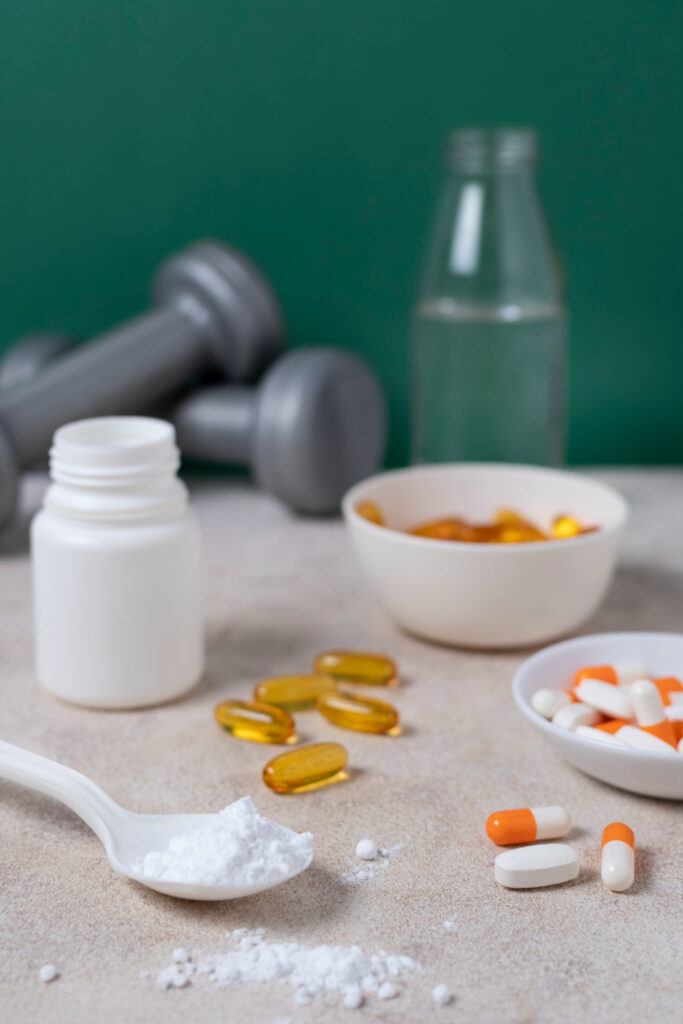
Vitamin A does not refer to one compound. It is an umbrella term covering two main groups.
Preformed vitamin A (retinoids): These are ready-to-use forms found in animal products. Your body can use them directly without conversion. There are two kinds of vitamin A: preformed, found in animal products like dairy, meat, and eggs, and provitamin A, found as carotenoids in plant-based foods such as carrots, sweet potatoes, and grapefruits, which need to be converted by your body into vitamin A.
Provitamin A (carotenoids): Beta-carotene is the most well-known. Your body converts it into active vitamin A only as needed, which is why it does not carry the same toxicity risk as preformed vitamin A at high doses.
| Form | Category | Source | Conversion Required |
| Retinoic acid (tretinoin) | Retinoid | Synthetic/prescription | None, already active |
| Retinal (retinaldehyde) | Retinoid | Synthetic/topical | 1 step to retinoic acid |
| Retinol | Retinoid | Animal foods, synthetic | 2 steps to retinoic acid |
| Retinyl palmitate | Retinoid | Animal foods, synthetic | 3 steps to retinoic acid |
| Beta-carotene | Carotenoid | Plants, algae | Converted to retinol first, then 2 more steps |
You may recognise names such as retinol, retinal, retinoic acid, or retinyl ester, which are all forms of vitamin A. Retinol is simply the form that has become the most commercially popular because it sits in a practical middle ground: effective enough to show results, gentle enough to sell without a prescription.
So Is Vitamin A and Retinol the Same Thing
No. But the confusion is understandable. Here is why it happens.
When a supplement label says Vitamin A 3,000 mcg RAE, the source is often retinyl palmitate or retinyl acetate, which are technically retinoids and technically vitamin A. When a skincare brand says their product contains vitamin A, they almost certainly mean retinol or a retinyl ester. When a dermatologist says use vitamin A for your skin, they mean a retinoid, usually retinol or stronger.
The overlap is real. Retinol is sometimes referred to as Vitamin A1 and is a natural form of vitamin A. It has been approved as an over-the-counter medication since 2019 and is found in skin creams and other skincare products that claim to boost collagen production, treat fine lines, reduce discolouration, and smooth the skin.
But vitamin A as a nutrient covers far more ground than retinol alone. It includes every retinoid, every carotenoid, and their downstream metabolites. Retinol is one specific alcohol form of preformed vitamin A, full stop.
The Conversion Chain: Why It Matters for Skincare
This is the part most skincare labels never explain but should. Every topical vitamin A derivative you apply to your skin is useless until it converts into retinoic acid, because that is the actual active form that binds to skin cell receptors and triggers change.
All vitamin A derivatives must convert to retinoic acid. Their effectiveness depends on the number of conversion steps: vitamin A esters like retinyl palmitate have a three-step process, while retinol takes two steps to convert to retinoic acid. The drawn-out conversion process of retinyl palmitate reduces its efficacy.
Here is how the chain works in your skin:
Retinyl palmitate converts to Retinol, which converts to Retinal, which converts to Retinoic acid
Each conversion loses some potency. Each conversion also reduces irritation because less active retinoic acid is generated at once. That trade-off drives every retinoid purchase decision:
- Retinyl palmitate – Mildest, least potent, good for very sensitive skin or retinoid beginners. Three steps away
- Retinol – The OTC sweet spot. Two steps, well-studied, effective with patience. Takes up to six months to show full results
- Retinal (retinaldehyde) – One step, faster acting. 2025 clinical data showed retinal reduced dynamic wrinkles by 36.39% and demonstrated up to 10 times better bioavailability than traditional retinol formulations
- Tretinoin (Retin-A) – Prescription only, zero conversion steps, fastest results, highest irritation risk. Unlike retinol, Retin-A is already in retinoic acid form so the skin does not need to convert it
Vitamin A in Nutrition vs Vitamin A in Skincare: Two Different Conversations
This is where the confusion compounds. The same term means genuinely different things in a supplement context versus a skincare context.
In nutrition and supplements:
Vitamin A requirements are measured in mcg RAE (Retinol Activity Equivalents). The RDA for adults is 700 to 900 mcg RAE. Getting enough supports vision, immune function, reproductive health, and bone growth. The upper tolerable intake from supplements is 3,000 mcg RAE daily for preformed vitamin A. Exceeding this regularly can cause toxicity since it is fat-soluble and accumulates. Beta-carotene from plants does not carry this same toxicity risk.
In skincare:
The conversation is entirely about topical retinoids and their ability to stimulate cell turnover, boost collagen production, unclog pores, and reduce hyperpigmentation. Retinol increases skin cell production, helps unclog pores, exfoliates the skin, and increases collagen production, which can reduce the appearance of fine lines and wrinkles, The doses are tiny fractions of what would have any systemic nutritional effect.
| Context | What Vitamin A Means | Forms Involved | Measurement |
| Nutrition and supplements | Full vitamin A family for bodily functions | Retinyl palmitate, retinyl acetate, beta-carotene | mcg RAE or IU |
| Skincare and topical | Retinoids for skin cell turnover and anti-aging | Retinol, retinal, retinyl palmitate, tretinoin | Percentage (0.025% to 1%) |
Which Form Should You Actually Use
The answer splits depending on what you are trying to achieve.
For general health and nutrition: A standard vitamin A supplement as retinyl acetate or beta-carotene covers your RDA safely. If you eat a diet with eggs, dairy, organ meats, or plenty of orange and yellow vegetables, you are likely fine without supplementing at all. Vitamin A supplements are safe in the right amounts, up to 10,000 IUs per day, and are a great way to ensure you are not deficient.
For skin anti-aging and acne:
Start with the mildest form and work up based on how your skin responds:
- New to retinoids or sensitive skin: Retinyl palmitate at 0.1 to 0.3% to build tolerance
- Ready for real results without a prescription: Retinol 0.25 to 0.5%, used nightly, give it three to six months
- Experienced retinoid users: Retinal 0.04 to 0.2% for faster, stronger results with less irritation than tretinoin
- Active acne or significant photodamage: Talk to a dermatologist about prescription tretinoin
If you are concerned about skin reactivity, try an OTC retinol product before considering prescription-strength retinoids. It is important to use retinol at night and to always wear broad-spectrum SPF 30 sunscreen during the day, since retinol makes skin more sensitive to UV exposure
Safety and Who Should Avoid Retinoids
Women who are pregnant or breastfeeding should avoid retinoids. While no human studies have deemed topical retinoids unsafe, a related oral medication, isotretinoin, has been known to cause birth defects. High doses of retinol may also be associated with increased risk of adverse skin outcomes including heightened sun sensitivity.
A few other things worth knowing:
- Do not combine retinol with AHAs, BHAs, or chemical peels on the same day. Alternate instead
- Vitamin C in the morning, retinol at night is a well-established routine that avoids pH and stability conflicts
- Always patch test before using any new retinoid product, especially at higher concentrations
- Storage matters more than most people realise. Retinol degrades quickly when exposed to air and sunlight, so opaque, airtight packaging is essential for an effective product
Conclusion
Is vitamin A the same as retinol? No, though retinol is one of the most important and commercially visible forms of vitamin A, it represents just one branch of a much larger family that includes retinoids in multiple forms and plant-derived carotenoids. Is vitamin A and retinol the same thing in skincare terms? Close but not exact. When a skincare product says vitamin A, retinol is almost always what they mean, but they are leaving out the full picture of what retinol actually has to do inside your skin before it can work.
For cosmetic and personal care manufacturers sourcing retinol, retinyl palmitate, retinyl acetate, beta-carotene, or other vitamin A derivatives at verified cosmetic or pharmaceutical grade, Elchemy connects US buyers with verified global suppliers offering complete technical documentation, certificates of analysis, and supply chain reliability built for the compliance demands of the American personal care and supplement market.