

At a Glance
- Green tea and green tea extract are not the same; extract is concentrated while brewed tea is dilute
- Brewed green tea contains 9-118 mg EGCG per cup (highly variable) depending on brewing time, temperature, and leaf quality
- Green tea extract is standardized to 30-50% EGCG, delivering 250+ mg EGCG in a single dose consistently
- Bioavailability of catechins is low (5-50 times less than effective in-vitro levels), making extraction and synergistic ingredients critical
- Green tea extract requires combination with vitamin C or piperine to enhance EGCG absorption
- Brewed tea offers sensory experience and tradition; extract offers standardized dosing and manufacturing convenience
- Extract shelf life is 24+ months; brewed tea degrades within hours
- For functional beverages and supplements, green tea extract is the practical choice; for traditional beverages, brewed tea is standard
The question seems simple: is green tea extract the same as green tea? The answer determines whether you’re sourcing leaves for brewing or concentrated powder for formulations. For formulators, manufacturers, and brands creating functional beverages, supplements, or skincare products, this distinction drives ingredient selection, dosing, stability, and efficacy claims.
Green tea and green tea extract are not interchangeable. They differ in concentration, standardization, stability, bioavailability, and practical application across industries.
What Is Green Tea?
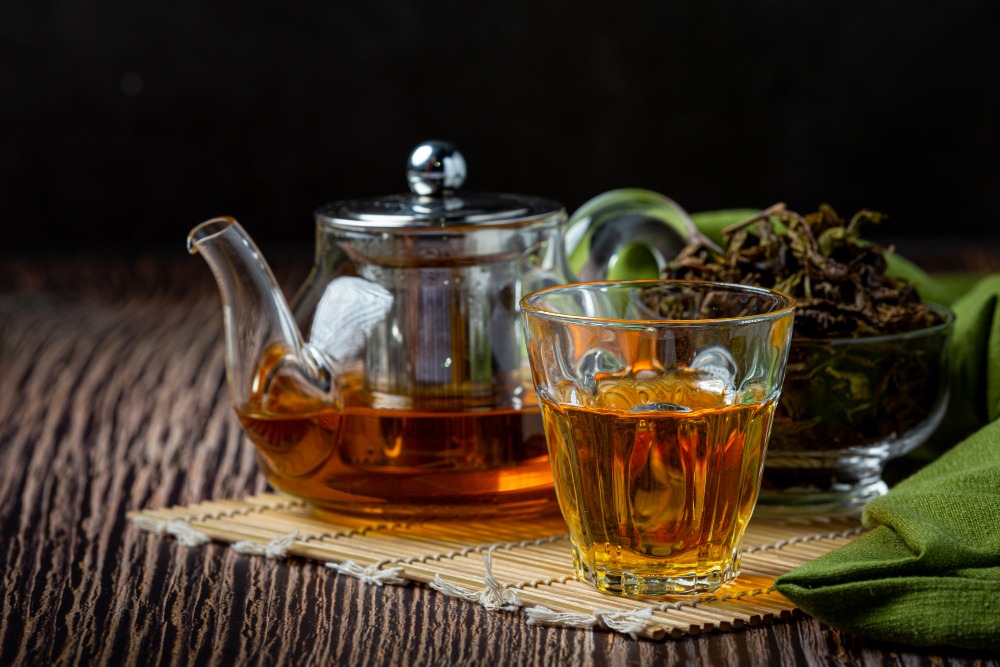
Green tea is brewed leaf infusion. Tea leaves from Camellia sinensis are heated immediately after harvesting (preventing oxidation), then dried. When steeped in hot water, leaves release their soluble compounds into the liquid.
A typical cup of brewed green tea contains:
- 40-50 mg caffeine
- 9-118 mg EGCG (highly variable)
- 20-25 mg EGC (epigallocatechin)
- 15 mg EC (epicatechin)
- 10 mg ECG (epicatechin gallate)
- Polyphenols, minerals, and amino acids
The exact catechin content depends on leaf origin (Japan, China, Korea yield different profiles), leaf grade, water temperature, steeping time, and freshness. A single cup can vary dramatically. Premium ceremonial matcha contains 50-70 mg EGCG; budget bagged tea contains 23-40 mg EGCG. This variability is inherent to brewed tea.
Brewed green tea offers flavor, ritual, and tradition. It’s consumed as a beverage in Asian cultures and gaining popularity globally. The sensory experience—aroma, taste, warmth—is integral to green tea consumption.
What Is Green Tea Extract?
Green tea extract is a concentrated powder or liquid created by extracting catechins and other compounds from green tea leaves using solvents (water, ethanol, or supercritical CO2). The extraction process separates the plant material from the beneficial compounds, concentrating them into a single product.
Green tea extract is standardized to contain specific catechin levels, typically:
- 30-50% EGCG (the most potent catechin)
- 15-25% EGC
- 10-15% EC
- 5-10% ECG
A 500 mg dose of standardized green tea extract contains approximately 150-250 mg EGCG, far more than any cup of brewed tea could deliver.
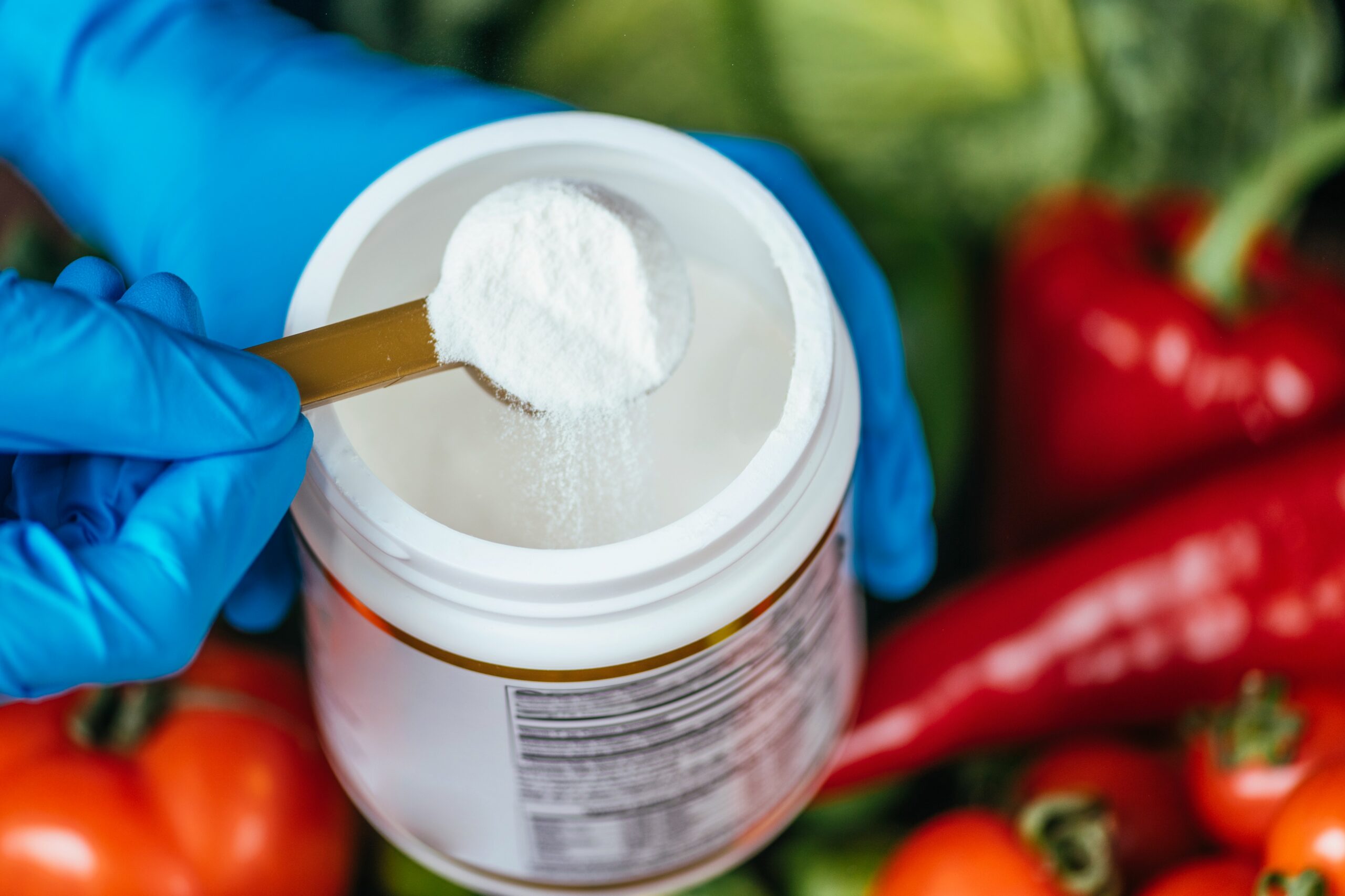
Green tea extract is white to brown powder, soluble in water and easy to incorporate into beverages, supplements, capsules, functional foods, and skincare formulations. It’s shelf-stable for 24+ months when stored properly.
The Difference Between Green Tea and Green Tea Extract
The distinction goes beyond concentration. It affects formulation strategy, dosing, stability, and results.
Concentration and Standardization
Brewed tea: 9-118 mg EGCG per cup (unstandardized, variable, unpredictable) Extract: 150-250 mg EGCG per 500 mg dose (standardized, consistent, reproducible)
For manufacturers, standardization matters. You can’t control what a consumer’s brewing habits produce. With extract, you control dosing precisely.
Bioavailability
Both brewed tea and extract suffer from poor bioavailability. Catechins are absorbed at 5-50 times lower levels than needed to exert biological activity in lab studies. A cup of green tea delivers only 5-10% of its EGCG into your bloodstream; the rest passes through unabsorbed.
Green tea extract alone has the same bioavailability problem. This is why high-quality formulations combine green tea extract with vitamin C (which enhances EGCG absorption by up to 5-fold) or piperine from black pepper (which inhibits metabolic breakdown). Brewed tea naturally contains some amino acids that slightly improve absorption, but not enough to solve the bioavailability gap.
For manufacturers, this is critical. Marketing an extract alone without bioavailability enhancers undersells the product.
Stability and Shelf Life
Brewed tea degrades rapidly. EGCG oxidizes when exposed to air, light, and heat, turning the liquid brown and losing potency within hours. Refrigerated brewed tea lasts 24-48 hours before degradation accelerates.
Green tea extract is stable for 24+ months in proper packaging (airtight, away from light, cool storage). The concentrated powder format resists oxidation far better than dilute liquid.
Sensory Experience vs. Standardization
Brewed tea offers aroma, taste, warmth, and ritual. It’s consumed for enjoyment alongside any health benefits. This is irreplaceable for traditional tea culture.
Green tea extract offers no sensory experience. It tastes bitter and vegetal. But it delivers reliable dosing and fits seamlessly into supplements, functional beverages, and formulated products.
Catechin Profile Differences
Brewed tea and extract can have different catechin profiles depending on leaf origin and extraction method. Japanese greens typically have higher EGC; Chinese greens higher EGCG. This affects antioxidant activity and functional properties.
Manufacturers can source extracts with specific catechin profiles (EGCG-rich or EGC-rich) to target particular benefits. Brewed tea profiles are determined by leaf origin and brewing variables, not manufacturing control.
Green Tea Extract Concentration and EGCG Content
Not all green tea extracts are equal. Quality varies dramatically based on extraction method and processing.
EGCG Content Standards
Low-quality extracts: 20-30% EGCG Standard extracts: 40-50% EGCG Premium extracts: 50-60% EGCG
A 500 mg dose of standard extract (45% EGCG) contains 225 mg EGCG. Premium extract delivers 250-300 mg from the same dose.
For manufacturers, sourcing premium extract costs more but allows lower dosing (250 mg instead of 500 mg) and faster results, which impacts cost, product size, and consumer experience.
Extraction Methods Affect Yield and Profile
Hot water extraction: Highest yield (61-70% catechin recovery), maintains natural balance of all catechins, easiest scaling Ethanol extraction: Good yield, concentrates specific catechins, slightly higher cost Supercritical CO2 extraction: Highest purity, most expensive, best for premium formulations Ultrasound-assisted extraction: Moderate yield, faster, emerging technique
The method you choose affects cost, purity, and the final catechin profile available to formulators.
Applications: When to Use Each
Use Brewed Green Tea When:
Creating a traditional beverage where sensory experience matters (tea shops, cafes, premium tea products) Targeting consumers who value ritual and authenticity Cost is the primary concern (tea leaves are cheaper than extract per serving) You’re comfortable with natural variability in catechin content
Use Green Tea Extract When:
Formulating supplements requiring standardized dosing (capsules, tablets, powders) Creating functional beverages where precise EGCG amounts matter Developing skincare or cosmetic products (extract concentrates better than brewed tea) Targeting specific health outcomes requiring consistent delivery (fat loss, antioxidant, anti-aging) Shelf life is critical (24+ months stability needed) Bioavailability matters; you’re adding vitamin C or piperine to enhance absorption Manufacturing at scale; you need consistency batch-to-batch
Catechin Bioavailability: The Hidden Challenge
Here’s the critical issue neither brewed tea nor extract solves alone: catechins have poor bioavailability. Your body absorbs only 5-50% of the catechins consumed, and the percentage varies wildly depending on:
- Individual genetics (some people’s gut bacteria ferment catechins better than others)
- Stomach pH at time of consumption
- Whether consumed with food (fat improves absorption; fiber reduces it)
- Concurrent medications
- Presence of bioenhancers (vitamin C, piperine)
A 225 mg dose of EGCG might result in only 11-45 mg reaching your bloodstream. This is why effective green tea formulations combine extract with proven bioenhancers.
Choosing Green Tea Extract for Formulation
If you’re selecting green tea extract as an ingredient:
Quality Markers
- Minimum 40% EGCG (preferably 45-50%)
- Certificate of analysis showing catechin breakdown (EGCG, EGC, EC, ECG)
- Third-party testing for heavy metals, pesticides, and contaminants
- Solvent residue testing (especially if ethanol-extracted)
- Organic certification if marketing as organic
Sourcing Considerations
Premium suppliers: Indena, Naturex, Arjuna, DSM (consistent quality, higher cost) Mid-tier suppliers: Reliable local manufacturers with batch testing (balance of cost and quality) Budget suppliers: Higher variability, lower testing standards, not recommended for therapeutic claims
Synergistic Formulation
Combine with:
- Vitamin C (50-100 mg) to enhance EGCG absorption by up to 5-fold
- Piperine (5-10 mg from black pepper extract) to inhibit catechin metabolism
- Other polyphenols (quercetin, resveratrol) for synergistic antioxidant activity
These additions transform green tea extract from a standalone ingredient into a bioavailable formulation that actually delivers results.
Manufacturing Application Examples
Functional Beverage
Use: Green tea extract (standardized to 45% EGCG) at 200-250 mg per serving Combine with: Vitamin C (50 mg), natural flavoring, sweetener Result: Consistent dosing, stable shelf life, clear EGCG claims
Supplement Capsule
Use: Green tea extract (50% EGCG) at 400-500 mg per capsule Combine with: Piperine (5 mg), ascorbic acid (100 mg) Result: High potency, enhanced bioavailability, 24+ month stability
Skincare Serum
Use: Green tea extract (40-50% EGCG) at 2-5% concentration Combine with: Vitamin E, ferulic acid, glycerin as humectant Result: Antioxidant protection, skin brightening, oxidative stability
RTD Beverage (Ready-to-Drink)
Use: Green tea extract (standardized concentrate) at appropriate dose Combine with: Vitamin C, natural flavors, low pH (3.5-4.0) for stability Result: Shelf-stable, convenient, consistent nutrition facts label
Conclusion
Green tea extract and brewed green tea are fundamentally different products serving different purposes. Brewed tea offers sensory experience, tradition, and reasonable health benefits for daily consumption. Green tea extract offers standardized dosing, formulation flexibility, long shelf life, and the ability to deliver therapeutic levels of catechins when properly formulated.
For manufacturers creating functional beverages, supplements, or cosmetics, green tea extract is the practical choice. It enables consistent claims, reproducible results, and manufacturing control. However, extract alone is not sufficient. Pairing it with bioavailability enhancers (vitamin C, piperine) transforms it from a simple ingredient into an effective formulation.
Sourcing matters. Premium extracts with third-party testing and verified EGCG content cost more but prevent batch-to-batch variability, failed efficacy claims, and regulatory issues. For formulators navigating ingredient selection, extraction methods, and bioavailability optimization, working with reliable suppliers ensures access to high-quality green tea extract and supporting ingredients tailored to your specific formulation needs.
For food manufacturers, supplement brands, and cosmetic companies sourcing green tea extract, Elchemy provides standardized extracts with verified catechin profiles, bioavailability-enhancing ingredients, and technical s