

At a Glance
- AITC is produced both through natural extraction from mustard seeds and chemical synthesis
- Global market valued at $39.4 million in 2024, projected to reach $49.4 million by 2032
- Acts as natural antimicrobial agent effective against E. coli, Salmonella, and fungi
- Serves as eco-friendly alternative to methyl bromide fumigant in agriculture
- Used in active food packaging for shelf-life extension
- Shows anticancer properties in laboratory and animal studies
- GRAS (Generally Recognized as Safe) status from FDA for food applications
- Readily biodegradable in soil, water, and atmosphere
You’ve probably tasted allyl isothiocyanate without even knowing it. Every time you eat mustard, wasabi, or horseradish, that sharp, pungent kick comes from this powerful organic compound. But beyond making your eyes water at the sushi bar, allyl isothiocyanate has become increasingly important across multiple industrial sectors. This compound exhibits strong antimicrobial properties, which can enhance food preservation and safety, making it valuable far beyond just flavoring.
Allyl isothiocyanate (AITC) is a naturally occurring unsaturated isothiocyanate with the chemical formula C₄H₅NS. What makes this compound special is its unique combination of benefits: it kills microbes, repels pests, shows potential against cancer cells, and remains relatively environmentally friendly. Understanding the allyl isothiocyanate benefits across industrial applications reveals why this compound continues gaining attention from manufacturers, agricultural producers, and pharmaceutical researchers.
Chemical Production and Synthesis
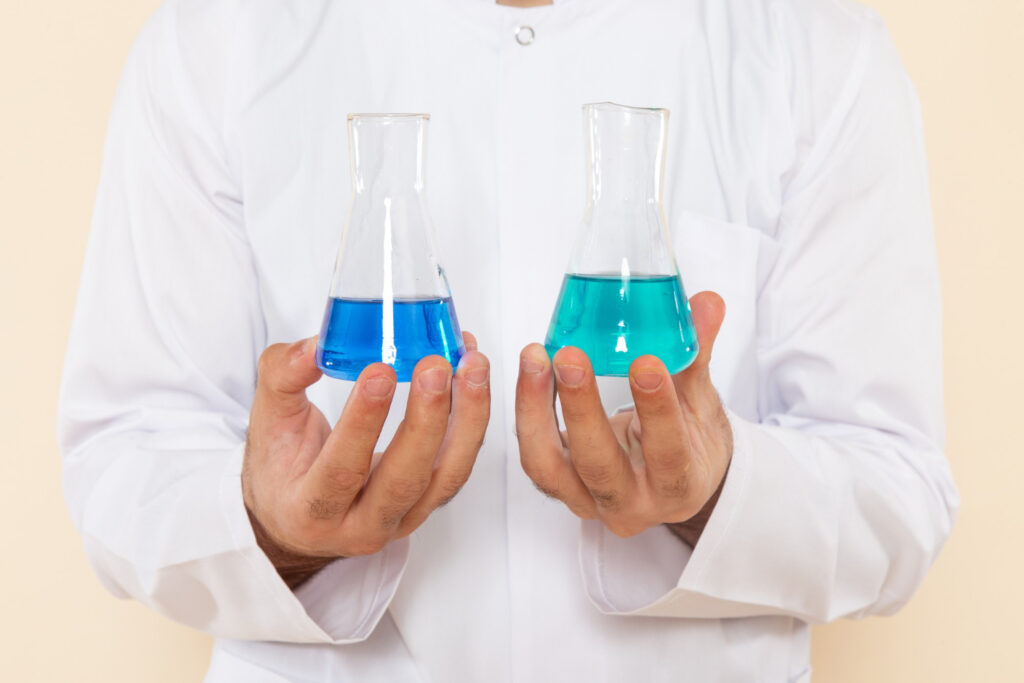
Allyl isothiocyanate is produced commercially by the reaction of allyl chloride and potassium thiocyanate. This synthetic route creates what’s sometimes called “synthetic mustard oil,” distinct from the naturally extracted version.
Production Methods:
| Method | Process | Purity | Main Use |
| Chemical synthesis | Allyl chloride + potassium thiocyanate | >95% | Industrial fumigation, large-scale applications |
| Natural extraction | Steam distillation from mustard seeds | Variable | Food flavoring, specialty applications |
| In situ generation | Brassica cover crops release AITC naturally | Low concentration | Agricultural biofumigation |
Historically, AITC has been extracted from the dried seeds of Brassica nigra (black mustard) for various industrial and therapeutic applications. The natural extraction involves enzymatic breakdown where myrosinase enzyme acts on glucosinolate compounds called sinigrin, liberating free AITC.
The synthetic route offers advantages for industrial applications. The synthetic sources being considered for pre-plant fumigation are typically greater than 95 percent pure, providing consistent quality that natural extraction struggles to match.
Antimicrobial Applications: Fighting Bacteria and Fungi
The antimicrobial power of AITC drives many of its industrial applications. Its antimicrobial, antifungal, and anticancer properties make it a valuable compound in various industries, including food, pharmaceuticals, and cosmetics.
Food Safety and Preservation
AITC is considered as Generally Recognized as Safe (GRAS), thus is permitted as flavoring agent for food products. But beyond flavoring, AITC’s antimicrobial properties extend food shelf life by preventing spoilage.
Effectiveness against common pathogens:
- E. coli O157:H7
- Salmonella species
- Listeria monocytogenes
- Aspergillus flavus (mold)
- Penicillium expansum (mold)
- Vibrio parahaemolyticus
Nadarajah et al. (2002) killed 3.6 log10 cfu g⁻¹ E. coli O157:H7 in ground beef with AIT (200–300 ppm) after 21 d at 4 °C. This demonstrates practical effectiveness in real food applications, not just laboratory conditions.
AITC vapor is also used as an antimicrobial and shelf life extender in food packaging. Modern active packaging systems incorporate AITC in films or sachets that slowly release antimicrobial vapors, protecting food without direct chemical contact.
Water Treatment Applications
AITC may be used in water treatment processes as a disinfectant and antimicrobial agent. While not as common as chlorine-based treatments, AITC offers potential advantages in specialized water treatment scenarios where natural antimicrobials are preferred.
Agricultural Benefits: Natural Pest Control
The global organic farming sector, valued at over $200 billion, is creating substantial demand for natural pest control solutions like AITC. As synthetic pesticides face increasing regulatory scrutiny and consumer resistance, natural alternatives gain market share.
Soil Fumigation and Nematode Control
Synthetic allyl isothiocyanate is used as an insecticide, as an anti-mold agent bacteriocide, and nematicide, and is used in certain cases for crop protection.
AITC has accelerated pilot use and commercial interest as a soil fumigant/nematicide and post-harvest fumigant where regulatory pressure restricts legacy fumigants. Methyl bromide, once the standard soil fumigant, has been phased out due to ozone depletion concerns. AITC provides an effective alternative.
Agricultural applications:
- Pre-plant soil fumigation
- Nematode control in high-value crops
- Post-harvest fumigation for stored products
- Natural biofumigation through cover cropping
Insect Repellent Properties
The compound has been shown to strongly repel fire ants (Solenopsis invicta). This natural defensive compound that plants evolved to protect themselves from herbivores works equally well against agricultural pests.
Allyl isothiocyanate serves as a natural insect repellent, particularly in agricultural settings, helping to protect crops from pests without the use of synthetic chemicals.
Controlled-Release Formulations
Micro- and macro-encapsulation (starch, polymer, wax matrices) are moving from lab scale to commercial product lines to reduce volatility, operator exposure, and off-gassing, enabling broader field use.
The challenge with AITC has always been its high volatility. It evaporates quickly, limiting how long it remains active in soil or storage environments. Encapsulation technologies solve this by:
- Slowing release rates for extended activity
- Reducing applicator exposure during handling
- Improving efficacy through sustained concentration
- Enabling easier storage and transportation
Food Industry Applications
Flavoring and Condiments
It is used principally as a flavoring agent in foods. The characteristic sharp taste in mustard-based products comes almost entirely from AITC.
Products using AITC for flavor:
- Prepared mustard (all varieties)
- Horseradish sauce
- Wasabi paste and powder
- Spicy condiments and marinades
- Pickled vegetables
Active Packaging Innovation
AITC is increasingly explored/used in antimicrobial packaging films and sachets that slowly release vapors for shelf-life extension of bakery, produce, and meat products.
The development of AITC-emitting sachets for food packaging applications includes the preservation of peanuts, cottage cheese, mozzarella cheese, and fresh spinach. These packaging innovations let food companies reduce chemical preservatives while maintaining food safety.
Pharmaceutical and Medical Research
Researchers are increasingly exploring the potential of allyl isothiocyanate in medicinal applications, particularly for its anticancer properties and ability to modulate inflammation.
Anticancer Research
Based on in vitro experiments and animal models, allyl isothiocyanate exhibits many of the desirable attributes of a cancer chemopreventive agent. While human clinical trials remain limited, laboratory research shows promise.
Observed anticancer mechanisms:
- Induces apoptosis (programmed cell death) in cancer cells
- Inhibits tumor growth in animal models
- Modulates detoxification enzymes
- Affects cell signaling pathways involved in cancer progression
AITC is being studied for its potential anti-cancer properties, particularly its role in inhibiting the growth of cancer cells. Research focuses particularly on colorectal, breast, and prostate cancers.
Anti-Inflammatory Properties
AITC has sparked widespread interest due to its various biological actions, which include strong antioxidant, anti-inflammatory, antibacterial, and anticancer capabilities.
The anti-inflammatory effects matter for multiple therapeutic applications including arthritis treatment and cardiovascular health support.
Chemical Synthesis and Materials Science
Polymer Chemistry Applications
AITC’s reactivity makes it a potential monomer for the synthesis of novel polymers. The isothiocyanate functional group reacts readily with amines and alcohols, making it useful in creating specialized polymer materials.
The sample treated with 3-aminopropyltriethoxysilane, S-UNH2, was reacted with allyl isothiocyanate using toluene solution under reflux conditions for 2 h. This demonstrates AITC’s use in surface modification of materials like mesoporous silica.
Materials science applications:
- Surface functionalization of silica materials
- Thiourea derivative synthesis
- Polymer-bound reagent production
- Specialty coating formulations
Analytical Chemistry
It is used as a reagent in various chemical analyses, aiding researchers in the identification and quantification of other compounds in complex mixtures. The reactive isothiocyanate group makes AITC useful for derivatizing compounds before analysis.
Isothiocyanate Benefits: The Broader Class
While this article focuses on allyl isothiocyanate specifically, understanding isothiocyanate benefits more broadly helps appreciate why this entire class of compounds attracts industrial interest.
General isothiocyanate properties:
- Natural occurrence in cruciferous vegetables
- Antimicrobial activity across the compound class
- Potential chemopreventive effects
- Relatively low environmental persistence
- Biologically active at low concentrations
Different isothiocyanates show varying levels of activity and different application profiles. Phenyl isothiocyanate, for example, serves different purposes in chemical synthesis compared to allyl isothiocyanate.
Environmental Profile and Biodegradation
The compiled data indicate that AITC is readily biodegradable in all three ointments may result in its release to the environment through waste streams. This biodegradability represents a significant advantage over persistent synthetic pesticides.
Environmental fate:
- Rapid breakdown in soil through microbial activity
- Volatilization from surface applications
- Low persistence in water systems
- No bioaccumulation in organisms
- Minimal long-term environmental impact
The relatively benign environmental profile makes AITC attractive for applications where residue persistence creates problems with conventional chemicals.
Market Growth and Industrial Trends
Global Allyl Isothiocyanate market was valued at USD 39.4 million in 2024. The market is projected to grow from USD 41.2 million in 2025 to USD 49.4 million by 2032.
Growth drivers:
- Increasing demand for natural food preservatives
- Expansion of organic farming practices
- Regulatory restrictions on synthetic fumigants
- Consumer preference for clean-label products
- Development of controlled-release formulations
Market growth is driven by expanding applications in food preservation and agriculture, where it functions as a natural antimicrobial agent.
Safety Considerations and Handling
Allyl isothiocyanate has an LD50 of 151 mg/kg and is a lachrymator (similar to tear gas or mace). While generally safe at approved usage levels, concentrated AITC requires careful handling.
Industrial safety measures:
- Use in well-ventilated areas
- Protective equipment for handlers
- Proper storage in sealed containers
- Awareness of lachrymatory (tear-inducing) effects
- Fire safety precautions (flammable liquid)
Despite these handling requirements, AITC’s toxicity profile compares favorably to many synthetic alternatives, particularly when considering environmental and residue concerns.
Sourcing Industrial-Grade Allyl Isothiocyanate
For manufacturers requiring allyl isothiocyanate for food preservation, agricultural applications, or chemical synthesis, sourcing from qualified suppliers who provide appropriate grades with complete documentation is essential. Elchemy connects industrial facilities with verified suppliers of both synthetic and naturally-derived AITC meeting industry specifications. Whether you need GRAS-certified material for food applications, high-purity AITC for fumigation, or technical grade for chemical synthesis, we help source compounds with certificates of analysis, safety documentation, and regulatory compliance support for your specific application requirements.
Conclusion
Allyl isothiocyanate benefits extend across a remarkable range of industrial sectors. From protecting stored grain against pests to extending the shelf life of fresh produce, from flavoring mustard to potentially preventing cancer, this naturally-derived compound demonstrates versatility that few chemicals can match. The combination of antimicrobial power, relatively low toxicity, environmental biodegradability, and natural origin positions AITC well for continued growth as industries seek alternatives to synthetic chemicals.
As encapsulation technologies improve and new applications emerge, allyl isothiocyanate will likely play an expanding role in sustainable agriculture, natural food preservation, and pharmaceutical development. The challenge for industry is harnessing its benefits while managing its volatility and pungency through formulation innovation. For chemical sector professionals, understanding AITC’s properties and applications opens opportunities in markets increasingly demanding natural, effective, and environmentally responsible solutions.