

At a Glance
- U.S. skincare brands are using essential oils beyond fragrance, positioning them as functional skin-support ingredients
- Natural essential oil for skin is increasingly used in moisturizers and serums for calming, balancing, and sensory benefits
- Brands favor well-studied oils like lavender, tea tree, chamomile, and frankincense to reduce irritation risks
- Essential oils are formulated at low concentrations to meet safety, stability, and regulatory expectations
- Clean beauty and ingredient transparency trends are shaping how oils are sourced, disclosed, and marketed
- Challenges include sensitization risk, oxidation, and compliance under U.S. cosmetic labeling rules
The U.S. skincare market has evolved rapidly over the past decade. Consumers no longer judge moisturizers and serums only by texture or immediate results. Ingredient transparency, sourcing ethics, and long-term skin compatibility now play a central role in purchase decisions.
This shift has pushed brands to revisit botanical ingredients that were once considered niche. One category seeing renewed attention is essential oils. Today, essential oils are no longer added only for fragrance. Instead, brands are carefully integrating them into formulations for functional and sensory benefits.
The growing demand for natural essential oil for skin reflects a broader move toward plant-based actives that support skin health while aligning with clean beauty expectations. U.S. brands, both emerging and established, are adopting a more disciplined approach to how essential oils appear in moisturizers and serums.
Why essential oils are gaining traction in U.S. skincare
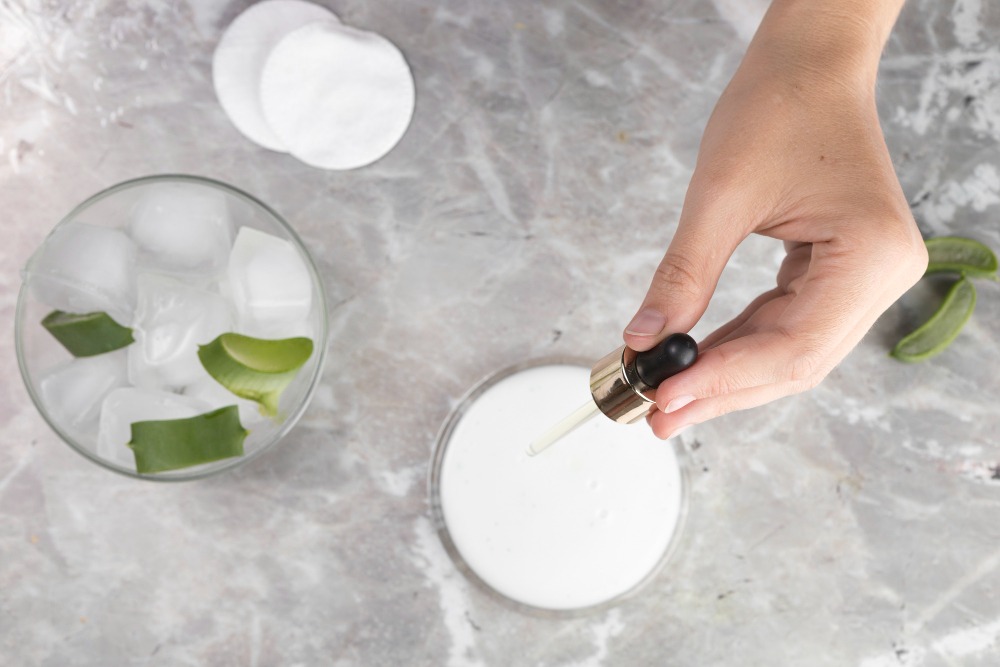
Several factors explain why essential oils have become more prominent in modern skincare formulations.
Consumers have become more educated about ingredient lists. Synthetic fragrances, once accepted without question, are now scrutinized. Many buyers associate them with irritation or long-term sensitivity, even when used within regulatory limits.
Essential oils provide an alternative that feels familiar and botanical. When properly formulated, they allow brands to deliver a pleasant sensory experience while maintaining alignment with clean-label positioning.
Another factor is multifunctionality. Certain essential oils offer antimicrobial, soothing, or antioxidant properties. This allows brands to reduce formulation complexity while still delivering visible benefits.
Understanding essential oils in moisturizers and serums
Essential oils are concentrated plant extracts obtained through steam distillation, cold pressing, or similar solvent-free methods. They differ significantly from carrier oils in both potency and usage level.
In skincare, essential oils are typically used at concentrations well below 1 percent. At these levels, they influence scent, skin feel, and functional performance without overwhelming the formulation.
A natural essential oil for skin is selected based on several formulation criteria:
- Skin compatibility and irritation profile
- Stability in emulsions or serum systems
- Interaction with other actives and preservatives
- Consumer familiarity and acceptance
U.S. brands tend to avoid experimental or aggressive oils in leave-on products, focusing instead on those with established cosmetic use histories.
How U.S. brands use essential oils in moisturizers
Moisturizers remain the most common entry point for essential oil integration.
Sensory differentiation
Texture and scent strongly influence consumer perception. Essential oils help brands create subtle, plant-derived aromas that feel intentional rather than perfumed. Lavender, rose, and citrus oils are often used to convey calmness, freshness, or comfort.
Unlike synthetic fragrances, these scents are usually softer and fade naturally after application, which many consumers prefer.
Supporting skin comfort
Some essential oils are selected for their soothing properties. Chamomile and frankincense are frequently included in moisturizers designed for sensitive or stressed skin.
These oils are not positioned as treatment ingredients. Instead, they support overall skin comfort and help reinforce the product’s calming narrative.
Blending into botanical systems
U.S. brands often combine essential oils with plant butters, botanical extracts, and carrier oils. This allows the product to be marketed as a cohesive botanical blend rather than a formula built around a single hero ingredient.
Essential oils in facial serums
Serums demand a more careful formulation approach due to their higher active concentrations and lightweight textures.
Precision use at low concentrations
In serums, essential oils are included at even lower levels than in moisturizers. This minimizes irritation risk while still delivering aromatic and functional benefits.
Tea tree oil, for example, may appear in acne-focused serums at very controlled levels, supporting antimicrobial performance without overwhelming the skin.
Targeted formulation strategies
U.S. brands tend to use essential oils in serums tied to specific skin concerns:
- Tea tree oil in blemish-control formulas
- Neroli or rose oils in hydrating serums
- Sandalwood in calming or redness-focused products
These oils are rarely marketed as standalone solutions. They are positioned as complementary ingredients working alongside niacinamide, peptides, or hyaluronic acid.
Lightweight delivery systems
To maintain a non-greasy feel, essential oils are often solubilized into water-based or gel-serum systems. This requires careful emulsifier selection and stability testing to prevent separation or volatility loss.
Essential oils most commonly used by U.S. brands
| Essential Oil | Typical Application | Functional Role |
| Lavender | Night creams, serums | Calming, soothing |
| Tea Tree | Acne serums | Antimicrobial |
| Chamomile | Sensitive skin moisturizers | Anti-inflammatory |
| Frankincense | Anti-aging serums | Skin conditioning |
| Rose | Hydration-focused creams | Barrier support |
These oils are widely accepted by consumers and easier to support from a safety and regulatory standpoint.
all natural essential oil in brand messaging
The phrase all natural essential oil is frequently used in U.S. skincare marketing, particularly in clean beauty and wellness segments.
However, brands that rely solely on the phrase without explanation risk credibility issues. Savvy consumers expect context and proof.
Strong brands support the claim through:
- Clear botanical naming on labels
- Disclosure of extraction methods
- Absence of synthetic fragrance blends
- Traceable sourcing information
This approach helps build trust and avoids accusations of greenwashing.
Formulation challenges brands must manage
Despite their appeal, essential oils introduce several formulation challenges.
Sensitivity management
Essential oils are biologically active. Incorrect dosing or poor-quality sourcing can lead to irritation, especially in leave-on products. U.S. brands mitigate this risk through conservative usage levels and extensive patch testing.
Stability and oxidation
Essential oils are volatile and prone to oxidation. Formulators often protect them using antioxidant systems and oxygen-limiting packaging. Without these safeguards, scent profiles and efficacy can degrade over time.
Regulatory compliance
In the U.S., cosmetic labeling requires full ingredient disclosure. Certain essential oil constituents must be declared if present above specific thresholds. Brands must also ensure claims remain cosmetic rather than therapeutic.
Educating the U.S. consumer
Consumer perception around essential oils remains divided. Some buyers actively seek them, while others avoid them due to past irritation experiences.
Brands address this by explaining:
- Why a specific oil was chosen
- How low the concentration is
- What role it plays in the formula
Education helps reframe essential oils as controlled formulation tools rather than risky additives.
Clean beauty’s influence on essential oil usage
The clean beauty movement has changed how essential oils are used, not just how often.
Modern clean beauty brands favor:
- Fewer essential oils per formula
- Single-oil systems over complex blends
- Oils selected for function rather than scent
This restraint reflects a more mature understanding of botanical formulation.
Sourcing and supply chain considerations
For U.S. brands, sourcing quality essential oils is critical.
Key priorities include:
- Consistent chemical profiles
- Sustainable harvesting practices
- Batch traceability
- Regulatory documentation
As brands scale, they increasingly partner with specialized ingredient suppliers rather than general commodity traders.
Packaging choices shaped by essential oils
Packaging decisions often reflect essential oil sensitivity rather than branding alone.
Common choices include amber glass, airless pumps, and smaller pack sizes. These formats reduce oxidation and preserve aromatic integrity throughout shelf life.
Market outlook
The use of natural essential oil for skin in U.S. moisturizers and serums is expected to grow steadily. Growth will be driven primarily by premium, dermatologist-informed, and wellness-focused brands.
Future innovation will likely center on improved stability systems, lower irritation profiles, and better synergy between essential oils and biotech-derived actives.
Conclusion
U.S. skincare brands are incorporating essential oils into moisturizers and serums with greater precision and responsibility than ever before. Essential oils are no longer decorative ingredients. They are functional components used to enhance skin comfort, sensory appeal, and brand storytelling.
A natural essential oil for skin can add real value when backed by careful formulation, responsible sourcing, and transparent communication. As the market matures, restraint and clarity will define which brands succeed in using essential oils effectively.