

At a Glance
- green tea extract is a concentrated form of the catechins in green tea leaves, with EGCG being the primary active compound making up around 50% of total polyphenols
- EGCG has solid evidence for cardiovascular benefits, antioxidant activity, modest weight management support, and anti-inflammatory effects
- ashwagandha root is an adaptogenic herb from Ayurvedic medicine with withanolides as its main active compounds
- multiple meta-analyses confirm ashwagandha significantly reduces cortisol, perceived stress scores, and anxiety in adults
- both are widely used, both have real research behind them, and both have specific safety considerations worth knowing
- green tea extract above 800mg EGCG daily is linked to liver enzyme elevation, take with food
- ashwagandha at 300 to 600mg daily for 8 to 12 weeks is the best-studied range with a generally clean safety record
- neither is a magic fix but both have more clinical backing than most supplements in this category
Two supplements that keep coming up whenever people start looking into natural health options are green tea extract and ashwagandha root. One comes from a leaf, one from a root. Different mechanisms, different use cases, different histories. But both have accumulated enough clinical research to have a real conversation about what they actually do and what they don’t.
This isn’t a “stack these two together for maximum results” pitch. It’s a straightforward breakdown of what each one is and what the evidence shows.
What Is Green Tea Extract
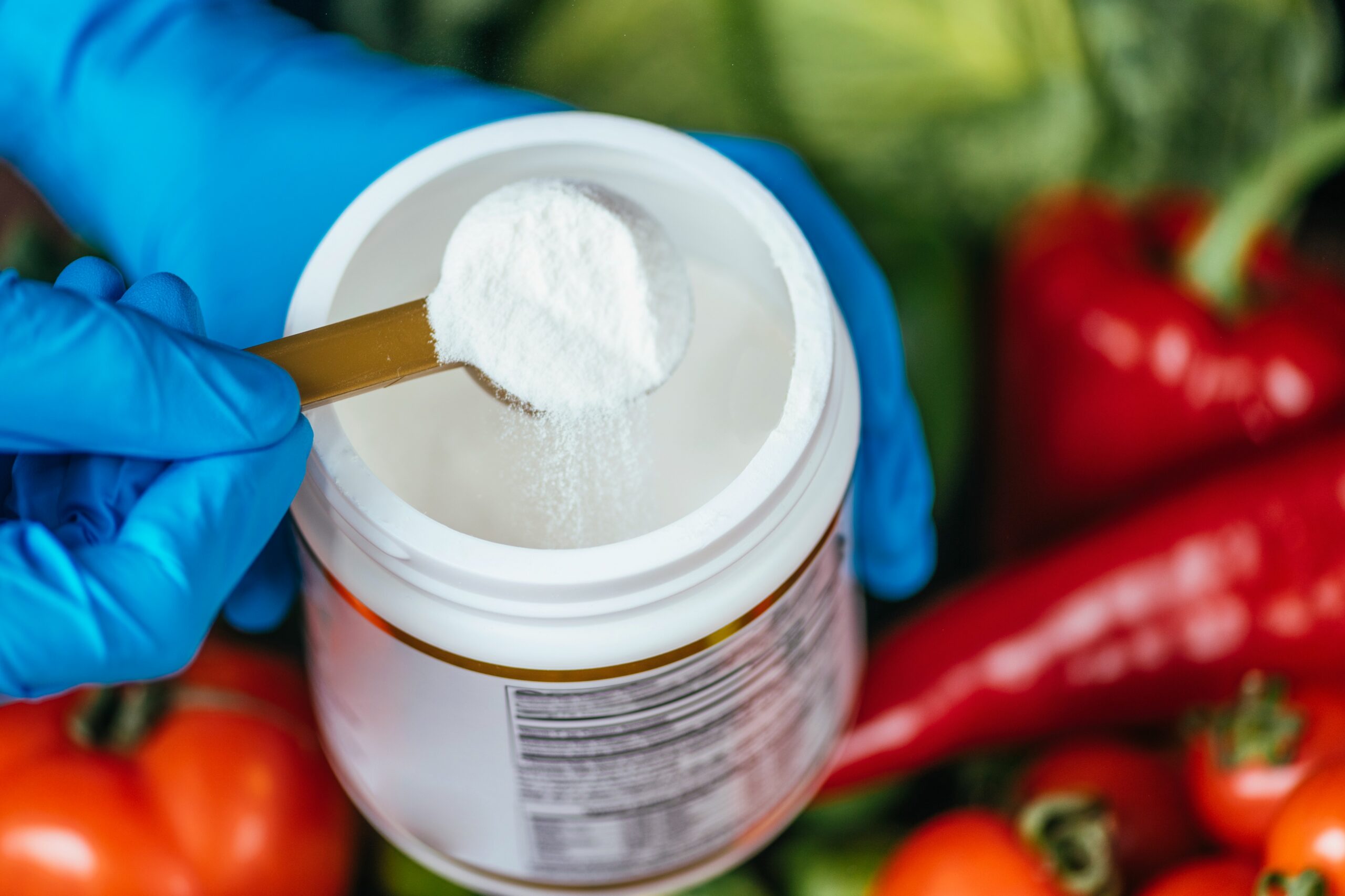
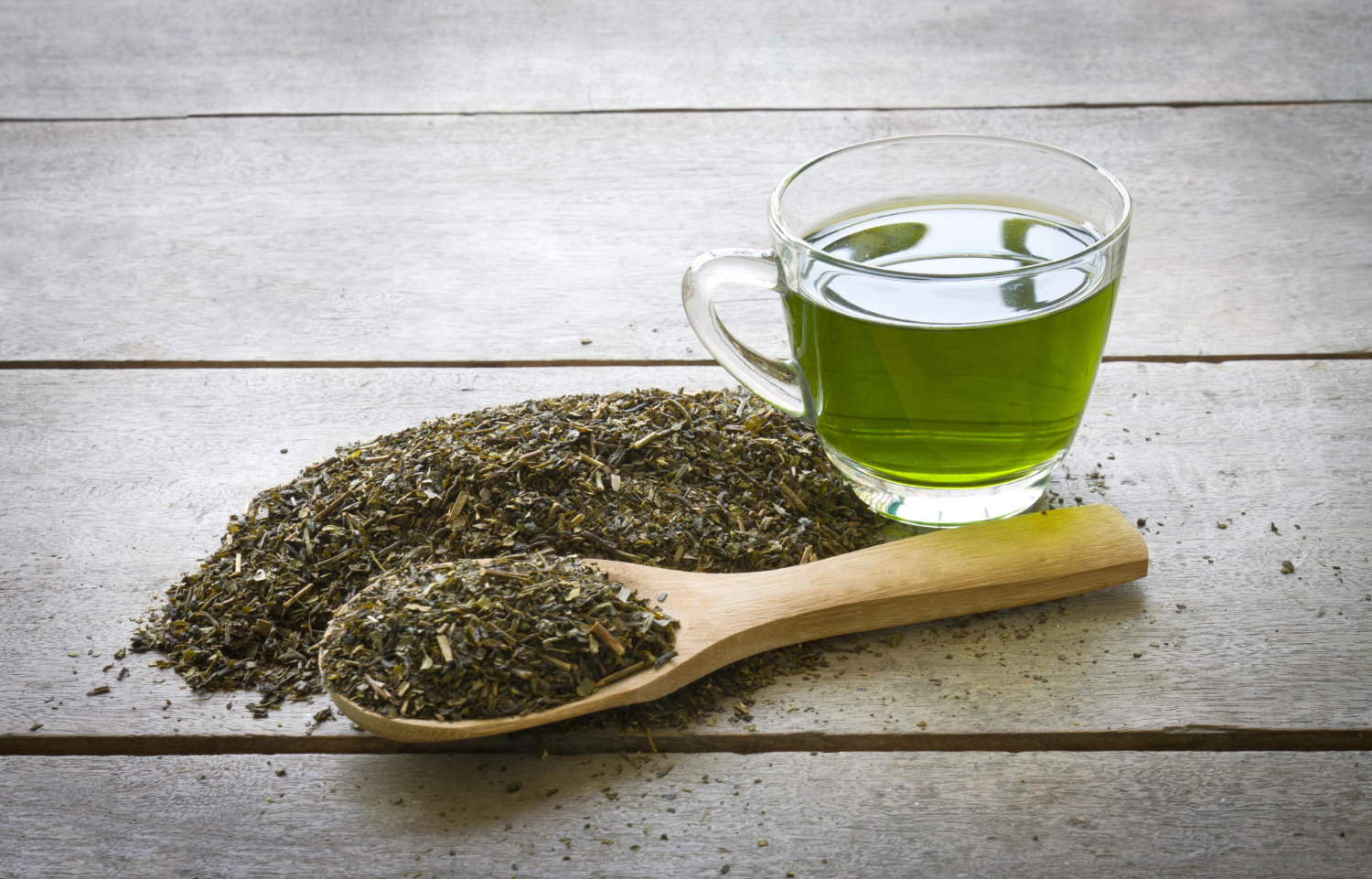
Green tea extract is a concentrated supplement made from the leaves of Camellia sinensis, the same plant that gives you your morning cup. The difference is concentration. A cup of green tea gives you roughly 50 to 100mg of EGCG. A standard green tea extract supplement delivers 200 to 500mg or more in a single capsule.
The primary active compounds are catechins, a type of flavonoid polyphenol. There are eight main catechins in green tea but the one that accounts for most of the research interest is epigallocatechin gallate, or EGCG. It makes up around 50% of the total polyphenol content in green tea and is the compound most studies specifically examine.
EGCG has antioxidant activity through two mechanisms. It directly neutralizes free radicals through its polyphenolic structure, and it activates endogenous antioxidant pathways in cells, essentially telling cells to produce their own protective enzymes. This dual action is why it shows up in research across different disease contexts.
One bioavailability note worth knowing: EGCG isn’t absorbed in huge quantities from the small intestine. A significant portion reaches the colon where gut bacteria further metabolize it. This means gut health affects how much you actually benefit, and it also explains why some people respond more strongly to green tea extract than others.
Green Tea Extract Benefits: What the Research Shows
Cardiovascular and Cholesterol
This is the most consistent evidence. A 2020 systematic review of 31 trials with 3,321 participants found green tea generally lowers total cholesterol and LDL cholesterol. A 2022 review confirmed EGCG supports heart health by reducing blood pressure and cholesterol, and reducing plaque accumulation in blood vessels. A 2023 review linked higher green tea intake to lower risk of death from heart disease.
The mechanisms are direct: EGCG reduces lipid oxidation, improves endothelial function in blood vessel walls, and reduces inflammatory markers including TNF-alpha and IL-6 that contribute to cardiovascular risk. These aren’t vague “antioxidant benefits,” they’re documented effects on specific pathways.
Weight Management
More mixed but real at adequate doses. A 2021 systematic review found significant reductions in BMI and waist circumference with green tea over 12 weeks, with the best results when combined with dietary adjustments and exercise. The mechanism involves EGCG activating AMPK, an enzyme that affects fat metabolism, and working synergistically with caffeine in most green tea extract products.
The key word is dose-dependent. Significant effects in humans appear at 400 to 500mg of EGCG equivalent per day. Lower doses show weaker results. A 2025 PMC review confirmed that 150mg per day of EGCG for 12 weeks meaningfully reduced LDL and total cholesterol in overweight men, while some studies at 300mg daily for 3 months showed no significant weight effects. Dose and individual response matter a lot here.
Antioxidant and Anti-Inflammatory
A 2024 meta-analysis of 10 randomized controlled trials found green tea extract supplementation significantly reduced malondialdehyde (MDA), a marker of oxidative stress. Results were consistent across studies. The anti-inflammatory effects on NF-kB and pro-inflammatory cytokines are well-documented in both lab and clinical settings.
Brain and Neuroprotection
More observational data than definitive clinical proof. Multiple studies link higher green tea intake to lower risk of age-related cognitive decline and reduced incidence of Alzheimer’s and Parkinson’s disease in population studies. Some EGCG effects on brain health have been observed in people with Down syndrome in clinical trials. For healthy adults, there’s no large-scale human trial confirming EGCG prevents cognitive decline, but the mechanistic case is solid enough to keep this area under active research.
What About Cancer
The FDA’s position is that evidence linking green tea to cancer prevention is “weak and limited.” Animal and lab studies show EGCG inhibiting cancer cell proliferation across multiple cancer types. Population studies show associations. But clinical trials in humans have not produced consistent results for cancer prevention endpoints. The FDA approved a green tea extract ointment (sinecatechins/Veregen) specifically for genital warts treatment, which is a different application. For cancer, the research is interesting but not actionable as a treatment or prevention claim.
Green Tea Extract: Dosage and Safety
The practical guidance is clear:
Standard research doses range from 150 to 800mg of EGCG equivalent per day. The European Food Safety Authority concluded that intakes above 800mg EGCG daily significantly increase liver enzyme levels. The United States Pharmacopeia identified 51 case reports of hepatotoxicity associated with green tea extract at doses of 500mg to 3,000mg daily.
- Take with food, this reduces liver stress risk significantly
- Stay under 800mg EGCG daily unless in a supervised clinical context
- If you have existing liver conditions, consult a doctor first
- Green tea extract interacts with several medications including nadolol (beta-blocker), atorvastatin (statin), and raloxifene (osteoporosis drug), reducing their effectiveness
- People with certain UGT1A4 gene variants may have higher hepatotoxicity risk
The hepatotoxicity risk is real but occurs primarily at high doses or when taken on an empty stomach. At 200 to 400mg EGCG with food, the safety profile is reassuring across the clinical trial literature.
What Is Ashwagandha Root For
Ashwagandha (Withania somnifera) is a small shrub from India and North Africa that’s been used in Ayurvedic medicine for thousands of years. It’s classified as an adaptogen, meaning it helps the body manage and adapt to stress rather than simply suppressing or stimulating a single system.
The root is the most commonly used part. Most supplements use root extracts standardized to withanolide content, the main bioactive compounds. Withanolides are steroidal lactones that interact with multiple physiological systems simultaneously, which is why ashwagandha affects stress, sleep, hormones, and physical performance through what looks like overlapping mechanisms.
The primary mechanism for stress effects runs through the hypothalamic-pituitary-adrenal (HPA) axis, the system that regulates cortisol production. Ashwagandha appears to modulate HPA axis activity, which is why cortisol reduction is the most consistently measured biomarker across clinical trials. It also has documented effects on GABA-related pathways contributing to its anxiolytic properties, and antioxidant activity through withanone protecting cells from oxidative damage.
Ashwagandha Root Benefits: What the Research Shows

Stress and Cortisol
This is where the evidence is strongest and most consistent. A 2024 meta-analysis of 9 randomized controlled trials with 558 patients published in EXPLORE showed ashwagandha significantly reduced perceived stress scores (PSS: MD = -4.72), Hamilton Anxiety Scale scores (MD = -2.19), and serum cortisol levels (MD = -2.58) compared to placebo. All statistically significant.
A 2025 systematic review and meta-analysis published in BJPsych Open from RCPsych International Congress 2025 confirmed: ashwagandha supplementation is safe and effective in reducing stress and anxiety in adults, with statistically significant reductions in cortisol, PSS, and HAM-A scales.
The landmark Chandrasekhar 2012 study (300mg twice daily for 60 days) showed a 27.9% reduction in cortisol from baseline in the ashwagandha group versus 7.9% in placebo, with significant reductions across multiple stress assessment scales. This study has been replicated and extended in subsequent trials.
Sleep
Consistently positive in trials. Multiple double-blind placebo-controlled studies show improvements in sleep quality, sleep onset latency, and total sleep time with ashwagandha at doses of 240 to 600mg daily. The sleep effects are partly explained by its GABAergic activity and partly mediated through cortisol reduction, since high cortisol disrupts sleep architecture.
Physical Performance and Muscle Strength
A 2024 clinical trial with 80 healthy exercisers (both men and women, ages 18-45) randomized to ashwagandha 300mg twice daily for 8 weeks showed significantly greater improvements in bench press, leg press, chest, arm and thigh circumference, and VO2max compared to placebo. VO2max improved by 9.5% in men and 7% in women in the ashwagandha group.
An earlier landmark trial by Wankhede et al. with 57 men showed significantly greater muscle strength on bench press and leg extension, larger arm and chest circumference, reduced exercise-induced muscle damage (lower creatine kinase), and significantly increased testosterone levels in the ashwagandha group versus placebo after 8 weeks of resistance training.
A 2025 review in Nutrition and Metabolism confirmed ashwagandha supplementation at 240 to 600mg daily enhances strength and power in untrained individuals, with at least one study showing benefits in trained individuals as well.
Testosterone and Hormones
Several trials show increases in testosterone and DHEA-S with ashwagandha use, particularly in men. Effect sizes vary across studies and the mechanism isn’t fully established. Current evidence is described by the NIH as “limited but promising.” The testosterone effects appear more consistent in men with lower baseline levels or those under chronic stress, where HPA axis dysregulation may be suppressing gonadal function.
Cognitive Function
Ashwagandha shows improvements in working memory, reaction time, and cognitive performance in several trials. A 2013 randomized controlled trial in bipolar disorder patients showed improvements in cognitive function. A 2017 study showed efficacy and safety of ashwagandha root extract in improving memory and cognitive functions. Results in healthy adults are positive but come mostly from smaller trials.
Dosing, Forms, and Safety
Clinical trials have used 240mg to 600mg daily of standardized root extract, with most studies running 8 to 12 weeks. Both once-daily and split-dose protocols work. Most quality supplements are standardized to 2.5% to 5% withanolides.
The safety record is generally clean. A 2025 observational study of 12 months of ashwagandha supplementation found no significant changes in liver parameters, renal parameters, thyroid function, or blood counts. Most adverse events across trials are mild GI complaints, reported in small percentages of participants.
Things to be aware of:
- Avoid during pregnancy, animal data raises abortifacient concerns though human data is limited
- Some case reports of thyroid hormone elevation (thyrotoxicosis), relevant if you have thyroid conditions
- Rare cases of liver injury at higher doses have been reported, worth noting if you have liver conditions
- Denmark banned it as a food supplement in 2023 due to safety concerns about long-term thyroid effects, though the scientific community’s view is that evidence for harm is limited
- France’s food safety agency (ANSES) issued a 2024 advisory recommending caution
- Interacts with thyroid medications, immunosuppressants, and some sedatives
For healthy adults without the above conditions, ashwagandha at 300 to 600mg daily for 8 to 12 weeks has a very well-documented safety profile based on clinical trial data.
Green Tea Extract vs Ashwagandha: Quick Comparison
| Green Tea Extract | Ashwagandha Root | |
| Primary use | Antioxidant, cardiovascular, modest weight support | Stress, anxiety, cortisol reduction, sleep |
| Key compounds | EGCG and catechins | Withanolides |
| Evidence strength | Strong for cardiovascular and antioxidant | Strong for stress, anxiety, cortisol |
| Typical dose | 200 to 400mg EGCG daily | 300 to 600mg daily |
| Main safety concern | Liver toxicity at high doses (800mg+ EGCG) | Thyroid effects, pregnancy contraindication |
| Take with food | Yes, reduces liver risk | Recommended |
| Good for | Heart health, metabolism support, antioxidant | Stress management, sleep, physical performance |
| Evidence for athletes | Modest antioxidant and metabolic support | Strength, VO2max, testosterone, recovery |
Sourcing Quality
Both compounds vary significantly in quality depending on standardization and extraction method. Green tea extract quality depends on actual EGCG percentage and whether the product specifies this versus just listing “green tea extract.” For ashwagandha, KSM-66 and Sensoril are the most studied branded extracts with consistent withanolide standardization and the most clinical trial data behind them.
For ingredient buyers and supplement manufacturers sourcing either at scale, Elchemy connects buyers with verified suppliers of standardized green tea extract and ashwagandha root extract with full documentation on polyphenol content, withanolide percentage, heavy metal testing, and compliance certifications for food and nutraceutical applications.
Bottom Line
What is green tea extract? It’s a concentrated catechin supplement with EGCG as the main active compound, with solid evidence for cardiovascular health, antioxidant effects, and modest metabolic support. Real benefits, real safety considerations at high doses, take with food and stay under 800mg EGCG daily.
What is ashwagandha root for? It’s an adaptogenic herb with the strongest clinical evidence for stress reduction, cortisol modulation, sleep improvement, and increasingly solid data on physical performance. Multiple meta-analyses back the stress and cortisol claims specifically. Generally safe at studied doses for healthy adults without thyroid conditions or pregnancy.
Neither supplement is going to transform your health on its own. Both have more clinical backing than most of what’s on supplement shelves. If stress and recovery are the goal, ashwagandha is the cleaner choice. If cardiovascular and metabolic support is the priority, green tea extract has the more consistent evidence base. Plenty of people use both without issue.