

At a Glance
- Citric acid is a weak organic acid (C₆H₈O₇) extracted naturally from citrus fruits or fermented from glucose; sodium citrate is the sodium salt of citric acid (Na₃C₆H₅O₇)
- Citric acid dominates food additive market at $3.2B-4.4B (2024), projected to reach $4.7B-7.1B (2033-2036) at 3.7%-5.4% CAGR; sodium citrate is smaller market at $0.65B-1.38B (2024) but growing faster at 4.3%-7.5% CAGR through 2034
- Citric acid excels as acidulant/flavor enhancer for pH reduction; sodium citrate performs superior in buffering, emulsification, and pH stabilization for processed foods
- Sodium citrate in beverages provides stable pH without sharp acidity; citric acid delivers pronounced tartness suitable for sour candy, soda, and citrus-flavored products
- Both achieve GRAS (Generally Recognized As Safe) status and FDA approval; sodium citrate is E331 in EU regulations
- Citric acid: stronger acidity (pH <3), direct effect on flavor, lower solubility in cold water, used in 49-65% food/beverage applications plus pharmaceuticals/cleaning
- Sodium citrate: mildly alkalizing (pH >7), neutral/salty taste, superior emulsification for processed cheese and dairy, antimicrobial properties, 40% food applications plus pharmaceuticals
- Performance selection: citric acid for sour products/preservation, sodium citrate for texture/emulsification/pH stability
- Global production: citric acid 1.2-1.6 million metric tons annually (99% fermentation-based); sodium citrate smaller volume but expanding for pharmaceutical and clean-label food applications
The distinction between citric acid and sodium citrate confuses many food manufacturers and formulators. Are they interchangeable? Which performs better for specific applications? The answer reveals that neither is universally superior; rather, their chemical differences create distinct functional advantages in different food systems.
This comparison matters because formulation choices drive product performance, cost structure, regulatory positioning, and consumer perception. A beverage engineer selecting between these additives faces different constraints than a processed cheese manufacturer or a confectionery producer. Understanding when citric acid vs sodium citrate performs better enables smarter ingredient selection, optimized product stability, and manufacturing efficiency.
The Chemical Foundation: Acid versus Salt
The fundamental distinction rests on chemical structure. Citric acid is a weak organic acid containing three carboxylic acid groups (COOH), contributing its characteristic tartness and acidifying capacity. Manufactured citric acid is produced through fermentation of glucose by the mold Aspergillus niger—a process accounting for approximately 99% of global commercial supply. Annual fermentation-based production reaches 1.2-1.6 million metric tons globally.
Sodium citrate is the sodium salt derivative of citric acid, formed by neutralizing citric acid with sodium carbonate or sodium hydroxide. This neutralization process replaces the acidic hydrogen atoms with sodium cations, fundamentally altering the compound’s properties. Sodium citrate comes in three forms: monosodium citrate (NaH₂C₆H₅O₇), disodium citrate (Na₂HC₆H₅O₇), and trisodium citrate (Na₃C₆H₅O₇), with trisodium citrate being the most common food-grade variant.
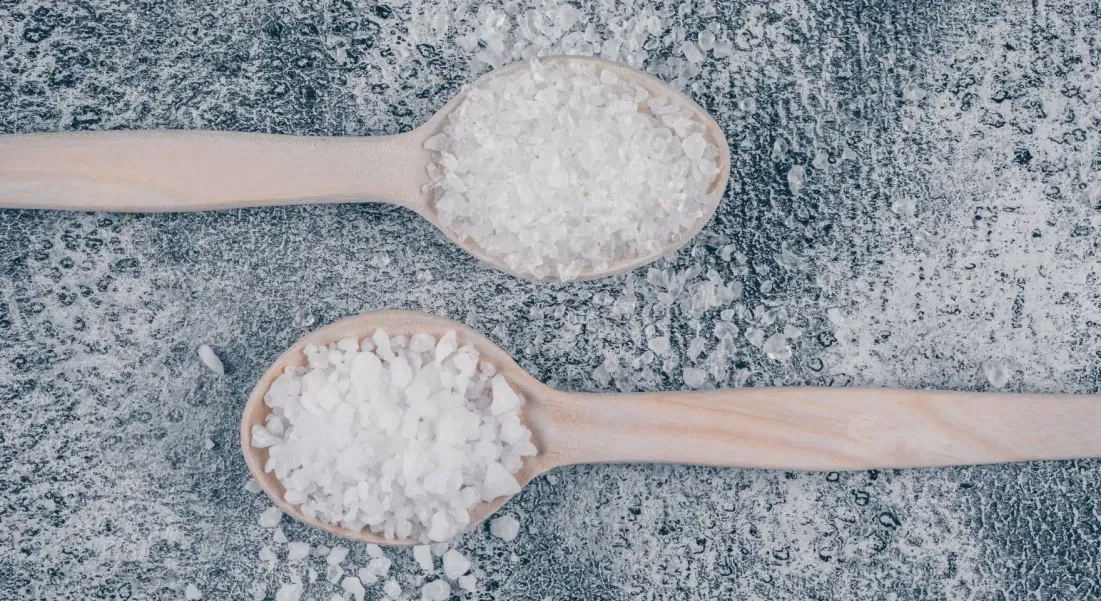
Physically, citric acid forms white crystalline anhydrous powder or monohydrate crystals. Sodium citrate precipitates as white granules or crystalline powder. Both dissolve in water, though solubility profiles diverge meaningfully: citric acid shows moderate water solubility (approximately 83 grams per 100 mL at 20°C), while sodium citrate demonstrates significantly higher solubility (approximately 150-200 grams per 100 mL at ambient temperature). This solubility difference translates directly into functional performance in cold beverages, crystallization control, and ingredient dispersal.
Market Positioning: Size Disparity with Growth Divergence
The citric acid market commands substantially larger absolute size but grows more slowly. Valued at $3.2-4.4 billion in 2024, citric acid is projected to reach $4.7-7.1 billion by 2033-2036 at compound annual growth rates of 3.7%-5.4%. The market’s maturity reflects its status as an essential commodity ingredient with established supply chains, competitive pricing ($0.60-1.20 per kilogram wholesale), and consolidated manufacturing capacity across Asia (dominant), Europe, and North America.
Sodium citrate operates from a smaller base ($0.65-1.38 billion in 2024) but expands at faster rates (4.3%-7.5% CAGR through 2034), projected to reach $1.03-2.5 billion. This faster growth reflects emerging applications in pharmaceuticals, functional foods, and clean-label products where sodium citrate’s buffering and emulsifying properties address specific formulation challenges. Wholesale pricing ranges $1.50-3.00 per kilogram, higher than citric acid but justified by functional performance in specific applications.
By application, citric acid consumption splits across food and beverage (49-65% share, driven by beverage manufacturers, confectionery, and preserved foods), pharmaceuticals (15-20%), personal care and cosmetics (10-15%), and industrial/cleaning products (10-15% and growing due to phosphate restrictions in detergents). Sodium citrate concentrates more narrowly: food processing at 40%, pharmaceuticals at 30%, personal care at 15%, and industrial uses at 15%.
This segmentation reveals different growth drivers. Citric acid benefits from broad-based applications and the shift toward natural preservatives in processed foods. Sodium citrate’s faster growth reflects pharmaceutical innovation (anticoagulant applications in blood collection and storage expanding), clean-label food products (where sodium citrate’s neutrality appeals to natural-ingredient positioning), and functional beverage development requiring precise pH stability.
Functional Properties: Where Performance Diverges
Understanding how citric acid and sodium citrate perform differently requires examining their functional properties across key applications.
Acidity and pH Impact: Citric acid is a triprotic weak acid, donating up to three protons and creating strongly acidic solutions (pH < 2 at typical food concentrations). This acidifying capacity makes citric acid the preferred ingredient for directly lowering pH, creating acidic taste profiles, and inactivating pathogens through environmental acidification. A typical 5% citric acid solution achieves pH approximately 2.0-2.5, suitable for shelf-stable preservation of high-acid foods.
Sodium citrate, being the deprotonated salt form, is mildly alkaline and actually increases pH. Sodium citrate solutions at equivalent molarity are pH 7.5-8.0 or higher, meaning sodium citrate cannot acidify products alone. Instead, it buffers against pH changes and stabilizes target pH values. This property proves essential in processed cheese, where sodium citrate’s buffering capacity prevents acid-driven protein precipitation that would cause texture degradation.
Solubility and Dispersability: Citric acid’s moderate solubility creates challenges in cold beverages. At refrigeration temperatures, citric acid’s solubility drops, potentially causing crystallization or turbidity in clear drinks. Manufacturers often specify anhydrous citric acid (better cold solubility) over monohydrate in sensitive applications. Sodium citrate’s superior solubility eliminates this concern, enabling crystal-clear solutions at any temperature—a critical advantage for carbonated soft drinks, clear juices, and transparent beverages.
Buffering Capacity: Citric acid possesses buffering action around pH 3-6 due to its multiple ionizable groups. However, citric acid works best as a buffer when combined with its conjugate base (as in a citrate buffer system), which is precisely sodium citrate. Many formulators use citric acid and sodium citrate together, exploiting the citric acid-sodium citrate equilibrium to create robust pH buffering across target pH ranges.
Sodium citrate alone provides buffering primarily in the alkaline range (pH 6.5-8.5), making it ideal for maintaining neutral-to-slightly-alkaline pH targets without strong acid-base swings during processing or storage.
Emulsification and Texture: This is sodium citrate’s distinctive advantage. The citrate anion complexes with calcium and magnesium ions in dairy products, disrupting protein-mineral interactions that cause curdling, syneresis (whey separation), or texture loss. In processed cheese manufacturing, sodium citrate is irreplaceable: it maintains smooth texture, prevents separation, and creates stable emulsions even during heat treatment and storage. Citric acid lacks these emulsification properties—acidification actually destabilizes dairy protein systems, making citric acid unsuitable for applications requiring preserved emulsion stability.
Sodium Citrate in Beverages: Performance Advantages
The secondary keyword “sodium citrate in beverages” highlights an important application where sodium citrate outperforms citric acid in specific categories. Sports drinks, electrolyte beverages, and ready-to-drink protein shakes frequently specify sodium citrate over citric acid for several reasons.
Sodium citrate’s buffering capacity maintains stable pH despite the acidifying effects of other ingredients (natural acids, ascorbic acid, fruit juice concentrates). This stability prevents flavor drift, bitter aftertastes from acid degradation, and texture changes in emulsified beverages during storage. Carbonated soft drinks increasingly use sodium citrate in combination with citric acid: citric acid delivers tartness and flavor impact, while sodium citrate buffers pH swings and prevents citric acid crystallization during cold storage.
Electrolyte-fortified beverages benefit further from sodium citrate’s sodium content, contributing to the electrolyte profile alongside potassium, magnesium, and calcium. The mild taste and neutral mouthfeel of sodium citrate contrast favorably with citric acid’s pronounced tartness, appealing to consumers seeking balanced flavor rather than extreme sourness.
In mineral water and fortified water products, sodium citrate prevents mineral precipitation and maintains clarity—critical for premium “clean water” positioning. Citric acid would acidify mineral water undesirably, shifting pH and mineral bioavailability.
Preservation and Safety Profile
Both additives achieve GRAS (Generally Recognized As Safe) status and FDA approval under 21 CFR 184.1033 (citric acid) and 21 CFR 182.1783 (sodium citrate). Both are approved for use in the EU as E330 (citric acid) and E331 (sodium citrate).
Citric acid’s antimicrobial action comes primarily from the acidification of the environment—at pH <3, bacterial growth slows dramatically and many pathogens fail to establish. This direct acidification makes citric acid particularly valuable for preventing botulism (Clostridium botulinum) in canned and bottled products.
Sodium citrate demonstrates antimicrobial properties through different mechanisms. Research shows sodium citrate inhibits biofilm formation by Staphylococcus aureus and Escherichia coli O157:H7, potentially extending food shelf life and reducing pathogenic contamination through action unrelated to pH reduction. This property adds value in applications where direct acidification would prove undesirable (neutral pH products, dairy items sensitive to acid-driven coagulation).
The pH Control Question: What Is Sodium Citrate in Food?
The frequently asked question “what is sodium citrate in food?” often reflects confusion about its role. Unlike citric acid, which is primarily an acidulant and flavor agent, sodium citrate serves as a multifunctional additive with three primary food system roles:
pH Buffer: Sodium citrate maintains target pH values within narrow ranges, preventing acid-driven precipitation, enzymatic degradation, and off-flavor development. This buffering action protects food stability during thermal processing, shelf storage, and exposure to light and oxygen.
Emulsifier/Dispersant: Sodium citrate’s interaction with divalent cations (calcium, magnesium) in dairy and meat systems prevents protein aggregation and phase separation. It is the essential ingredient in processed cheese formulations, where it binds to protein complexes and maintains smooth, spreadable texture through cooling and reheating cycles.
Sequestrant: Sodium citrate chelates metal ions (iron, copper, magnesium) that would otherwise catalyze oxidative degradation of fats and color compounds. This antioxidant-enhancing role extends shelf life in oils, fats, and products containing susceptible nutrients or pigments.
Citric acid, by contrast, is primarily an acidulant and flavor agent. Its secondary role as a chelating agent (when combined with sodium citrate to form buffer systems) is less prominent than sodium citrate’s emulsification and buffering capabilities.
Applications: When Each Performs Better
Citric acid excels in:
- Sour candy, sour gum, and sour beverages requiring pronounced tartness and direct pH reduction
- Bottled and canned acidified foods requiring pH <4.0 for shelf-stable preservation
- Fruit juices, soft drinks, and lemonades where acidic flavor is central to product identity
- Effervescent tablets and powders where acidity drives the fizzing reaction
- Nutritional supplements and fortified products where citrate chelation enhances mineral bioavailability
- Cleaning products and detergents where acidifying action removes mineral deposits
- Home canning and preservation where direct acidification enables long-term stability
Sodium citrate excels in:
- Processed cheese, dairy spreads, and emulsified cheese sauces where texture and mouthfeel depend on stable emulsion
- Electrolyte drinks and sports beverages where pH buffering and electrolyte contribution matter
- Neutral-pH or slightly alkaline products (yogurt, milk puddings, cream soups) where pH stabilization preserves texture
- Mineral water and purified water products where clarity and mineral stability are critical
- Clean-label products leveraging sodium citrate’s perceived naturalness and multifunctional properties
- Pharmaceutical formulations requiring buffering and anticoagulant activity
- Ready-to-drink protein shakes and meal replacements where emulsion stability and neutral taste profile are valued
- Meat products where sodium citrate prevents oxidative rancidity and maintains color
Cost-Performance Analysis and Sourcing Implications
Citric acid’s lower per-kilogram cost ($0.60-1.20/kg wholesale) reflects its commodity status and large-scale fermentation production. However, cost-per-function may differ. In sour candy or carbonated beverages where citric acid delivers the core functionality, cost advantage is substantial. In processed cheese or emulsified products, sodium citrate’s superior functional performance justifies its higher cost ($1.50-3.00/kg), as citric acid would require reformulation and potentially cause product failure.
Sourcing logistics favor citric acid: massive global fermentation capacity, multiple competing suppliers (China, EU, India, North America), and established distribution networks create competitive pricing and supply reliability. Supply disruptions are infrequent, enabling long-term cost forecasting.
Sodium citrate supply remains more concentrated, with major manufacturers including Jungbunzlauer, Cargill, Archer Daniels Midland, and Citrique Belge. This concentration has historically created supply vulnerability (exemplified by 2023-2024 tightness), justifying strategic inventory investments for manufacturers with significant sodium citrate requirements.
Regulatory and Clean-Label Positioning
Both compounds are GRAS-approved and widely perceived as safe, but positioning differs. Citric acid, derived from fermented glucose (ultimately from corn or sugarcane), is perceived as a natural preservative by consumers and aligns with clean-label formulation trends. Its natural occurrence in citrus fruits strengthens this perception, enabling clean-label claims in marketing.
Sodium citrate, being a salt rather than a naturally occurring compound, carries less “natural” perception despite being equally safe and approved. However, sodium citrate’s multifunctional properties and performance advantages in specific categories (cheese, electrolyte products) create formulation necessity that overrides clean-label preferences. Marketing emphasizes “naturally derived” positioning (from citric acid feedstock) rather than “natural ingredient” claims.
For manufacturers pursuing strict natural or organic positioning, citric acid aligns more readily with certifying body expectations. For manufacturers prioritizing performance over clean-label alignment (processed cheese, functional beverages), sodium citrate’s functional superiority justifies ingredient selection despite lower clean-label perception.
Conclusion
Citric acid and sodium citrate are not interchangeable despite both deriving from citric acid chemistry. Citric acid performs superior as an acidulant and flavor agent, delivering pronounced tartness, direct pH reduction, and cost-effective preservation across broad applications. Sodium citrate excels in buffering, emulsification, texture stabilization, and applications requiring pH stability without strong acidity.
The answer to “which food additive performs better” depends entirely on application requirements: sour products (citric acid), emulsified/textured products (sodium citrate), neutral pH stabilization (sodium citrate), acidic flavor (citric acid), electrolyte beverages (sodium citrate), preserved foods requiring pH <3.5 (citric acid).
For food and beverage manufacturers, the strategic question is not which is universally better but which delivers optimal functional performance at acceptable cost for the specific product application. Many sophisticated formulations employ both compounds simultaneously, exploiting citric acid’s acidity and sodium citrate’s buffering to achieve complex pH-taste-stability profiles impossible with either compound alone.
For ingredient suppliers, manufacturing partners, and formulators sourcing citric acid and sodium citrate, Elchemy supplies pharmaceutical-grade and food-grade specifications of both compounds with complete traceability, purity documentation (HPLC verification, heavy metals analysis, microbial testing), and regulatory compliance support across FDA, EU E-numbered, and international frameworks. Technical guidance on application-specific selection, dosing optimization, and formulation troubleshooting supports successful product development across beverages, dairy, confectionery, pharmaceuticals, and industrial applications.