

At a Glance
- Calcium hypochlorite contains 65-75% available chlorine compared to 12% in liquid bleach
- Municipal water treatment has used this compound since 1928 for primary disinfection
- Kills 99.9% of bacteria, viruses, and protozoa including E. coli, Giardia, and Legionella
- Available in powder, granular, and tablet forms with shelf life exceeding liquid alternatives
- Ideal free chlorine level for drinking water is 0.5 mg/L after 30 minutes contact time
- Must be stored below 120°F (50°C) in dry areas away from acids and combustible materials
- AWWA Standard C651 specifies procedures for disinfecting new water mains with calcium hypochlorite
- NSF/ANSI Standard 60 certification required for drinking water treatment applications
Walk into any water treatment facility and you’ll likely find calcium hypochlorite working quietly to protect public health. This white crystalline compound—sometimes called Cal Hypo—has been safeguarding drinking water supplies for almost a century. It’s the chemical that ensures water flowing from your tap doesn’t carry disease-causing organisms that once plagued communities before modern water treatment existed.
The beauty of calcium hypochlorite water treatment lies in its simplicity and effectiveness. Add it to water, and it releases powerful disinfecting agents that destroy harmful microorganisms within minutes. From massive municipal systems serving millions to small rural wells, from swimming pools to disaster relief operations, this versatile compound adapts to water treatment needs across the spectrum.
Understanding Calcium Hypochlorite Water Treatment
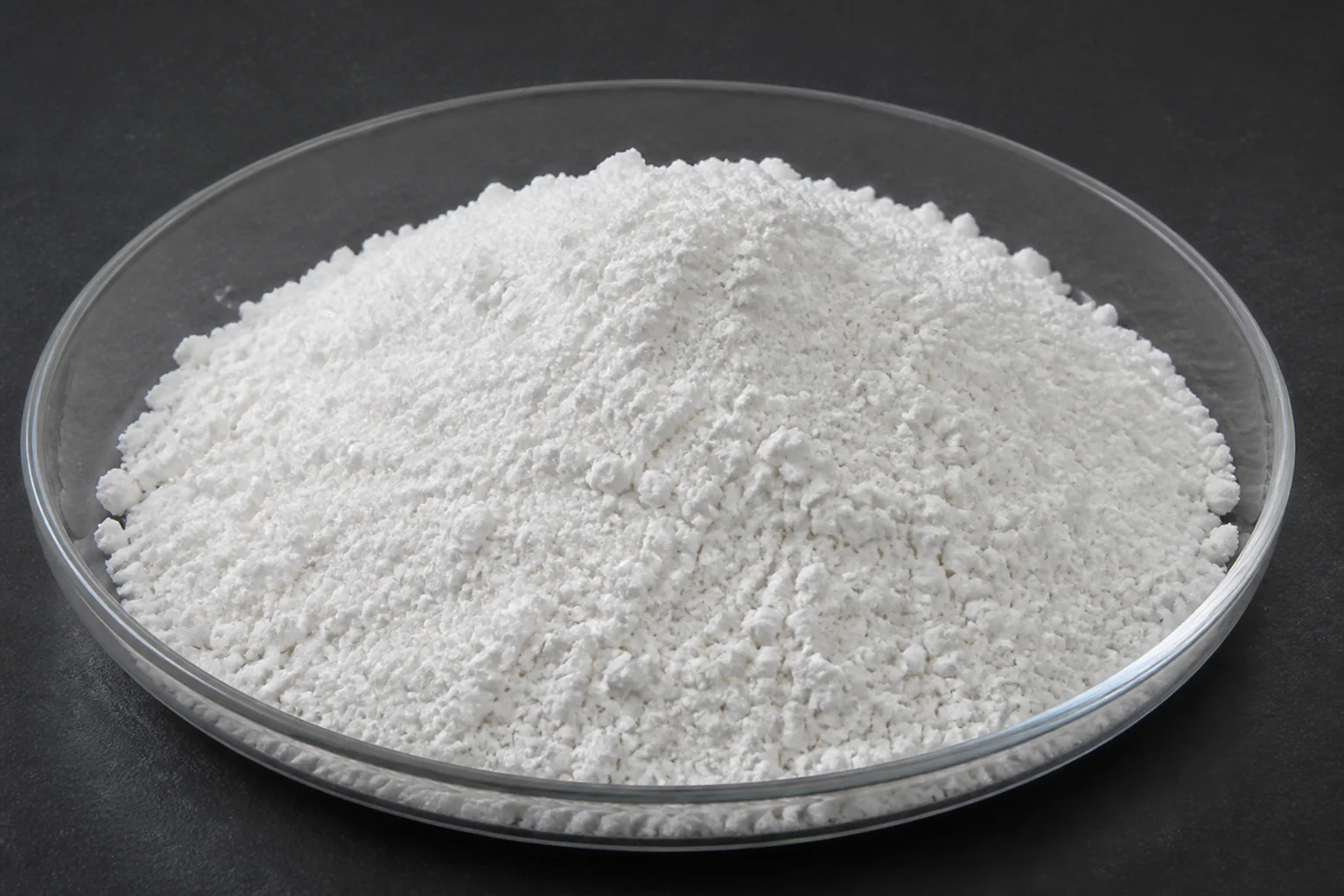
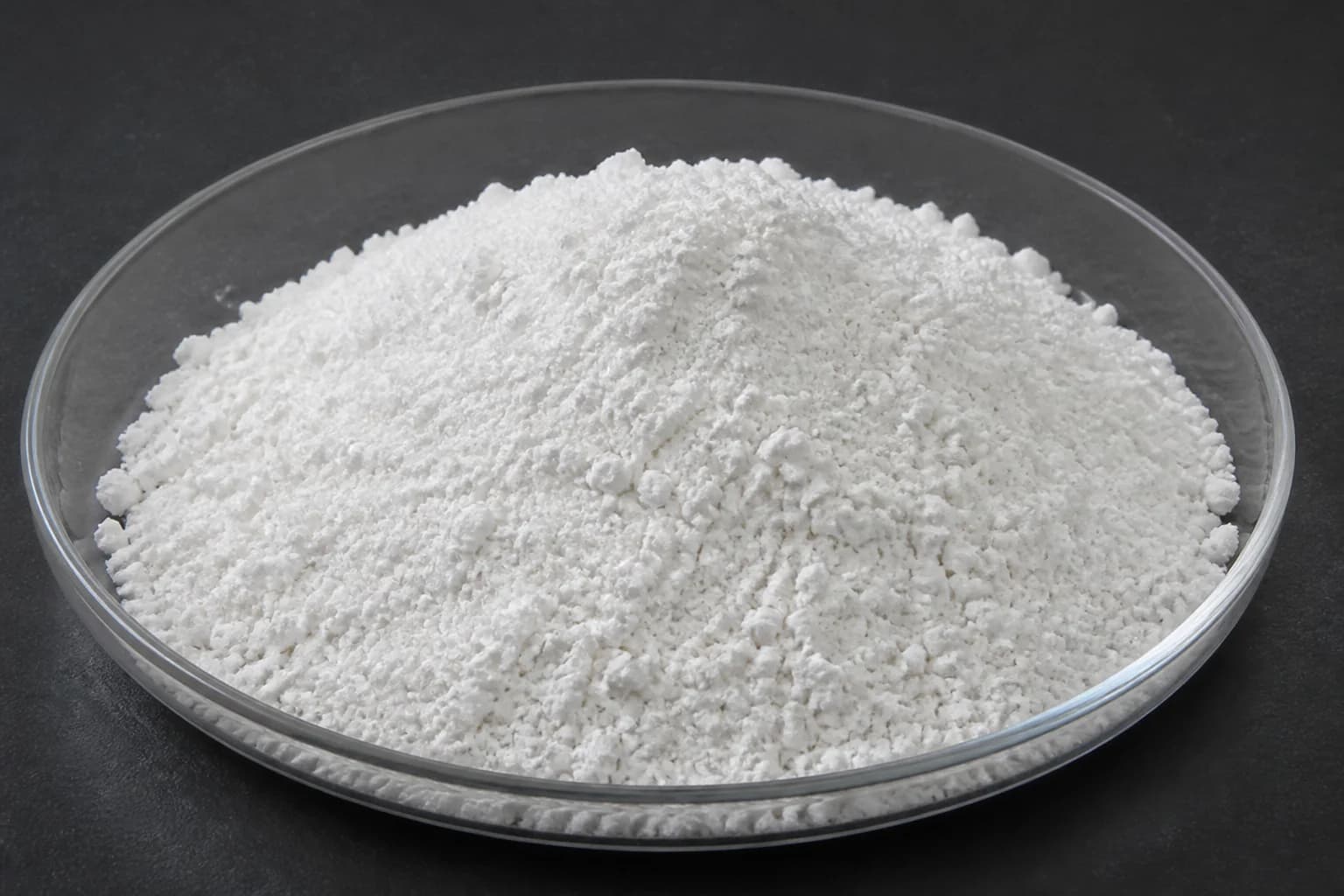
Calcium hypochlorite carries the chemical formula Ca(ClO)₂ and appears as a white or grayish-white solid with a distinct chlorine-like odor. Unlike table salt that it visually resembles, this inorganic compound functions as a strong oxidizing agent. When dissolved in water, it undergoes a chemical reaction producing hypochlorous acid (HOCl) and calcium ions: Ca(ClO)₂ + 2H₂O → Ca(OH)₂ + 2HOCl.
That hypochlorous acid is what actually does the disinfecting work. This molecule penetrates bacterial cell walls and viral protein coats, destroying the microorganisms from inside. The process happens remarkably fast—most pathogens die within minutes of proper exposure to adequate chlorine concentrations. The residual chlorine left in treated water continues protecting against recontamination as water travels through distribution systems.
The compound’s solid form offers major advantages over liquid chlorine alternatives. It doesn’t require the special containment and ventilation systems needed for chlorine gas. It’s more stable than liquid bleach which degrades over time. Municipalities can stock calcium hypochlorite for months or years without worrying about lost potency, making it perfect for emergency preparedness when water systems face disruption.
Manufacturing happens through either the calcium method or sodium method. Both processes react chlorine with calcium or sodium compounds, then convert the products to calcium hypochlorite through additional reactions. The result is a concentrated chlorine source—commercial grades typically deliver 65-75% available chlorine by weight versus sodium hypochlorite’s 12-15%.
Use of Calcium Hypochlorite in Water Treatment Applications
Water treatment facilities employ calcium hypochlorite across remarkably diverse scenarios. The chemical’s versatility, combined with its proven safety record and regulatory approvals, makes it suitable for everything from routine disinfection to emergency response situations.
| Application | Typical Concentration | Primary Purpose | Key Advantage |
| Municipal drinking water | 0.5–2 mg/L residual | Pathogen elimination | NSF/ANSI 60 approved |
| Swimming pools | 1–4 ppm free chlorine | Sanitization, algae control | Stable in sunlight |
| Wastewater treatment | Varies by organic load | Secondary disinfection | Handles high BOD |
| Emergency water supply | 0.5 mg/L after 30 min | Disaster relief | Portable, stable |
| Pipeline disinfection | 10–50 mg/L | New main commissioning | AWWA C651 compliant |
| Industrial process water | 0.5–5 mg/L | Biofilm prevention | Solid form convenience |
Municipal Drinking Water Systems
Cities and towns worldwide rely on calcium hypochlorite to deliver safe drinking water to homes and businesses. The compound ensures water leaving treatment plants remains free from Escherichia coli, typhoid bacteria, Giardia cysts, and Legionella—organisms that once caused widespread disease before modern chlorination. Treatment plants dose calcium hypochlorite to achieve 0.5-2 mg/L free chlorine residual that protects water quality throughout distribution networks extending hundreds of miles.
The tablet chlorination method has gained popularity for both primary treatment and remote booster stations. Systems using 3-inch calcium hypochlorite tablets operate in over 40 states, treating facilities ranging from small 35-gallon-per-minute wells to plants processing 14 million gallons daily with chlorine demands exceeding 400 pounds per day. These automated systems use compound loop, residual control, or flow-paced control similar to gas or liquid chlorine systems.
Regulatory compliance drives much municipal adoption. The EPA’s Safe Drinking Water Act requires public water systems to maintain disinfectant residuals. Calcium hypochlorite helps utilities meet maximum residual disinfectant levels while achieving necessary pathogen reduction. NSF/ANSI Standard 60 certification ensures products don’t introduce contaminants or exceed impurity limits when added to drinking water.
Swimming Pool Disinfection
Swimming pools represent calcium hypochlorite’s largest single application—consuming roughly 75% of domestic production. The compound’s ability to function in sunlight gives it advantages over stabilized chlorines that degrade under UV exposure. Pool operators add granular or tablet calcium hypochlorite to maintain 1-4 ppm free available chlorine, the concentration range that kills bacteria fast enough to control their populations.
Public and commercial pools face stricter requirements than residential installations. Health departments mandate specific testing frequencies and record-keeping to verify proper chlorine levels. Calcium hypochlorite helps operators meet these standards reliably. When properly dosed, it eliminates chloramines—the compounds causing unpleasant pool odors—while destroying bacteria, viruses, and algae that threaten swimmer health.
One consideration for pool use is calcium hardness buildup. Each ppm of available chlorine added through calcium hypochlorite increases water calcium hardness by 0.8 ppm. While some calcium hardness (150-1000 ppm) protects pool surfaces from corrosion, excessive levels combined with high alkalinity can cause scaling. Pool operators balance this through water chemistry management and occasional partial water replacement.
Emergency and Disaster Relief
When hurricanes flood communities, earthquakes break water mains, or contamination threatens supplies, calcium hypochlorite becomes a lifeline. Relief organizations stock the powder for rapid deployment because it ships safely, stores indefinitely, and works without electricity or complex equipment. Add proper amounts to contaminated water, wait 30 minutes, test chlorine levels, and unsafe water becomes drinkable.
The World Health Organization includes calcium hypochlorite in emergency water treatment guidelines. Aid workers use it during refugee crises where thousands need safe water immediately. Military operations depend on it for troops in remote locations without infrastructure. The simplicity of use—no special certifications required—means trained volunteers can operate calcium hypochlorite disinfection systems effectively.
Portable calcium hypochlorite tablet systems have revolutionized emergency response. These units dissolve tablets at controlled rates, treating flows from small hand-pump wells to moderate-sized emergency treatment facilities. The systems require no power, minimal maintenance, and produce consistent chlorine dosing as long as tablet supply lasts.
Key Benefits Over Alternative Disinfectants
Comparing disinfection options helps explain why water utilities and pool operators continue choosing calcium hypochlorite despite numerous alternatives flooding the market. The compound’s specific combination of properties creates advantages that matter in real-world operations.
Primary advantages include:
- Contains 5-6 times more available chlorine than liquid bleach per pound
- Shelf life exceeding two years when properly stored versus months for sodium hypochlorite
- No operator certification required unlike chlorine gas systems
- Eliminates containment buildings and specialized ventilation for gas chlorine
- Solid form prevents spillage hazards during transport and handling
- Works effectively across wide pH ranges common in water treatment
- Lower capital costs than gas chlorination equipment
- Suitable for small systems where gas or generation equipment isn’t economical
Stability and Shelf Life

Liquid sodium hypochlorite degrades continuously, losing 10-15% of its chlorine content annually even under ideal storage. Hot weather accelerates decomposition—liquid bleach stored in warm climates loses potency so fast that some utilities refuse to stock it during summer months. This degradation creates uncertainty about actual chlorine concentration when dosing treatment systems.
Calcium hypochlorite solves this problem. The dry granular or tablet form remains stable for years in sealed containers kept cool and dry. Facilities can buy annually during favorable pricing, store for extended periods, and confidently know the available chlorine content when they finally use it. This stability proves especially valuable for emergency stockpiles that might sit untouched for years before disaster strikes.
The stability also matters economically. Utilities paying for chlorine by weight get full value from calcium hypochlorite versus paying for degraded sodium hypochlorite where significant portions have lost disinfecting power. Over time, these savings offset calcium hypochlorite’s higher initial unit cost.
High Available Chlorine Content
The concentrated nature of calcium hypochlorite creates logistical advantages. Transporting and storing 100 pounds of calcium hypochlorite delivers roughly the same disinfecting power as 500 pounds of liquid bleach. This 5:1 ratio dramatically reduces freight costs, warehouse space requirements, and handling labor compared to dilute liquid alternatives.
For remote facilities with difficult access, concentrated chemicals matter even more. A small rural water system might receive chemical deliveries monthly or quarterly. Calcium hypochlorite’s concentration means each delivery lasts longer, reducing logistics frequency and costs. The solid form also eliminates concerns about frozen liquid chemicals during winter deliveries to cold climates.
Safety Guidelines and Handling Precautions
Calcium hypochlorite’s effectiveness as an oxidizer creates hazards requiring serious respect. The same chemical properties that destroy pathogens can harm people and property when mishandled. Safe use demands understanding potential dangers and implementing appropriate protective measures.
The compound is classified as a strong oxidizer (NFPA Class 3), meaning it supplies oxygen that enables combustible materials to burn vigorously. When calcium hypochlorite contacts organic materials, acids, reducing agents, or certain metals, dangerous reactions can occur. Heat generation, chlorine gas release, fires, and even explosions have resulted from improper mixing or contamination.
Primary hazards include:
- Severe skin and eye burns from direct contact with powder or concentrated solutions
- Respiratory irritation from dust inhalation or chlorine gas released by reactions
- Fire risk when contaminated with combustible materials or organic compounds
- Toxic gas generation when mixed with acids, ammonia, or other incompatible chemicals
- Explosive reactions possible if moisture activates stored material in confined spaces
- Corrosive damage to incompatible containers, equipment, and surfaces
Personal Protective Equipment Requirements
Anyone handling calcium hypochlorite must wear appropriate protective equipment. Chemical-resistant gloves made from neoprene, butyl rubber, or nitrile protect hands from contact. Regular work gloves or leather provide zero protection—the chemical penetrates and causes burns. Safety goggles or full face shields protect eyes which are especially vulnerable to calcium hypochlorite damage. One study noted eye exposure causes burns that may result in permanent vision loss or blindness.
Respiratory protection becomes essential when handling large quantities, working in confined spaces, or dealing with spills. Dust masks approved for chlorine provide minimal protection during routine handling. NIOSH-approved respirators with appropriate filters or cartridges protect against both particulate calcium hypochlorite and chlorine gas that might be released. In emergency situations involving major spills or fires, self-contained breathing apparatus may be necessary.
Protective clothing should cover all exposed skin. Long-sleeved shirts, long pants, and boots prevent incidental contact during normal operations. For spill response or maintenance work, impervious aprons or full-body suits made from compatible materials provide additional protection. Contaminated clothing must be removed immediately and washed before reuse to prevent continued skin exposure.
Storage and Compatibility
Proper storage prevents the majority of calcium hypochlorite incidents. The compound must be kept in cool, dry locations with temperatures below 120°F (50°C). Heat accelerates decomposition which liberates oxygen and chlorine gas—potentially causing containers to pressurize and rupture. Direct sunlight and poorly ventilated areas create conditions for spontaneous ignition if moisture and heat combine.
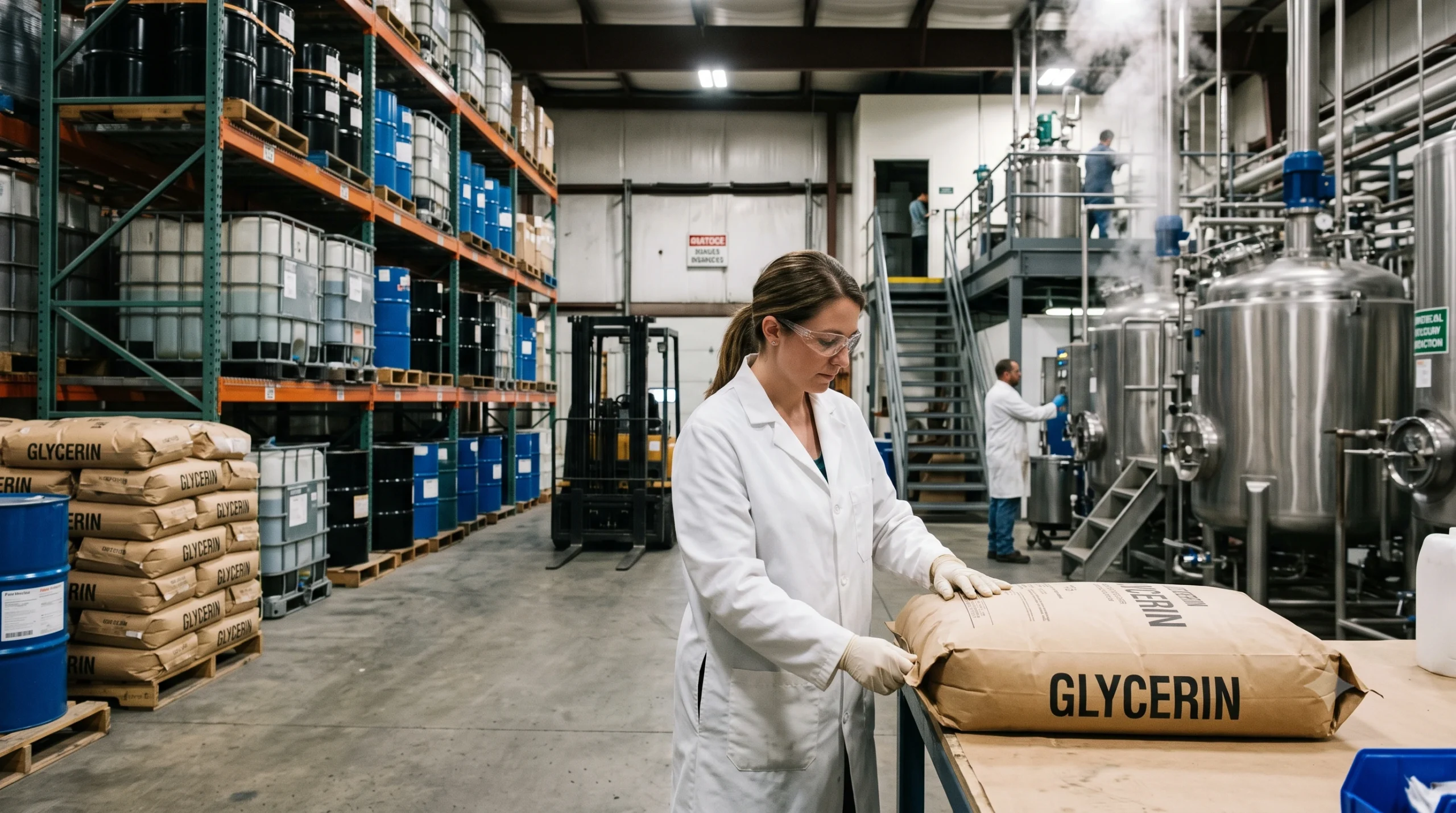
Moisture represents calcium hypochlorite’s greatest enemy. Water activates decomposition reactions that release heat. In confined spaces like sealed containers or piles, this heat can build until spontaneous ignition occurs. The chemical should be stored only in tightly sealed original containers or purpose-designed bins made from compatible materials. Never use metal containers—calcium hypochlorite corrodes most metals creating additional hazards.
Separation from incompatible materials is critical. Store calcium hypochlorite isolated from acids (releases toxic chlorine gas), ammonia and amines (violent reactions possible), organic materials like paper or wood (fire/explosion risk), and other oxidizers or chlorinating agents (reactions may occur). Dedicated storage areas with secondary containment prevent contamination if containers leak or spills occur.
Conclusion
Calcium hypochlorite water treatment continues protecting public health nearly 100 years after its introduction because it works reliably, stores conveniently, and costs reasonably. From municipal systems delivering millions of gallons daily to emergency workers treating small volumes during disasters, this versatile compound adapts to water treatment needs across spectacular range. Its concentrated chlorine content, solid form stability, and proven pathogen destruction make it irreplaceable despite newer disinfection technologies.
Safety remains paramount when working with calcium hypochlorite. The same oxidizing power that eliminates disease-causing organisms demands careful handling, proper protective equipment, and strict adherence to storage guidelines. Facilities that treat calcium hypochlorite with appropriate respect enjoy decades of trouble-free operation while protecting both workers and water consumers.
Understanding application methods, dosing calculations, and compatibility restrictions helps water professionals use calcium hypochlorite effectively. As water treatment technology evolves, this century-old compound remains relevant through its fundamental advantages—concentrated power, long-term stability, and operational simplicity that newer alternatives struggle to match.
For manufacturers requiring calcium hypochlorite, water treatment chemicals, or other industrial disinfectants with complete quality documentation, Elchemy’s technology-driven platform connects buyers with verified suppliers across global markets. Founded by IIT Bombay engineer Hardik Seth and IIT Delhi engineer Shobhit Jain, Elchemy provides transparent access to NSF/ANSI certified materials, MSDS documentation, and reliable supply chains supporting water treatment from municipal facilities through industrial applications and pool service operations.