

At a Glance
- Calamine is a combination of zinc oxide and 0.5% ferric oxide that has been used since 1500 BC and is on the World Health Organization’s List of Essential Medicines
- The FDA considers calamine lotion a skin protectant and it is approved as an over-the-counter medication
- The global calamine market was valued at USD 1,053.5 million in 2024 and is expected to reach USD 1,500 million by 2035 at a CAGR of 3.2%
- North America holds the largest market share at USD 300 million in 2024, driven by OTC pharmaceutical and skincare demand
- Pharmaceutical companies account for 55% of calamine market use, cosmetics 25%, and other industrial uses 20%
- Side effects are rare; skin irritation is the most common, reported in a small subset of users
- 75% of consumers now prefer natural or organic skincare formulations, boosting interest in calamine as a clean-label active
Calamine powder is one of the oldest skincare ingredients still in active commercial use. It predates modern dermatology, predates pharmaceutical regulation, and still shows up in medicine cabinets across the US because it works and because nothing about its safety profile has ever given doctors a reason to move away from it. Calamine is on the World Health Organization’s List of Essential Medicines and is sold over the counter as a generic medication.
In recent years something interesting has happened to calamine’s market position. It was never trendy. It was always just reliable. But the clean beauty movement, the consumer push toward natural and minimal-ingredient formulations, and growing awareness of zinc oxide’s proven skin benefits have brought calamine powder back into active consideration by both US consumers and personal care brands looking for gentle, well-documented actives with a century of safety data behind them.
What Calamine Powder Actually Is?
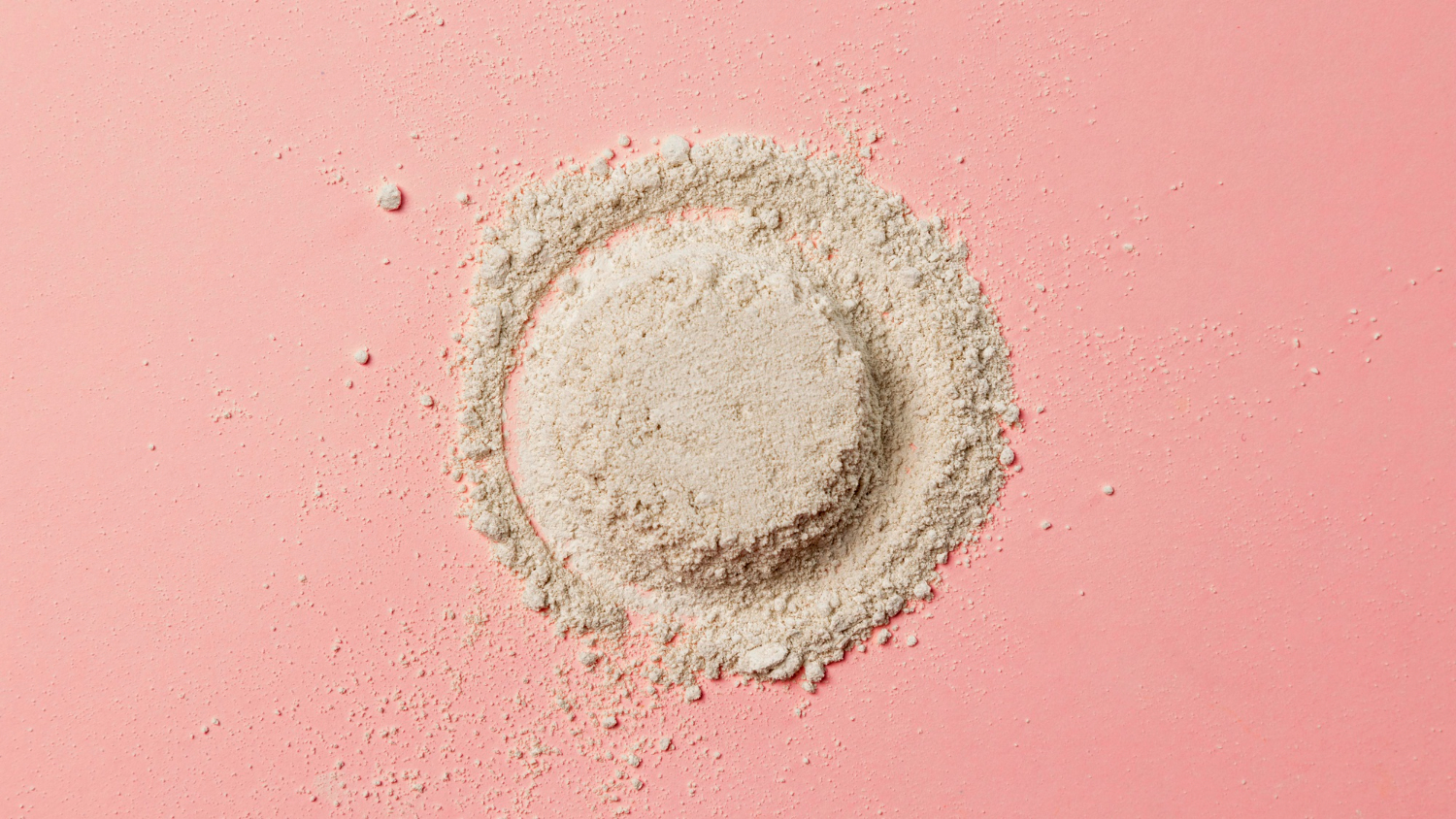
Calamine is a preparation consisting primarily of zinc oxide with the addition of approximately 0.5% ferric oxide. That ferric oxide is purely cosmetic. It gives calamine its characteristic pink color and has no therapeutic function. The active work is done entirely by the zinc oxide component.
In powder form, calamine is a fine, lightweight mineral that is essentially insoluble in water and chemically stable across a wide range of formulation conditions. It is an essential ingredient in skin-protective pharmaceutical and personal care products, providing anti-itch, anti-inflammatory, and astringent properties, and its non-toxic nature and compatibility with other active ingredients make it a versatile base or additive in various topical medications.
Three grades are used commercially:
| Grade | Purity Standard | Primary Use |
| Pharmaceutical grade | USP/BP compliant | OTC lotions, ointments, dermatological preparations |
| Cosmetic grade | Lower purity threshold | Makeup, skincare, SPF products |
| Industrial grade | Variable | Pigments, specialty formulations |
Calamine Powder Uses: The Full Picture
Itch Relief and Skin Irritation
This is the core and most documented of all calamine powder uses. Calamine is an anti-itch medicine that works by causing a cooling sensation as it evaporates on your skin, and also dries oozing or weeping from minor skin irritation.
Conditions it is used for:
- Poison ivy, poison oak, and poison sumac rashes where it relieves itch, pain, and dries out oozing
- Insect bites and stings, applied several times daily until symptoms clear
- Chickenpox to relieve symptoms and prevent further skin infections
- Shingles, applied alongside antiviral medications to relieve the itch and pain of the rash
- Heat rash, swimmer’s itch, scabies symptoms, chigger bites, and hives
- Minor sunburn without open blisters
The mechanism is straightforward. As the water in the calamine preparation evaporates from the skin surface, it creates a mild cooling effect that interrupts the itch-scratch cycle. The zinc oxide component then forms a thin protective barrier that reduces further irritation and helps dry out weeping or oozing areas.
Acne and Oil Control
In cosmetics and skincare, calamine is favored for its oil absorption, ideal for oily and acne-prone skin. While it will not treat acne, it may help dry out a pimple if used as a spot treatment.
This makes sense given zinc oxide’s established anti-sebum and mild antimicrobial properties. Calamine powder applied as a spot treatment or thin layer on oily areas absorbs excess oil, reduces shine, and provides a mattifying effect without the irritation that stronger actives like salicylic acid or benzoyl peroxide can cause in sensitive skin types. Indian skincare traditions have used calamine for this purpose for generations, and it is experiencing a revival among US consumers with sensitive, combination, or acne-prone skin who want gentler formulations.
Mild Sunscreen Function
Calamine lotion can act as a physical sunscreen since it contains zinc oxide, and the FDA considers calamine lotion a skin protectant. It is not formulated or tested as a dedicated SPF product and should not be used as a primary sunscreen. But in products where both soothing and mild UV protection are desired, calamine’s zinc oxide content adds a functional benefit beyond just itch relief.
Skin Barrier Protection
Calamine forms a thin, breathable film on skin as it dries. It is used in protective creams, astringents, lotions, ointments, washes, and powders, and has calming effects and astringent properties that make it applicable to sunburned or irritated skin to provide a cooling sensation.
This barrier effect is relevant in wound care and dermatological settings where the goal is to protect compromised skin from further irritation or bacterial entry while allowing the skin to breathe and heal naturally. Unlike occlusive barriers like petrolatum white petroleum jelly, calamine’s film is light and non-greasy.
Cosmetic Formulation Applications

Cosmetics-grade calamine is used in makeup and sunscreens for its soothing and skin-protective properties. In personal care formulation, calamine powder brings multiple functional roles at once:
- Mild white pigment base in face powders and foundations
- Oil absorption in mattifying setting powders
- Skin-soothing active in after-sun products and cooling gels
- Anti-irritation ingredient in sensitive skin moisturizers
- Functional active in natural deodorant formulations
Calamine Powder Side Effects: What to Know
Calamine is usually well tolerated and side effects are uncommon at recommended use levels. That said, the secondary keyword here matters because US consumers increasingly research ingredient safety before buying.
Most common side effects reported:
- Mild skin dryness with repeated application, especially in already-dry skin types
- Temporary skin irritation if used on broken or severely inflamed skin
- Occasional mild stinging on contact with very raw or weeping areas
The most serious side effect is severe allergic reaction. Stop using calamine and get help right away if you have hives, difficulty breathing, or swelling of your face, lips, tongue, or throat. This is rare but documented, and most cases are traced to reactions to inactive ingredients in the formulation rather than the calamine itself.
Practical cautions worth knowing:
- Stop using calamine after seven days and consult a healthcare provider if no improvement is seen
- Do not use in eyes, nose, mouth, rectum, or vaginal area
- The powder component may clump together and become abrasive after evaporation of water, so patients should remove residual particles before reapplication
- For children under 6 months, use only as directed by a doctor
- Phenol-containing calamine preparations should be avoided in pregnant women and infants per FDA guidance; standard phenol-free formulations are considered safe in pregnancy
Calamine powder side effects are genuinely minimal compared to most active skincare ingredients. This is part of why it has remained in clinical recommendation across dermatology, pediatrics, and obstetrics for so long without significant controversy.
FDA Status: How Calamine Is Regulated in the US
The US FDA has approved calamine lotion as an over-the-counter medication that serves as a skin protectant. Calamine is included as an anti-inflammatory and antipruritic medicine in the World Health Organization’s list of essential medicines under the category of dermatological medicines.
Under 21 CFR 347, calamine is classified as a skin protectant active ingredient for OTC use. This means:
- Products containing calamine as an active ingredient are regulated as OTC drugs, not just cosmetics
- Manufacturers must comply with FDA OTC monograph requirements for labeling, formulation, and claims
- The drug facts panel must list calamine with its concentration and indication
- Maximum use period stated on labeling is seven days without medical consultation
In the United States, calamine may be used as an active ingredient in OTC drug products, and when used as an active drug ingredient, the established name is calamine. This dual status as both an OTC drug active and a cosmetic ingredient gives formulators flexibility but also requires careful label compliance depending on the claims being made.
How to Use Calamine Powder: Application Guide
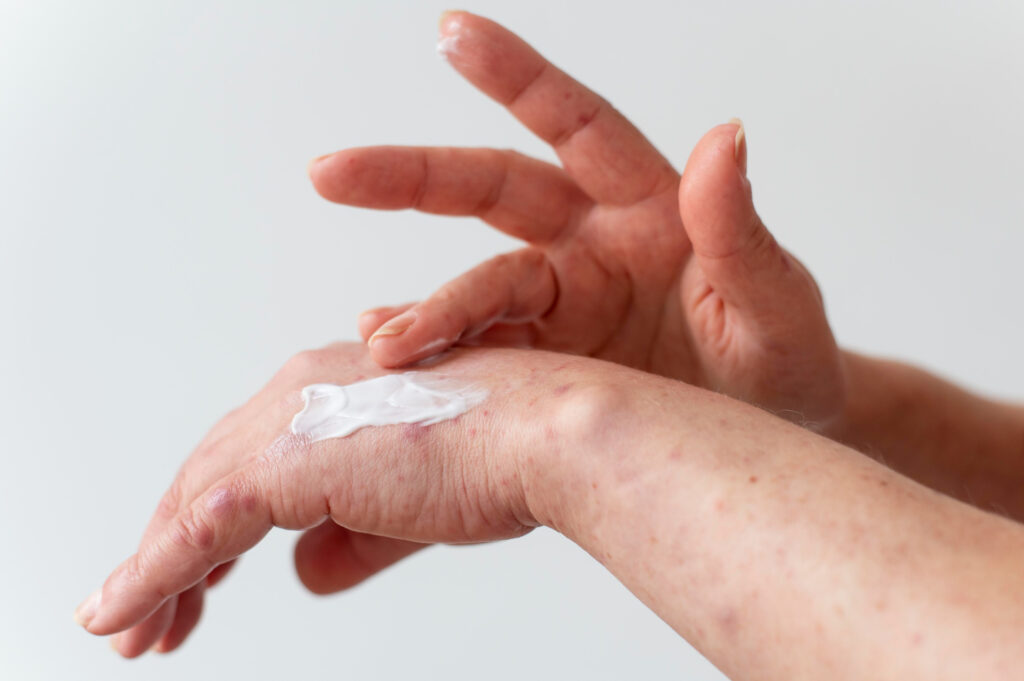
Calamine is for external use only and should be applied to clean, dry skin with a cotton ball or soft piece of cloth. Use care to avoid getting calamine in your eyes, nose, or mouth.
Step-by-step application:
- Wash the affected area with soap and water and pat dry completely
- Shake the product well before using to ensure even suspension
- Apply directly with a cotton ball, soft cloth, or fingertips
- Allow to dry on skin naturally, do not rub in
- Reapply three to four times daily or as needed for comfort
- Remove dried residue gently before reapplication to avoid abrasion
- Stop use if symptoms do not improve after seven days or if symptoms clear and then come back
For use in DIY or natural skincare formulations, calamine powder is typically incorporated into lotions, creams, and setting powders at concentrations of 5 to 20% for cosmetic use and up to the standard OTC drug concentrations for therapeutic applications.
U.S. Consumer Trends: Where Calamine Fits in 2026
One key market driver is the increasing demand for calamine in dermatological formulations due to its soothing properties. As consumers become more aware of skin health, they seek products containing natural ingredients like calamine for conditions such as acne and eczema. This growing emphasis on skincare is complemented by the rising inclination toward herbal and organic products within the beauty and personal care sector.
Three specific US trends are working in calamine’s favor right now:
Clean label skincare growth. 75% of consumers now prefer natural or organic formulations, and calamine sits comfortably within that positioning. It is mineral-based, has a century of documented safety, and carries no synthetic chemical concerns.
Sensitive skin segment expansion. The sensitive skin skincare market in the US is growing steadily as consumers report higher rates of skin reactivity, driven by environmental factors, stress, and over-reliance on potent actives. Calamine’s gentle, non-irritating profile makes it a natural fit for this segment.
E-commerce enabling niche OTC products. Online retail sales in the personal care segment are expected to reach USD 36 billion by 2025 , and this growth has made it commercially viable for smaller brands to launch calamine-forward products that would have struggled for shelf space in traditional retail.
The ongoing research and development of novel formulations incorporating calamine, along with expanding awareness of its benefits, will propel market expansion. Newer delivery formats including calamine-infused sheet masks, stick formats for spot application, and lightweight calamine setting sprays are appearing in the US market, updating the ingredient’s image from medicine cabinet staple to functional skincare active.
Conclusion
Calamine powder uses span a wider range than most US consumers realize. The core itch-relief and skin-soothing applications are well established and FDA-backed. The cosmetic applications in oil control, acne spot treatment, and mild UV protection are gaining traction among clean beauty formulators who want an ingredient that is gentle, documented, and free of controversy. Calamine powder side effects are minimal and well characterized, which is increasingly a selling point in a market where ingredient safety is front of mind.
For pharmaceutical manufacturers, skincare brands, and OTC product formulators sourcing USP-grade calamine powder, zinc oxide, ferric oxide, or related mineral actives at scale, Elchemy connects US buyers with verified global suppliers offering complete quality documentation, certificates of analysis, and consistent supply chains built for the demands of the American pharmaceutical and personal care market.