

At a Glance
- Polyethylene offers exceptional chemical resistance, withstanding acids, bases, and solvents that degrade most other materials
- Moisture barrier properties make PE ideal for food packaging, protecting contents from humidity and maintaining freshness
- Impact resistance allows PE to stretch rather than shatter, creating safer packaging and durable construction materials
- Three main types (LDPE, HDPE, LLDPE) provide flexibility, rigidity, or balanced properties for different applications
- Recyclability designations (#2 for HDPE, #4 for LDPE) enable established recycling programs reducing environmental impact
- Cost-effectiveness at $1,200-1,800 per ton makes polyethylene more economical than most alternative plastics
- Temperature tolerance from -40°F to 266°F suits applications from frozen food storage to automotive components
A food packaging company in Wisconsin was losing customers due to product spoilage during shipping. Their current packaging materials couldn’t withstand the moisture and temperature fluctuations of cross-country transport. After switching to high-density polyethylene containers, spoilage claims dropped 87% within three months. The material’s superior moisture barrier properties, impact resistance, and temperature tolerance solved problems their previous packaging couldn’t handle.
This real-world success demonstrates why polyethylene dominates modern industry. Producing over 100 million tons annually and accounting for 34% of the global plastics market, polyethylene has become indispensable across packaging, construction, and manufacturing sectors. The benefits of polyethylene extend beyond simple cost savings to encompass performance advantages that enable applications impossible with other materials.
Understanding Polyethylene Types and Their Advantages
Polyethylene isn’t a single material but a family of polymers created by polymerizing ethylene gas under different conditions. The manufacturing process determines molecular structure, which drives physical properties and suitable applications.
Low-Density Polyethylene (LDPE)
LDPE features a branched molecular structure that prevents tight packing, creating lower density (0.91-0.93 g/cm³) and superior flexibility. This branching makes LDPE the softest, most pliable polyethylene type. The material stretches easily, resists tearing, and maintains flexibility even at low temperatures.
The transparency of LDPE films makes them perfect for applications where product visibility matters. Cling film, plastic bags, and squeezable bottles all leverage LDPE’s clarity combined with its moisture resistance and chemical stability.
High-Density Polyethylene (HDPE)
HDPE’s linear molecular structure with minimal branching allows molecules to pack tightly, creating higher density (≥0.941 g/cm³) and greater strength. This rigid polymer withstands significant pressure and weight, making it ideal for heavy-duty applications requiring structural integrity.
The material’s chemical resistance exceeds even LDPE, allowing HDPE to contain harsh chemicals, detergents, and corrosive substances safely. Milk jugs, detergent bottles, and chemical storage tanks all rely on HDPE’s combination of strength and chemical inertness.
Linear Low-Density Polyethylene (LLDPE)
LLDPE combines advantages from both LDPE and HDPE through controlled branching that creates linear chains with short side branches. The result is material more flexible than HDPE yet stronger than LDPE, with superior puncture resistance and tensile strength.
This balanced property profile makes LLDPE dominant in stretch films, heavy-duty bags, and applications requiring both flexibility and toughness. The material can be processed into thinner films than LDPE while maintaining equivalent performance, reducing material usage and costs.
Polyethylene Benefits in Packaging Applications
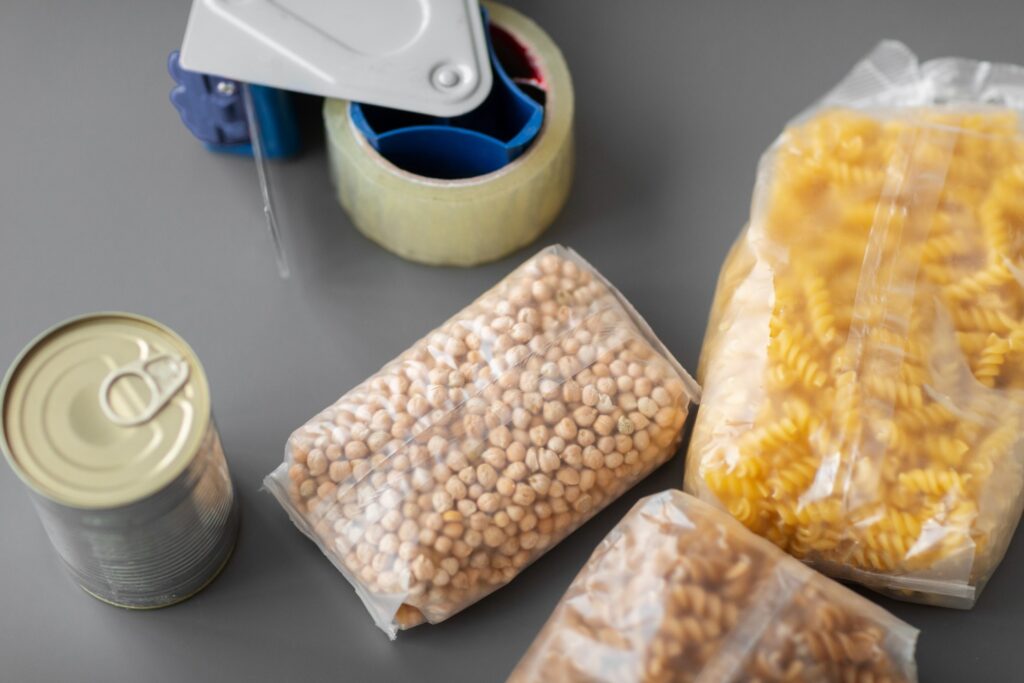
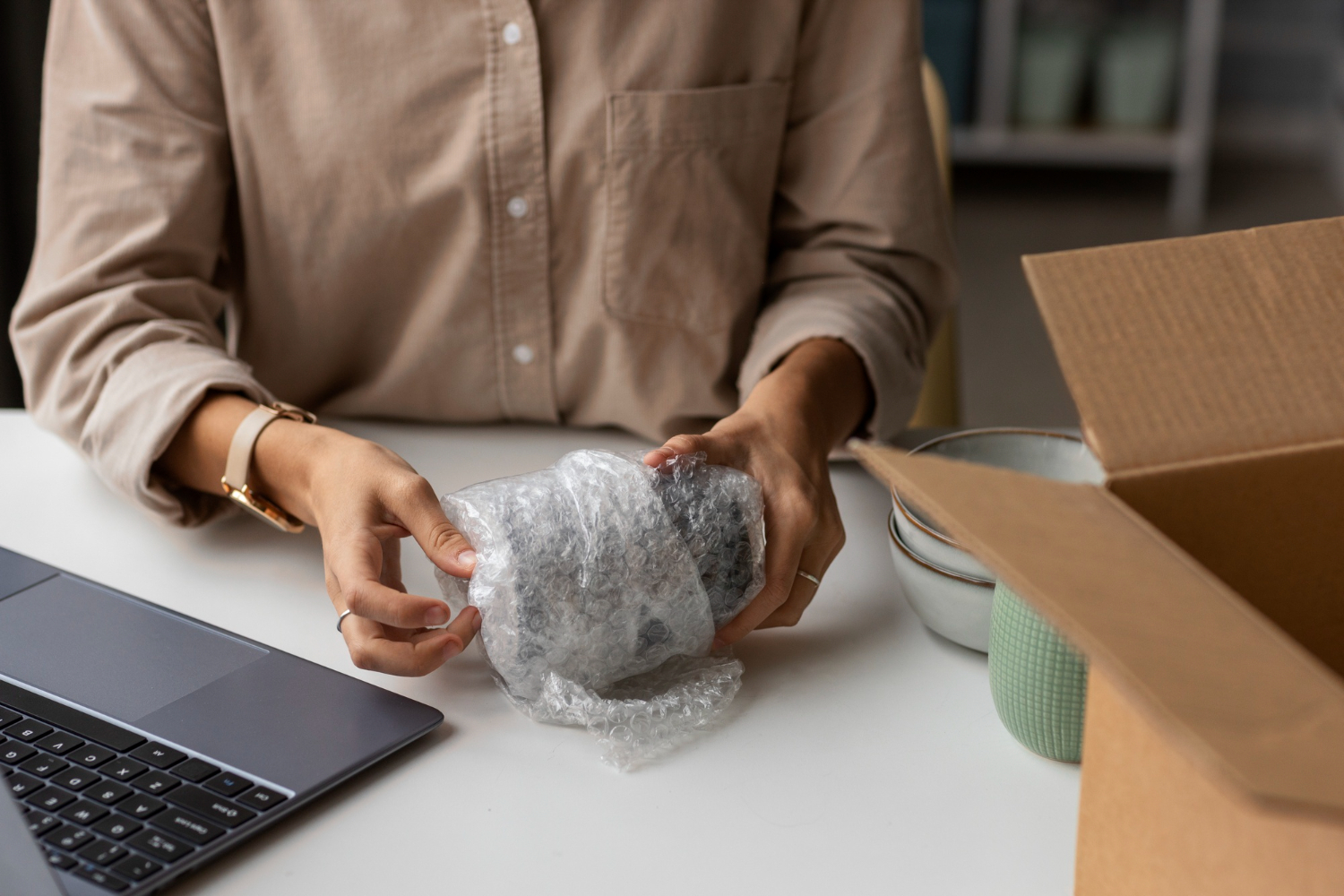
The packaging industry consumes roughly 40% of global polyethylene production, making it the polymer’s largest application sector. The benefits of polyethylene in packaging derive from multiple complementary properties that other materials struggle to match.
Moisture and Gas Barrier Properties
Polyethylene creates effective barriers against moisture transmission, protecting packaged goods from humidity that causes spoilage, degradation, or quality loss. Food products, pharmaceuticals, and electronics all benefit from PE’s ability to exclude water vapor.
While HDPE provides superior moisture barriers, even LDPE films significantly reduce moisture transmission compared to paper or cardboard. This protection extends product shelf life, reduces waste from spoilage, and enables long-distance distribution that would otherwise compromise product quality.
The gas barrier properties vary by PE type but generally protect contents from oxygen exposure that causes oxidation and rancidity in foods, particularly fats and oils. Modified atmosphere packaging combines PE films with specialized barrier coatings to create even better gas barriers for sensitive products.
Impact Resistance and Durability
One of polyethylene’s defining characteristics is impact resistance. Unlike rigid plastics that crack or shatter when struck, PE stretches and deforms, absorbing impact energy without failing. This ductility prevents package breakage during handling, shipping, and storage.
Frozen food packaging particularly benefits from this property. PE remains flexible at sub-zero temperatures where other plastics become brittle and crack. Bags containing frozen vegetables, fruits, or prepared foods maintain integrity throughout freezing, storage, and consumer handling.
Lightweight Cost Efficiency
PE’s low density translates directly to shipping cost savings. A truckload of PE-packaged products weighs substantially less than equivalent products in glass or metal containers, reducing fuel consumption and transportation costs.
The material cost itself remains competitive. Industrial PE runs approximately $1,200-1,800 per ton depending on grade and market conditions. This positions PE as more economical than many alternative packaging materials while delivering superior performance in most applications.
Food Safety and Regulatory Compliance
FDA-approved food-grade polyethylene meets stringent safety requirements for direct food contact. The polymer is non-toxic, doesn’t migrate harmful chemicals into food products, and resists bacterial growth that could contaminate packaged items.
This safety profile makes PE suitable for everything from produce bags to milk containers to food wrap. The material’s chemical inertness ensures it won’t react with acidic foods, oils, or other challenging substances that might interact with reactive packaging materials.
Construction Industry Applications and Benefits
Construction represents polyethylene’s second-largest application area, where the material’s durability, chemical resistance, and moisture management capabilities create value across multiple building systems.
Moisture Management and Damp Proofing
HDPE and LDPE films serve as damp proof membranes that prevent moisture migration through building foundations, walls, and roofs. These moisture barriers protect structural materials from water damage, mold growth, and deterioration that compromises building integrity and occupant health.
The material resists degradation from prolonged soil contact, maintaining barrier properties for decades even when buried. This longevity makes PE membranes cost-effective long-term solutions compared to materials requiring more frequent replacement.
Piping and Plumbing Systems
HDPE pipes dominate modern water distribution, natural gas delivery, and industrial fluid transport applications. The benefits of polyethylene in piping include corrosion resistance that eliminates rust problems plaguing metal pipes, flexibility that allows installation in challenging terrain, and fusion welding techniques that create leak-proof joints stronger than the pipe itself.
PE pipes withstand freeze-thaw cycles without bursting, a critical advantage in cold climates where water expansion during freezing cracks rigid materials. The smooth interior surface resists scale buildup and maintains flow rates better than rough metal pipes over decades of service.
Cross-linked polyethylene (PEX) takes these advantages further through chemical bonds that increase temperature tolerance and strength. PEX tubing handles both hot and cold water plumbing while offering installation flexibility that rigid copper or PVC pipes cannot match.
Insulation and Protective Sheeting
Construction sites use PE sheeting to protect materials and work areas from moisture during building. The waterproof, tear-resistant material creates temporary enclosures, ground covers, and protective barriers at minimal cost.
Closed-cell polyethylene foam provides thermal and acoustic insulation for walls, floors, and roofs. The material’s moisture resistance prevents the degradation and loss of insulating value that affects moisture-sensitive insulation materials.
Geomembranes and Environmental Applications
Large-scale environmental projects use HDPE geomembranes as impermeable liners for landfills, retention ponds, and containment systems. These massive sheets (sometimes acres in size) prevent contaminated liquids from leaching into groundwater.
The chemical resistance that makes PE suitable for packaging allows these geomembranes to contain aggressive chemicals, leachates, and waste products indefinitely without degradation. Properly installed HDPE liners can last 50+ years even in challenging chemical environments.
Manufacturing and Industrial Applications
Beyond packaging and construction, polyethylene serves critical functions across diverse manufacturing and industrial sectors where its unique property combinations solve specific technical challenges.
Chemical Storage and Handling
Chemical manufacturers rely on HDPE tanks, containers, and piping to store and transfer corrosive materials safely. The polymer resists attack from most acids, bases, alcohols, and solvents, providing long service life without contamination concerns.
Tank sizes range from small laboratory bottles to massive 10,000+ gallon storage vessels. The material’s weldability allows custom fabrication of complex shapes and integrated systems that would be difficult or impossible with other materials.
Agricultural Applications
Modern agriculture depends heavily on polyethylene for greenhouse films, mulch films, irrigation tubing, and crop covers. UV-stabilized LDPE films create controlled growing environments that extend growing seasons and improve yields.
The material’s light transmission properties support plant growth while its moisture retention reduces irrigation requirements. Films last multiple seasons despite continuous outdoor exposure, providing economic value that justifies their use across millions of acres globally.
Automotive Components
The automotive industry incorporates PE into fuel tanks, fluid reservoirs, interior trim, and under-hood components. HDPE fuel tanks resist corrosion better than metal tanks while reducing vehicle weight, improving fuel economy.
The material withstands automotive fluids including gasoline, diesel, motor oil, and coolants without swelling or degradation. Temperature tolerance handles engine compartment heat while impact resistance survives road debris and minor collisions.
Medical and Pharmaceutical Uses
Medical-grade polyethylene appears in sterile packaging, IV bags, tubing, and disposable medical devices. The material sterilizes easily through multiple methods (steam, radiation, chemical) without degradation, maintaining sterility throughout product shelf life.
Pharmaceutical packaging uses PE for blister packs, bottle containers, and child-resistant closures. The material’s chemical inertness prevents drug interactions while moisture barriers protect contents from humidity.
Environmental Considerations and Recycling
While PE’s durability and chemical resistance create application benefits, these same properties generate environmental concerns about persistence and disposal. Understanding both advantages and challenges provides balanced perspective.
Recyclability and Circular Economy
Both HDPE (#2) and LDPE (#4) carry recyclability designations and participate in established recycling programs. HDPE recycling is particularly well-developed, with collected material reprocessed into new containers, plastic lumber, and various products.
Recycling PE requires less energy than producing virgin plastic from petroleum, reducing carbon emissions and resource consumption. The recycled material maintains useful properties even after multiple reprocessing cycles, though some degradation occurs with each iteration.
Bio-Based Polyethylene
Emerging bio-based PE derived from sugarcane and other renewable sources offers identical properties to petroleum-based PE while reducing carbon footprint. These “drop-in” replacements work in existing processing equipment and applications without modification.
The production process captures atmospheric CO₂ through plant growth, creating carbon-neutral or even carbon-negative material lifecycles. As bio-based PE production scales up, costs approach conventional PE while delivering sustainability benefits valued by environmentally conscious consumers.
Degradation and Environmental Persistence
PE’s resistance to degradation becomes problematic when improperly disposed. The material persists in landfills and environments for decades or centuries, contributing to plastic pollution concerns.
However, this same durability creates value in applications requiring long service life. Construction materials, infrastructure components, and durable goods benefit from PE’s resistance to weathering, chemical attack, and biological degradation.
Comparing Polyethylene Benefits Against Alternatives
| Property | Polyethylene | Glass | Metal | Paper/Cardboard |
| Weight | Very light | Heavy | Heavy | Light |
| Moisture Resistance | Excellent | Excellent | Poor (rusts) | Poor |
| Impact Resistance | Excellent (flexes) | Poor (shatters) | Good | Poor |
| Chemical Resistance | Excellent | Excellent | Variable | Poor |
| Cost | Low | Moderate | High | Low |
| Recyclability | Good | Excellent | Excellent | Excellent |
| Temperature Range | Good | Excellent | Excellent | Poor |
Cost-Benefit Analysis for Industrial Users
For businesses evaluating material choices, polyethylene benefits must be weighed against total cost of ownership rather than just material price.
The lightweight nature reduces transportation costs by 20-40% compared to glass or metal packaging. Fewer breakages during shipping and handling reduce product loss and damage claims. Longer shelf life from superior moisture barriers decreases spoilage waste.
Processing costs favor PE through easier manufacturing. The material molds, extrudes, and fabricates at lower temperatures than many alternatives, reducing energy consumption. Faster cycle times increase production throughput, lowering per-unit manufacturing costs.
Maintenance costs for PE systems (pipes, tanks, containers) run lower than metal alternatives requiring corrosion protection, painting, or replacement. The material’s chemical and environmental resistance extends service life while minimizing upkeep expenses.
Understanding the comprehensive benefits of polyethylene across packaging, construction, and manufacturing helps industries leverage this versatile material’s advantages while addressing environmental challenges through recycling, bio-based alternatives, and responsible end-of-life management. The polyethylene benefits that drove its dominance in the 20th century continue evolving to meet 21st-century sustainability demands while maintaining the performance characteristics that made PE indispensable across modern industry.
For businesses requiring quality polyethylene materials and processing expertise, Elchemy connects you with reliable suppliers offering various PE grades, recycled content options, and technical support for optimizing material selection and application across your specific packaging, construction, or manufacturing requirements.