

At a Glance
- US gas treatment market: $3.5 billion (2024) to $6.5 billion (2034), 6.5% CAGR
- Global gas treating amine market: $3.4-3.7 billion (2024-2025) to $9.2 billion (2037), 7.7% CAGR
- Primary amine types: Tertiary amines (monoethanolamine (MEA), methyldiethanolamine (MDEA)), Secondary amines (diethanolamine (DEA)), Primary amines (less common, specialized applications)
- Tertiary amine dominance: 2025 largest revenue share, high selectivity for acid gas removal, lower energy consumption during regeneration
- Secondary amine growth: Fastest growing segment 2026-2033, higher reaction rates, suitable for moderately contaminated streams, lower cost vs. tertiary
- Amine market segment: 35% of total gas treatment market (2025) vs. molecular sieves (25%), membrane separation (15%), other technologies
- Key acid gas removal targets: CO2 (up to 99% removal efficiency), H2S (toxic gas removal critical for safety and pipeline compliance)
- Typical dosage: 10-30% amine concentration by weight in aqueous solution, regeneration cycles 8-16 hours depending on amine type and acid gas loading
- Energy consumption: Regeneration energy 3-5 MMBtu per barrel crude oil equivalent, varies by amine type (tertiary amines lower regeneration energy vs. secondary)
- Operating temperature: 100-150 degrees F (optimal range); performance degrades above 160 degrees F
Amine gas treating is the foundational technology enabling natural gas processing, petrochemical production, and industrial operations across the United States. Amine solvents selectively absorb acid gases (CO2, H2S) from raw gas streams, enabling compliance with pipeline specifications, environmental regulations, and operational safety standards. As the US energy sector navigates the transition toward cleaner fuels, natural gas demand growth, and increasingly stringent emissions mandates, amine treatment technology continues to evolve. Understanding amine chemistry, performance characteristics, and market positioning enables operators to optimize gas purification strategies while managing corrosion, solvent degradation, and operational costs.
Also Read: How is Methanol Produced? Key Insights for Manufacturers and Chemical Suppliers
Market Scale and USA Strategic Position
The gas treatment market in the U.S. will value to $6.5 billion by 2034, growing at 6.5% CAGR from $3.5 billion in 2024. This growth is driven by several trends: increased natural gas demand for cleaner energy, growth in natural gas processing infrastructure, regulatory requirements to reduce emissions, and increased refinery capacity upgrades.
Amine gas treating dominates the technology market with 35% of the market. The dominance stems from the outstanding selectivity of amine chemistry for acid gas removal (CO₂ and H2S) along with operational maturity and the reliability of thousands of installations throughout the world that have been successfully operating for years.
The USA is a strategic market for the global amine treatment market. Some of the largest drivers of consumption are: the large volumes of natural gas produced in the Permian, Marcellus, and Haynesville shales, offshore operations in the Gulf of Mexico, LNG export facilities (Corpus Christi, Sabine Pass and Freeport), and state level environmental regulations that are more stringent than federal (especially California, Texas and Louisiana).
Amine Chemistry and Classification
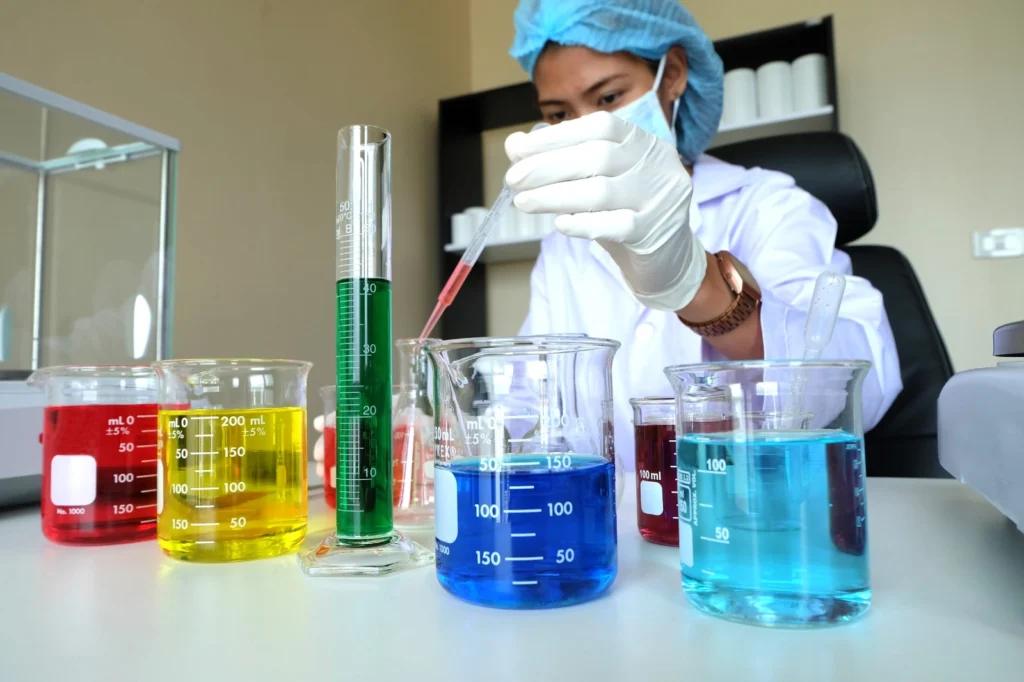
Amine gas treating describes the process of treating natural gas and other process gases such as acid gases by chemically reacting with and absorbing them by introducing chemical solvents. The basic mechanism is based upon the ability of the nitrogen atom in the amine compounds to form chemical bonds with the acidic gas molecules, thereby selectively extracting them from the bulk gas phase.
Tertiary Amines (Market Leader)
Primary compounds: Monoethanolamine (MEA), methyldiethanolamine (MDEA)
Mechanism: Tertiary nitrogen takes a proton from the acidic gas to create a stable complex of carbamate or bicarbonate. The reaction is reversible and can be regenerated by heating (80-120 degrees C) the solvent.
Market position: Dominant in 2025, higher share of the market revenue in terms of selectivity for the removal of acid gases, lower energy consumption during regeneration than secondary amines.
Performance characteristics:
- CO₂ removal efficiency: 95-99% (based on inlet concentration and contact time)
- H2S selectivity: Some reactions are preferred over CO₂ (this is an important consideration in sour gas streams)
- Regeneration energy: 3-4 MMBtu per barrel equivalent (higher than secondary amine fuels, which use 2.5 MMBtu per barrel equivalent)
- Operating temperature: 100-150 degrees F is optimal
- Corrosion performance: Corrosion would generally be worse than secondary amines; would still need corrosion inhibitors for protection of stainless steel
Applications: Large-scale natural gas processing plant, LNG plant, integrated refinery-petrochemical complexes especially where energy efficiency is crucial
Cost structure: $0.80-1.50 per gallon (wholesale basis); highest premium for amine option because of the selectivity and regeneration efficiency
Secondary Amines (Fastest Growing Segment)
Main ingredient: Diethanolamine (DEA)
Mechanism: Like tertiary amines but at a higher rate. This allows the absorption of acid gas to occur faster because of the two N-H bonds in the secondary amine.
Market position: It is expected to have the fastest growth between 2026 and 2033, owing to its higher reaction rates with acid gases and suitability for treating moderately contaminated gas streams. Adoption of secondary amines is gradually gaining momentum with increasing investment in mid-sized gas processing units and refinery units due to their balance between absorption efficiency and operation cost.
Performance characteristics:
- CO₂ removal efficiency: 92-96% (slightly lower than tertiary amines)
- Reaction rate: 20-40% faster than tertiary amines; small equipment used
- Regeneration temperature: 250 degrees F to 350 degrees F
- Maximum operating pressure: 6,000 psi
- Corrosion performance: Higher corrosion rate than tertiary amines, would need aggressive corrosion inhibitor packages and more frequent monitoring of stainless steel
Applications: Mid-sized natural gas processing plants, petrochemical feedstock treating, refinery sour water treating and low to moderate sulfur gas streams
Cost structure: $0.50-0.90/gallon (wholesale basis); cost advantage outweighs increased corrosion management needs and regeneration energy
Primary Amines (Specialized Applications)
Primary compound: Monoethanolamine (MEA) in primary amine form
Mechanism: Single N-H bond of primary amine will react with acid gases, but at slower rate than secondary or tertiary amines
Market position: Niche, less than 10% of market, reserved for special applications where selectivity or special chemical properties are required
Performance characteristics:
- Reactivity: Least reactive among all types
- Regeneration energy: Highest in the case of standard amines
- Application: Claus process tail gas treating, selective removal of H2S from specific streams in the refinery
Cost structure: $0.40-0.70 per gallon (lowest cost, but often not included because it is not very efficient)
Also Read: Carbon Reduction Propels Growth: Emission Cuts in the Chemical Industry
Operational Impact and System Performance
Amine gas treating systems are required to meet four conflicting goals: high acid gas removal efficiency, low energy consumption, control of corrosion, and operating continuity.
Acid Gas Removal Performance
Tertiary amine systems provide 95-99% CO₂ removal efficiency with the ability to lower outlet concentrations from 500-1000 ppm inlet to less than 20 ppm outlet (which is pipeline specification of less than 2-3% CO₂ for most jurisdictions). The efficiency of H2S removal is greater than 99%, which is key to safety and to keep smelly conditions to a minimum.
The following are important factors for good performance:
- Inlet acid gas concentration: Higher inlet concentration means it is easier to remove the acid gas at lower circulation rates
- Temperature: Cold operation is better for the removal of the acid gas
- Contact time: The larger the equipment, the better it is to remove the acid gas at lower circulation rates
Energy and Cost Economics
The most significant operating expense of amine systems is regeneration energy. A typical 100 million cubic feet per day (MMcf/d) tertiary amine treated gas processing facility uses 50-75 MMBtu per day for regeneration heating, which represents $1,500-3,000 in fuel costs.
Selection between tertiary and secondary amines is a compromise: tertiary amines are more expensive to buy, but are less expensive to regenerate (ongoing costs) while secondary amines are less expensive to buy but higher regeneration energy and require more challenging corrosion management.
For larger facilities (more than 50 MMcf/d), 10-year total cost of ownership is more favorable for tertiary amines; for smaller facilities, where capital costs are the more significant factor, total cost of ownership is more competitive for secondary amines.
Corrosion Management and Equipment Longevity
Amine systems are the silent victims of corrosion. Acid gases will dissolve in amine solutions that will form carbonic acid and hydrogen sulfide solution which will corrode carbon steel and stainless steel and copper equipment at a rate of 5 to 50 mils per year, depending on the amine type and level of oxygen contamination.
A corrosion inhibitor, usually a filming amine or a proprietary material is used at 0.5-2% by weight to form these protective surface films. Excessive precipitation of iron oxide (Fe2O3) due to corrosion needs to be monitored and maintained below 50-100 ppm as it will cause further corrosion and cause foaming (loss of separation efficiency).
Modern amine systems include corrosion monitoring programs, including quarterly iron analysis and steel coupon racks for galvanic monitoring, as well as predictive modeling to schedule equipment replacement before failure.
Innovation and Emerging Technologies
Sustainable Amine Products
In July 2025, BASF introduced a new suite of sustainable amine products that reduce environmental footprint without compromising performance in gas treatment applications. These formulations are designed to solve two new problems: decomposition of amine solvents to toxic byproducts such as nitrosamines, nitramines and disposal of spent solvents.
Sustainable amines feature:
- Better thermal stability (degradation lowered by 30-40%)
- Better oxidative stability (stability to contamination with air reduced)
- Biodegradable formulations (environmental persistence lowered)
In applications requiring extremely low levels of amine byproducts (especially in California and the Northeast coastal areas) premium pricing (15-25% higher than conventional amines) is warranted.
Hybrid Processes and Physical Solvents
In emerging hybrid technologies both physical solvents (Selexol, Rectisol) and chemical amines are used to achieve simultaneous optimal acid gas selectivity and absorption rate. The hybrid process reduces regeneration energy by 10-20% compared to the pure amine process, and has similar capital costs.
Adoption is picking up steam on new built LNG projects and large scale CO₂ capture plants where any extra complexity in operation is met by an energy efficiency benefit.
Digital Monitoring and Predictive Optimization
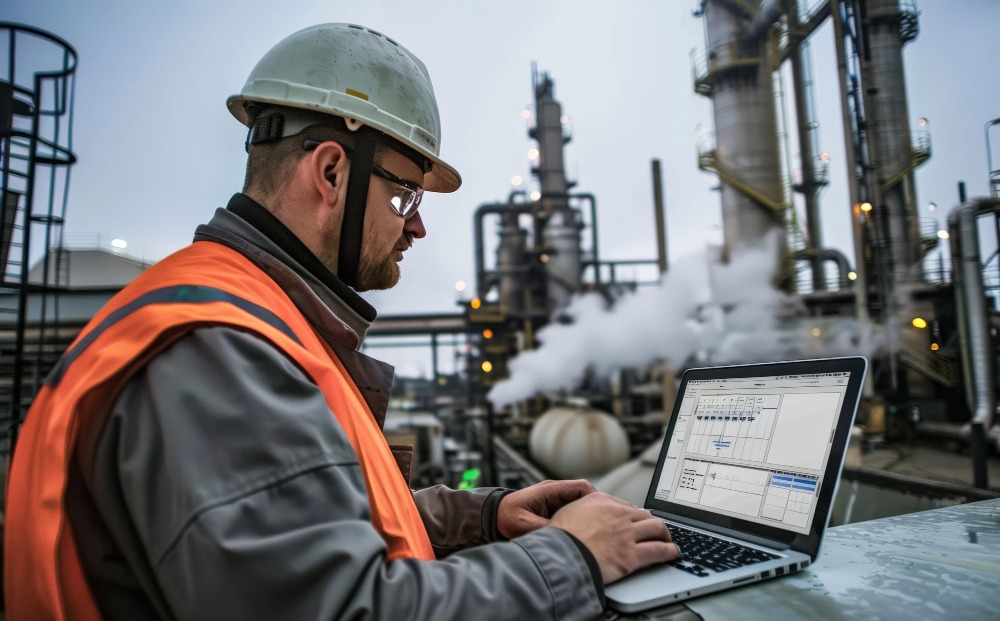
The amine system parameters are now being monitored in real-time along with predictive models predicting solvent degradation, corrosion progression and regeneration efficiency loss.
Integration with facility control systems helps to:
- Reclaim solvents automatically (remove degradation products)
- Plan maintenance jobs automatically
- Optimize the regeneration conditions dynamically according to the inlet acid gas profiles
Carbon Capture Integration
New amine use is coming to the table as the emerging carbon capture, utilization and sequestration (CCUS) market takes shape. Amine systems are now being deployed specifically for CO₂ removal from flue gas and direct air capture (DAC) and equipment investments are being incentivized by government programs (45Q tax credit, state-level CCUS mandates).
Regulatory Drivers and Compliance Requirements
Federal and State Emissions Standards
EPA standards limit H2S emissions from natural gas processing facilities to 1 hour average, and require sulfur recovery from refinery desulfurization units. These standards essentially require amine treatment of sour crude and sour gas processing.
Amines with lower volatility are preferred and vapor recovery systems are chosen for their lower loss of amine vapors and lower emissions at the stack, as mandated by state-level regulations (especially California’s South Coast Air Quality Management District and Texas Council on Environmental Quality rules).
Pipeline Specification Compliance
Pipeline operators require:
- Less than 4 ppm H2S
- Less than 3% CO₂ (some pipelines require less than 2%)
- Less than 100 ppm water
These are very specific standards that must be met in the design, operation, and monitoring of amine treatment systems or penalties/shutdowns will result.
Workplace Safety Regulations
OSHA’s requirements include:
- Monitoring amine vapor exposure (8-hour TWA limits 5-10 ppm based on amine type)
- Respiratory protection programs
- Emergency procedures in case of amine vaporization incidents
- Worker training on amine handling and first aid
Conclusion
The amine treatment process is a key technology in US natural gas processing, refinery, and petrochemical synthesis for acid gas removal. Market growth (6.5% CAGR in USA, 7.7% CAGR worldwide through 2037) is driven by growing natural gas demands, increasingly stringent environmental regulations, and new technologies and applications in carbon capture.
Tertiary amines are the market leaders because they are more energy efficient and selective, and secondary amines are gaining increasing market share in medium-sized facilities due to cost considerations. Sustainable formulations, hybrid processes, digital monitoring and integration of CCUS are creating new applications for amine technology, while enhancing operational efficiency.
Selection of an amine should be based on evaluating the following for gas processing operators, natural gas producers, petrochemical manufacturers and refinery operations: inlet acid gas composition, scale of operation, energy costs, environmental regulations, and corrosion management capabilities. Ongoing technology development opens the door to better efficiency and environmental performance.
Elchemy offers amine gas treating solutions, including tertiary amine formulations (MEA, MDEA-based systems), secondary amine solutions (DEA systems), sustainable amine packages, corrosion inhibitors and technical support for system optimization, solvent reclaiming and regulatory compliance to the US oil and gas, petrochemical and power generation industries for natural gas processing, LNG, refinery and industrial applications.